
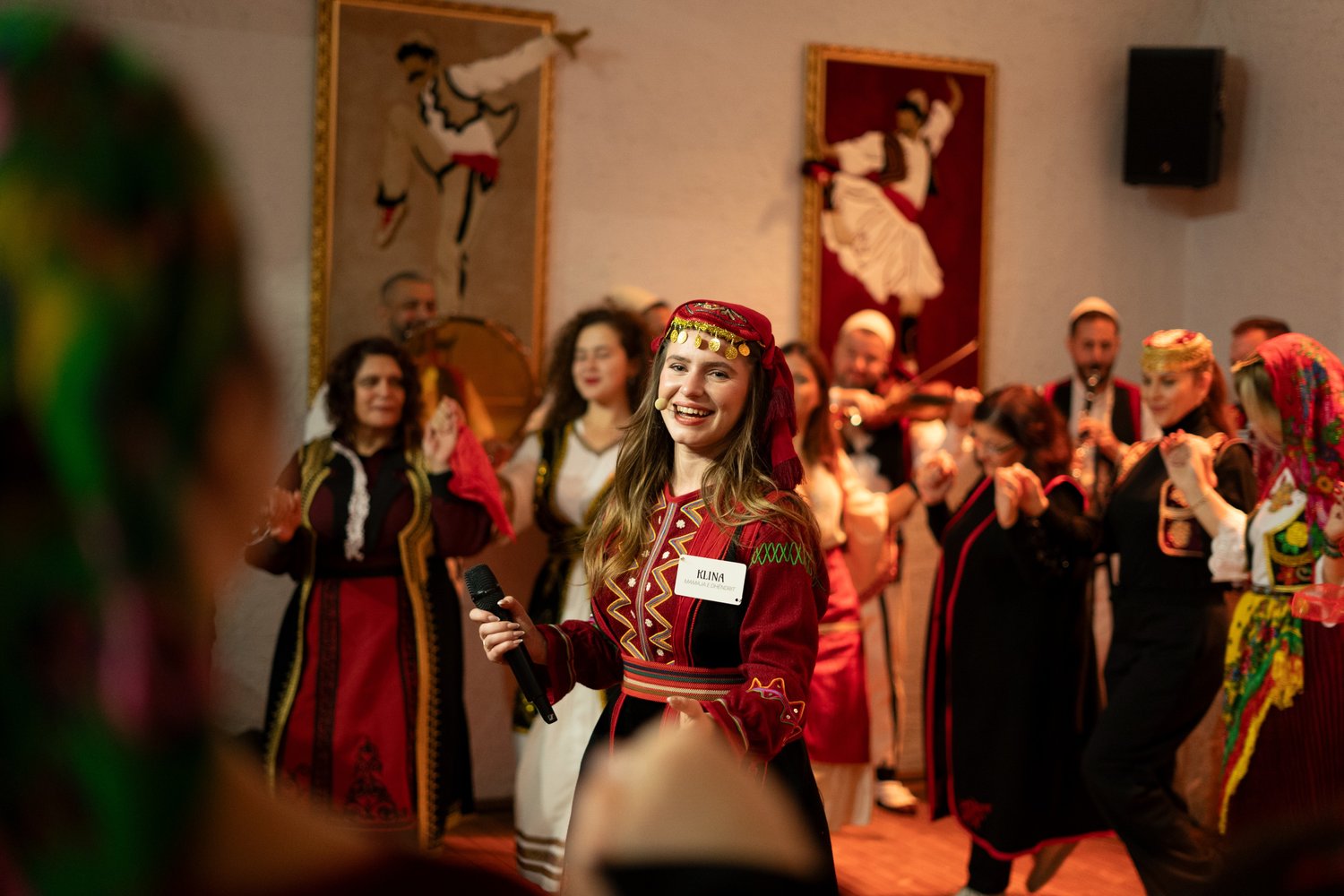
When travelers think of Albania, it’s often visions of the postcard-perfect beaches of the Ionian coast, the rugged peaks of the Albanian Alps or the magnificent Ottoman towns of Berat and Gjirokastër. However, beyond this beautiful, country, and fascinating historic monuments, is something even stronger, which shapes all visitors’ experience, the Albanian culture of hospitality.
Hospitality in Albania is certainly not merely a polite gesture, it is part of the nation’s identity. The centuries-old tradition of besa, which means “to keep one’s promise” and “to offer protection,” illustrates how Albanians perceive guests. Guests are not simply strangers, they are revered guests who must receive warmth, generousness, and respect.
A home away from home
One of the most amazing things travelers experience is how quickly an interaction becomes a relationship. You may just have stopped in a small mountain village for directions, when within a few minutes the family invites you into their home for coffee, raki, or a full home cooked meal. It feels impossible to refuse, not because of the pressure, but because of their genuine offer of hospitality.
These occasions transform a simple trip into an unforgettable story. Oftentimes, tourists describe Albania not only as a beautiful place, but also as a place they felt truly at home, even with strangers.
Coffee, Raki and Conversation
In Albania, hospitality often begins with a cup of coffee, whether you are in downtown Tirana or in a remote village. People in Albania will always offer to you, “have a seat, drink coffee!” Coffee is definitely not hurried; rather, it is a ritual, an opportunity to talk, share stories and build friendships. In the countryside, raki (a strong homemade spirit) is also too common to avoid, people are proud to serve their very best even if they don’t have much.
As a visitors get invited to share a raki, sit and sip coffee, people learn a great deal about Albanian tradition, way of life and values. Conversations frequently cut across cultural borders, reminding us that travel is not only about seeing places, but also about understanding the people.
Travelers making their way to less tourist-developed areas often encounter the most unforgettable experiences. In the northern mountains, visitors often tell stories of how shepherds offered them fresh cheese and bread expecting nothing in return. On the southern coast, families open their doors to visitors during the summer festival season, and then stop wanting, just to share food, music and laughter. These experiences reveal accepted knowledge and assumptions regarding Albanian hospitality since it has not been manufactured for the tourist experience, it is spontaneous and sincere.

The importance of hospitality for travellers
In a world in which mass tourism can sometimes be a bit too impersonal, Albania is a refreshing reminder of the human side of travel; the warmth of sharing a meal, the laughter exchanged over mutual confusion regarding language, the trust offered freely to a stranger. It is the kind of stuff that sticks with us after we return home.
Tourists that arrive primarily for the landscapes usually leave feeling with something different to remember: a sense of belonging. For some, the memory of Albanian hospitality will be the most cherished part of their trip. Something that no guide could capture on paper.
Albania boasts beautiful beaches, mountains, and cultural assets, but the one thing that will never leave you is its people. A culture of hospitality is not just an attraction you can pin on a map; hospitality is something you experience as one conversation, one invitation and one smile at a time.
As a result, anytime you visit Albania, expect more than sightseeing. Expect to be welcomed. Expect to share stories. Expect to feel like family. Because here, hospitality is not just a part of the journey, it is the journey.