
Exploring the History of Bunkart Museums
Albania’s Bunkart museums offer a unique glimpse into the past. These museums were once Cold War bunkers. Now, they are cultural and historical attractions.
Bunkart 1 and Bunkart 2 are located in Tirana, Albania. They were built during the communist regime of Enver Hoxha. This era was marked by paranoia and isolationism.
Bunkart 1 is nestled at the base of Mount Dajti. It was originally a nuclear bunker for government officials. Today, it is a museum with over 100 rooms.
Bunkart 2 is in the city center of Tirana. It focuses on the history of Albania’s Ministry of Internal Affairs. This museum opened to the public in 2016.
Both museums feature historical artifacts and multimedia installations. They tell the story of Albania’s communist past. Visitors can explore the impact of the Cold War on Albania.
The transformation of these bunkers into museums is significant. It reflects Albania’s efforts to preserve and interpret its history. These museums are now popular tourist attractions.

The Origins of Albania’s Bunkers
Albania’s vast network of bunkers began during the communist period. Enver Hoxha’s regime felt surrounded by hostile forces. This fear led to the creation of thousands of bunkers.
Constructing these bunkers was a monumental task. They were intended to protect citizens and officials. The bunkers served as a line of defense against perceived threats.
Hoxha envisioned a country prepared for nuclear war. The Albanian landscape reflects this vision. Bunkers dot every corner of the nation.
Albania became known as the “land of bunkers.” Many of these structures remain scattered across cities and countryside. It is estimated that over 170,000 bunkers were built.
The variety in bunker designs was impressive. These included:
- Large bunkers for military leaders
- Hidden bunkers for command centers
- Small bunkers for individual and family use
The effort consumed substantial national resources. A significant portion of the national budget was allocated to bunkers. This decision had lasting impacts on Albania’s economy and society.

The construction of bunkers was a unifying project in Albania. Citizens were taught to build and maintain them. This task reinforced a culture of self-reliance and survival.
Today, these bunkers symbolize Albania’s unique history. They reflect a bygone era marked by tension and suspicion. They now serve as reminders of a complex past.
The Communist Era and the Rise of Bunkerization
During the communist era, Albania became heavily fortified. Enver Hoxha’s leadership drove the bunkerization process. The Cold War climate increased Hoxha’s feeling of paranoia.
Under Hoxha’s rule, defense became a national priority. He ordered extensive fortifications across the nation. This period saw the rise of an impressive bunker network.
Bunkers served multiple purposes for the government. They were designed to:
- Protect against invasions
- Serve as control points for military operations
- Shelter the population in times of crisis
These structures were strategically placed throughout Albania. Hoxha believed they would defend the nation from external and internal threats. The regime dedicated resources to ensure this vision.
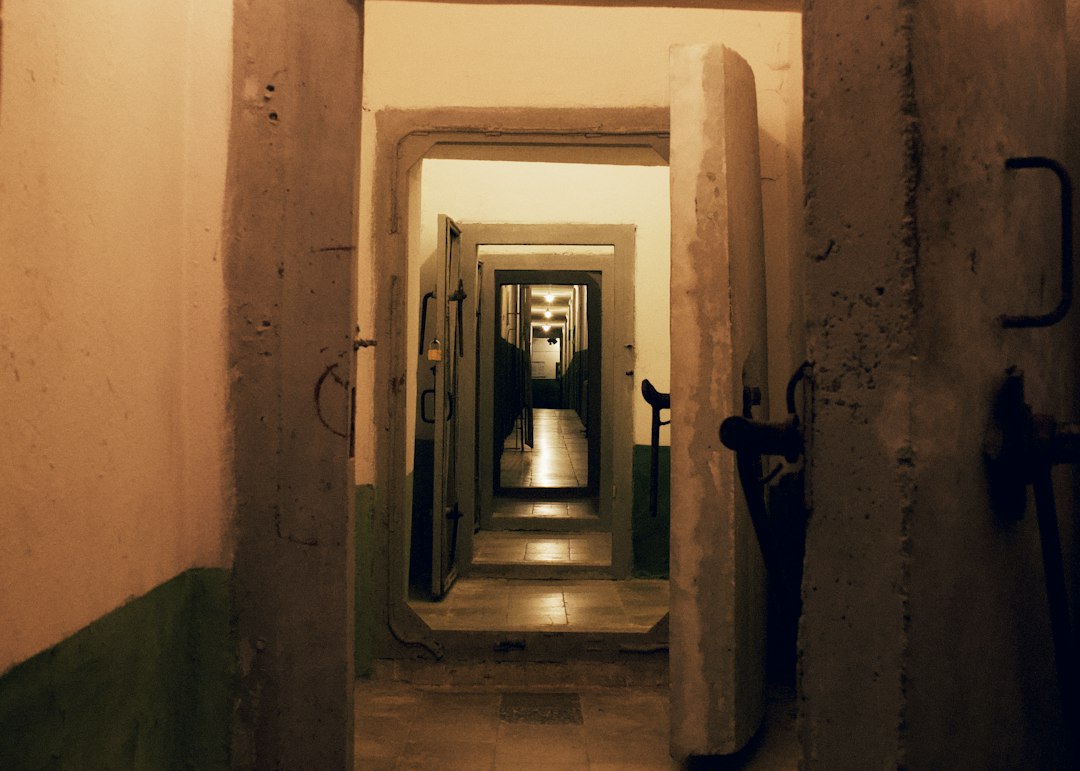
The architecture of bunkers was utilitarian. Some bunkers were mere concrete domes. Others were complex and included living quarters and command posts.
The bunkerization effort consumed Albania’s resources. National priorities focused almost exclusively on defense. This focus led to infrastructure neglect and economic hardships.
Today, the bunkers stand as relics of this era. They embody the isolationism and fear of Hoxha’s regime. As cultural sites, they offer insights into Albania’s communist past.
Bunkart 1: From Secret Bunker to Immersive Museum
Bunkart 1 lies at the base of Mount Dajti near Tirana. Initially, it was a nuclear bunker for government leaders. Today, it serves as an immersive museum of Albania’s history.
The museum opened to the public in 2014. It represents a significant transformation from military to cultural use. The structure now welcomes guests, offering insights into Albania’s past.
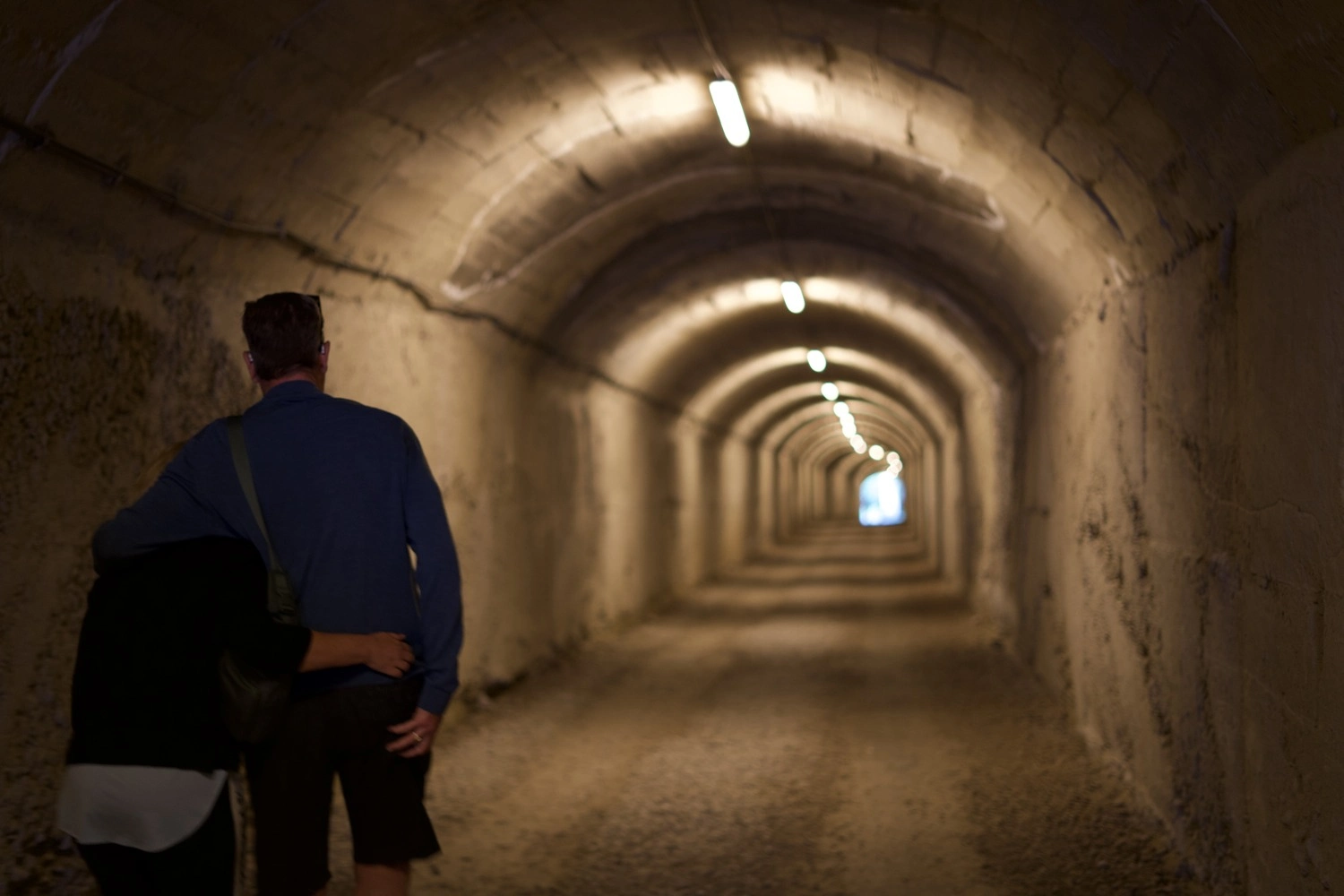
Visitors enter through a long tunnel, adding to the sense of immersion. This entry sets the tone for what lies ahead. The bunker’s cold walls echo with stories from the past.
The museum spans five floors, packed with exhibits. Over 100 rooms present different aspects of history. Each room highlights unique pieces of Albania’s timeline.
Exhibits include military gear, historic photographs, and communication devices. Multimedia installations enrich the storytelling. Visitors can even watch documentaries in a dedicated theater room.
Key themes include life under communism and Cold War strategies. The museum focuses on educating about Hoxha’s Albania. Its blend of artifacts and technology provides a comprehensive experience.
Adaptive reuse has turned the bunker into a cultural landmark. Bunkart 1 is a testament to creative preservation. It stands as a bridge between past and present.
What to See Inside Bunkart 1
Bunkart 1 features a rich array of exhibits. Each room offers new discoveries about Albania’s history. The museum takes visitors on a journey through time.
Key highlights include:
- Authentic military uniforms and weapons
- Communication equipment from the communist era
- Archival photographs and documents
- Detailed stories about government operations
One can explore rooms dedicated to daily life under communism. The exhibits showcase the regime’s influence on citizens. Auditory guides further augment this educational tour.
Historical displays illustrate technological advancements of the time. Artifacts emphasize the period’s unique challenges. These items provide a tangible link to the past.
Interactive elements capture visitors’ curiosity. An exhibit on espionage delves into secret police operations. Multimedia presentations provide deeper context.
Bunkart 1 not only informs but engages its visitors. Its diverse exhibits make history tangible and accessible. This historical exploration makes a visit memorable.
Visitor Experience at Bunkart 1
Visiting Bunkart 1 is an immersive historical journey. The unique setting offers a peek into Albania’s communist past. Its atmosphere is distinct and thought-provoking.
Guided tours are available in multiple languages. Visitors can choose to explore at their own pace. Both options offer a thorough understanding of the exhibits.
Experiencing Bunkart 1 is both educational and emotive. It brings history to life through its vivid presentations. Visitors leave with a greater understanding of Albania’s complex history.
Bunkart 2: Unveiling the Shadows of the Secret Police
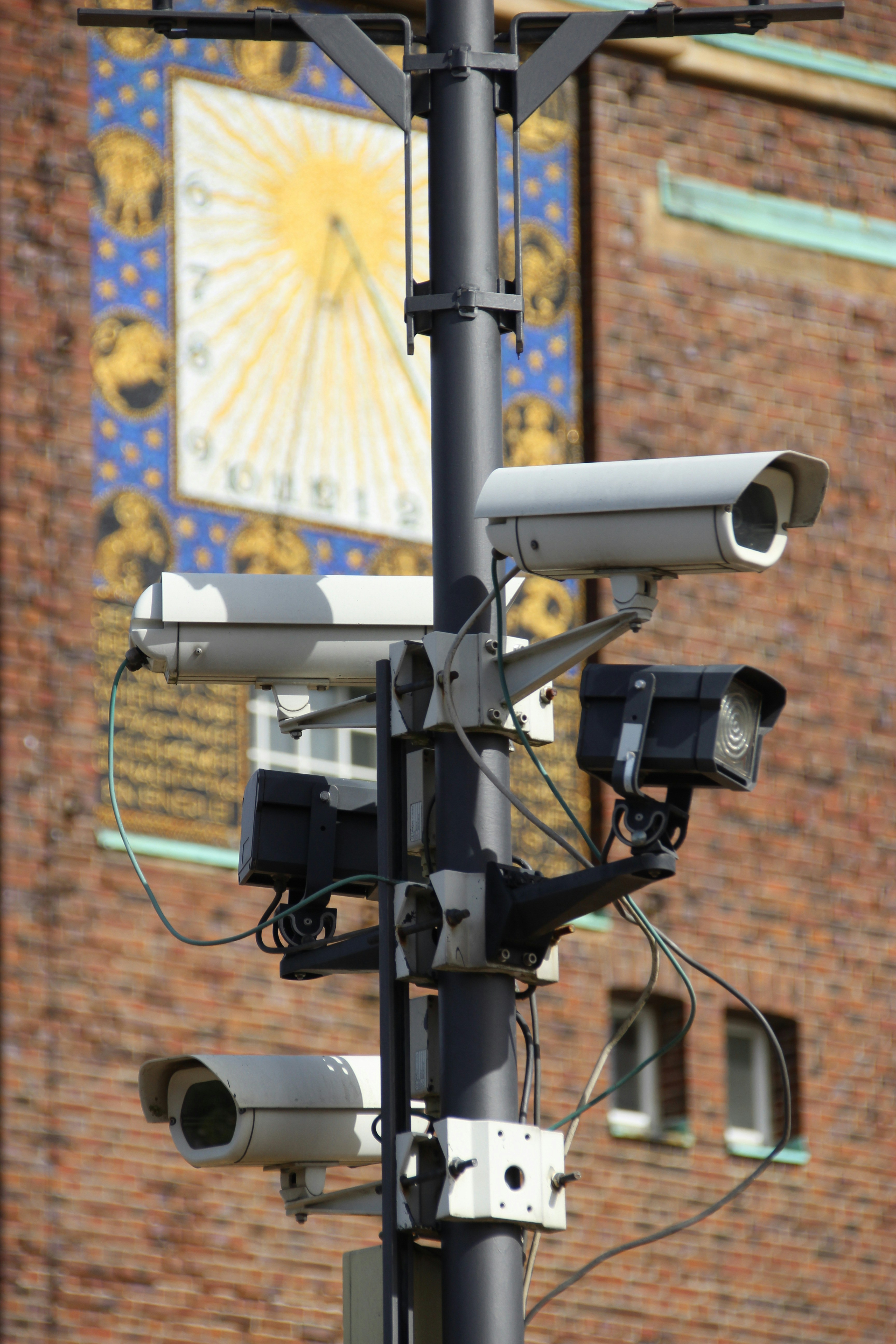
Bunkart 2 is located in the heart of Tirana. This museum focuses on the history of Albania’s Ministry of Internal Affairs. It reveals the operations of the secret police.
Opened in 2016, Bunkart 2 offers a more focused narrative. It’s dedicated to exploring political persecution during the communist regime. Visitors learn about the tactics used by the Sigurimi, Albania’s infamous secret police.
The museum occupies a smaller space compared to Bunkart 1. However, it delivers a powerful message. Each room unveils stories of surveillance, control, and resistance.
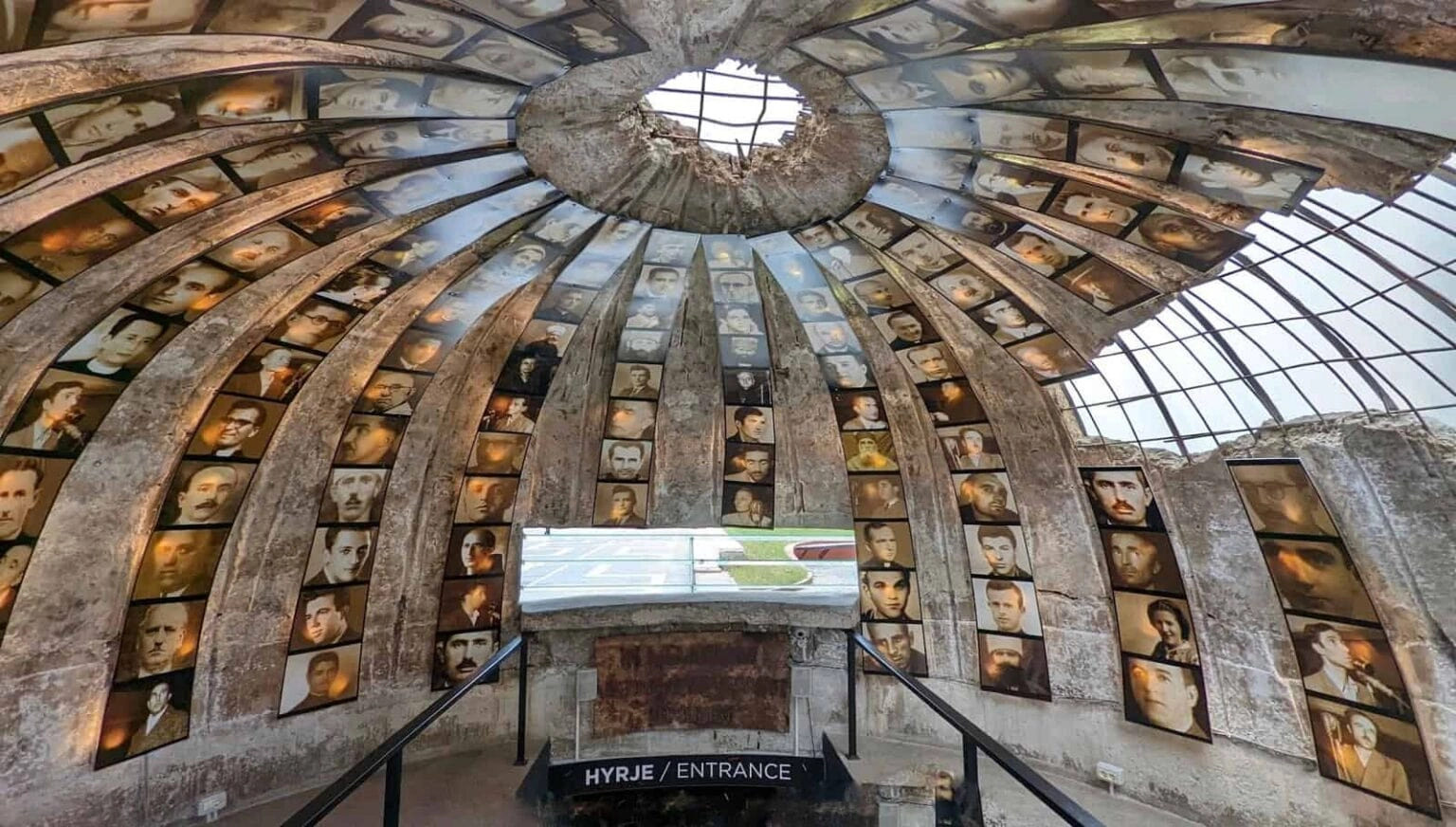
Key themes include the impact of the Sigurimi on daily life. The exhibits highlight stories of individuals affected by their reach. Personal anecdotes give voice to those who suffered under the regime.
Multimedia installations and personal stories enhance the exhibit. They provoke thought and discussion about human rights and freedom. Bunkart 2 serves as a reminder of the past’s lessons, relevant for today’s world.
Key Exhibits and Stories in Bunkart 2
Bunkart 2 offers a compelling array of exhibits. Each exhibit sheds light on a different aspect of the secret police’s activities. The stories add depth to this historical recount.
Key highlights include:
- Detailed documentation of surveillance activities
- Personal accounts of individuals who faced persecution
- Archival footage and photographs depicting daily life under the regime
These exhibits provide insight into the lengths of authoritarian control. The personal stories highlight resilience and courage. Visitors can understand both the fear and defiance of the time.
Interactive elements encourage engagement. They allow visitors to explore the effects of political persecution. This interactive approach helps to better understand the complex narratives.
Visitor Experience at Bunkart 2
Bunkart 2 offers an intense, reflective experience. It challenges visitors to consider issues of freedom and governance. Each exhibit invites deeper consideration of human rights.
Guided tours are available to enhance the visitor experience. Tours offer insights and anecdotes from knowledgeable guides. Self-guided tours provide flexibility and personal reflection.
This museum is about more than history; it stirs emotions and thoughts. Visitors leave with a broader understanding of life under an oppressive regime. Bunkart 2 is a testament to the importance of remembering and learning from the past.
Bunkart Museums in the Context of Albanian History
The Bunkart museums are vital to understanding Albania’s tumultuous history. These sites illuminate the stark realities of life under communist rule. They connect visitors with the country’s past struggles and resilience.
Albania’s history under Enver Hoxha’s regime was marked by isolation. The paranoia and secrecy bred thousands of bunkers across the country. These bunkers, like Bunkart 1 and 2, were intended as safe havens from nuclear threats.
Over time, Albania has transformed these symbols of fear into sites of learning and reflection. Bunkart museums now serve as educational resources, offering insights into:
- Cold War tensions and their impact on Albania
- The everyday lives of Albanians under surveillance
- The resilience of the Albanian people during oppressive rule
By showcasing these stories, the museums help reconcile past memories with present growth. They highlight Albania’s journey from a closed society to one that embraces openness and inquiry.
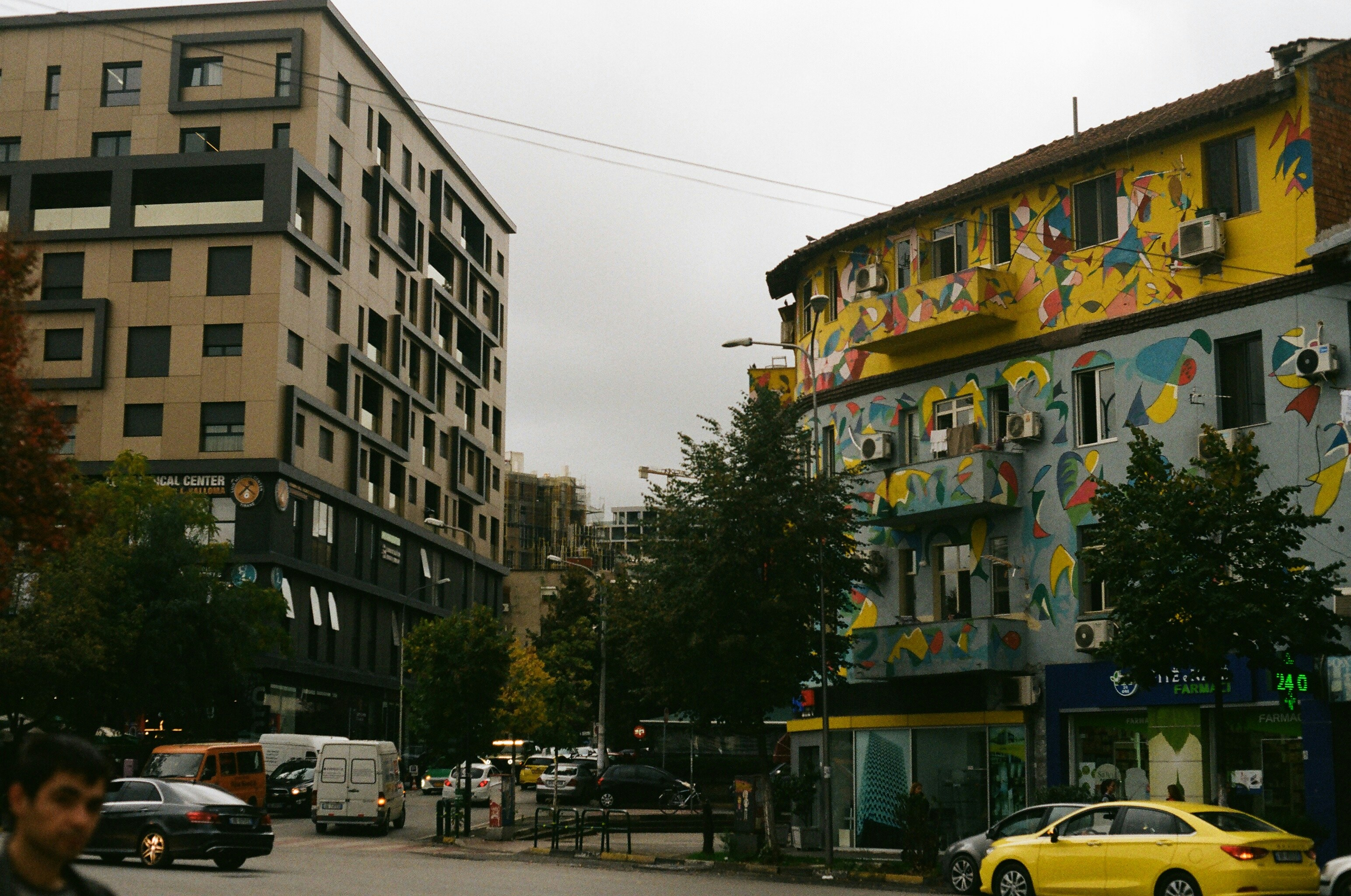
These adaptations signify Albania’s commitment to remembering its history while educating future generations. Bunkart museums are potent reminders of the importance of confronting the past for a more informed future.
Practical Information for Visiting Bunkart Museums
To visit the Bunkart museums, it’s essential to plan ahead. They are open year-round, but hours may vary by season. Checking the official website for updates is advisable.
Both museums are easily accessible from Tirana. Bunkart 1 is located at Mount Dajti’s base, a short drive from the city. Bunkart 2 sits centrally in Tirana, near many other attractions.
For an enriching visit, consider guided tours, which are available in multiple languages. These tours provide deeper insights and engaging narratives about Albania’s complex past.
Essential details for planning your visit:
- Opening hours: Vary by season; check in advance
- Entrance fees: Reasonable, with discounts for students and groups
- Access: Both are wheelchair accessible
Make sure to allocate enough time to explore the exhibits thoroughly. Visiting these museums offers a vivid journey through Albanian history.
Prepare yourself for a unique museum experience with robust historical insight.
The Impact of Bunkart on Albanian Society and Tourism
The Bunkart museums have significantly influenced Albanian society and tourism. They spark dialogue about the country’s communist past. This helps reconcile with difficult histories.
These museums attract numerous visitors annually. They boost tourism in Tirana and Albania at large. Bunkart 1 and 2 provide a unique lens into Albania’s history, engaging both locals and tourists.
Their transformation from secretive bunkers to cultural hubs symbolizes Albania’s shift towards openness. The museums stand as a testament to resilience and creativity. They are vital in educating new generations and preserving collective memory.
Conclusion: Remembering the Past, Shaping the Future
The Bunkart museums remind us of Albania’s complex history. They help us understand the impact of the communist era. The experiences within these walls encourage reflection and learning.
By transforming fear into knowledge, Bunkart museums symbolize progress. They offer insights for shaping a more informed future. As Albania continues to open its doors to the world, these museums serve as powerful symbols of change and enlightenment.