
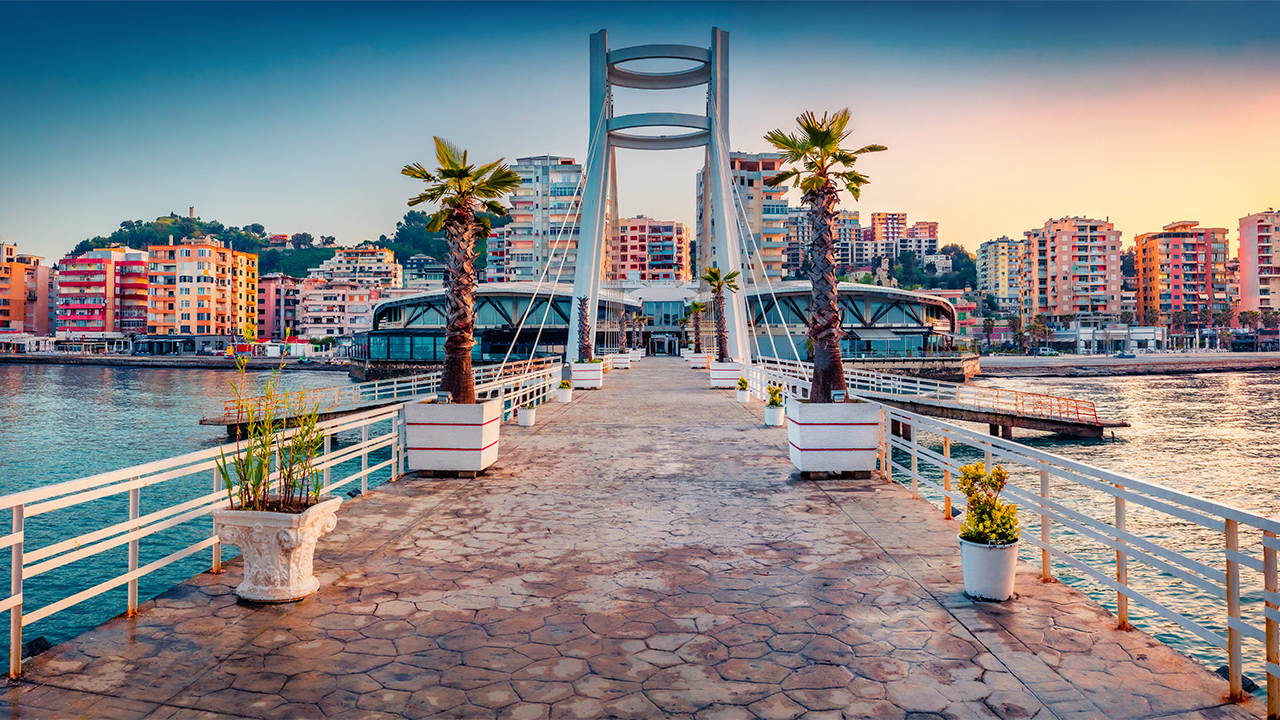
Exploring the Rich History of Durres
Durres, a captivating city on the Adriatic coast of Albania, boasts a rich history that dates back thousands of years. As one of the oldest cities in Albania, Durres is a treasure trove of cultural and historical significance. This article delves into the fascinating past of Durres, exploring its ancient origins, its evolution through various empires, and its vibrant present.
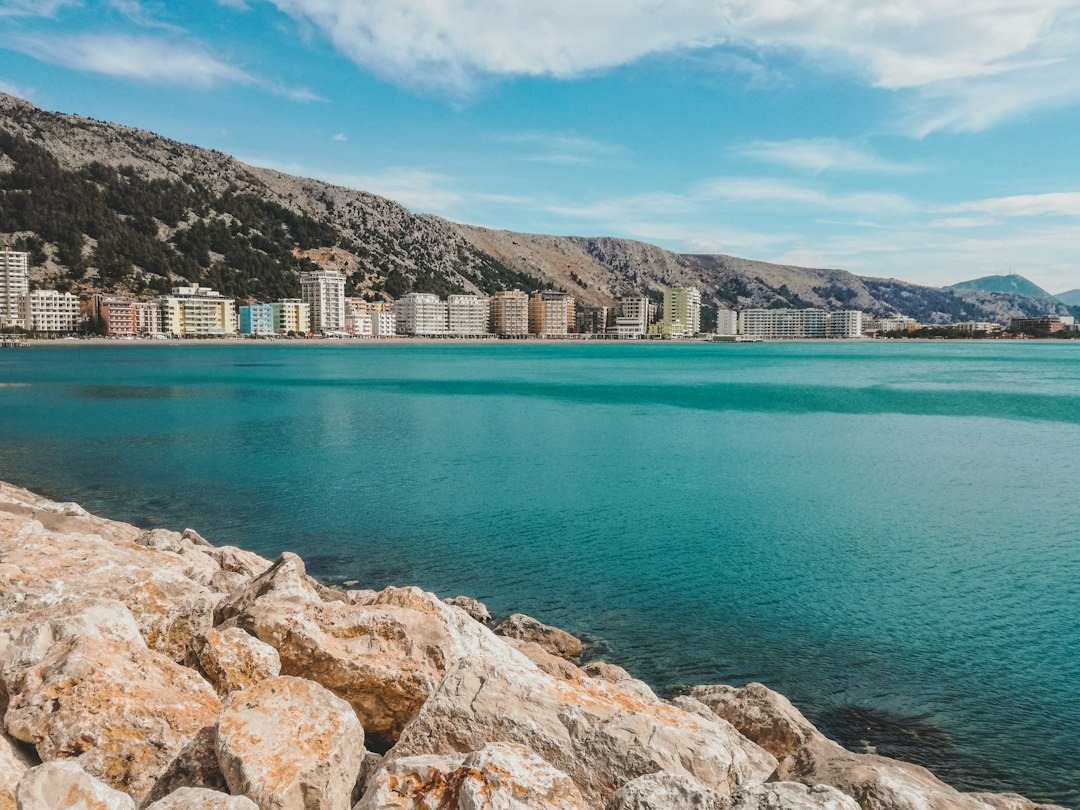
Durres was founded by the Greeks in the 7th century BC, making it one of the oldest cities in Albania. Originally known as Epidamnos, it became a significant trade hub due to its strategic location along the Adriatic Sea. The city quickly grew in prominence, attracting settlers and traders from various regions.
Greek Influence
The Greeks established Durres as a flourishing port city, facilitating trade and cultural exchange. The city’s strategic location made it a vital link between the East and the West, contributing to its prosperity. Durres’ Greek heritage is evident in the remnants of ancient structures, such as the amphitheater and city walls, which still stand today.
The amphitheater, built in the 2nd century AD, is one of the most significant archaeological sites in Albania. It could accommodate up to 20,000 spectators and was used for various public spectacles, including gladiatorial contests. The structure’s impressive size and design reflect the city’s importance during Greek times.
Beyond its architectural feats, the Greek period saw Durres become a cultural hub. The introduction of Greek art, philosophy, and political ideas laid the groundwork for a vibrant intellectual atmosphere. This cultural foundation influenced subsequent generations and shaped the city’s identity for centuries.
Roman Conquest
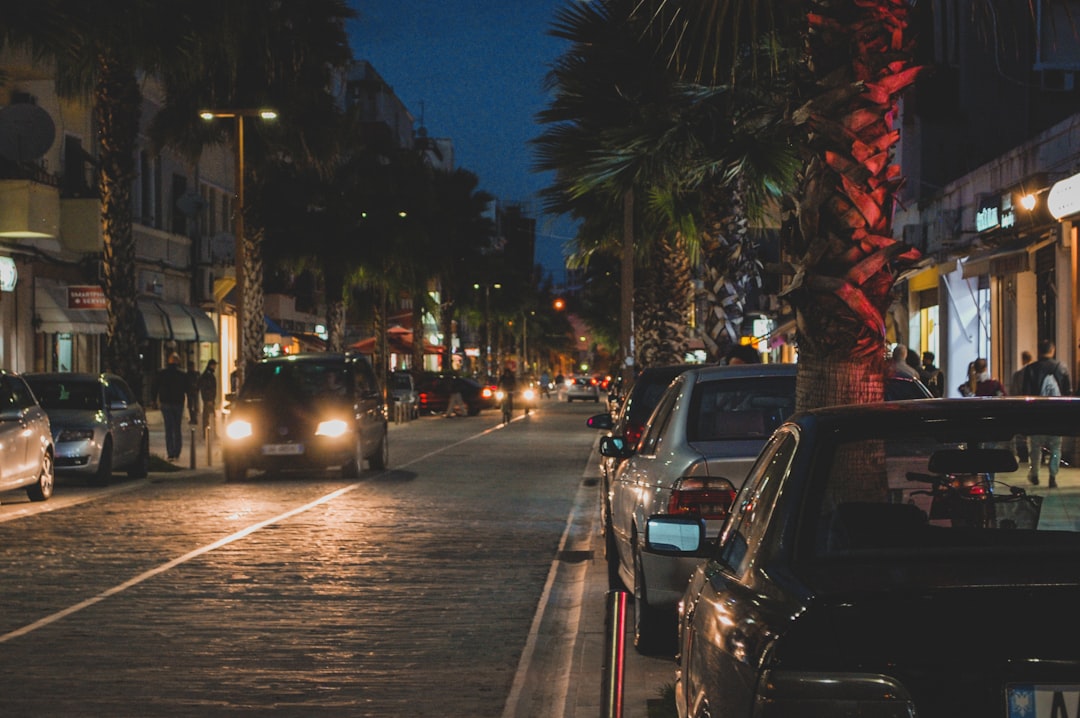
In 229 BC, the Romans conquered Durres, marking the beginning of a new era. Under Roman rule, the city became an essential part of the Roman Empire, known as Dyrrachium. The Romans expanded the city’s infrastructure, building roads, aqueducts, and fortifications. The Durres Amphitheatre, one of the largest in the Balkans, is a testament to the city’s significance during this period.
Roman engineering prowess is evident in the city’s well-preserved infrastructure. The Via Egnatia, a major Roman road, connected Durres to other parts of the empire, enhancing its role as a trade hub. This connectivity fostered economic growth and allowed for the exchange of goods and ideas across vast distances.
The Roman era also saw the introduction of new architectural styles and urban planning concepts. Public baths, forums, and temples were constructed, showcasing the sophistication of Roman urban life. These structures not only served practical purposes but also reflected the cultural values and social dynamics of the time.
The city’s prominence during the Roman period extended to its strategic military importance. Dyrrachium served as a naval base and was fortified to protect against invasions. The city’s defenses, including its walls and towers, highlight the military strategies employed by the Romans to safeguard their territories.
Byzantine and Medieval Periods
After the fall of the Roman Empire, Durres experienced a turbulent period, changing hands between various powers. The Byzantine Empire took control of the city in the 4th century AD, ushering in a new era of growth and development.
Byzantine Influence
Durres thrived under Byzantine rule, becoming an important center of art and culture. The city was fortified with impressive walls, some of which remain intact today. The Byzantine influence is still visible in the city’s architecture and the remnants of religious structures, such as the Byzantine Forum and the Church of Saint Anthony.
The Byzantine period was marked by religious and artistic flourishing. Iconography and mosaics became prevalent, adorning churches and public spaces. These artworks not only served religious purposes but also communicated political messages and cultural values, reflecting the complex interplay between church and state.
Durres’ strategic location continued to make it a target for conquest, but it also enabled the city to maintain its economic vitality. Trade routes passing through Durres connected the Byzantine Empire with Western Europe, facilitating the exchange of goods such as silk, spices, and precious metals.
Education and scholarship thrived during this period, with Durres becoming a center for learning. Monasteries and schools were established, where scholars studied theology, philosophy, and the sciences. This intellectual activity contributed to the preservation and transmission of knowledge throughout the region.
Medieval Turmoil
The medieval period was marked by frequent conflicts and changes in control. Durres was occupied by the Normans, Venetians, and Ottomans at various times. Despite these upheavals, the city continued to thrive as a trading hub, thanks to its strategic location.
During the Norman occupation in the 11th century, Durres was fortified further, reflecting the need for defense against external threats. These fortifications were crucial in resisting sieges and maintaining the city’s autonomy amidst regional power struggles.
The Venetian period brought economic prosperity, as Durres became an integral part of the maritime trade network. Venetian merchants established trade links with the East, importing luxury goods and exporting local products. This trade fostered cultural exchange and introduced new customs and traditions to the city.
Under Ottoman rule, Durres experienced significant demographic and cultural changes. The introduction of Islamic architecture and administrative reforms transformed the city’s landscape. Despite these changes, Durres retained its multicultural character, with diverse communities coexisting and contributing to its vibrant social fabric.
Ottoman Era
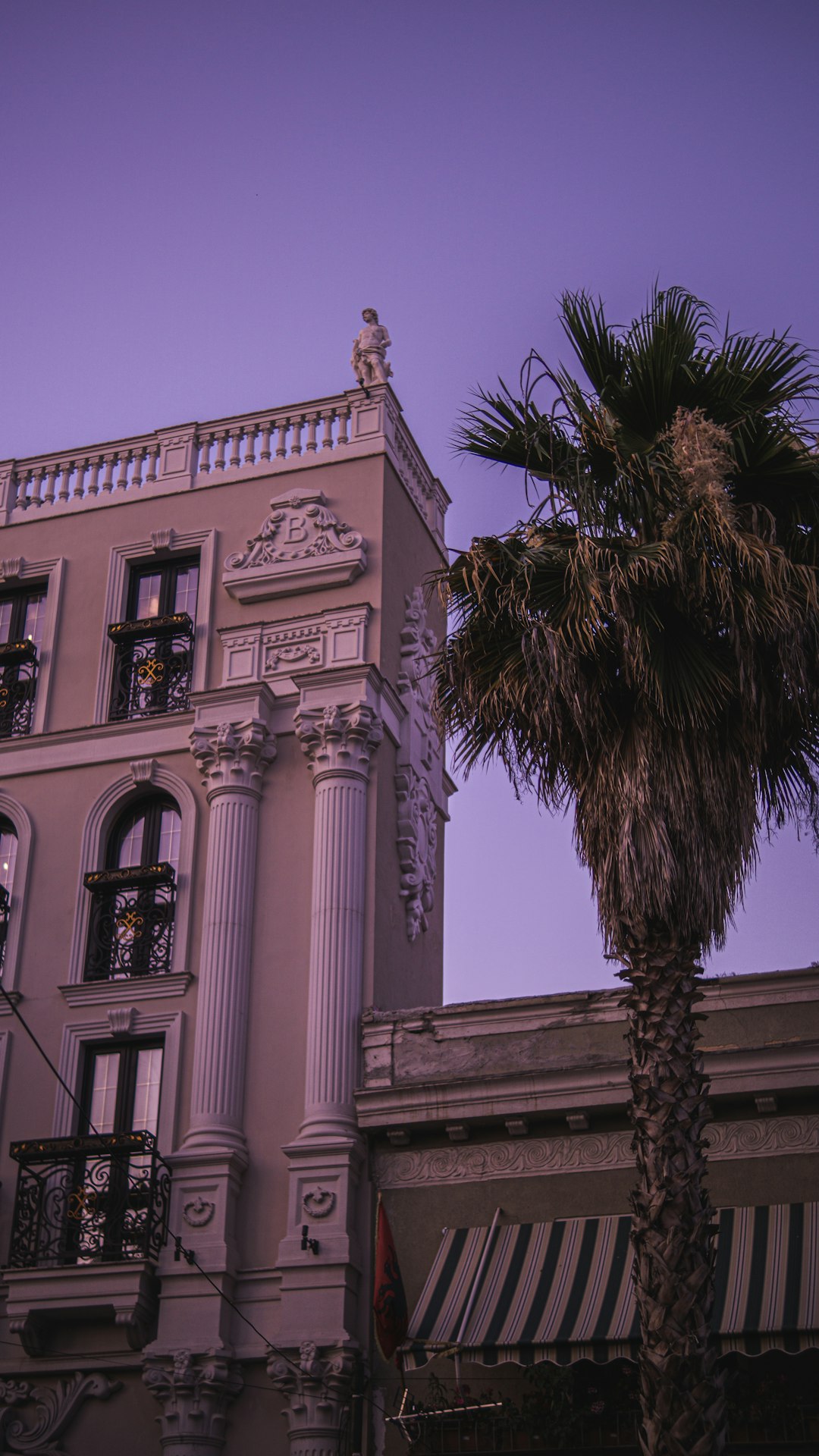
The Ottoman Empire took control of Durres in the 16th century, leaving a lasting impact on the city’s culture and architecture. The Ottomans introduced new architectural styles, which can still be seen in some of the city’s buildings today.
Cultural Exchange
Under Ottoman rule, Durres became a melting pot of cultures, with influences from the East and the West. The city’s diverse population contributed to its vibrant cultural scene, making it a unique and dynamic place to live.
The Ottoman influence is visible in the city’s religious architecture, including mosques and minarets that dot the skyline. These structures, with their intricate designs and ornate decorations, reflect the aesthetic principles of Ottoman architecture and provide insight into the spiritual life of the period.
Trade continued to flourish under Ottoman rule, with Durres serving as a vital link between the empire and Europe. Merchants from different backgrounds converged in the city, bringing with them goods, ideas, and cultural practices. This exchange enriched the city’s cultural tapestry and fostered a spirit of tolerance and coexistence.
The Ottoman period also saw advancements in education and the arts. Schools and libraries were established, promoting literacy and intellectual growth. Music, poetry, and traditional crafts thrived, contributing to a vibrant cultural scene that celebrated the diverse heritage of the city’s inhabitants.
Decline and Recovery
The decline of the Ottoman Empire in the 19th century brought challenges to Durres. However, the city managed to recover and adapt to changing times, paving the way for modernization and growth in the 20th century.
As Ottoman influence waned, Durres faced economic and political instability. However, the city’s resilience and strategic location allowed it to navigate these challenges. The development of infrastructure, such as railways and ports, facilitated trade and commerce, helping to stabilize the local economy.
The early 20th century saw a wave of modernization, with new technologies and ideas transforming the cityscape. Industrialization brought new opportunities and challenges, as Durres adapted to the demands of a rapidly changing world. This period of growth set the stage for Durres’ emergence as a modern economic and cultural center.
Efforts to preserve the city’s historical heritage became a priority, with initiatives aimed at protecting archaeological sites and promoting cultural tourism. These efforts have ensured that Durres’ rich past remains accessible to future generations, while also contributing to the city’s economic revitalization.
Modern Durres
Today, Durres is a bustling city that seamlessly blends its rich history with modern amenities. As a major port city, it remains a vital economic center for Albania. Durres is also a popular tourist destination, attracting visitors with its beautiful beaches, historical sites, and vibrant culture.
Tourism and Attractions
Durres’ unique blend of history and modernity makes it an attractive destination for tourists. Visitors can explore the ancient amphitheater, walk along the city’s historic walls, or relax on the stunning beaches. The city’s vibrant nightlife, delicious cuisine, and friendly locals add to its charm, making it a must-visit destination in Albania.
The city’s historical sites offer a window into its storied past, with guided tours providing insights into its rich cultural heritage. Museums and galleries showcase artifacts and artworks that tell the story of Durres’ evolution through the ages, offering a comprehensive understanding of its historical significance.
In addition to its historical attractions, Durres boasts a lively arts and entertainment scene. Festivals, concerts, and cultural events are held throughout the year, celebrating the city’s diverse heritage and contemporary creativity. These events draw both locals and tourists, fostering a sense of community and cultural pride.
The culinary scene in Durres is a reflection of its multicultural past, with a wide array of dining options offering traditional Albanian dishes alongside international cuisine. The city’s restaurants and cafes provide a taste of its vibrant culture, with fresh seafood, local wines, and traditional desserts delighting visitors.
Preserving the Past
Efforts to preserve Durres’ historical heritage are ongoing, with restoration projects and archaeological excavations taking place throughout the city. These initiatives aim to protect and showcase the city’s rich past, ensuring that future generations can appreciate its historical significance.
Local and international organizations collaborate to fund and support preservation efforts, recognizing the importance of safeguarding Durres’ cultural assets. These projects not only protect the city’s heritage but also contribute to its economic development by attracting cultural tourism and creating jobs.
Education and community involvement play a crucial role in preservation efforts. Schools and local groups organize activities and workshops that raise awareness about the city’s history and the importance of conservation. This engagement fosters a sense of ownership and pride among residents, encouraging them to actively participate in preserving their cultural heritage.
The integration of modern technology in preservation projects has enhanced the ability to document and share Durres’ history. Digital archives, virtual tours, and interactive exhibits provide new ways for people to engage with the city’s past, making its history accessible to a global audience.
Conclusion
Durres, with its rich tapestry of history, offers a fascinating glimpse into the past while embracing the present. From its ancient Greek origins to its role as a thriving modern city, Durres has a story to tell at every turn. Whether you’re a history enthusiast, a beach lover, or a curious traveler, Durres promises an unforgettable experience steeped in culture and heritage.
The city’s ability to adapt and thrive amidst changing times speaks to its resilience and enduring significance. Durres’ history is not just a collection of past events but a living narrative that continues to shape its identity and influence its future. This dynamic interplay between history and modernity makes Durres a truly unique destination.
As Durres continues to grow and evolve, it remains committed to preserving its rich heritage while embracing the opportunities of the modern world. This balance ensures that the city will continue to captivate and inspire generations to come, offering a timeless journey through history and culture.