
Top 10 Fascinating Facts About Albania
Albania, a small country located in the Balkan Peninsula, is a destination that is often overlooked by travelers. However, those who venture into its borders discover a nation rich in culture, history, and natural beauty.
This article shares 10 interesting facts about Albania, a country in Europe that many people do not know about.
If you are planning to visit or just want to know more, this information will help you appreciate this interesting country more.
If you’re looking for 10 facts about Albania or 10 fun facts about Albania, you’ll find them here alongside interesting facts about Albania that go beyond the basics.
A Linguistic Island in Europe
Albania is home to the Albanian language, a unique branch of the Indo-European language family. Unlike other languages in Europe, Albanian stands alone, with no close relatives. This linguistic isolation has intrigued scholars for generations, making it a subject of extensive linguistic study. As a result, the language serves as a cultural keystone, preserving a distinct identity amidst a continent filled with linguistic diversity.
The Evolution of Albanian
The Albanian language has evolved over centuries, absorbing elements from Latin, Slavic, and Greek, among others. Despite these influences, it retains its unique structure and vocabulary. This evolution reflects the country’s complex history of interactions with neighboring cultures while maintaining a distinct core. Understanding Albanian provides insights into the resilience and adaptability of its speakers through changing times.
Albanian Dialects
Within Albania, the language is further divided into two main dialects: Gheg and Tosk. These dialects represent more than just linguistic differences; they embody diverse cultural and historical backgrounds. The Shkumbin River serves as the traditional dividing line between them. The coexistence of these dialects within a single country highlights the rich tapestry of regional identities that make up Albania.
- The Land of Bunkers
A Legacy of Cold War Paranoia
During the Communist era under Enver Hoxha, Albania became a land of bunkers. Over 173,000 bunkers were constructed as part of a national defense strategy to withstand potential invasions. These concrete structures, now dotted across the countryside and urban areas, stand as silent sentinels of a bygone era. They symbolize the intense paranoia and isolation that characterized Albania during the Cold War.
Repurposing the Bunkers
In recent years, Albanians have found creative ways to repurpose these bunkers, transforming them into cafes, museums, and even homes. This repurposing reflects a spirit of resilience and innovation, turning remnants of a troubled past into functional parts of modern life. As such, the bunkers have become unique attractions for tourists seeking to understand Albania’s complex history.
Bunkers as Cultural Symbols
Beyond their physical presence, bunkers have become potent cultural symbols in Albania. They serve as reminders of a time when the nation was cut off from the rest of the world. Artists and activists have used bunkers as canvases for expression, turning them into works of art that challenge historical narratives and promote dialogue about Albania’s future.
- A Haven for Biodiversity
A Diverse Landscape
Albania’s diverse geography, ranging from stunning coastlines to rugged mountains, supports a rich array of flora and fauna. The variation in altitudes and climates creates unique ecosystems that harbor a wealth of biodiversity. This natural diversity is a significant draw for ecotourists and nature enthusiasts eager to explore the country’s pristine environments. These Albania geography facts help explain the country’s remarkable ecosystems.
National Parks and Protected Areas
The country is a haven for biodiversity, with numerous national parks and protected areas, such as Llogara and Theth. These regions serve as crucial refuges for endangered species and are vital for conservation efforts. By visiting these parks, travelers contribute to the preservation of Albania’s natural heritage and gain firsthand experiences of its wild beauty. Many of these landscapes are standout Albania tourist attractions for hikers and wildlife lovers.
Rare and Endangered Species
The Albanian Alps, in particular, offer breathtaking landscapes and are home to rare species like the Balkan lynx and the Albanian water frog. Protecting these species is a priority for Albania, as they represent irreplaceable components of the country’s natural legacy. Efforts to conserve these animals highlight the importance of balancing human development with environmental stewardship.
- A History Rich in Archaeological Treasures
For a quick Albania history overview, the sites below trace a timeline from antiquity to the Ottoman era.

Ancient Greek and Roman Heritage
Albania boasts a history rich in archaeological treasures, with remnants of ancient Greek and Roman civilizations scattered throughout the country. These sites offer a glimpse into the lives of those who once inhabited the region. Among them, Butrint stands out as a remarkable UNESCO World Heritage site, showcasing layers of history from different epochs.
Ottoman Influence
The Ottoman Empire left a lasting imprint on Albania, evident in its architecture and urban planning. Towns like Berat and Gjirokastër feature well-preserved Ottoman-era houses and fortifications. These historical landmarks provide insight into how Albanian cities evolved under Ottoman rule, blending Eastern and Western architectural styles.
The Intertwining of Cultures
The intertwining of various cultures over millennia has left an indelible mark on Albania’s historical landscape. From Illyrians to Byzantines, each culture has added its chapter to Albania’s story. This rich tapestry of influences is reflected in the country’s diverse archaeological sites, offering visitors a comprehensive view of Albania’s multifaceted past.
- A Melting Pot of Cultures
Historical Crossroads
Throughout history, Albania has been a crossroads of civilizations, resulting in a melting pot of cultures. Its strategic location has made it a meeting point for traders, conquerors, and travelers. This constant exchange of ideas and traditions has enriched Albanian culture, creating a unique blend of influences that continues to evolve today. These Albanian culture facts reveal how centuries of exchange shaped daily life.
Architectural Diversity
Influences from the Greeks, Romans, Byzantines, Ottomans, and more have shaped the country’s architectural identity. This diversity is visible in Albania’s cities, where ancient ruins coexist with modern structures. Each building tells a story of the cultural fusion that defines Albania’s urban landscapes. Fun facts Albania enthusiasts often share include the way Ottoman-era houses sit beside Byzantine and modern structures.
Culinary Fusion
Albania’s diverse heritage is also reflected in its cuisine, which combines flavors and techniques from various cultures. Traditional dishes like byrek and fërgesë showcase this culinary fusion, offering a taste of Albania’s rich gastronomic history. The melding of Mediterranean and Balkan influences creates a culinary experience that is both familiar and distinct.
- Albania’s Enigmatic Capital: Tirana
A City of Contrasts
Tirana, the capital of Albania, is a city of contrasts, where old meets new in unexpected ways. With its vibrant streets, colorful buildings, and burgeoning arts scene, Tirana is rapidly transforming into a modern metropolis. Yet, it retains a sense of mystery with its blend of Ottoman, Fascist, and Soviet-era architecture, offering a unique urban experience.
The Artistic Revival
The city’s artistic revival is evident in its galleries, street art, and cultural festivals. These artistic expressions reflect Tirana’s dynamic energy and its residents’ creativity. This cultural renaissance has made Tirana a hub for artists and creatives, drawing inspiration from the city’s eclectic mix of influences.
A Vibrant Community
Tirana is home to a diverse and vibrant community, embodying the spirit of modern Albania. Its residents are known for their hospitality and openness, welcoming visitors with warmth and enthusiasm. Exploring Tirana offers an opportunity to connect with Albanians and experience firsthand the lively atmosphere that defines the city.
- The Enchanting Riviera
by Paolo Bici (https://unsplash.com/@paolobici)
Pristine Beaches and Turquoise Waters
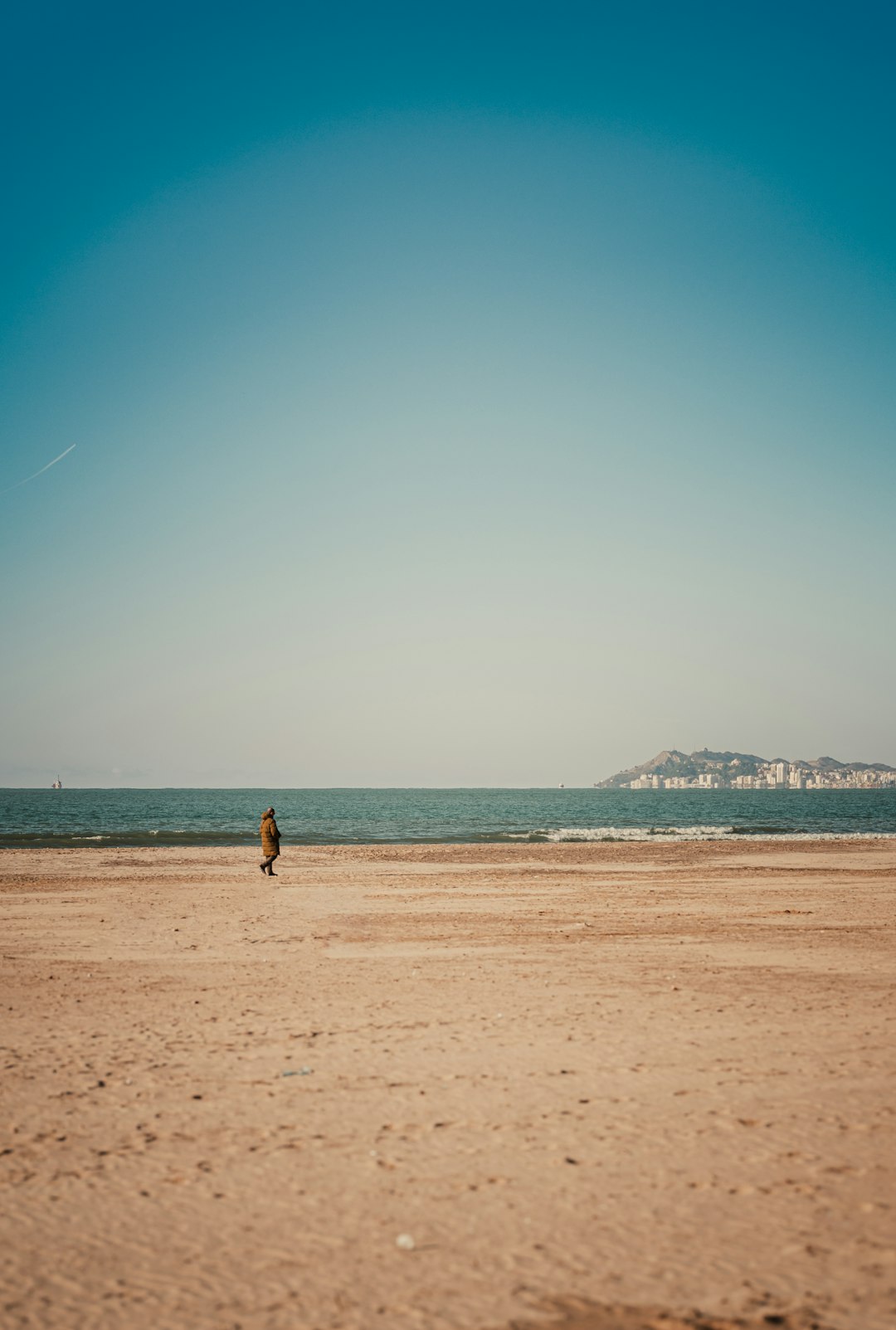
The Albanian Riviera is a stretch of stunning coastline along the Ionian Sea, renowned for its pristine beaches and turquoise waters. This enchanting region is a paradise for travelers seeking sun, sea, and relaxation. Its unspoiled beauty attracts those looking to escape the crowds and enjoy nature’s tranquility.
Hidden Gems and Coastal Villages
From the lively resort town of Saranda to the tranquil village of Dhërmi, the Riviera offers something for everyone. Each location has its unique charm, whether it’s the bustling nightlife of Himara or the peaceful seclusion of secluded beaches. The Riviera is dotted with hidden gems waiting to be discovered by intrepid travelers.
A Blend of Tradition and Modernity
Alongside its natural beauty, the Riviera showcases a blend of tradition and modernity. Traditional fishing villages coexist with contemporary resorts, offering diverse experiences for visitors. This harmonious coexistence highlights the region’s ability to embrace change while preserving its cultural heritage.
- Albania’s Religious Tolerance
A Harmonious Blend of Faiths
Albania is known for its religious tolerance, a rarity in a region often fraught with sectarian conflict. The country is home to a harmonious blend of religions, including Islam, Christianity, and Bektashi, a Sufi order. This peaceful coexistence is a testament to the Albanian people’s spirit of acceptance and unity. This peaceful coexistence is one of the most interesting facts about Albania.
Historical Roots of Tolerance
The roots of Albania’s religious tolerance can be traced back to its history of diverse cultural influences. Throughout the centuries, Albanians have learned to live together despite religious differences. This historical legacy continues to shape Albania’s inclusive society, promoting mutual respect and understanding.
Celebrating Religious Diversity
Albania celebrates its religious diversity through festivals, holidays, and interfaith dialogues. These events foster a sense of community and encourage dialogue among different religious groups. Visitors to Albania can witness this spirit of tolerance firsthand, experiencing the country’s welcoming atmosphere.
- The Kanun: A Code of Honor
An Ancient Code
The Kanun is an ancient code of honor that has governed Albanian society for centuries. Originating in the medieval period, it outlines principles of conduct, justice, and social organization. While its influence has waned in modern times, its legacy continues to resonate in Albanian culture.
Principles of Hospitality and Loyalty
The Kanun emphasizes hospitality, loyalty, and justice, values that remain integral to Albanian society. These principles guide interpersonal relationships and community interactions, fostering a sense of trust and respect. Understanding the Kanun offers insight into the values and traditions that underpin Albanian society.
The Kanun in Modern Albania
In contemporary Albania, the Kanun’s influence is seen in the continued emphasis on hospitality and community. While legal systems have replaced its judicial aspects, the Kanun’s cultural significance endures. This enduring legacy highlights the importance of tradition and identity in Albania’s evolving society.
- A Nation of Hospitality
A Tradition of Warmth
Albanians are renowned for their hospitality, welcoming visitors with open arms and warm hearts. This tradition, deeply rooted in the Kanun, ensures that guests are treated with the utmost respect and kindness. Travelers to Albania often leave with fond memories of the generous and hospitable nature of its people. It’s among the fun facts about Albania that many visitors remember most.
The Role of Hospitality in Society
Hospitality plays a vital role in Albanian society, reflecting values of generosity and community. It is a cultural cornerstone, shaping social interactions and reinforcing bonds between people. This tradition of hospitality is a source of pride for Albanians and a defining feature of their national identity.
Sharing Culture Through Hospitality
Through hospitality, Albanians share their culture, traditions, and stories with visitors. This exchange enriches both hosts and guests, fostering cross-cultural understanding and appreciation. Experiencing Albanian hospitality offers a unique glimpse into the country’s soul, leaving a lasting impression on those who visit.
Discover Albania: A Travel Guide
by elisadventure (https://unsplash.com/@elisadventure_photo)
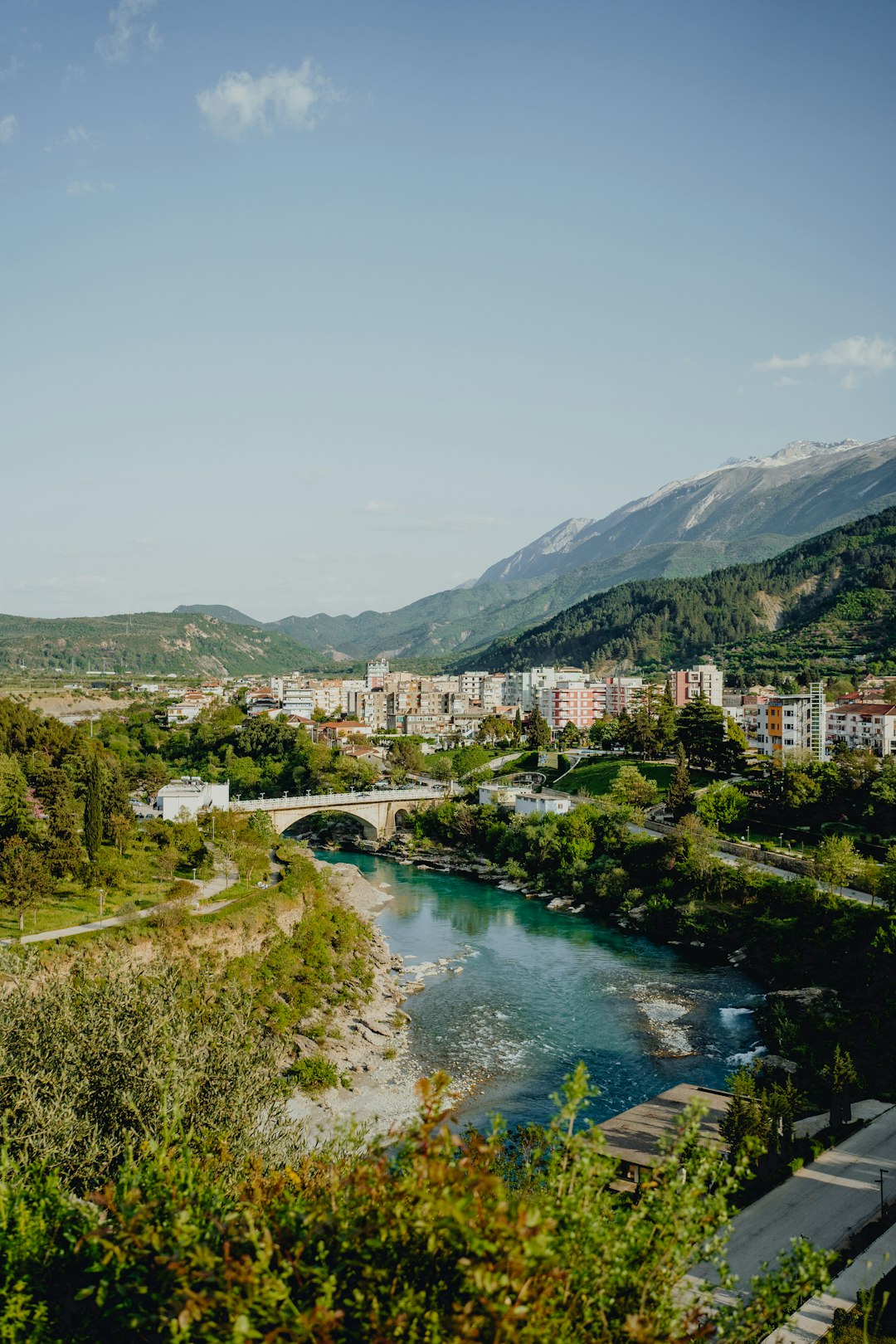
Use this Albania travel guide to map your journey and align stops with your interests.
Planning Your Albanian Adventure
For those inspired to discover Albania firsthand, a well-planned itinerary is essential. Start in Tirana, exploring its museums and vibrant neighborhoods. Immerse yourself in the local culture by visiting markets and dining at traditional restaurants. This initial exploration sets the stage for a deeper journey into Albania’s diverse landscapes.
Exploring Albania’s Natural Beauty
Venture to the Albanian Riviera for sun-soaked days by the sea, and journey into the Albanian Alps for an adventure amid stunning natural beauty. Whether hiking through mountain trails or lounging on pristine beaches, Albania’s natural attractions offer something for every traveler. Embrace the opportunity to connect with nature in this unspoiled paradise.
Uncovering Historical Treasures
Don’t miss the opportunity to visit historical sites like Berat and Gjirokastër, both UNESCO World Heritage sites, for a deeper understanding of Albania’s past. These cities offer a window into Albania’s rich history, with their well-preserved architecture and cultural landmarks. Exploring these sites provides a comprehensive view of Albania’s multifaceted heritage.
Travel Tips for Exploring Albania
These Albania travel tips cover currency, language, transportation, and cuisine.
Currency and Payments
Currency: The Albanian Lek (ALL) is the official currency. It’s advisable to carry cash, as credit card acceptance can be limited outside major cities. Familiarize yourself with currency exchange rates and locations to ensure smooth transactions during your trip.
Language and Communication
Language: While Albanian is the official language, many people, especially in tourist areas, speak English or Italian. Learning a few basic Albanian phrases can enhance your travel experience and foster connections with locals. Communication is key to navigating Albania’s vibrant culture.
Transportation and Mobility
Transportation: Public transportation is available, but renting a car can offer greater flexibility for exploring remote areas. Consider your travel itinerary and preferences when choosing transportation options. Whether you prefer the convenience of a rental car or the local charm of public transit, Albania’s transport network offers various ways to explore.
Culinary Delights
Cuisine: Indulge in Albanian cuisine, which offers a delightful mix of Mediterranean and Balkan flavors. Don’t miss traditional dishes like byrek (savory pastry) and tavë kosi (baked lamb with yogurt). Sampling local food is an integral part of experiencing Albania’s cultural richness and diversity.
Conclusion
If you’re compiling 10 interesting facts about Albania, this guide offers helpful context and invites you to discover Albania more deeply. Albania is a country of captivating contrasts, where ancient traditions meet modern developments, and natural beauty abounds. By exploring these fascinating facts about Albania, you gain a deeper appreciation for its rich history, diverse culture, and welcoming people. Whether you’re an intrepid traveler or a curious reader, Albania promises an unforgettable journey filled with discovery and wonder. Embrace the opportunity to uncover this hidden gem in Europe, and let Albania’s unique charm leave a lasting impression on your heart.