
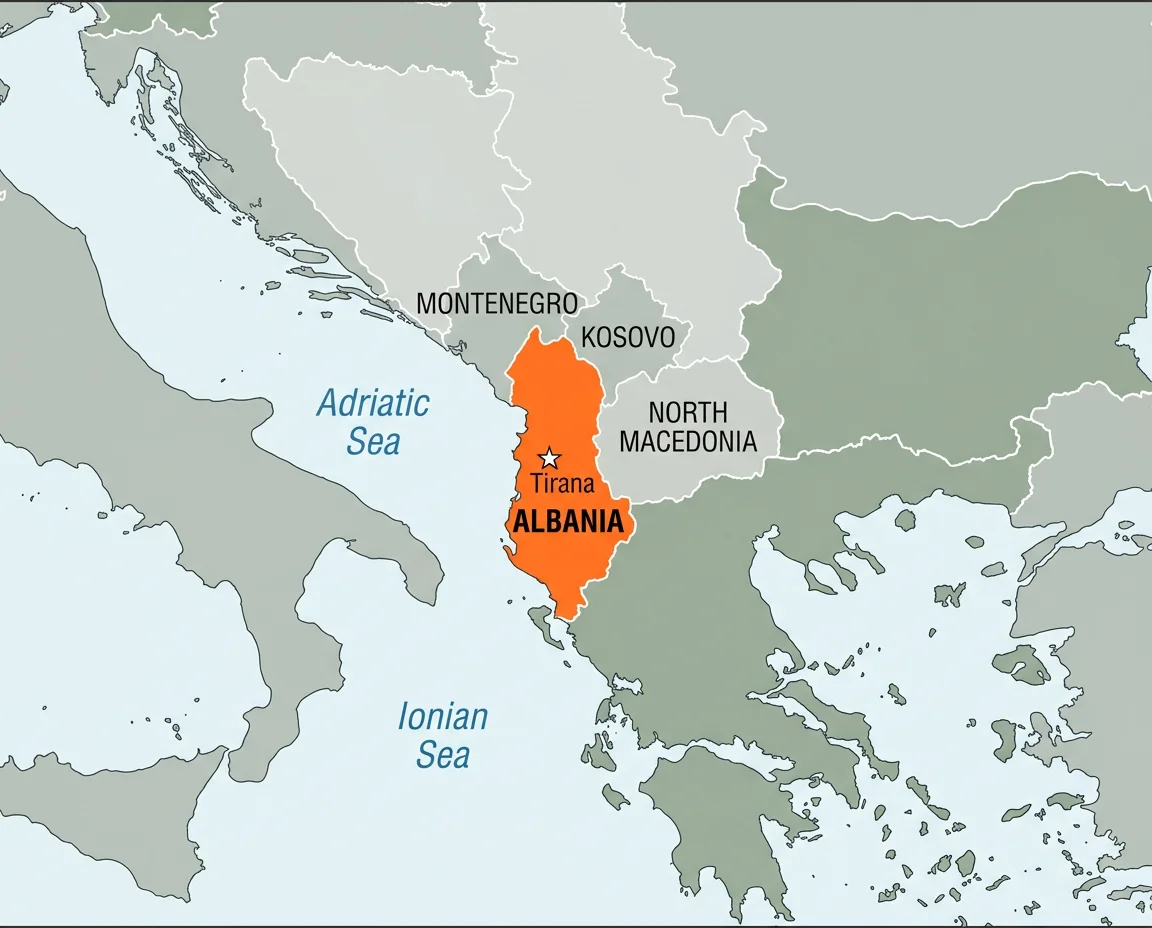
Where is the country albania located
Albania is a hidden gem in Southeastern Europe. It sits on the Balkan Peninsula, a region rich in history and culture.
This small country is bordered by Montenegro, Kosovo, North Macedonia, and Greece. Its western edge meets the Adriatic Sea, while the Ionian Sea lies to the southwest.
Tirana, the vibrant capital, is the heart of Albania. It is a city full of life, history, and modern charm.
Albania’s landscape is diverse and stunning. From majestic mountains to serene beaches, it offers something for every traveler.
The country boasts a rich tapestry of history. Influences from the Illyrians, Greeks, Romans, Byzantines, and Ottomans are evident throughout.
Albania is a member of NATO and aspires to join the European Union. This reflects its strategic importance in the region.
The official language is Albanian, one of Europe’s oldest languages. It has its own unique branch in the Indo-European family.
Albania’s currency is the lek, and its economy is growing, driven by agriculture, services, and tourism.
The climate is Mediterranean, with hot summers and mild winters. This makes it an attractive destination year-round.
Tourism is on the rise, with visitors drawn to the Albanian Riviera, historical sites, and natural parks.
Albania’s location on the world map is strategic. It serves as a crossroads of civilizations and a gateway to the Balkans.
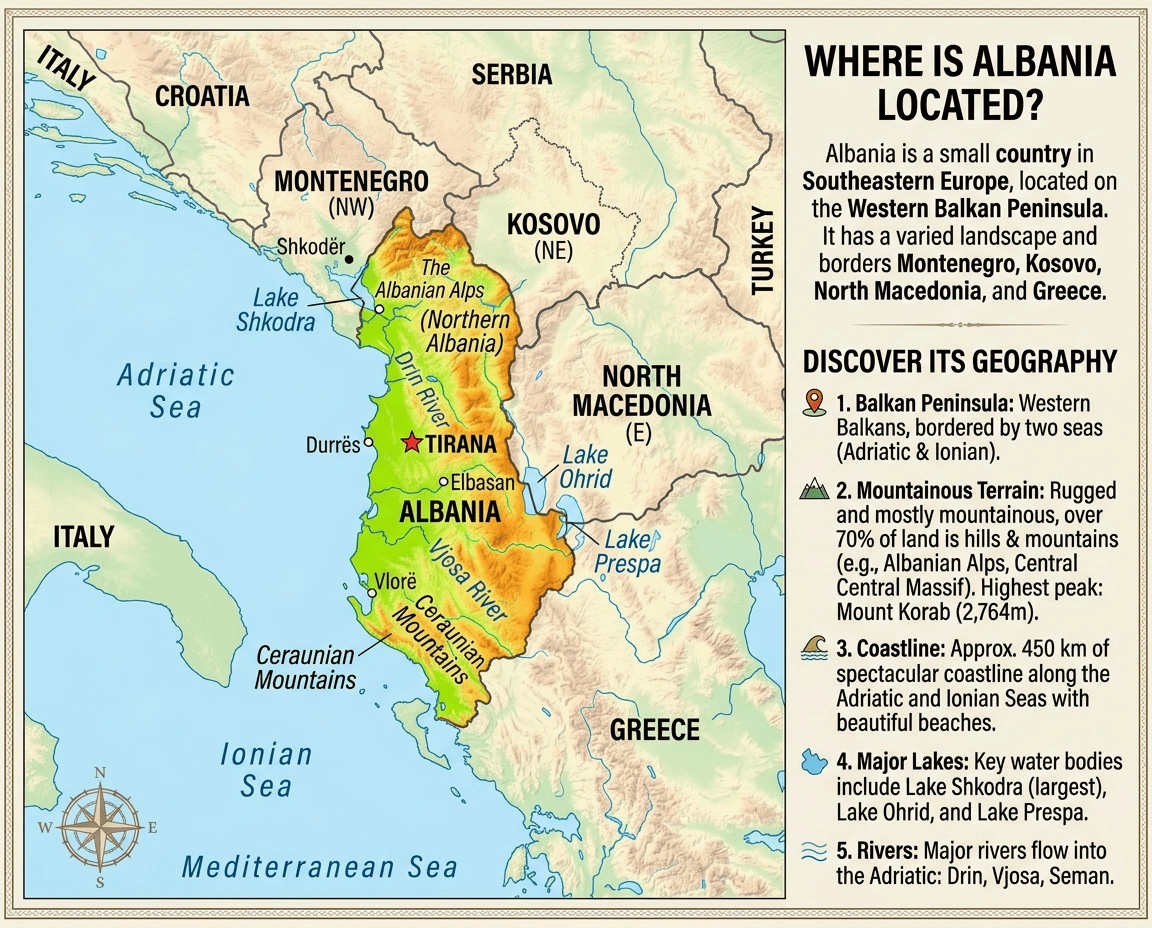
Understanding Albania’s Location: Where Is Albania on the Map?
Albania is nestled in Southeastern Europe. It occupies a prime spot on the Balkan Peninsula. This position makes Albania a crossroad of influences and cultures.
The country spans about 28,748 square kilometers. It is relatively small, yet rich in geographical diversity. This makes exploring Albania an exciting adventure.
On the eastern edge, Albania borders Kosovo and North Macedonia. These countries share cultural ties and history with Albania. Meanwhile, Greece lies to the south, influencing the cultural melting pot.
To the northwest, Montenegro marks the border. This region is characterized by rugged landscapes and beautiful coastlines. These neighboring countries enhance Albania’s strategic and cultural stature.
The Adriatic Sea flanks Albania to the west. This provides Albania with access to important maritime routes. Its shoreline extends for nearly 362 kilometers of stunning coastlines.
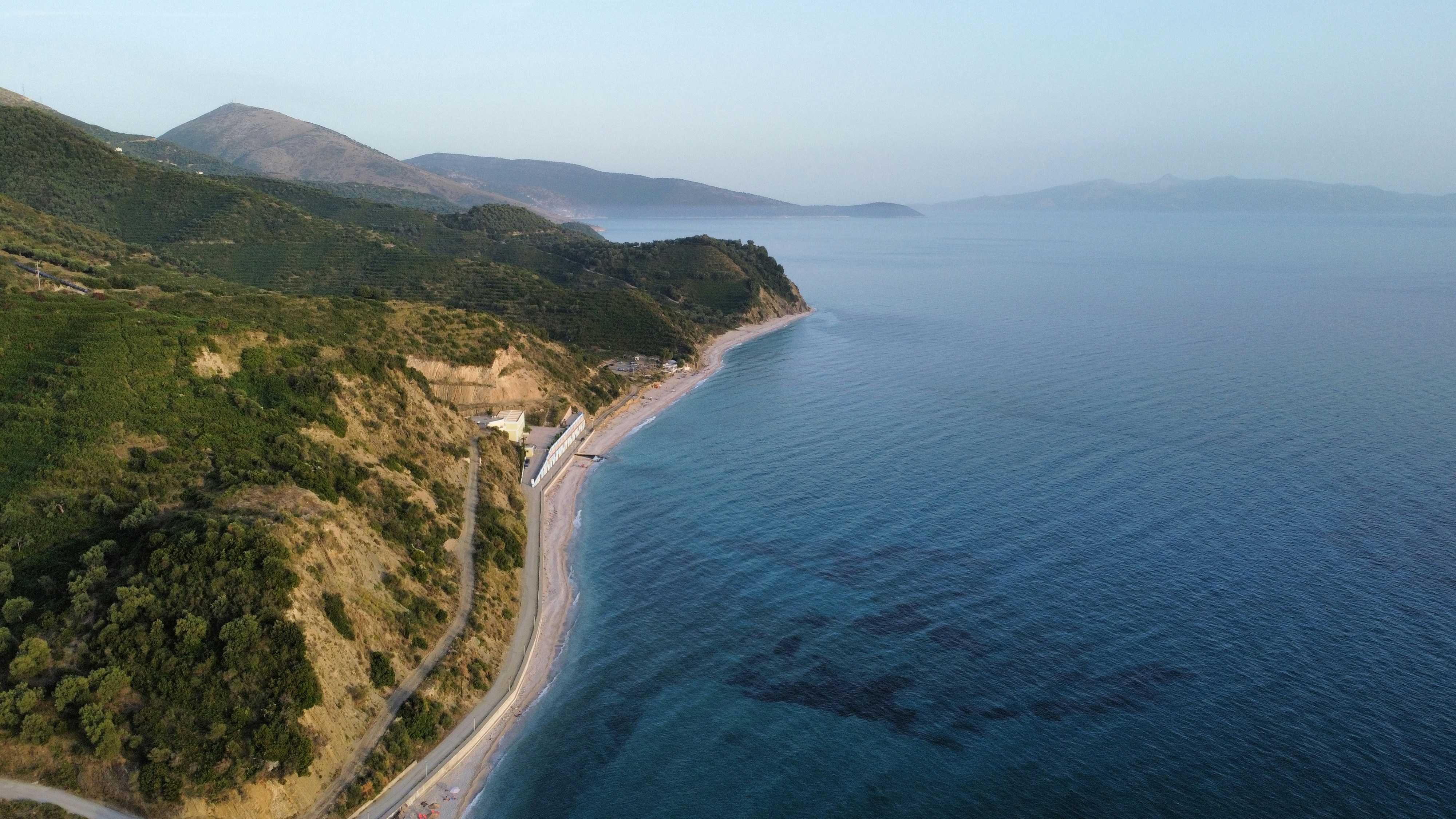
Toward the southwest, Albania is graced by the Ionian Sea. This area is known for its picturesque beaches and blue waters. It is part of what is commonly known as the Albanian Riviera.
Albania enjoys a Mediterranean climate, ideal for tourism. Its warm summers and mild winters attract visitors throughout the year. This climate is perfect for outdoor activities and exploration.
To summarize Albania’s location:
- Western Border: Adriatic Sea
- Southwestern Border: Ionian Sea
- Northwest: Montenegro
- Northeast: Kosovo
- East: North Macedonia
- South: Greece
Albania’s unique position offers rich travel opportunities. Its strategic location enhances its appeal as a destination. This country is ideal for those seeking new experiences.
by Ruslan Piliuta (https://unsplash.com/@piliuta)
Albania’s Borders and Neighboring Countries
Albania shares its borders with four countries, each contributing to its diverse cultural landscape. Positioned in Southeastern Europe, Albania is bordered by Montenegro, Kosovo, North Macedonia, and Greece. These neighbors make up a vital part of Albania’s regional identity.
To the northwest, Albania meets Montenegro. This border is characterized by scenic landscapes that include rugged mountains and serene Adriatic coastlines. The shared border fosters cultural and economic exchanges.
Kosovo lies to the northeast of Albania. This young country is connected to Albania through rich historical and cultural ties. The two nations share the Albanian language and deep-rooted traditions.
Albania’s eastern border is shared with North Macedonia. This boundary is marked by diverse natural landscapes, including lakes and mountains. Cooperation between the two countries enhances trade and tourism opportunities.
Greece borders Albania to the south. This border region is where Hellenic and Albanian cultures meet and blend. Both ancient and modern influences shape the region’s cultural tapestry.
Each of these neighboring countries offers unique relationships with Albania. The borders serve as gateways, facilitating trade, travel, and cultural interactions. This enriches the social and economic fabric of Albania.
A summary of Albania’s borders includes:
- Northwest: Montenegro
- Northeast: Kosovo
- East: North Macedonia
- South: Greece
The geographical features around these borders include stunning coastlines and mountain ranges. Albania’s position creates a natural blend of cultures and traditions. This makes the nation a fascinating destination for travelers.
The Albania Region: Geography and Landscape
Albania boasts a diverse and captivating geography, contributing to its unique charm. Nestled in the Balkan Peninsula, its landscapes vary from rugged mountain ranges to serene coastal shores. This diversity offers a wealth of natural beauty and exploration opportunities.
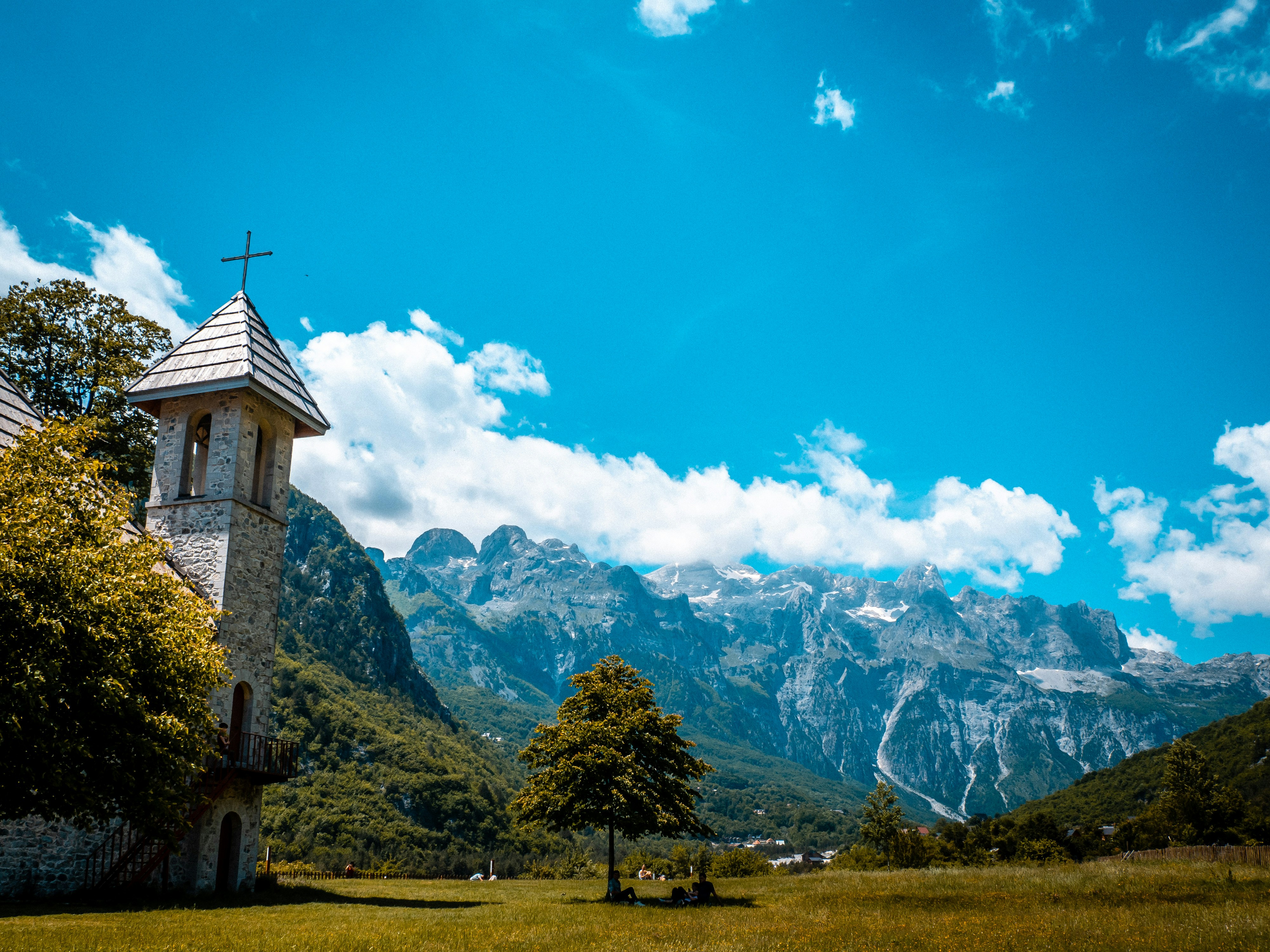
The Albanian Alps, also known as the Accursed Mountains, dominate the northern regions. These peaks offer stunning views and are a haven for hikers and nature lovers. Their dramatic terrains are among Albania’s most breathtaking natural features.
In the central part of Albania, rolling hills and fertile plains make up the heartland. This area is known for its agricultural abundance, providing a contrast to the highland’s ruggedness. Grains, olives, and vegetables thrive in these productive lands.
The southern region is home to the Albanian Riviera. This coastal stretch boasts sandy beaches, crystal-clear waters, and picturesque villages. The Ionian Sea bathes this area in a Mediterranean climate, ideal for seaside relaxation.
Albania’s landscape also includes serene lakes, each with its own allure. Lake Ohrid, shared with North Macedonia, is one of the oldest lakes in Europe. Its deep, clear waters are a vibrant ecosystem and a site of historical significance.
The country’s varied geography also includes numerous rivers. The Drin River is the longest, winding through the northern terrain before flowing into the Adriatic Sea. These waterways are vital for agriculture and provide beautiful scenery along their banks.
Albania’s diverse ecosystems support a wide range of flora and fauna. Protected areas such as national parks preserve its natural heritage. These parks, like Llogara and Valbona Valley, offer sanctuary to wildlife and pleasure to visitors.
In summary, Albania’s geography can be categorized as:
- Northern Region: Albanian Alps
- Central Region: Fertile Plains
- Southern Region: Albanian Riviera
- Lakes: Lake Ohrid and others
- Rivers: Drin River
This rich geographical variety creates habitats for numerous species and supports a vibrant natural environment. Visitors to Albania are often enchanted by its ecological diversity and stunning landscapes.
The country’s scenic beauty and variety of landscapes are key attractions for tourists. Whether seeking adventure in the mountains or relaxation on the beaches, Albania offers something for everyone. Its landscapes encapsulate the nation’s spirit and beauty.
by Adventure Albania (https://unsplash.com/@adventurealbania)
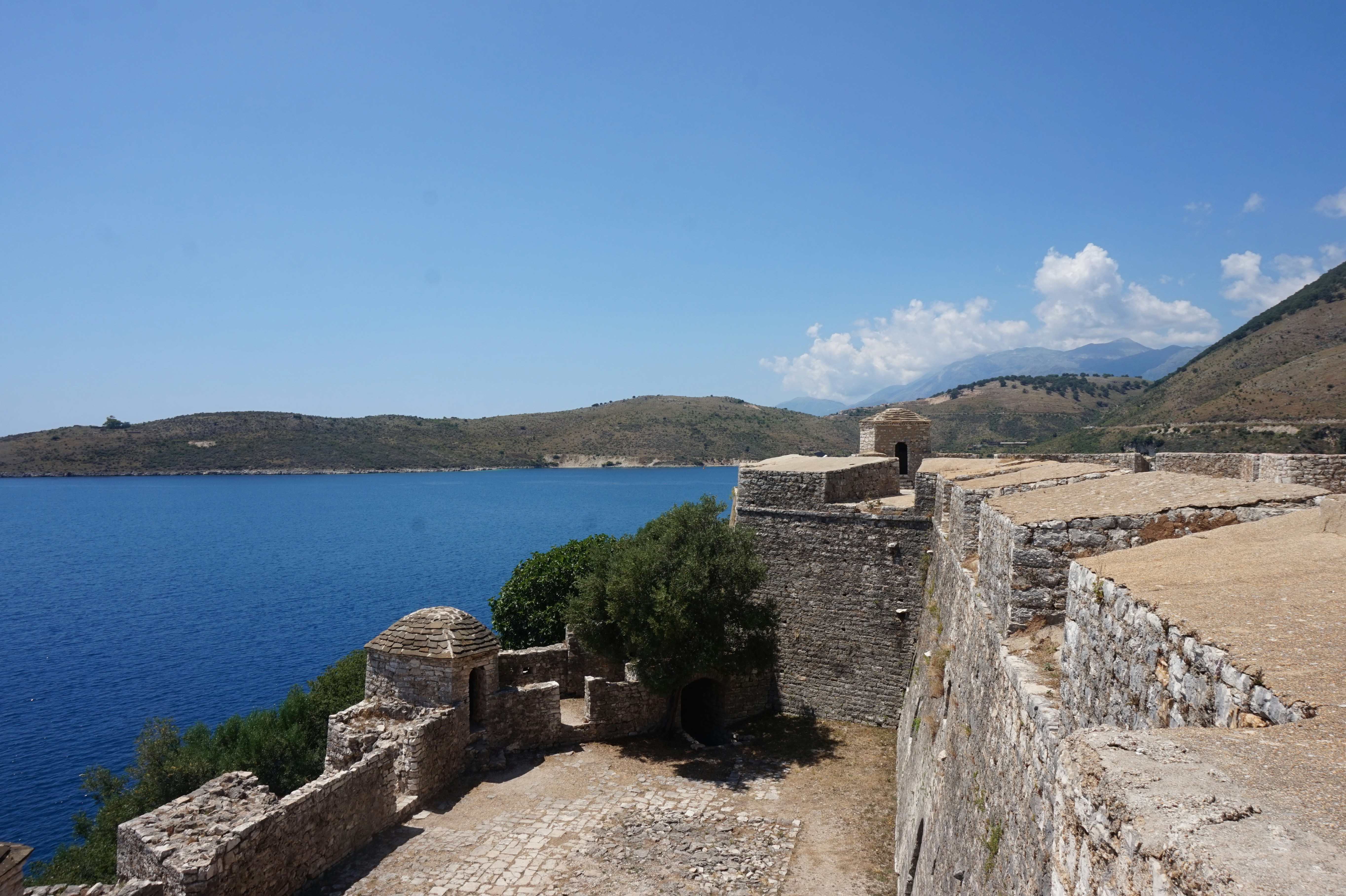
by Marie Volkert (https://unsplash.com/@marie_worldonabudget)
Albania on the World Map: Strategic Importance
Albania’s location on the world map highlights its strategic position in Southeastern Europe. It sits at the crossroads of major historical and trade routes, connecting Eastern and Western cultures. This pivotal position has shaped its past and continues to influence its present.
The country is nestled on the western part of the Balkan Peninsula. This positioning allows Albania direct access to the Adriatic and Ionian Seas. These water bodies provide crucial maritime routes for trade and connectivity.
Albania shares its land borders with several countries. To the northwest lies Montenegro, while Kosovo is to the northeast. North Macedonia flanks the eastern side, and Greece borders Albania to the south. This geographic setup plays a critical role in its relations with neighboring nations.
The proximity to Italy across the Adriatic Sea has historically made Albania an important link to the Western world. This relationship dates back to ancient times, with trade and cultural exchanges flourishing. Today, the connection remains relevant for economic and logistical exchanges.
Geopolitically, Albania’s position is crucial in the Balkans. The region has experienced a history of complex political dynamics. Being central to these fluctuations, Albania acts as a stabilizing influence in regional cooperation and diplomacy.
Albania’s position also contributes to its strategic significance within NATO. As a member since 2009, it supports various regional security and defense initiatives. Its location offers strategic advantages for military and peacekeeping operations in the area.
Additionally, Albania serves as an important transit hub. Its developing infrastructure improves access to key trade routes between Europe and the Middle East. This potential serves as a catalyst for future economic growth and integration.
Key aspects of Albania’s strategic importance include:
- Geopolitical Influence: Central in the Balkans
- Maritime Access: Adriatic and Ionian Seas
- Connectivity: Key transit routes for Europe and Middle East
- Historical Links: Cultural and trade ties, especially with Italy
Understanding Albania’s place on the world map underscores its role as a dynamic center of cultural and economic exchange. Its strategic importance continues to shape Albania’s economic policies and foreign relations.
Albania’s strategic location also enhances its tourism appeal. Visitors can easily reach the country from various parts of Europe. This access boosts tourism, contributing significantly to Albania’s growing economy.
In essence, Albania’s geographic position offers it unique advantages and challenges. The country uses these elements to craft its modern identity and foster global relationships.
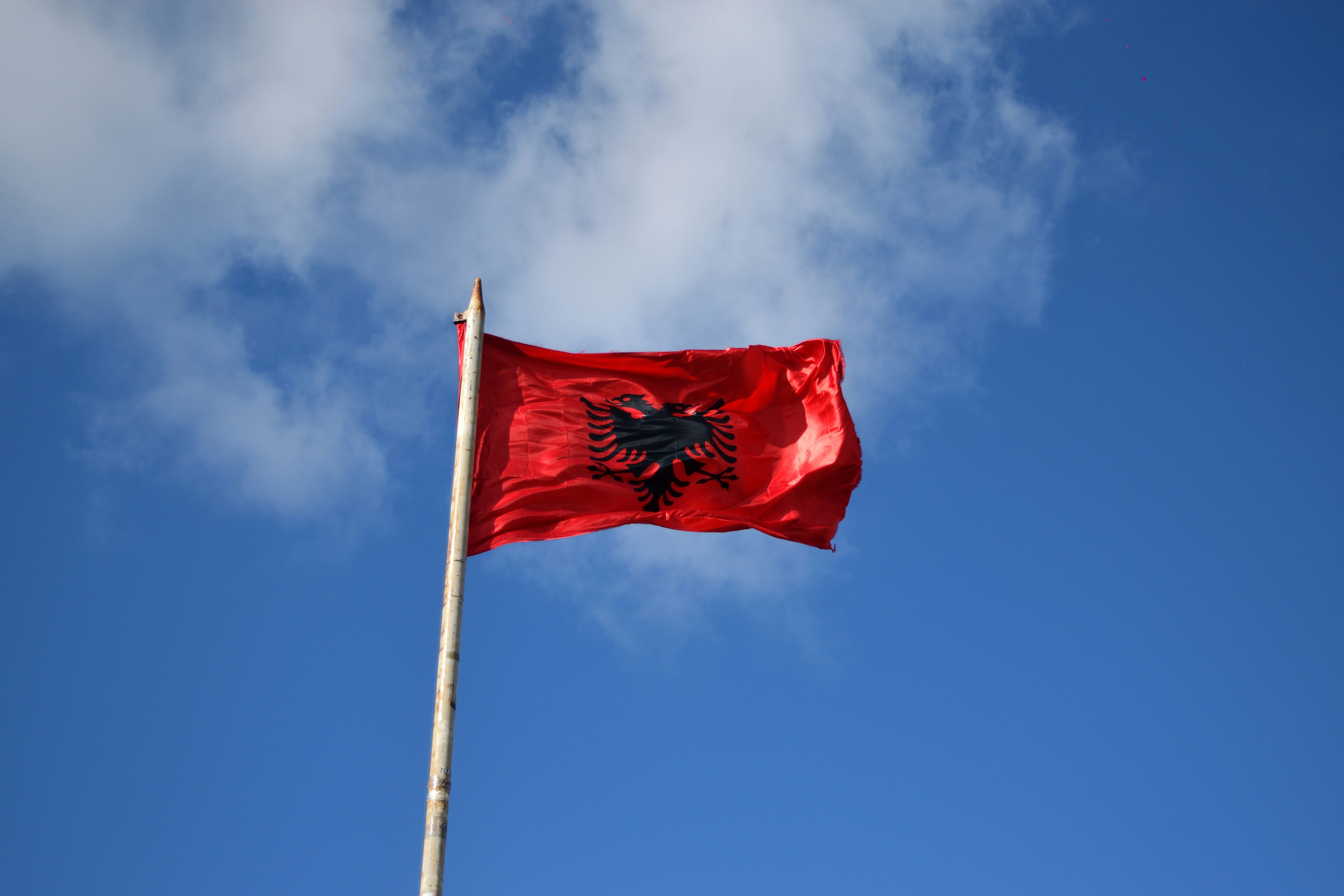
by Lezian Ilir (https://unsplash.com/@mysitcal1)
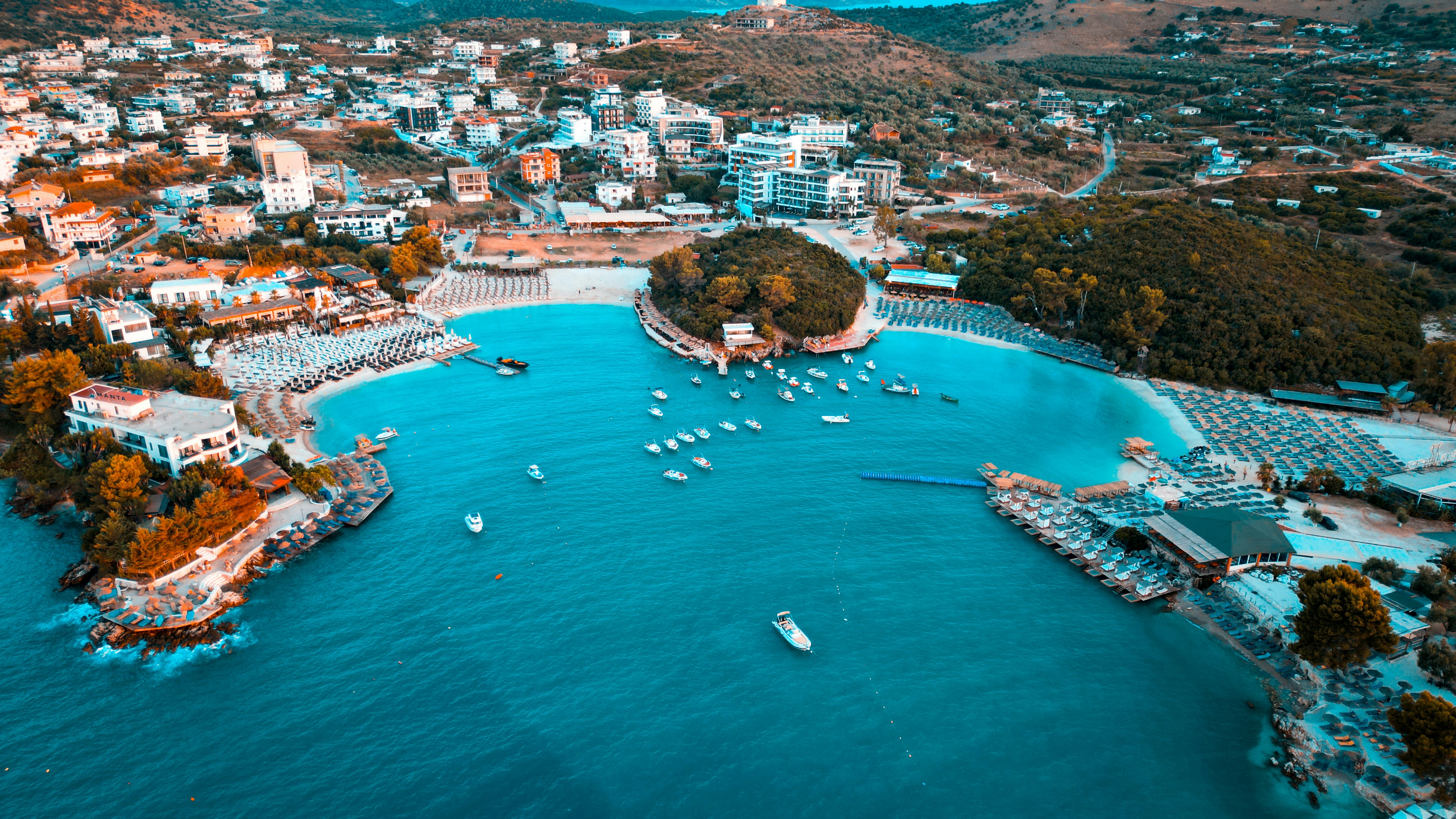
by Nikos Kavvadas (https://unsplash.com/@nikoslefkas)
Albania’s Climate and Natural Environment
Albania boasts a varied climate due to its diverse geography. The country experiences a Mediterranean climate, characterized by hot, dry summers and mild, wet winters. This climate pattern supports a rich natural environment, with vibrant flora and fauna.
The coastal regions of Albania enjoy warm temperatures and ample sunshine. These conditions are ideal for beach activities and marine tourism. Visitors flock to the Albanian Riviera, enticed by its stunning coastal scenery.
Inland regions present a contrast with more continental influences. Here, winters can be cooler, especially in elevated areas. The mountain ranges, such as the Albanian Alps, offer breathtaking landscapes and snow-capped peaks.
Albania’s natural environment is diverse, encompassing mountains, lakes, and valleys. This diversity supports varied ecosystems and numerous endemic species. Conservation efforts are crucial to protect this rich biodiversity.
The country’s rivers and lakes provide vital habitats for wildlife. Lake Ohrid, a UNESCO World Heritage Site, is one of the oldest lakes in Europe. It supports unique species and offers insights into ancient ecosystems.
Forests cover a significant portion of the country, housing diverse plant and animal life. These green areas are important for ecological balance and contribute to Albania’s natural beauty. They also provide recreational spaces for hiking and exploration.
Key features of Albania’s climate and environment include:
- Mediterranean Climate: Hot, dry summers; mild, wet winters
- Diverse Landscapes: Coastal areas, mountains, lakes, and forests
- Unique Biodiversity: Endemic flora and fauna
- Conservation Areas: National parks and protected sites
Albania’s commitment to preserving its natural environment is evident in its national parks and protected areas. Sites like Llogara and Valbona Valley offer opportunities for ecotourism and exploration.
These protected areas highlight Albania’s efforts to balance tourism with environmental preservation. Such initiatives support the country’s goal of sustainable development and responsible tourism.
Overall, Albania’s climate and natural environment offer diverse experiences for visitors and nature enthusiasts. The country’s varied landscapes and rich biodiversity make it a unique destination in the Balkans.
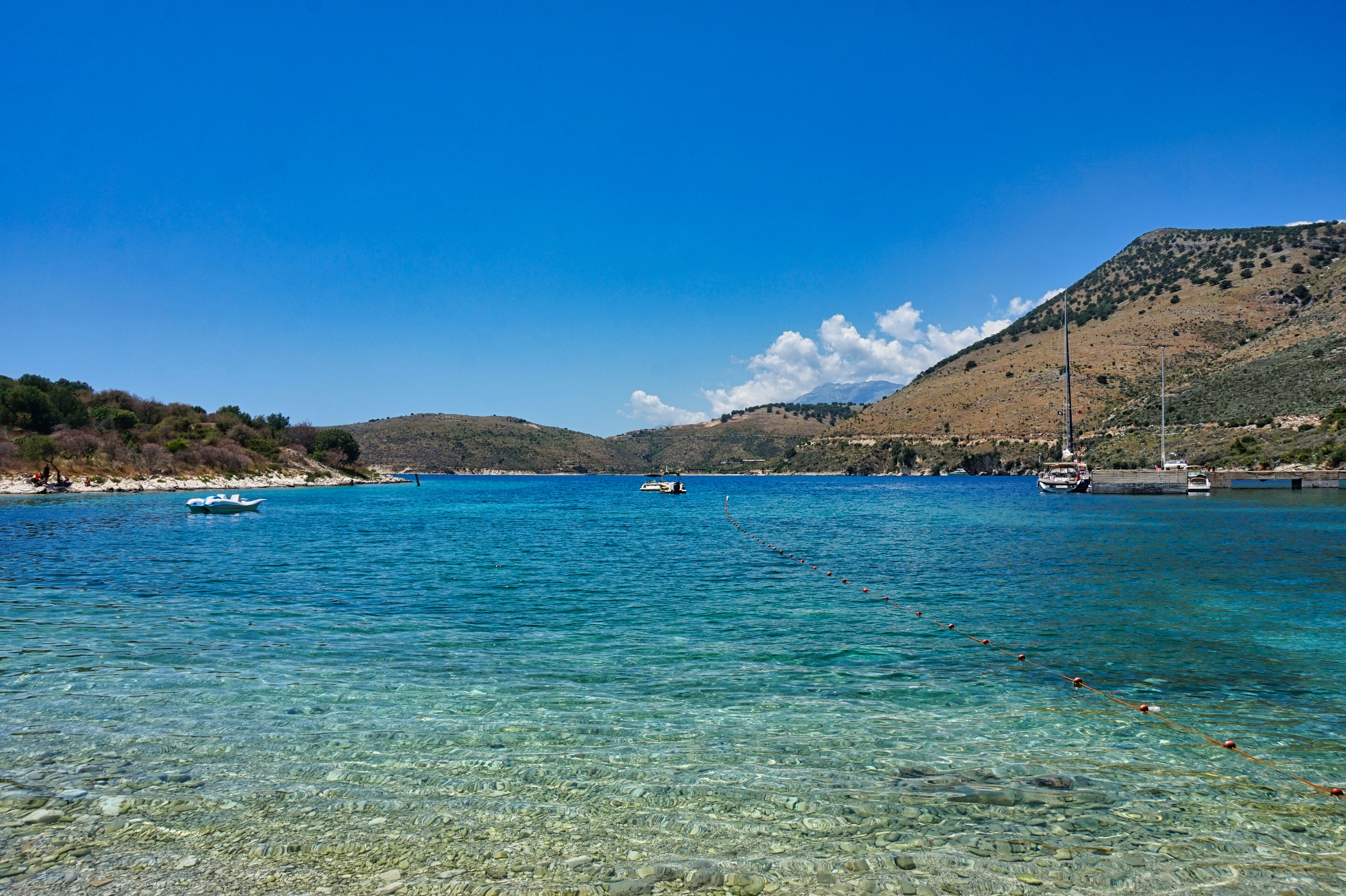
by Marie Volkert (https://unsplash.com/@marie_worldonabudget)
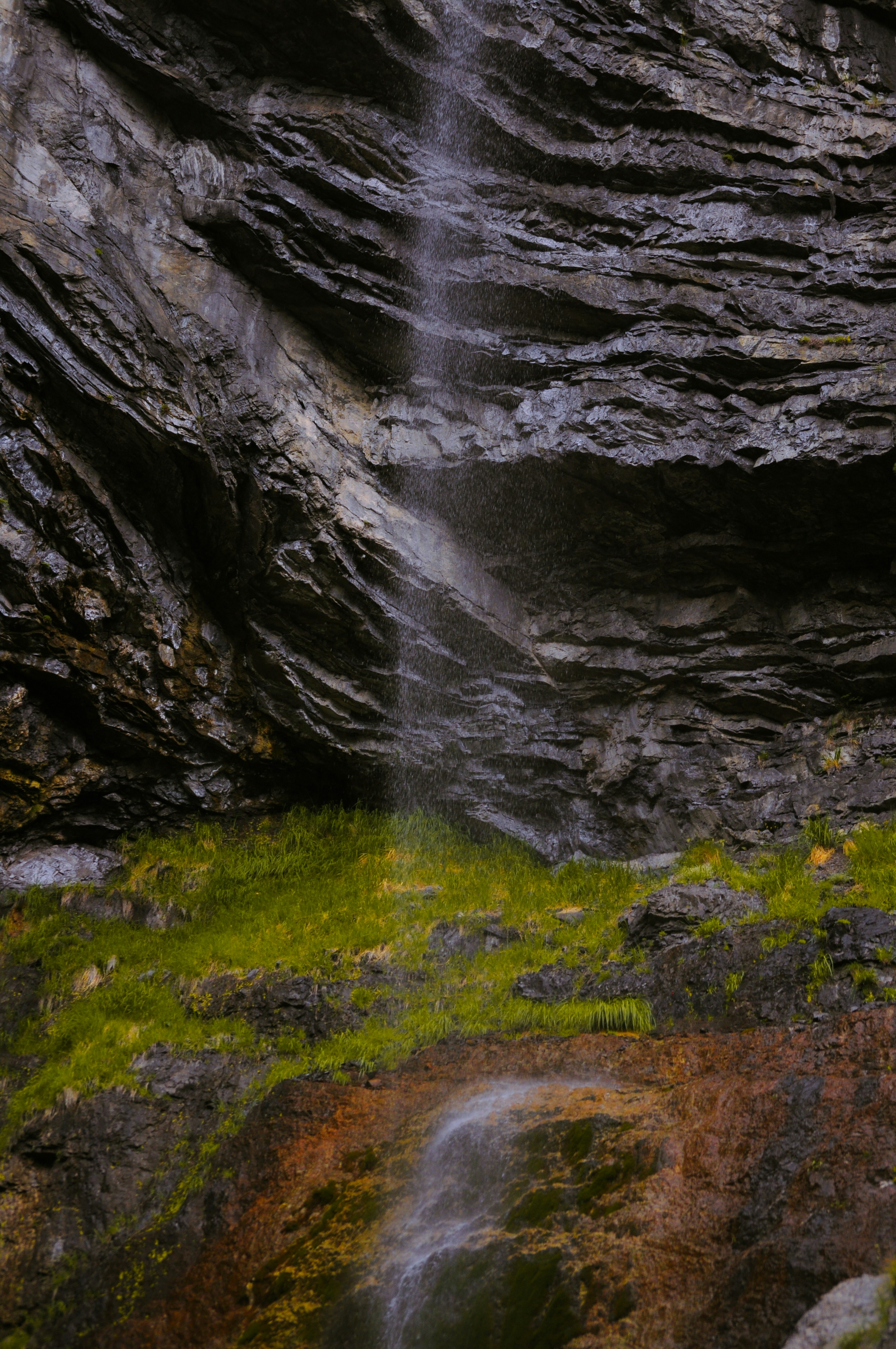
by Elinda Gjonomadhi (https://unsplash.com/@elinda_g)
A Brief History of Albania’s Location and Identity
Albania’s history is closely tied to its geographical location on the Balkan Peninsula. This strategic position made it a crossroads of civilizations throughout history. As a result, Albania has absorbed various cultural influences over the centuries.
In ancient times, the territory was inhabited by Illyrian tribes. These people were known for their resilience and distinct cultural practices. The Greek and Roman empires later exerted significant influence on the region, leaving behind a rich archaeological legacy.
The Byzantine Empire also played a significant role in shaping Albania’s historical identity. Byzantine rule brought about religious and cultural changes, influencing the region’s art and architecture. This period introduced Christianity, which would later compete with other belief systems.
Ottoman rule had the most lasting impact on Albania’s identity. The empire controlled the region from the 15th to early 20th centuries. During this time, many Albanians adopted Islam, adding to the country’s diverse religious tapestry.
The struggle for independence was a pivotal chapter in Albania’s history. In 1912, Albania proclaimed its independence from the Ottoman Empire. This marked the start of a new national identity separate from foreign domination.
Albania endured a period of communist rule from 1946 to 1992. This era reshaped the nation’s political landscape and left enduring legacies in its social structure. The collapse of communism prompted a transition to a parliamentary republic and economic reforms.
Albania’s quest for identity is also reflected in its rich linguistic heritage. The Albanian language is one of the oldest in Europe, contributing to the country’s unique cultural fabric. Its preservation is a testament to the nation’s resilience and pride.
Significant points in Albania’s historical journey include:
- Illyrian Tribes: Indigenous people with distinct cultural practices
- Greek and Roman Influence: Architectural and cultural legacies
- Byzantine Rule: Introduction of Christianity and artistic developments
- Ottoman Empire: Long-lasting influence on religion and culture
- Independence: Proclaimed in 1912, marking a new era
- Communist Era: 1946-1992, political and social transformation
- Language: Albanian as one of Europe’s oldest languages
Today, Albania celebrates its cultural diversity, honoring its complex history. Festivals, traditions, and a vibrant arts scene reflect the nation’s rich heritage. These elements continue to shape Albania’s identity as it navigates the modern world.
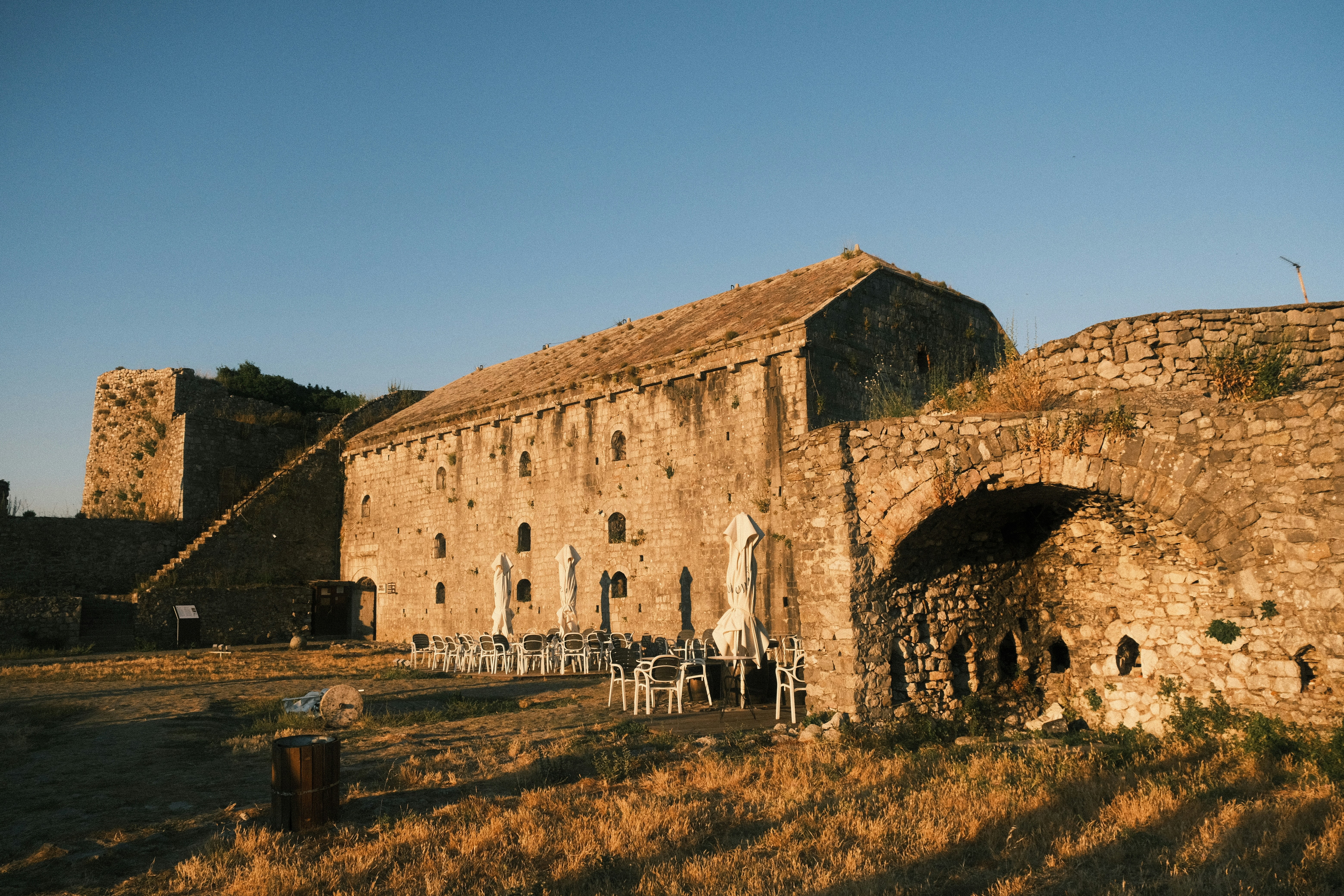
by Fatih Beki (https://unsplash.com/@mfbeki)
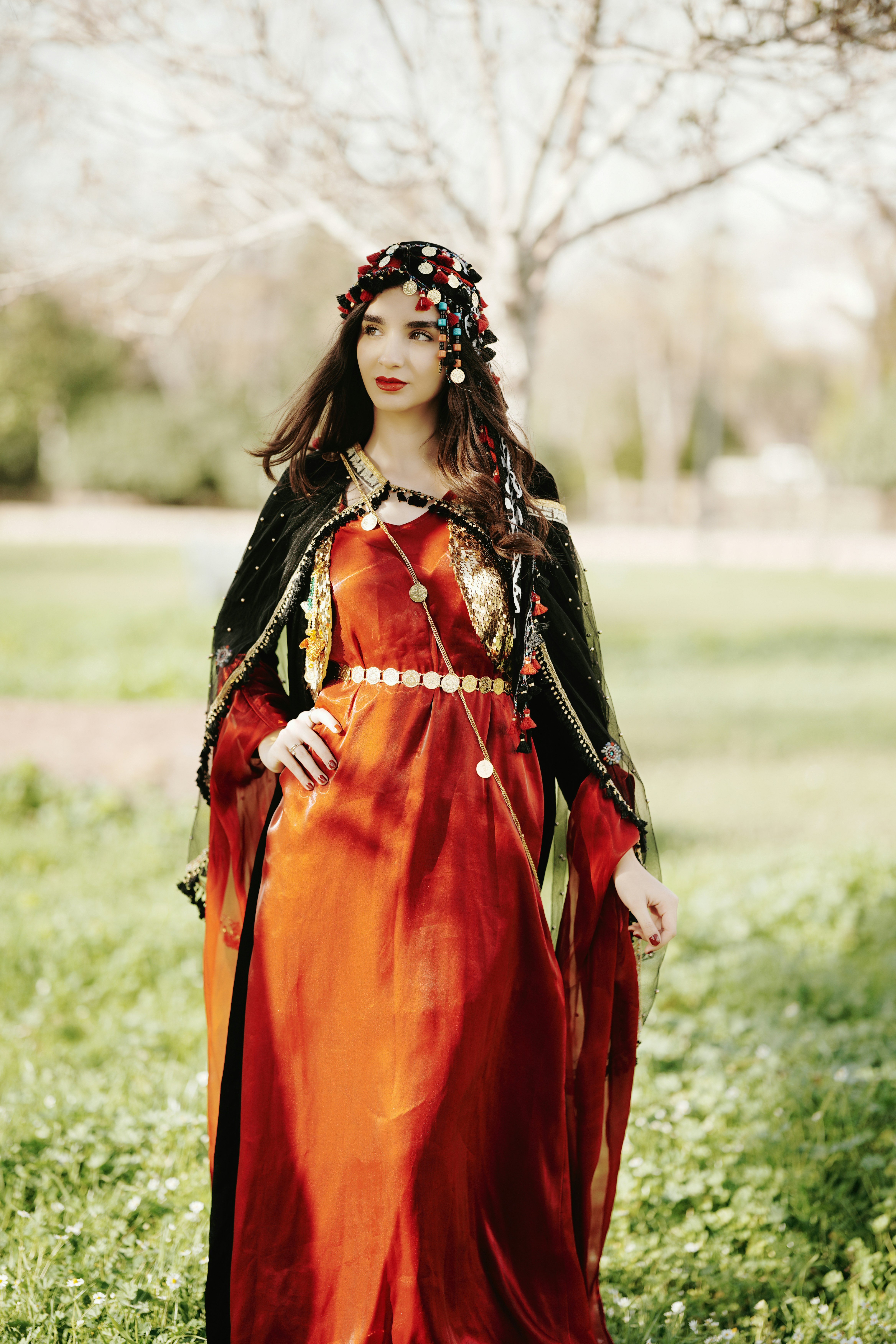
by lhon karwan (https://unsplash.com/@lhonkarwanhamasalih)
Albania’s Administrative Divisions and Major Cities
Albania is divided into 12 administrative counties, each with its unique character. These counties are the primary subdivisions of the nation. They provide a framework for governance and local administration.
The capital city, Tirana, is located in the Tirana County. It serves as Albania’s political, economic, and cultural center. Tirana is known for its vibrant energy and diverse population.
Shkodër, one of the oldest cities in the country, is the cultural heart of northern Albania. It’s located in the county of the same name. Shkodër boasts rich historical sites and scenic landscapes.
Durrës, in the Durrës County, is Albania’s main port city. It has a long history dating back to ancient times. The city is famous for its ancient Roman amphitheater.
Vlorë, located in the Vlorë County, is another prominent city in Albania’s southern region. It holds significant historical importance as the site where independence was declared. Vlorë’s coastal location makes it a popular tourist destination.
Berat, a UNESCO World Heritage Site, is situated in the Berat County. Known as the “City of a Thousand Windows,” it is famed for its Ottoman-era architecture. Berat offers a glimpse into Albania’s rich architectural past.
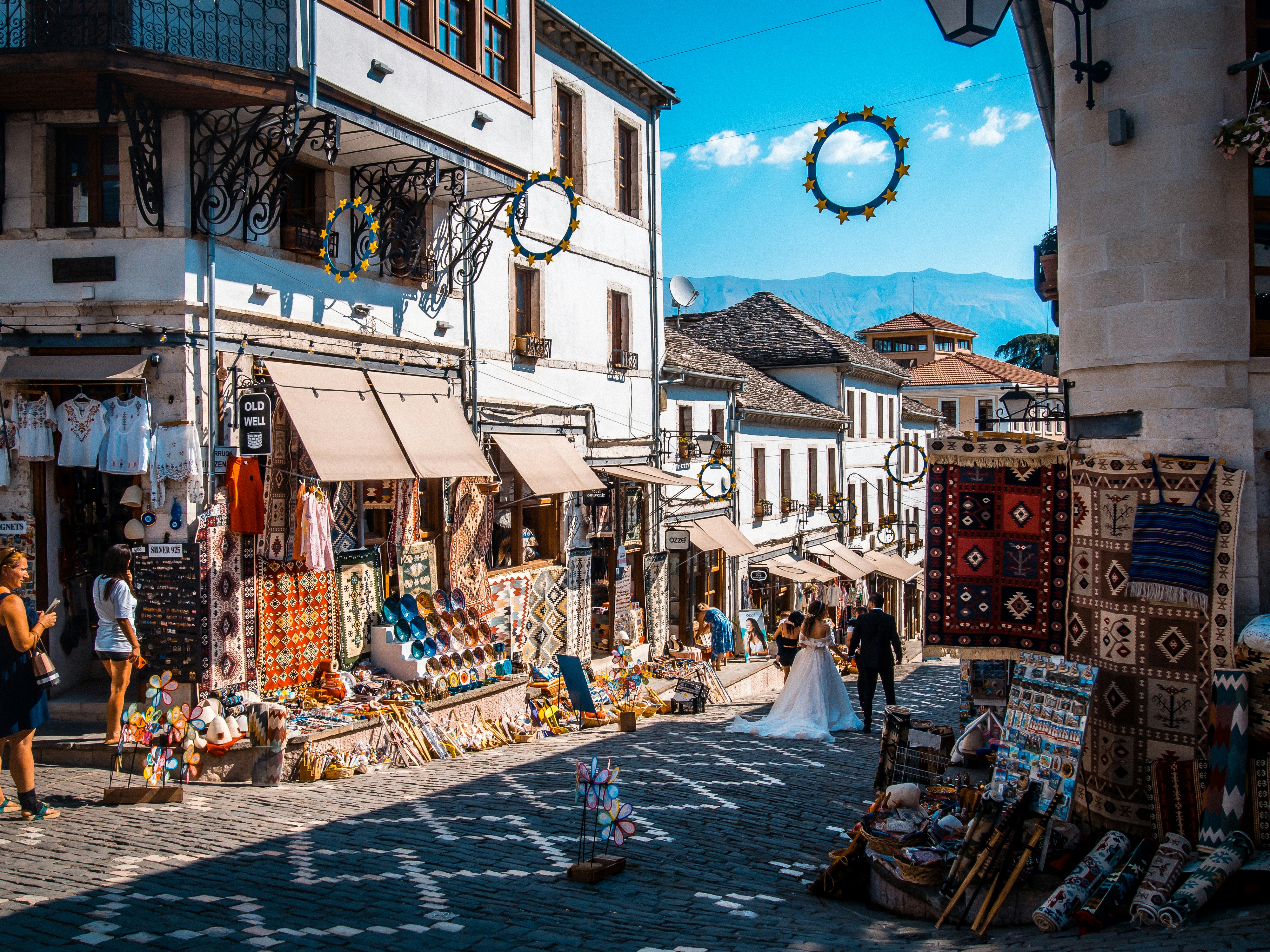
Gjirokastër, also a UNESCO site, is located in the Gjirokastër County. It’s renowned for its well-preserved Ottoman architecture. The city is often referred to as the “Stone City.”
Important points to note about Albania’s administrative divisions:
- Tirana County: Hosts the bustling capital city
- Shkodër County: Historical and cultural hub
- Durrës County: Main port and ancient city
- Vlorë County: Coastal city with historical significance
- Berat County: UNESCO site with Ottoman charm
- Gjirokastër County: Stone City with preserved heritage
In the south, the city of Sarandë is known for its stunning beaches. It is located in the Vlorë County and serves as a gateway to the Greek island of Corfu. Sarandë is a favorite among tourists, particularly in the summer.
Each city and county in Albania offers a unique blend of history, culture, and natural beauty. Together, they contribute to the country’s diverse and rich mosaic. These administrative divisions facilitate regional governance while preserving local traditions.
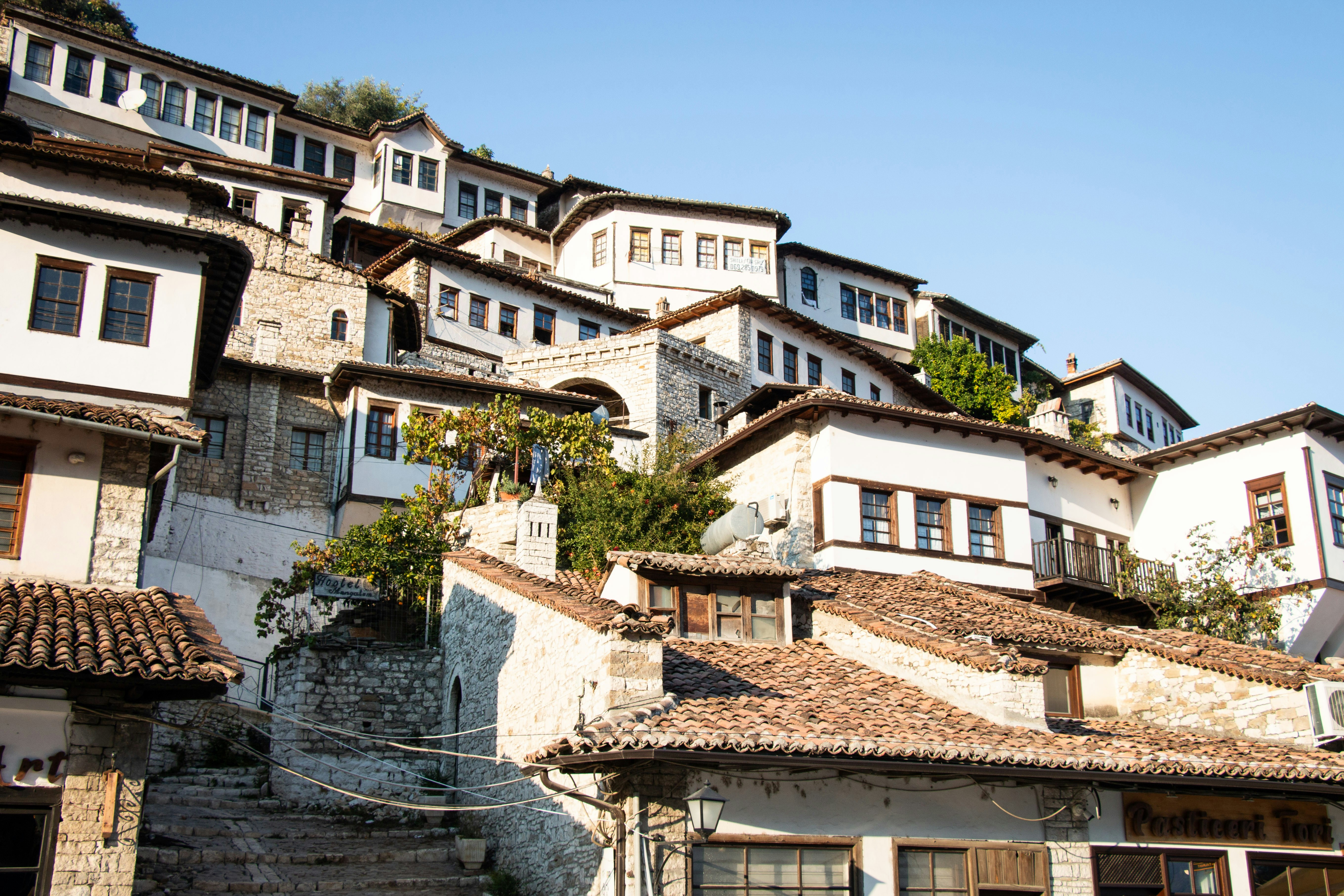
by Konpasu.de (https://unsplash.com/@konpasude)
Albania’s Culture and Heritage: Influences of Location
Albania’s culture is a rich tapestry of influences from its geographical location. Positioned at the crossroads of Europe, it has absorbed diverse traditions over centuries.
This Balkan nation reflects a blend of Eastern and Western influences. It has been shaped by various civilizations, including the Illyrians, Greeks, Romans, Byzantines, and Ottomans.
The country’s architectural heritage showcases this diversity. Ottoman-era buildings stand alongside Roman ruins, telling stories of Albania’s complex past.
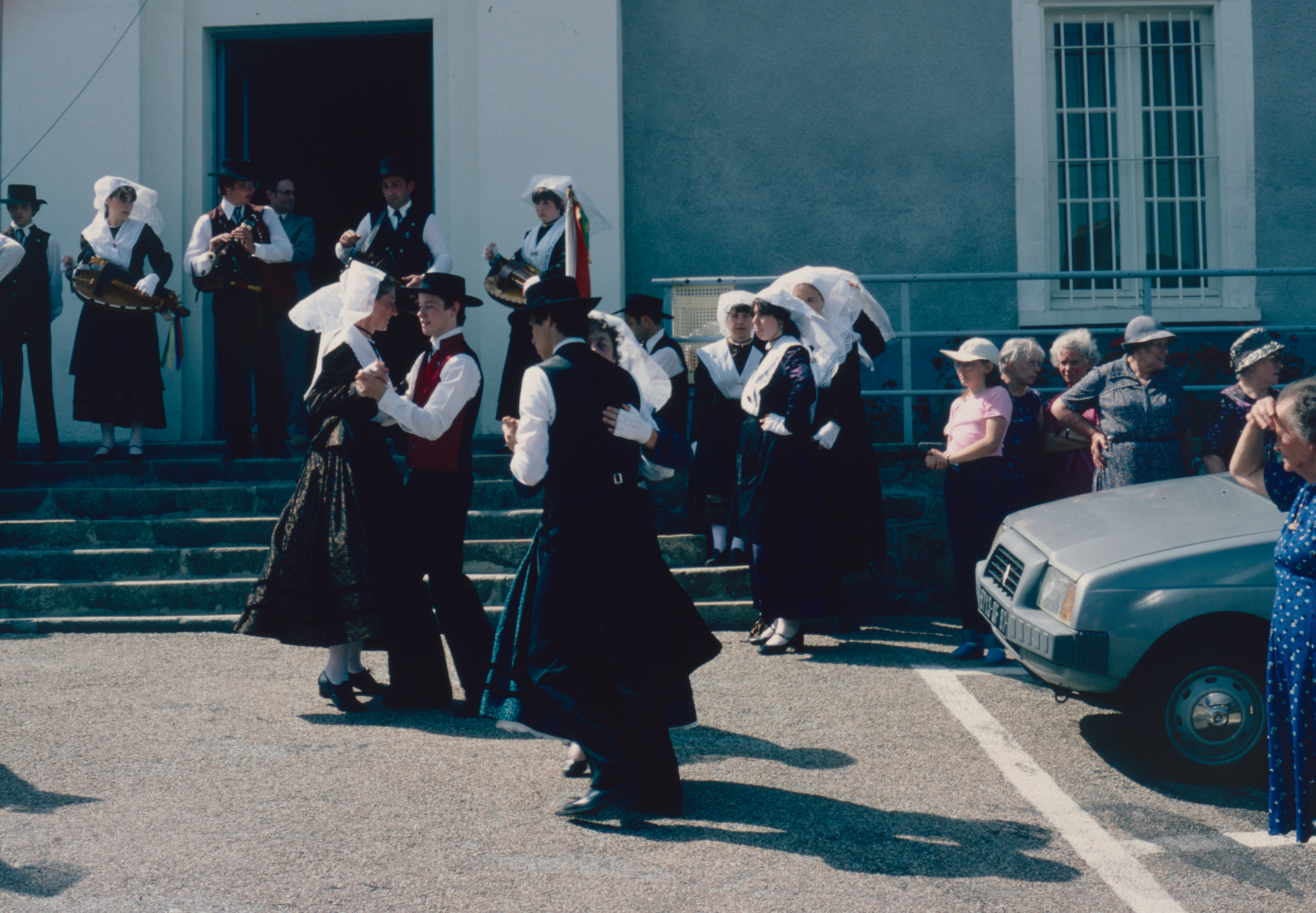
Traditional Albanian music is also a testament to its cultural fusion. Instruments like the çifteli and lahuta are used in folk tunes. These melodies often carry traces of both Byzantine and Ottoman influences.
Albanian cuisine mirrors the Mediterranean. It is characterized by a mix of flavors and ingredients. Staple dishes include byrek, a savory pastry, and tavë kosi, a baked lamb with yogurt.
Religious diversity is another hallmark of Albania’s cultural landscape. Islam, Christianity, and Bektashi coexist peacefully in the nation. This harmony is celebrated in many cultural festivals throughout the year.
Albanian folklore is rich with legends and oral traditions. These stories are passed down through generations, preserving cultural identity. The Epic of Kreshnikëve is a significant part of its folk literature.
Cultural events and festivals play a vital role in everyday life. They bring communities together and celebrate Albania’s unique identity.
Key highlights of Albania’s cultural heritage:
- Architecture: Ottoman and Roman styles
- Music: Influences from Byzantine and Ottoman cultures
- Cuisine: Mediterranean with Balkan influences
- Religion: Diverse and harmonious coexistence
- Folklore: Rich oral traditions and epic tales
- Festivals: Celebrate diversity and cultural unity
These cultural elements are not just historical remnants. They are living traditions that continue to evolve and shape national identity. They bind the Albanian people together and offer a window into the past.
In recent years, there has been a renewed interest in preserving and promoting this heritage. Efforts are underway to protect Albania’s historical sites and cultural practices. This commitment helps maintain its cultural legacy for future generations.
by Annie Spratt (https://unsplash.com/@anniespratt)
by Adventure Albania (https://unsplash.com/@adventurealbania)
Albania Inbound – Travel and Tours: Exploring Albania
Exploring Albania is an adventure waiting to happen. This small Balkan country offers a rich blend of culture, history, and natural beauty. With Albania Inbound – Travel and Tours, you can discover all these and more.
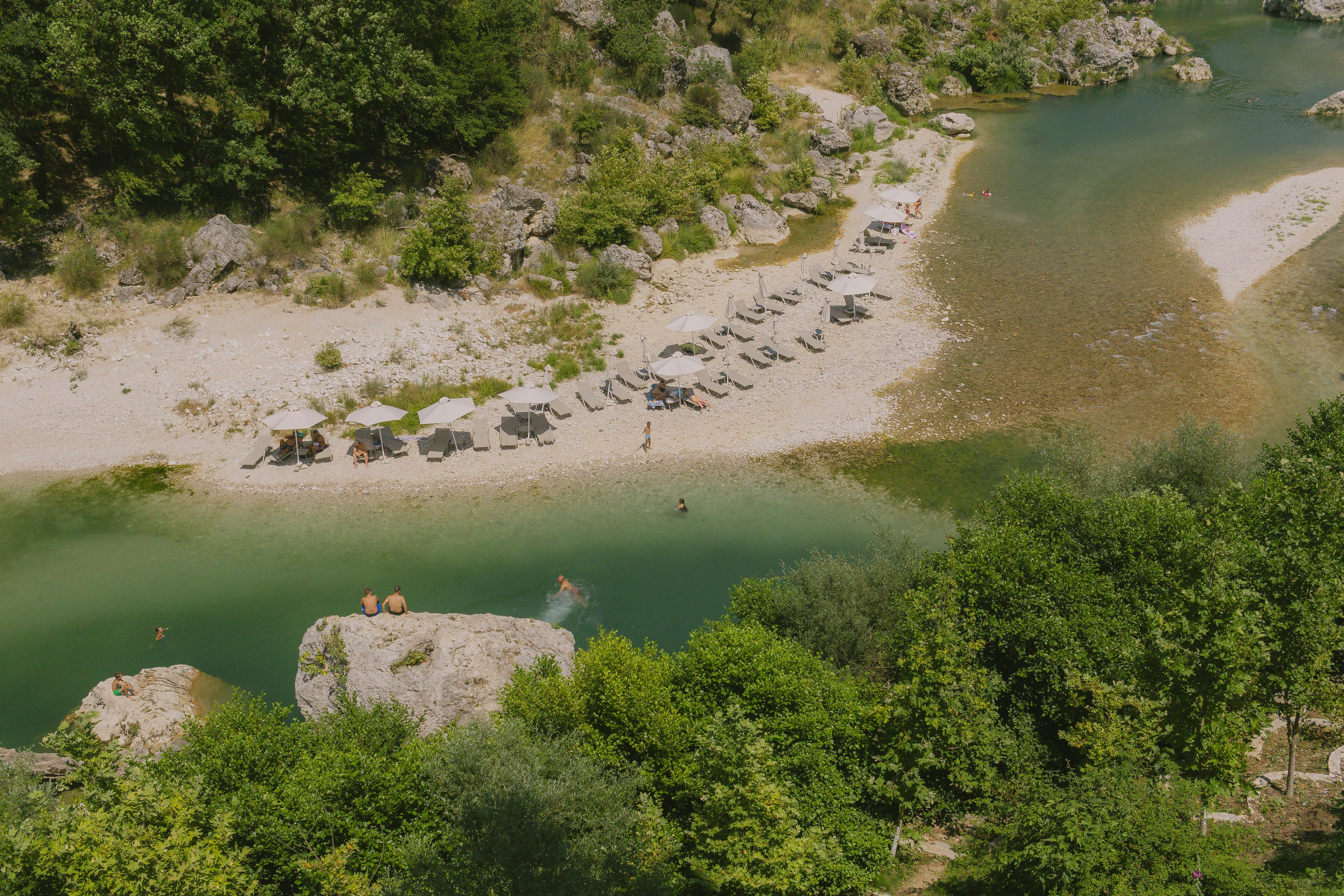
Albania’s diverse landscape provides numerous travel opportunities. From its pristine beaches to majestic mountain ranges, the options are endless. Travelers can dive into the crystal-clear waters of the Ionian Sea or hike through the remote Albanian Alps.
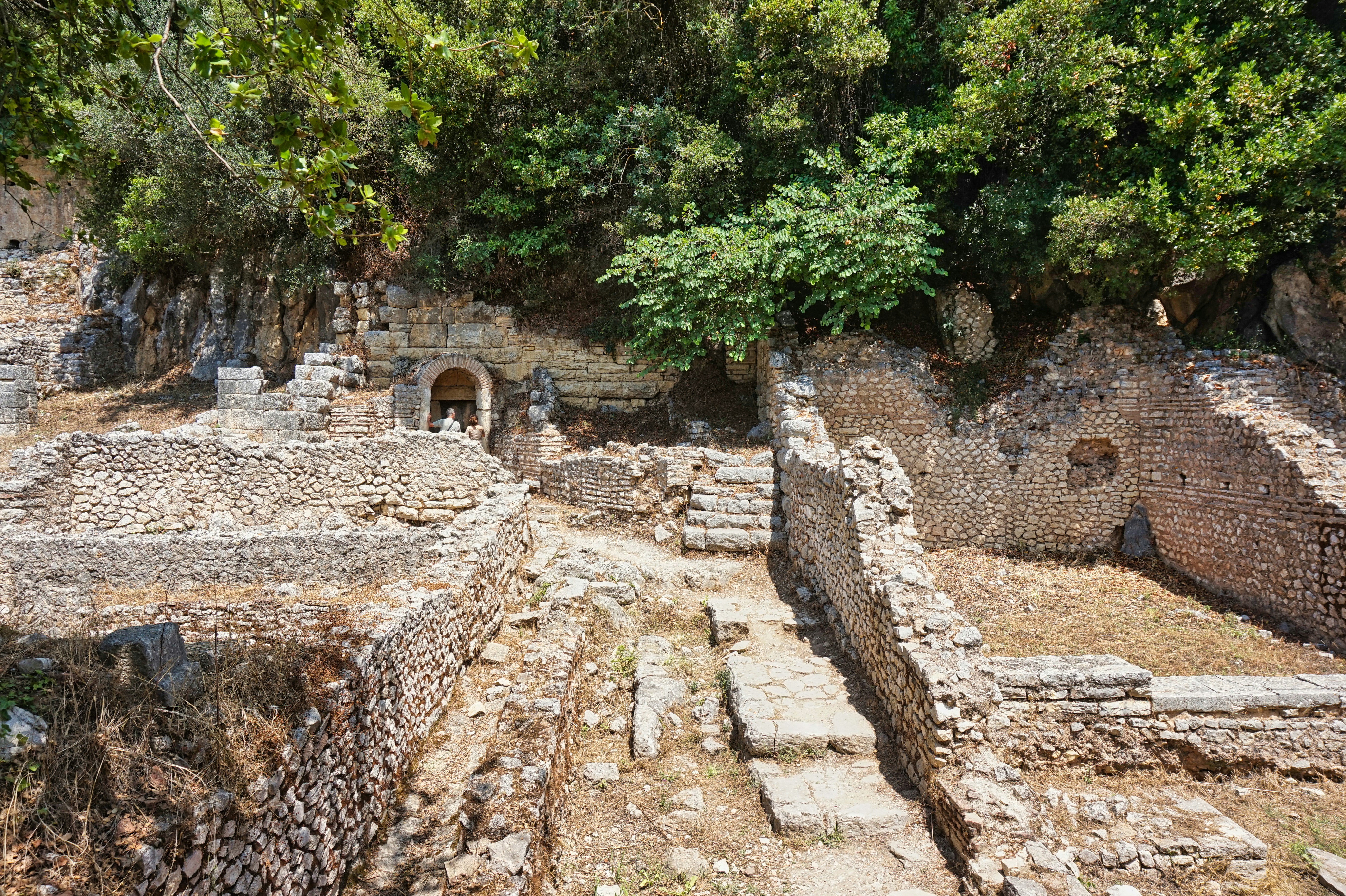
Cultural and historical tours are another highlight. Visitors can explore ancient ruins, medieval castles, and UNESCO World Heritage Sites. Cities like Gjirokastër and Berat are perfect for history enthusiasts.
Albania Inbound offers personalized tours to suit varied interests. Whether you are interested in history, nature, or culinary delights, there’s a tour for you. Customized itineraries allow you to experience Albania at your own pace.
Adventure lovers can enjoy activities such as kayaking, mountain biking, and paragliding. The stunning Albanian Riviera is a hotspot for water sports. Meanwhile, the serene landscapes of Northern Albania offer excellent trekking opportunities.
Gastronomic tours introduce travelers to Albania’s unique cuisine. Local markets and restaurants offer delights like byrek, kebabs, and fresh seafood. Tourists can even participate in cooking classes to learn how to prepare these traditional dishes.
Friendly locals add to the charm of traveling in Albania. Known for their hospitality, Albanians welcome visitors with open arms. Their warmth and generosity enrich any travel experience.
To ensure a seamless journey, Albania Inbound provides comprehensive travel services. This includes accommodation bookings, transport arrangements, and local guides. These experts enhance your visit with insights into Albanian culture and history.
Key aspects of Albania Inbound – Travel and Tours:
- Customizable travel itineraries
- Cultural and historical explorations
- Adventure and outdoor activities
- Culinary experiences and cooking classes
- Comprehensive travel services
Albania’s growing tourism industry is a testament to its appeal. Discover the beauty and diversity of this remarkable country with a trusted travel partner.
by Arlind Photography (https://unsplash.com/@arlindphotography)
by Marie Volkert (https://unsplash.com/@marie_worldonabudget)
Albania Tours: Top Destinations and Experiences
Albania’s charm lies in its diverse destinations and unique experiences. From north to south, each region offers something special. Albania Tours can help uncover these hidden treasures.
In the north, the Albanian Alps are a must-visit. Known locally as the Accursed Mountains, they offer stunning vistas and pristine trails. Hikers and nature enthusiasts will find themselves in paradise here.
The central region boasts vibrant cities like Tirana and Shkodër. Tirana, the capital, is a bustling hub of art and culture. Its lively atmosphere includes colorful murals, museums, and hip cafes.
Meanwhile, Shkodër offers a more historical vibe. The Rozafa Castle, overlooking the city, provides breathtaking views. This ancient fortification is steeped in legend and history.
In the south, the Albanian Riviera draws visitors with its beautiful beaches. Towns like Himara and Saranda offer sandy shores and azure waters. The Riviera is perfect for a relaxing beach holiday.
Butrint National Park is a highlight for history buffs. This archaeological site is steeped in ancient history, with ruins dating back to the Greeks and Romans. It’s a UNESCO World Heritage Site, making it a well-preserved historical gem.
Berat, known as the “City of a Thousand Windows,” features Ottoman-era architecture. The Berat Castle houses a small village and offers a peek into the past. It’s an idyllic destination for photographers and history lovers alike.
Gjirokastër, another UNESCO World Heritage Site, is famous for its distinctive stone houses. Its castle hosts an annual folk festival, a great time to visit.
Top destinations and experiences in Albania Tours include:
- Hiking in the Albanian Alps
- Exploring Tirana’s vibrant culture
- Historic tours of Shkodër
- Beach trips to the Albanian Riviera
- Visiting Butrint National Park
- Discovering the heritage in Berat
- Exploring the stone city of Gjirokastër
In addition to these destinations, Albania offers unique experiences. Culinary tours introduce the rich flavors of Albanian cuisine. Wine tours in the countryside provide tastings of local wines and raki.
Albania’s festivals and events also offer cultural immersion. The National Folk Festival in Gjirokastër showcases traditional music and dance. Meanwhile, the Tirana International Film Festival highlights regional cinema.
All these contribute to making Albania Tours a memorable experience for every traveler.
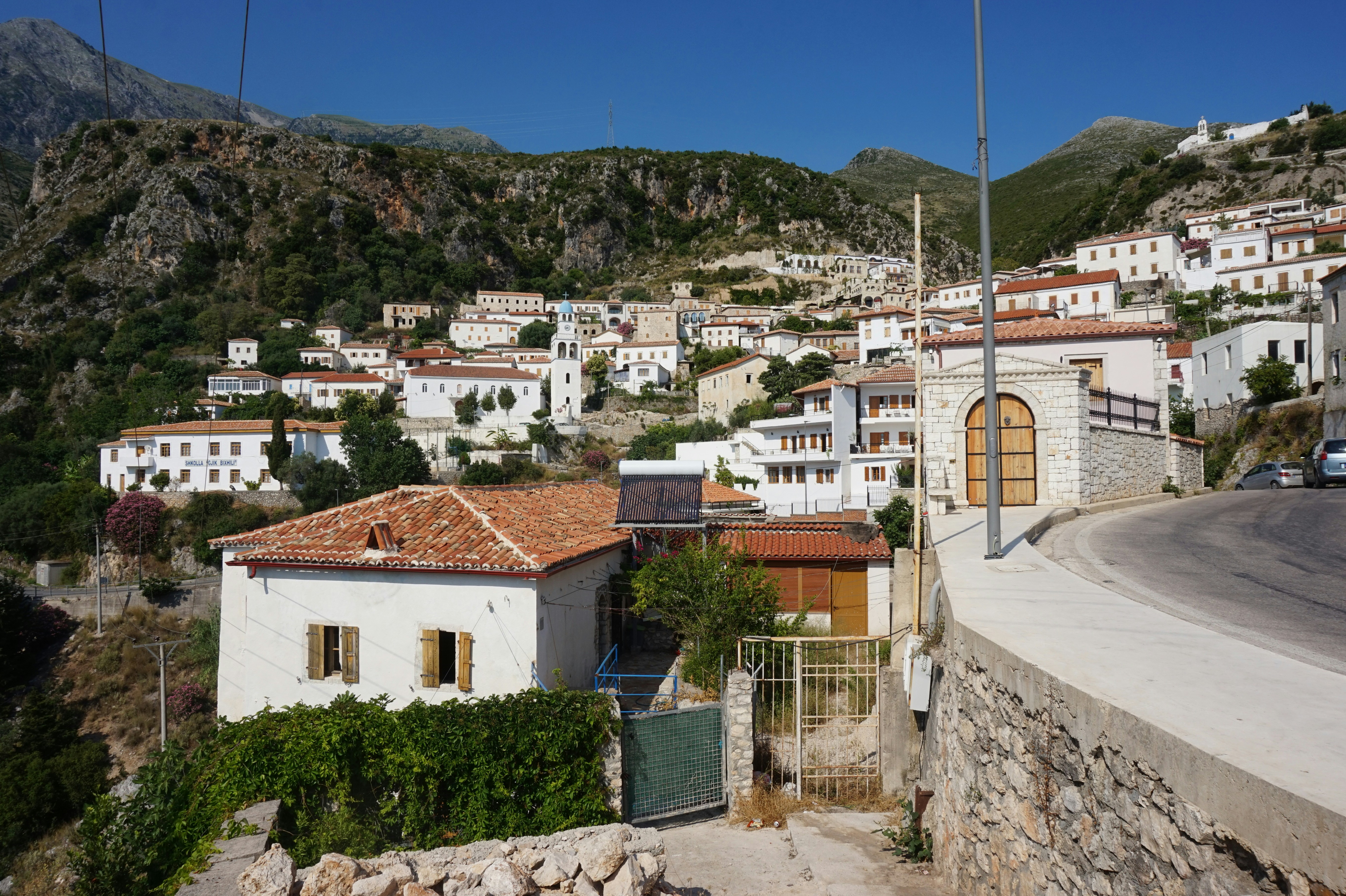
by Marie Volkert (https://unsplash.com/@marie_worldonabudget)
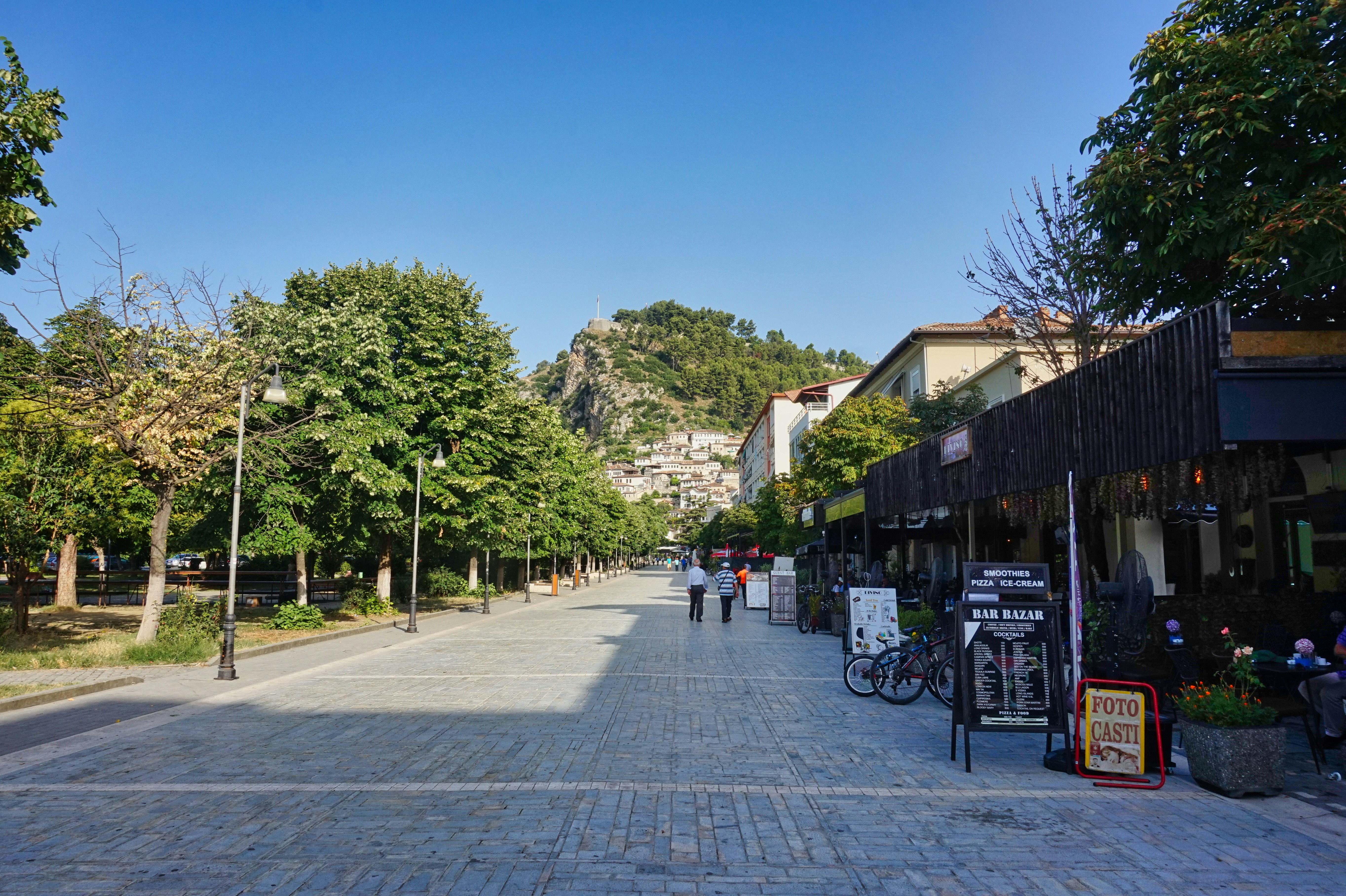
by Marie Volkert (https://unsplash.com/@marie_worldonabudget)
Albania Travel Tips: Getting There and Getting Around
Traveling to Albania is becoming easier with improved infrastructure. Tirana International Airport is the main entry point. It connects Albania to many European cities.
For a scenic entry, consider arriving by ferry. The ports in Durrës and Saranda provide connections to Italy and Greece. Ferries offer a slower but picturesque option for reaching Albania.
Once in Albania, getting around is straightforward. Buses and minibuses are common for intercity travel. They are affordable and connect major cities and towns.
For more flexibility, renting a car is ideal. It allows you to explore at your own pace. Roads in Albania are improving, though some rural areas remain bumpy.
Taxis are also widely available in cities. However, always ensure the fare is agreed upon before departure. Ridesharing apps are less common, so plan accordingly.
The Albanian rail network is another way to travel. Though limited, it connects some key cities. It’s a low-cost option, but expect slower journeys than by road.
When planning your Albania travel, consider these options:
- Arrive via Tirana International Airport or by ferry
- Use buses or minibuses for budget-friendly travel
- Rent a car for maximum exploration
- Confirm taxi fares beforehand
- Use trains for a leisurely journey
These tips should enhance your travel experience in Albania. A bit of planning goes a long way. Enjoy the journey as much as the destinations.
Albania’s Place in the Balkans and Europe
Albania holds a strategic position in Southeastern Europe. It lies on the Balkan Peninsula, a historically significant region. This location has influenced its cultural and political landscape.
Bordering the Adriatic and Ionian seas, Albania serves as a gateway to the Mediterranean. Its coastline stretches for about 362 kilometers. This maritime position enhances its geopolitical importance.
The country shares land borders with Montenegro, Kosovo, North Macedonia, and Greece. These borders connect Albania to a mix of cultures and histories. They also highlight its role in regional cooperation.
Albania’s European integration has been a focal point of its foreign policy. Since 2014, it has been a candidate for European Union membership. This aspiration influences its economic and political reforms.
The Western Balkans, including Albania, have a rich yet complex history. The region is known for its diverse ethnic and religious backgrounds. Albania’s commitment to peace and cooperation is vital for regional stability.
In terms of economy, Albania is gradually aligning with European markets. It is part of initiatives to boost economic development through regional collaboration. This alignment supports its bid to join the EU.
Key aspects of Albania’s location in Europe include:
- Strategic position on the Balkan Peninsula
- Maritime borders with the Adriatic and Ionian Seas
- Land borders with four neighboring countries
- Candidate for European Union membership
- Active participant in regional cooperation
Understanding Albania’s place in the Balkans and Europe provides context for its historical and future trajectory. It is a country forging its path on the European stage, grounded in its Balkan roots.
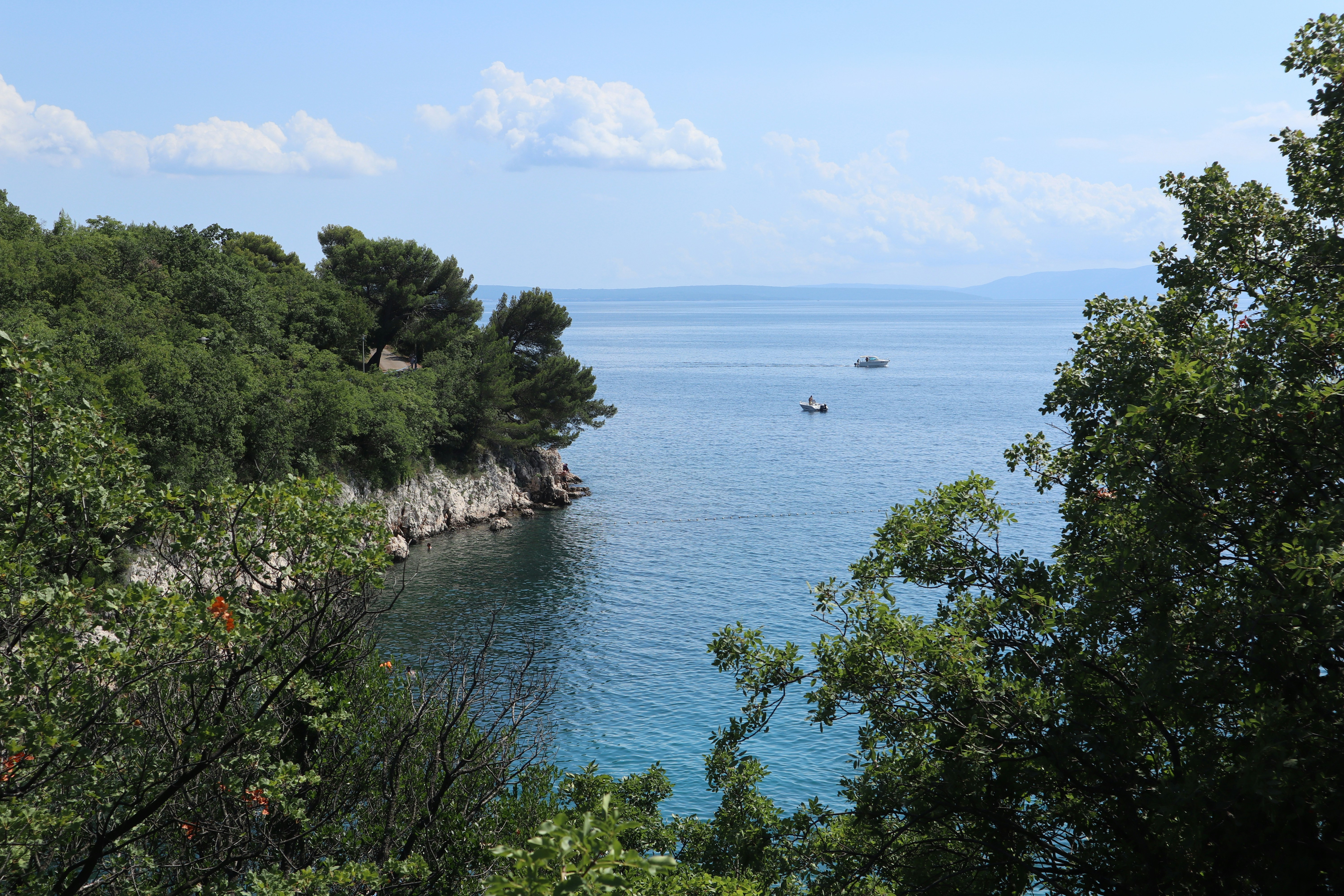
by Balint Miko (https://unsplash.com/@balint_miko)
Frequently Asked Questions About Albania’s Location
Where exactly is Albania located?
Albania is in Southeastern Europe. It is situated on the western part of the Balkan Peninsula. It faces the Adriatic Sea to the west and the Ionian Sea to the southwest.
What countries border Albania?
Albania shares its borders with several countries. To the northwest is Montenegro, Kosovo lies to the northeast, North Macedonia to the east, and Greece is to the south. This makes Albania a neighbor to a diverse set of nations.
How can I locate Albania on a world map?
To find Albania on a world map, look for the Balkan Peninsula in Southeastern Europe. Albania lies just across from Italy, separated by the Adriatic Sea. It is north of Greece and southwest of the Balkans.
Is Albania part of the European Union?
No, Albania is not yet a full member of the European Union. However, it has been an official candidate since 2014. Efforts towards integration and membership continue.
Here are some key facts about Albania’s location:
- Situated in Southeastern Europe
- Part of the Balkan Peninsula
- Neighbors: Montenegro, Kosovo, North Macedonia, and Greece
- Not a member of the EU but a candidate
Understanding Albania’s location helps in grasping its cultural and political ties. Albania remains a unique blend of its Balkan heritage and European aspirations.
Conclusion: Why Albania’s Location Matters
Albania’s location is a treasure trove of historical and cultural significance. Its strategic position on the Balkan Peninsula has made it a crossroads for various civilizations. This has brought a wealth of cultural influences that continue to shape its identity.
The country’s borders with diverse nations also underscore its importance in regional politics and trade. Albania serves as a bridge between Southern Europe and the Balkan region. This position allows it to act as a key transit point for goods and cultural exchange.
Albania’s coastline along the Adriatic and Ionian Seas adds to its strategic importance. These waters provide maritime access that boosts trade and tourism potential. The picturesque landscapes and pristine beaches also draw visitors from around the world.
Moreover, as Albania aims for EU membership, its location becomes even more vital. It offers an economic opportunity for growth and integration within Europe. Understanding Albania’s geographical significance provides insight into its growing role on the continental stage.
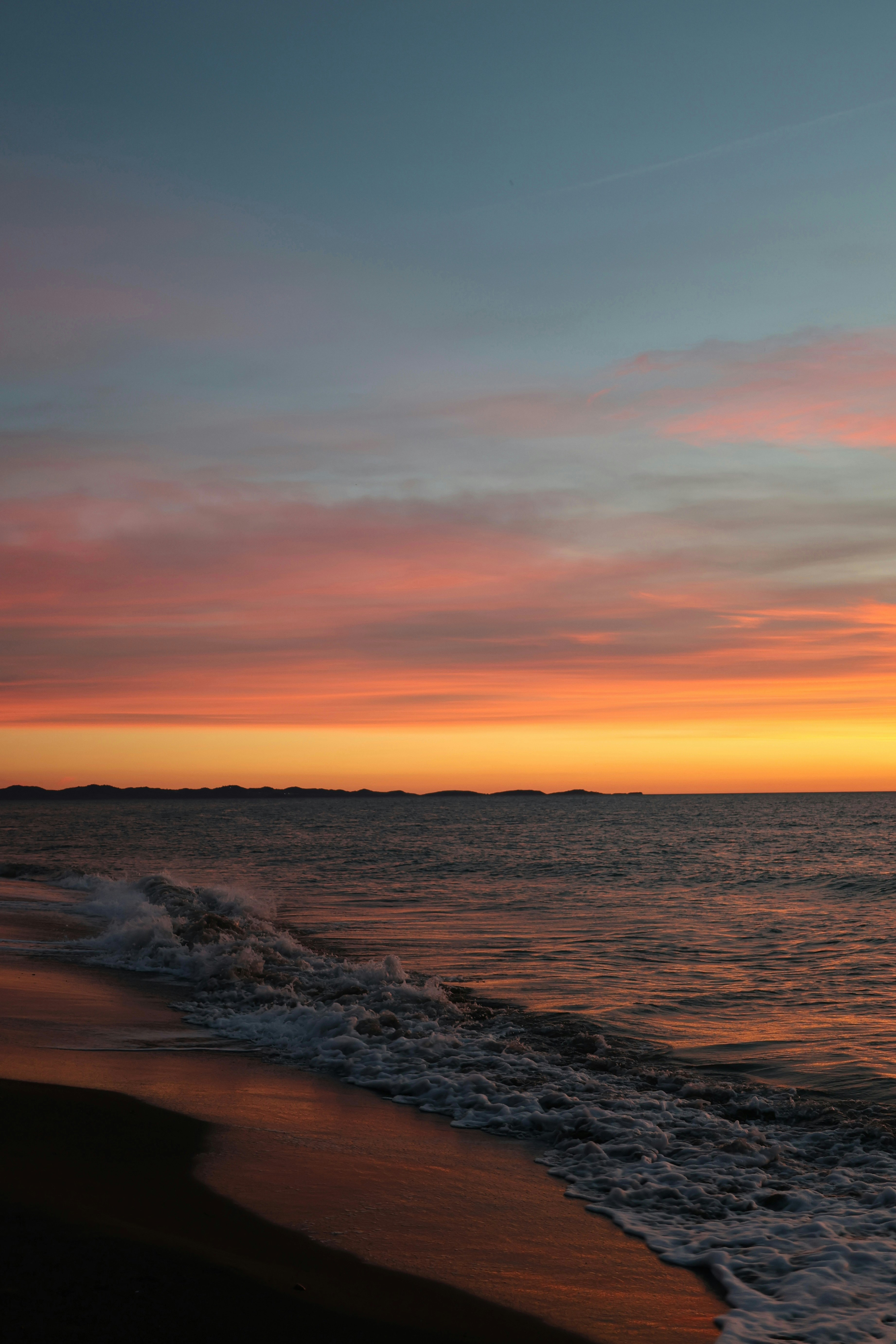
by Girl of Waves (https://unsplash.com/@girlofwavess)