
Top 10 Must-Visit Tourist Spots in Albania
Albania, a gem nestled in the heart of the Balkans, is increasingly capturing the attention of travelers around the globe. Known for its stunning landscapes, rich history, and vibrant culture, Albania offers a plethora of tourist attractions that promise an unforgettable experience. Whether you’re a history buff, nature enthusiast, or simply looking to explore new places, Albania has something for everyone. Here are the top 10 must-visit tourist spots in Albania.
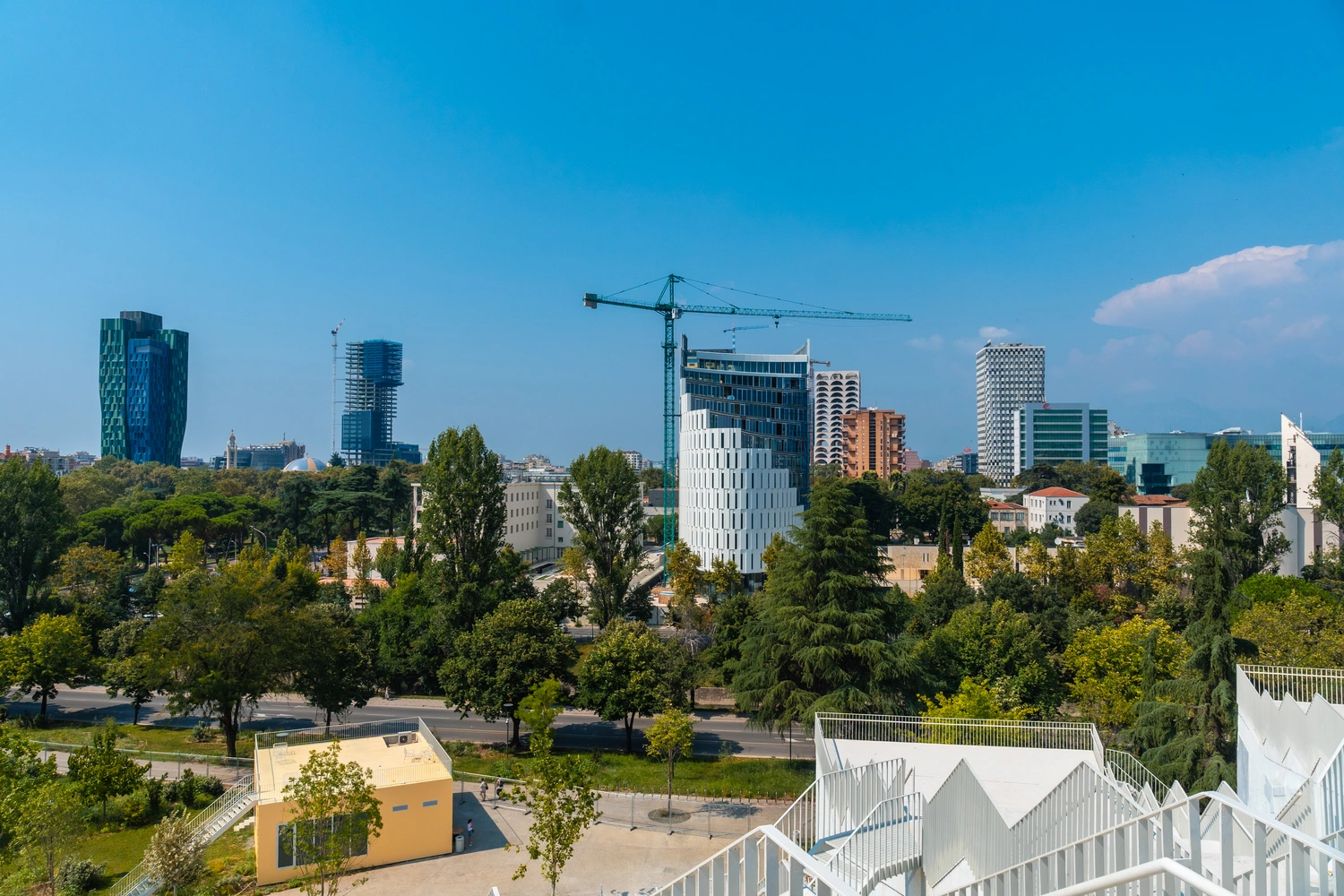
Tirana, the bustling capital of Albania, is often the first stop for many travelers. This vibrant city is a mix of old and new, with colorful buildings and lively cafes. Skanderbeg Square, the heart of the city, is surrounded by important landmarks such as the Et’hem Bey Mosque and the National History Museum. The city’s youthful energy is contagious, and its culinary scene is not to be missed.
Cultural Landmarks in Tirana
Tirana is home to numerous cultural landmarks that reflect its rich history and modern dynamism. The National History Museum is a treasure trove of artifacts that narrate Albania’s past, from ancient times to the communist era. The Et’hem Bey Mosque, with its intricate frescoes, offers a glimpse into the Ottoman influence on the city. The Opera House, located in Skanderbeg Square, hosts a range of performances, showcasing the city’s vibrant arts scene.
Modern Attractions
Beyond its historical sites, Tirana boasts modern attractions that captivate visitors. Blloku, once an exclusive area for the communist elite, is now a trendy neighborhood filled with cafes, restaurants, and shops. The Pyramid of Tirana, originally built as a museum for the communist leader Enver Hoxha, stands as a unique architectural piece with a complex history. For breathtaking views, take a cable car ride up Dajti Mountain, where you can also enjoy hiking trails and picnic spots.
Culinary Delights
Tirana’s culinary scene is a delightful fusion of traditional Albanian flavors and international cuisine. The city offers a range of dining options, from street food stalls serving byrek and qofte to upscale restaurants offering gourmet dishes. Don’t miss the chance to try Tavë Kosi, a traditional Albanian dish made with lamb and yogurt. The city’s bustling markets, like the Pazari i Ri, are perfect for sampling fresh produce and local specialties.
- Berat — The City of a Thousand Windows
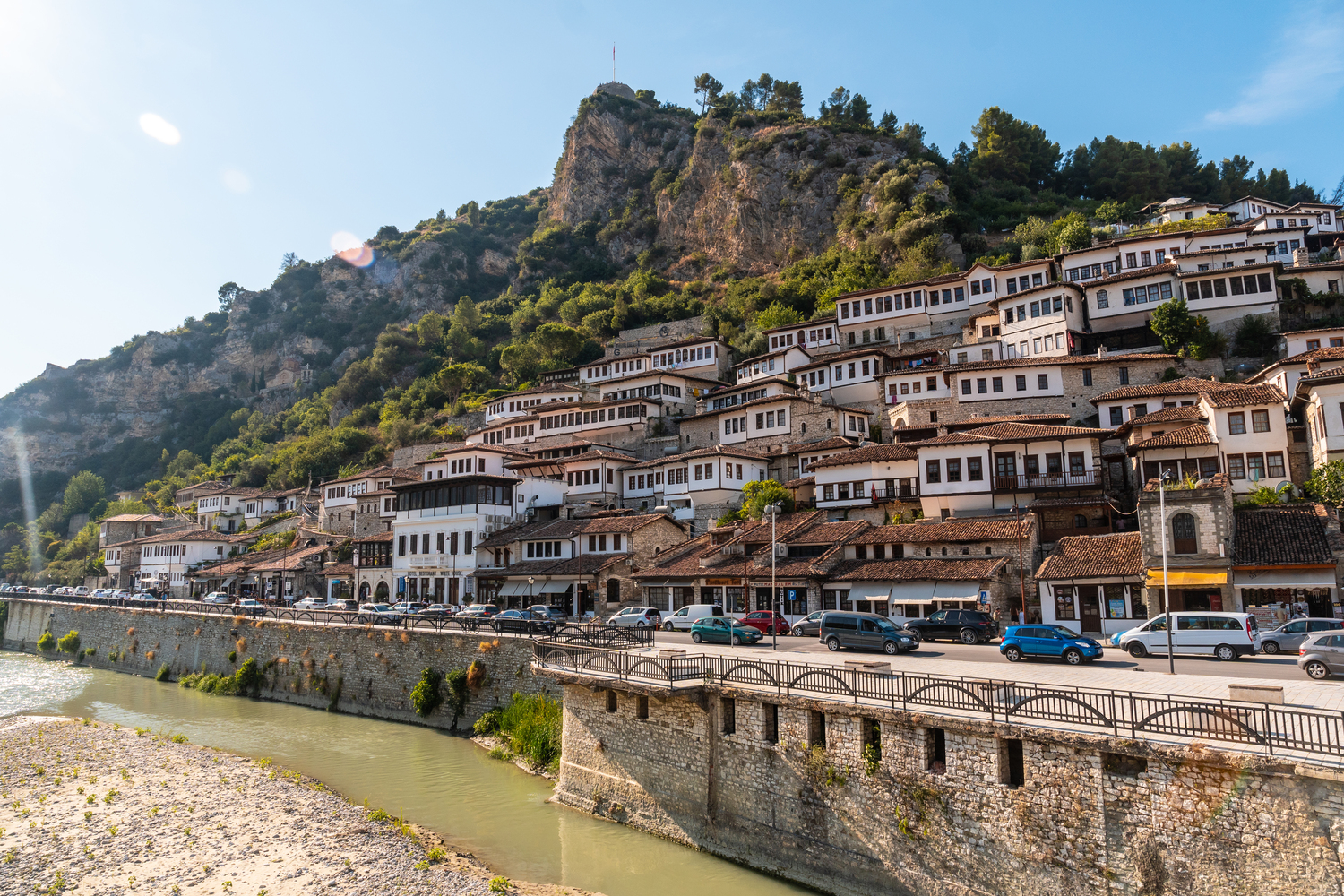
Berat, a UNESCO World Heritage Site, is one of Albania’s most picturesque towns. Known as the “City of a Thousand Windows” due to its characteristic Ottoman-style houses, Berat offers a glimpse into the country’s rich history. The town is divided by the Osum River, with the historic neighborhoods of Mangalem and Gorica on either side.
Historical Significance
Berat’s historical significance is evident in its well-preserved architecture and ancient sites. The Berat Castle, perched atop a hill, not only offers stunning views but also houses several churches and the Onufri Museum, which showcases religious art. The town’s history is further highlighted by the numerous mosques and churches that coexist, reflecting its diverse cultural heritage.
Architectural Marvels
The architecture in Berat is a blend of styles that tell the story of its past. The Ottoman-era houses, with their large windows and stone facades, create a distinctive skyline. Walking through the cobblestone streets, visitors can admire the intricate woodwork and stone masonry that characterize the traditional homes. The Ethnographic Museum, housed in a typical Ottoman residence, provides insight into the daily life and culture of the region.
Exploring the Outdoors
For nature lovers, Berat offers ample opportunities to explore the outdoors. The surrounding hills and mountains provide scenic hiking trails with breathtaking views of the town and valley below. The Osum River offers activities like rafting, allowing visitors to experience the stunning canyons and gorges. The town’s location also makes it an ideal base for exploring the nearby Tomorr National Park, known for its diverse flora and fauna.
- Gjirokastër — The Stone City
Gjirokastër, another UNESCO World Heritage Site, is known for its stone architecture and steep cobbled streets. The city is famous for its well-preserved Ottoman-era buildings and the imposing Gjirokastër Castle, which dominates the skyline.
Historical Treasures
Gjirokastër is steeped in history, with treasures that reflect its storied past. The Gjirokastër Castle, one of the largest in the Balkans, houses several museums, including the Museum of Armaments and the Ethnographic Museum, which offer insights into the region’s history and culture. The castle also hosts the National Folklore Festival, a celebration of Albanian music and dance.
Architectural Heritage
The city’s architectural heritage is a testament to its Ottoman influence. The stone houses, with their distinctive slate roofs and fortified towers, are a hallmark of Gjirokastër’s unique style. The Skenduli House, a well-preserved example of Ottoman architecture, provides a glimpse into the lifestyle of the city’s past inhabitants. Wandering through the old bazaar, visitors can admire the craftsmanship of local artisans.
Cultural Vibrancy
Gjirokastër is a city of cultural vibrancy, with lively markets and traditional crafts. The local markets are a sensory experience, with stalls selling everything from handmade textiles to fresh produce. The city’s cultural scene is also reflected in its festivals and events, which celebrate the rich traditions and folklore of the region. Visitors can enjoy traditional music and dance performances, as well as sample local culinary delights.
- The Albanian Riviera

by Marie Volkert (https://unsplash.com/@marie_worldonabudget)
The Albanian Riviera is a stretch of stunning coastline along the Ionian Sea. With crystal-clear waters, pristine beaches, and charming villages, it’s a paradise for beach lovers. Popular spots include Dhërmi, Himarë, and Ksamil, each offering its own unique charm.
Beach Paradise
The Albanian Riviera is a beach paradise with something for every traveler. The pristine beaches, such as those in Dhërmi and Himarë, offer soft sands and clear waters perfect for sunbathing and swimming. Ksamil, with its idyllic islands and turquoise waters, is a popular spot for snorkeling and diving. The coastal villages are known for their relaxed atmosphere and stunning sunsets, making them ideal for a peaceful getaway.
Water Activities
For adventure seekers, the Riviera offers a range of water activities. Snorkeling and diving enthusiasts can explore the vibrant marine life and underwater caves. Kayaking and paddleboarding are popular ways to explore the coastline, offering a unique perspective of the dramatic cliffs and hidden coves. Many beaches also offer boat tours, providing the opportunity to visit secluded spots and enjoy the natural beauty of the Ionian Sea.
Cultural Exploration
Beyond the beaches, the Riviera is rich in culture and history. The village of Himarë, with its ancient ruins and Byzantine churches, offers a glimpse into the region’s past. The Riviera is also home to several traditional festivals and events, where visitors can experience local music, dance, and cuisine. Exploring the coastal villages, visitors can enjoy fresh seafood at local taverns, sample regional wines, and discover the warm hospitality of the locals.
- Butrint National Park
Butrint National Park is a treasure trove of history and nature. This UNESCO World Heritage Site is home to the ancient city of Butrint, where you can explore ruins dating back to Greek, Roman, and Byzantine times. The park’s diverse ecosystems also make it a haven for wildlife.
Archaeological Wonders
Butrint is renowned for its archaeological wonders, with ruins that span multiple civilizations. The ancient theater, with its impressive acoustics, once hosted performances for thousands of spectators. The Baptistery, with its intricate mosaic floor, and the Basilica, a testament to early Christian architecture, are must-see attractions. Visitors can also explore the city walls and gates, which reveal the strategic importance of Butrint in ancient times.
Natural Beauty
The park’s natural beauty is as captivating as its history. The diverse ecosystems, including wetlands, forests, and lakes, support a variety of wildlife, making it a paradise for nature lovers. Birdwatchers can spot numerous species, including herons and eagles, while the park’s trails offer opportunities to observe other wildlife. The stunning landscapes provide a serene backdrop for exploration and relaxation.
Educational Opportunities
Butrint National Park offers educational opportunities for visitors interested in history and conservation. The Butrint Museum, located within the ancient city, provides insights into the site’s history through exhibits and artifacts. Guided tours offer an in-depth understanding of the archaeological and ecological significance of the park. Educational programs and workshops are also available, aimed at promoting conservation and raising awareness about the importance of preserving cultural heritage.
- Shkodra — The Cultural Capital
Shkodra, located near the border with Montenegro, is known as the cultural capital of Albania. The city is rich in history and offers a variety of attractions, from historic sites to natural beauty.
Historical Landmarks
Shkodra is home to several historical landmarks that reflect its rich past. The Rozafa Castle, perched on a hill overlooking the city, offers stunning views and a glimpse into the region’s history. The castle’s legend, involving a woman being sacrificed in its construction, adds to its mystique. The Lead Mosque, with its distinctive architecture, is another notable site that showcases the city’s Ottoman heritage.
Cultural Institutions
The city’s cultural institutions are a testament to its vibrant arts scene. The Marubi National Museum of Photography, one of the oldest in the Balkans, houses a fascinating collection of photographs that document Albania’s history. The Migjeni Theatre, named after a famous Albanian writer, hosts a variety of performances, from plays to concerts. The city’s art galleries and cultural centers also offer exhibitions and events that celebrate local and international artists.
Outdoor Recreation
Shkodra’s natural surroundings provide ample opportunities for outdoor recreation. Lake Shkodra, the largest lake in the Balkans, is perfect for boating, fishing, and birdwatching. The nearby Albanian Alps offer hiking trails with breathtaking views of the rugged landscape. The city is also a gateway to the scenic Valbona Valley, known for its stunning beauty and outdoor activities, such as trekking and camping.
- Krujë — The Historical Town
Krujë is a town steeped in history and legend. It was the center of Albanian resistance against the Ottoman Empire, led by the national hero Skanderbeg. Today, visitors can explore its historic sites and enjoy the traditional bazaar.
Historical Significance
Krujë’s historical significance is deeply intertwined with the legacy of Skanderbeg, Albania’s national hero. The Krujë Castle, a symbol of resistance, offers panoramic views and houses the Skanderbeg Museum, which tells the story of his life and battles. The Teqe of Dollma, a Bektashi religious site, highlights the spiritual heritage of the region. These landmarks provide a window into the town’s storied past and its role in Albania’s history.
Traditional Bazaar
The Old Bazaar in Krujë is a vibrant hub of traditional crafts and commerce. The cobblestone streets are lined with stalls selling handmade rugs, jewelry, and souvenirs, offering a glimpse into the artisanal skills passed down through generations. The bazaar is also a place to sample local delicacies, such as baklava and raki, a traditional Albanian spirit. Visitors can enjoy the lively atmosphere and interact with friendly vendors, who are often eager to share stories about their crafts.
Natural Beauty
The natural beauty surrounding Krujë adds to its charm. The nearby Krujë Mountain offers hiking trails with stunning views of the town and the surrounding countryside. The Sari Salltik Cave, a pilgrimage site for Bektashi followers, is a short hike from the town and provides a serene setting for reflection. The lush landscapes and fresh mountain air make Krujë an ideal destination for nature enthusiasts seeking tranquility and inspiration.
- Theth National Park

by vonMitzscha (https://unsplash.com/@vonmitzscha)
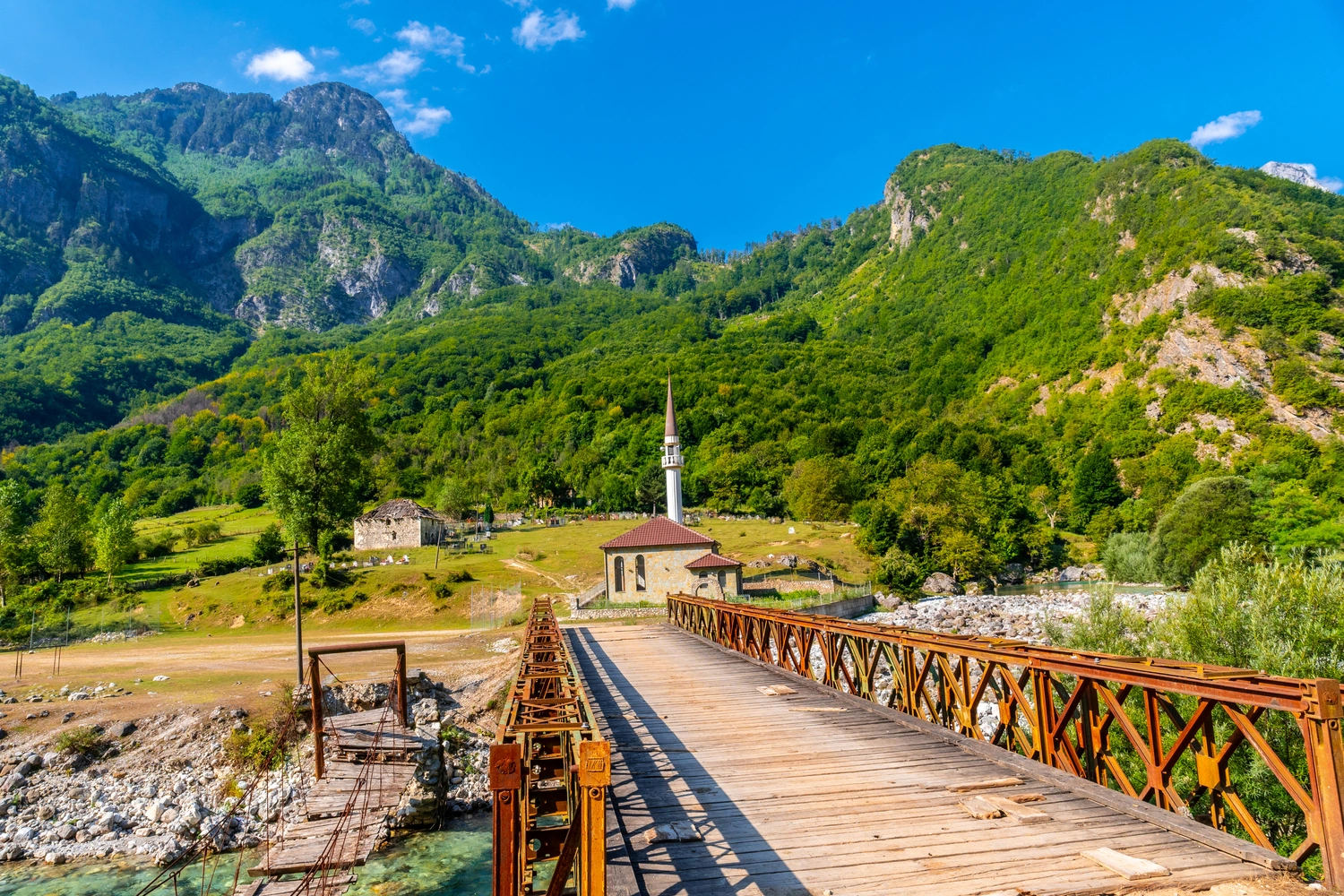
Theth National Park is a haven for nature lovers and outdoor enthusiasts. Located in the Albanian Alps, the park offers breathtaking landscapes, traditional villages, and hiking trails that lead to stunning waterfalls and panoramic viewpoints.
Scenic Trails
Theth National Park is renowned for its scenic trails that cater to hikers of all levels. The trail to the Grunas Waterfall, a 30-meter cascade, is a popular route that offers stunning views and a refreshing experience. The Blue Eye, a natural spring with vibrant blue water, is another must-see destination, accessible via a picturesque hiking path. For more adventurous trekkers, the Valbona Pass offers a challenging but rewarding journey with panoramic vistas of the Albanian Alps.
Traditional Villages
The park is home to traditional villages that offer a glimpse into the rural lifestyle of northern Albania. The village of Theth, with its stone houses and wooden fences, is a charming base for exploring the park. The local guesthouses provide warm hospitality and an opportunity to experience traditional Albanian cuisine. Visitors can learn about the region’s customs and traditions, including the Kanun, a set of traditional laws that have governed the community for centuries.
Wildlife and Nature
Theth National Park is rich in wildlife and natural beauty, making it a paradise for nature enthusiasts. The park’s diverse ecosystems support a variety of flora and fauna, including rare species such as the Balkan lynx and the golden eagle. Birdwatchers can spot numerous species, while the park’s rivers and streams are home to trout and other fish. The pristine landscapes, with their rugged peaks and lush valleys, offer a tranquil setting for exploration and relaxation.
- Durrës — The Ancient Port City
Durrës, Albania’s largest port city, has a rich history dating back to ancient times. The city offers a mix of historical sites and modern attractions, making it a popular destination for visitors.
Ancient Ruins
Durrës is home to some of Albania’s most impressive ancient ruins. The Durrës Amphitheater, one of the largest in the Balkans, dates back to the Roman period and once hosted gladiatorial games. The remains of the Byzantine Forum and the Roman Baths offer a glimpse into the city’s past grandeur. The Archaeological Museum, located near the amphitheater, showcases artifacts that chronicle the history of Durrës from its Greek origins to the medieval period.
Modern Attractions
In addition to its historical sites, Durrës boasts modern attractions that cater to a variety of interests. The beachfront promenade, lined with cafes and restaurants, is a lively spot for a leisurely stroll and offers beautiful views of the Adriatic Sea. The city’s vibrant nightlife scene includes bars, clubs, and live music venues that attract both locals and tourists. The Durrës Art Gallery and cultural events provide opportunities to engage with the city’s contemporary arts scene.
Coastal Activities
Durrës’ coastal location offers a range of activities for beach lovers and water sports enthusiasts. The sandy beaches are perfect for sunbathing and swimming, while the clear waters are ideal for snorkeling and diving. Boat tours are available for those wishing to explore the coastline and nearby islands. The city’s marina provides facilities for sailing and yachting, making it a hub for maritime activities in the region.
- Sarandë — The Gateway to the South
Sarandë, a vibrant coastal city, serves as a gateway to the southern part of Albania. Known for its beautiful beaches and lively nightlife, Sarandë is a favorite among tourists.
Beach Escapes
Sarandë is renowned for its stunning beaches, which draw visitors seeking relaxation and recreation. The main beach, located near the city center, offers easy access and a lively atmosphere, with numerous bars and restaurants lining the waterfront. For a more secluded experience, the beaches of nearby Ksamil are just a short drive away and offer crystal-clear waters and pristine sands. The city’s coastal location provides ample opportunities for swimming, sunbathing, and enjoying water sports.
Historical and Cultural Sites
Beyond its beaches, Sarandë offers a wealth of historical and cultural sites to explore. The Lekursi Castle, perched on a hill overlooking the city, provides panoramic views of the Ionian Sea and the surrounding landscape. The Monastery of the Forty Saints, an important religious site, offers insights into the region’s Christian heritage. Visitors can also explore the ancient ruins of Phoenice, a nearby archaeological site that dates back to the Hellenistic period.
Vibrant Nightlife
Sarandë’s vibrant nightlife is a major draw for visitors seeking entertainment and socializing. The city’s waterfront is lined with bars, clubs, and cafes that come alive after dark, offering music, dancing, and a lively atmosphere. Many venues host live music performances and themed nights, catering to a diverse range of tastes. The vibrant energy of Sarandë’s nightlife scene ensures that there’s always something happening, making it a popular destination for those looking to enjoy the evening.
Albania’s diverse attractions make it a must-visit destination for travelers seeking adventure, history, and natural beauty. Whether you’re exploring ancient ruins, relaxing on stunning beaches, or immersing yourself in local culture, Albania offers an array of experiences that will leave you with lasting memories.
Q&A
Question: What are the must-see cultural and modern highlights in Tirana? Short answer: Start at Skanderbeg Square, the city’s heart, surrounded by the National History Museum, the Et’hem Bey Mosque with its intricate frescoes, and the Opera House. For modern vibes, explore Blloku’s trendy cafes and shops, see the Pyramid of Tirana’s striking architecture and complex history, and ride the Dajti Mountain cable car for panoramic views and hiking. Don’t miss Tirana’s food scene—from byrek and qofte to Tavë Kosi—and browse local specialties at Pazari i Ri.
Question: How do Berat and Gjirokastër compare as UNESCO World Heritage cities? Short answer: Berat, the “City of a Thousand Windows,” showcases Ottoman-era houses cascading down hillsides, the hilltop Berat Castle with churches and the Onufri Museum, and a landscape split by the Osum River. Its mix of mosques and churches reflects a diverse heritage, and nearby hills, rafting on the Osum, and Tomorr National Park expand the experience. Gjirokastër, the “Stone City,” is defined by slate-roofed stone houses and fortified towers. Its massive castle hosts the Museum of Armaments, an Ethnographic Museum, and the National Folklore Festival; highlights include the Skenduli House and the atmospheric old bazaar.
Question: Why is Butrint National Park a must-visit for both history buffs and nature lovers? Short answer: It unites world-class archaeology with rich ecosystems. Visitors can explore the ancient theater, mosaic-rich Baptistery, early Christian Basilica, and imposing city walls and gates, then deepen their understanding at the on-site museum. Beyond the ruins, wetlands, forests, and lakes support abundant wildlife and birdlife, with trails for serene exploration. Guided tours and educational programs illuminate both the site’s cultural significance and its conservation.
Question: What outdoor experiences does Theth National Park offer, and what is the village experience like? Short answer: Theth features scenic hikes to the 30-meter Grunas Waterfall and the vivid Blue Eye spring, while the Valbona Pass rewards more demanding trekkers with sweeping Alpine views. Traditional villages like Theth offer stone houses, wooden fences, welcoming guesthouses, and hearty local cuisine, alongside insights into long-standing customs such as the Kanun. Nature lovers can look for rare wildlife like the Balkan lynx and golden eagle amid pristine rivers, peaks, and valleys.
Question: How do Durrës and Sarandë differ as coastal destinations? Short answer: Durrës blends major antiquities with modern seaside appeal: the Roman-era amphitheater, Byzantine Forum, Roman Baths, and the Archaeological Museum pair with a lively beachfront promenade, nightlife, an art gallery, and a marina for water activities. Sarandë, the gateway to the south, is famed for beaches and a vibrant waterfront nightlife. Beyond sun and sea—especially at nearby, crystal-clear Ksamil—visitors can take in views from Lekursi Castle, visit the Monastery of the Forty Saints, and explore the ancient ruins of Phoenice.
Q&A
Question: What makes the Albanian Riviera a standout destination beyond its beaches? Short answer: Alongside its pristine sands and turquoise waters in Dhërmi, Himarë, and Ksamil, the Riviera offers rich cultural depth—ancient ruins and Byzantine churches in villages like Himarë, traditional festivals, and welcoming coastal communities. Adventure seekers can snorkel, dive, kayak, paddleboard, or take boat tours to hidden coves, then unwind with fresh seafood, regional wines, and unforgettable sunsets.
Question: What earns Shkodra its reputation as Albania’s cultural capital? Short answer: Shkodra blends deep history with a vibrant arts scene. Highlights include Rozafa Castle and its evocative legend, the Ottoman-era Lead Mosque, the Marubi National Museum of Photography, and the Migjeni Theatre. Its setting also invites outdoor pursuits—boating and birdwatching on Lake Shkodra, hikes in the nearby Albanian Alps, and access to the scenic Valbona Valley.
Question: Why is Krujë significant in Albanian history, and what can visitors experience there today? Short answer: As the stronghold of national hero Skanderbeg’s resistance against the Ottomans, Krujë is steeped in symbolism. Visitors can tour Krujë Castle and the Skanderbeg Museum, explore the Bektashi Teqe of Dollma, and browse the Old Bazaar’s handmade rugs, jewelry, and crafts—sampling treats like baklava and raki. Nature lovers can hike Krujë Mountain and visit the Sari Salltik Cave for sweeping views and quiet reflection.
Question: What ancient and modern highlights can you explore in Durrës? Short answer: Durrës showcases major antiquities—the vast Roman amphitheater, the Byzantine Forum, Roman Baths, and the Archaeological Museum—set beside a lively modern waterfront. Stroll the beachfront promenade lined with cafes and restaurants, dip into the city’s nightlife and art gallery, and enjoy coastal activities from sunbathing and snorkeling to boat tours, sailing, and yachting from the marina.
Question: What defines Gjirokastër, the “Stone City,” and why visit its castle and bazaar? Short answer: Gjirokastër’s slate-roofed stone houses and fortified towers exemplify Ottoman-era architecture. The hilltop castle—among the largest in the Balkans—hosts the Museum of Armaments, an Ethnographic Museum, and the National Folklore Festival. Nearby, the Skenduli House reveals period domestic life, while the old bazaar highlights local craftsmanship and a strong sense of living heritage.