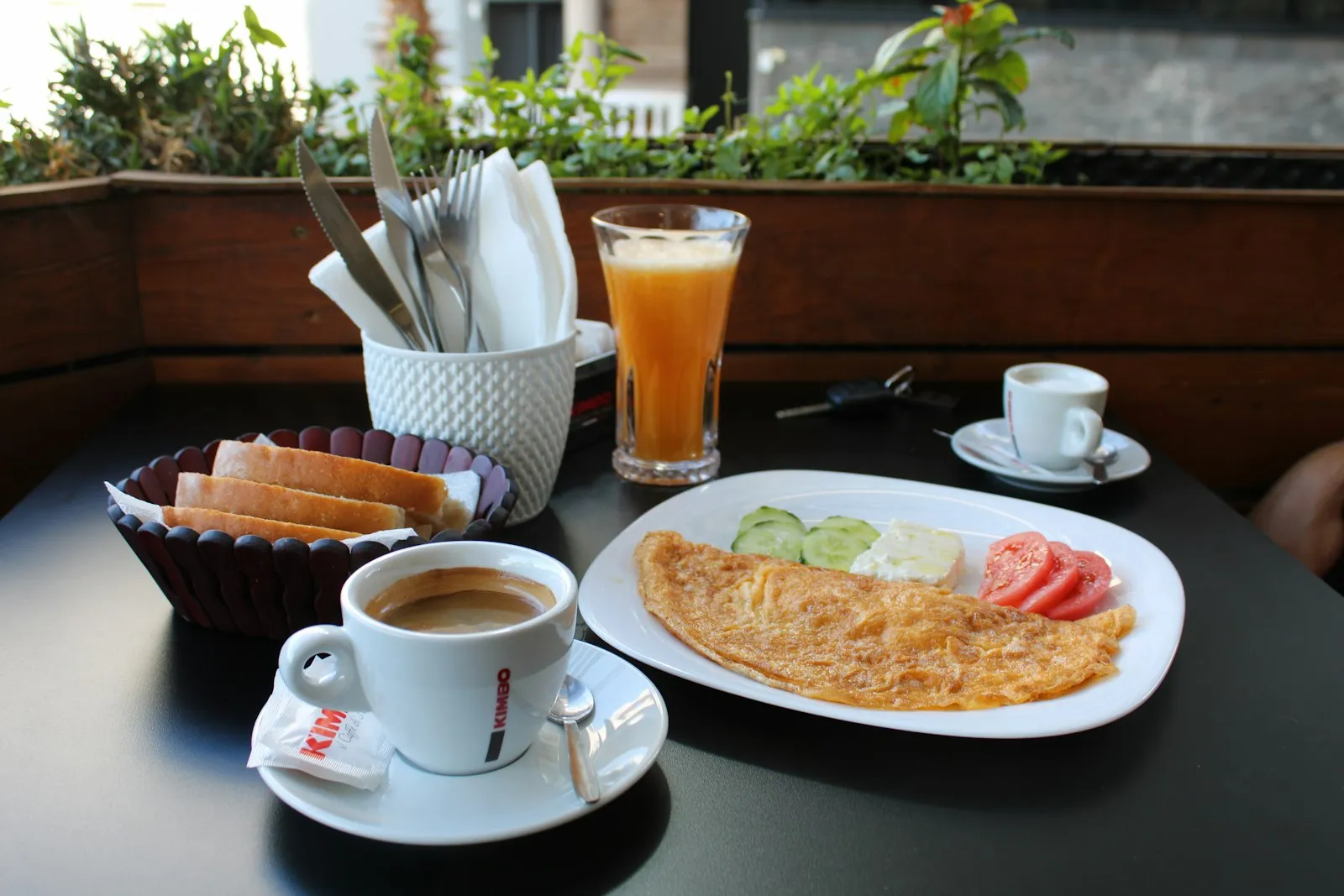
Albanian coffee culture revolves around the café: meeting for a coffee is how friends catch up, business gets done and afternoons quietly disappear, and asking for “një kafe” usually brings a small, strong espresso. Raki, a clear fruit brandy most often made from grapes or plums, is the national spirit, offered as a welcome, raised in toasts and sipped slowly alongside meze.
Both drinks are bound up with hospitality, a value Albanians hold especially dear. Knowing how to order, how to toast and how to say no politely will make every café stop and family visit more relaxed. Here is what to expect.
Why Albanians love their cafés
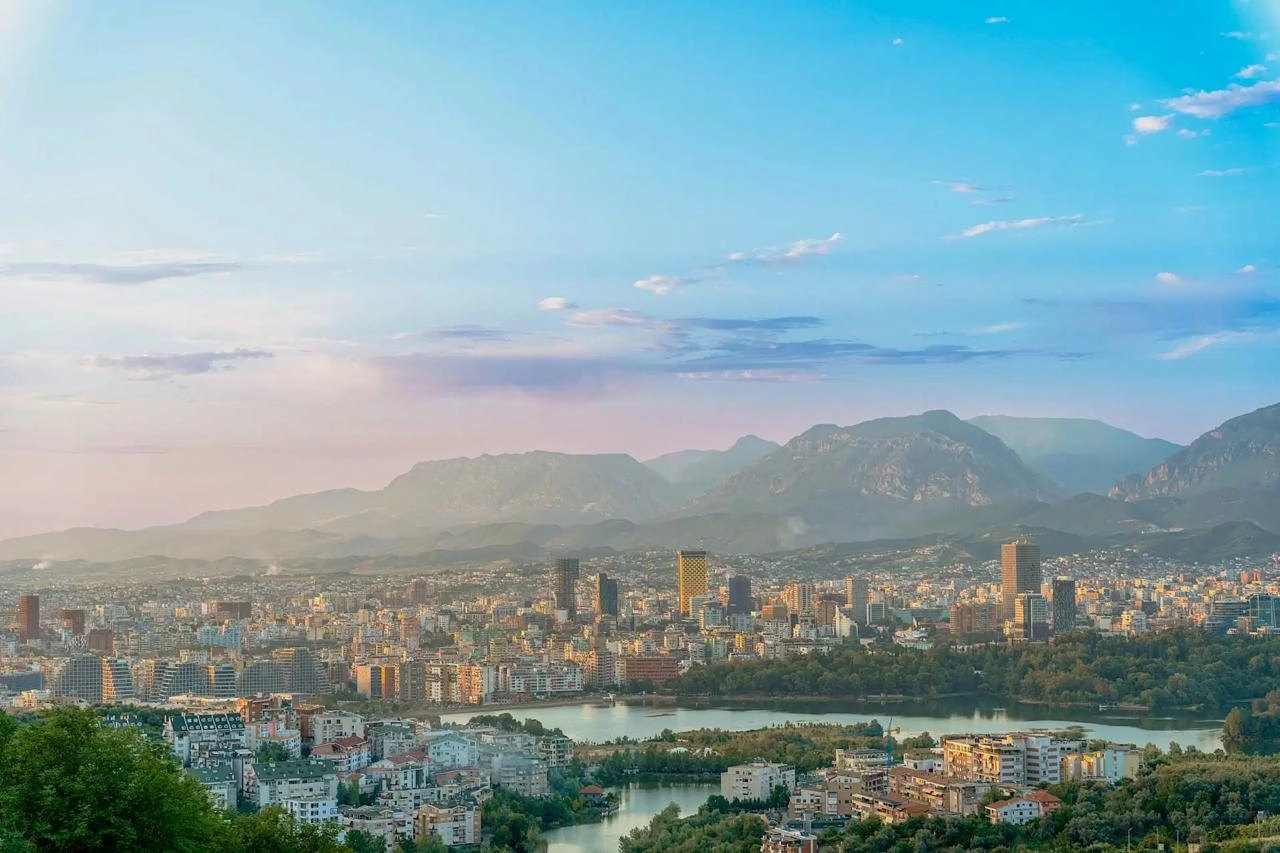
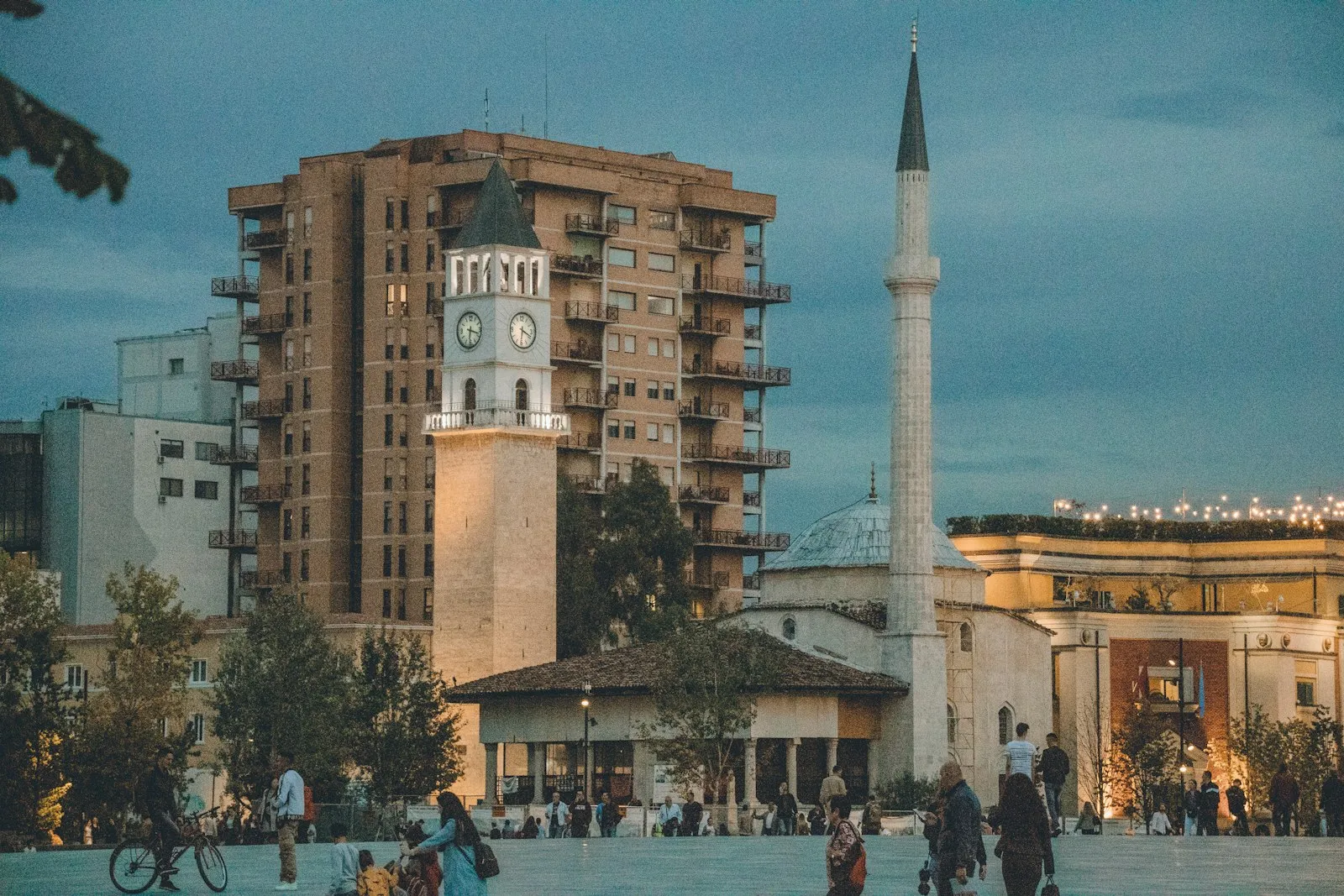
Cafés are everywhere, from the busy terraces of Blloku in Tirana to the smallest village square, and Albania is often cited as having more of them per head than almost any other country. They are where people meet for business, gossip and politics, and nobody expects you to leave quickly: a single coffee can easily stretch over an hour.
The invitation “let’s go for a coffee” is really an invitation to spend time together, so it is rarely refused. In the early evening many towns also have their xhiro, a leisurely stroll along the main street or seafront that often ends, naturally, at a café table.
How to order coffee in Albania
- Një kafe (“a coffee”) usually brings an espresso. A macchiato, with a little foamed milk, is just as popular.
- Kafe turke is Turkish coffee: finely ground coffee boiled with water, and sugar if you want it, in a small long-handled pot called a xhezve, then served unfiltered in a small cup, or filxhan. Let the grounds settle and stop before you reach the sludge at the bottom.
- Cappuccino, latte and iced coffees are on almost every menu in the cities and resorts.
Because the sugar goes into the pot while Turkish coffee brews, say how you like it when you order: ask for it pa sheqer if you want it without sugar. Espresso dominates in town, while Turkish coffee is more often made at home, and some older relatives still enjoy reading fortunes in the grounds left in the cup. Prices are modest by western European standards, which helps explain why a café stop is part of almost everyone’s day.
Raki, Albania’s national spirit
Raki is a strong, clear brandy distilled from fermented fruit. Grape raki (raki rrushi) is the most common and plum raki (raki kumbulle) is widespread too, but you will also meet mulberry, fig and blackberry versions, and in the south a raki flavoured with wild oregano (raki rigoni). The Skrapar region is known for its raki, and many rural families still make their own after the harvest.
Homemade raki varies from batch to batch and can be noticeably stronger than shop-bought bottles, so treat each glass with respect. It is served in small glasses and meant to be sipped, typically with a spread of meze: white cheese, olives, pickles, salads and cured meats. Some families also serve it warmed and sweetened with honey or sugar and spices, traditionally for older relatives.
Hospitality: the rituals behind the drinks
Hospitality sits at the heart of Albanian culture, and the Kanun, the old customary law of the northern mountains, set out the duties owed to a guest in detail. If you are invited into a home, expect to be offered something straight away: a Turkish coffee or a glass of raki, often with a sweet such as llokum (Turkish delight) or a spoonful of homemade fruit preserve.
Toasts are part of the ritual. The standard one is “Gëzuar!” (cheers), and you may also hear “Shëndet!” (health). A generous host will keep topping up your glass, so drink slowly if you want to pace yourself. Our article on Albanian hospitality culture explores these customs further.
Drinking etiquette: a few simple rules
- Accept a coffee or a small sip when it is offered; it is a gesture of goodwill. If you do not drink alcohol, a polite “Jo, faleminderit” (no, thank you) is perfectly acceptable, and you can ask for coffee, tea or juice instead.
- Sip raki slowly rather than knocking it back, unless your hosts make clear that a shot is the plan.
- When you have had enough, say “mjaft, faleminderit” (enough, thank you).
- Many Albanians do not drink alcohol for religious or personal reasons, so never push a drink on anyone.
- Whoever suggests the coffee often pays, and Albanian friends may insist on paying anyway; return the favour next time.
- Never drive after drinking raki: take a taxi or let someone else drive.
Beer, wine and soft drinks
Albania has a long winemaking history and grows indigenous grapes found almost nowhere else, such as Shesh, Kallmet and Vlosh. Berat, Korçë, Tirana, Durrës and the area between Lezhë and Shkodër are traditionally counted among the best wine regions; read more in our guide to Albanian vineyards and wine.
Beer is just as popular. Birra Korça, founded in 1928, was the country’s first brewery and hosts a lively beer festival in Korçë every August, while Birra Tirana has been brewed since the early 1960s. For something non-alcoholic, try çaj mali, the herbal mountain tea gathered on Albania’s limestone peaks, dhallë, a yoghurt drink that is perfect in summer, or boza, a sweet, thick drink made from maize and wheat.
Where to experience it
- Tirana: café-hop around Blloku and the centre, from classic espresso bars to modern speciality coffee shops.
- Korçë: beer, serenades and the restored Old Bazaar, especially during the August beer festival.
- Berat: wineries in the surrounding villages, where you can taste local wine and raki.
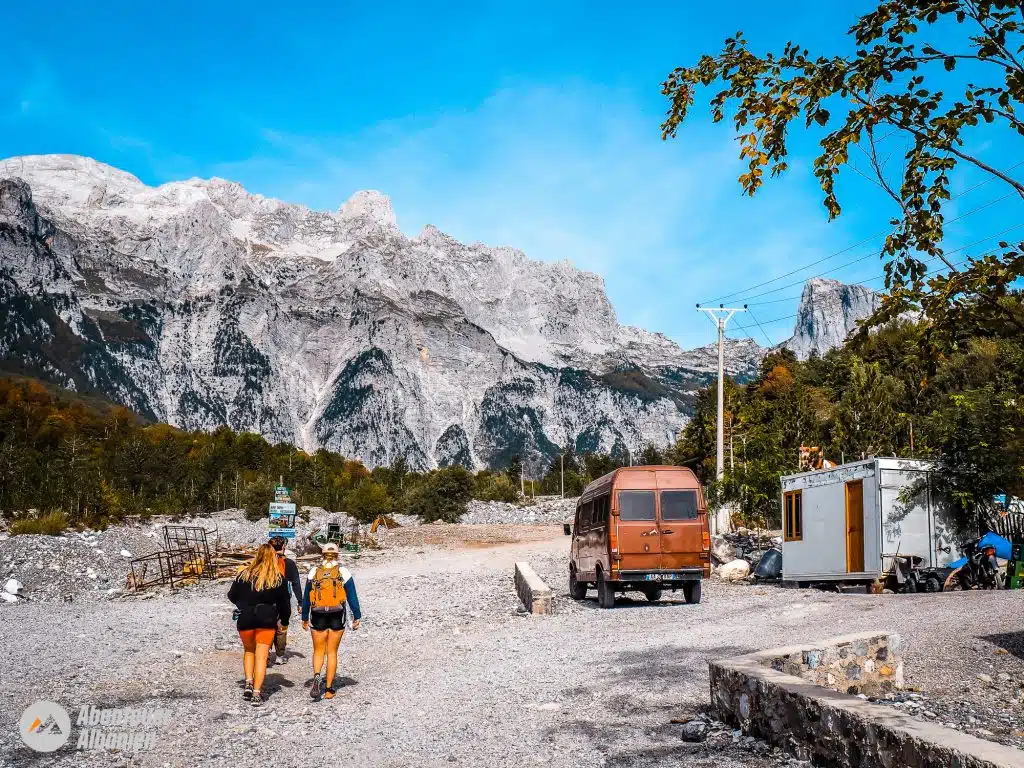
- Mountain villages: guesthouses in places like Theth, where a coffee or a glass of raki is often part of the welcome.
Frequently asked questions
What is the most popular drink in Albania?
Coffee is the everyday favourite: Albanians meet over espresso or macchiato, often more than once a day, and cafés are the centre of social life in towns and villages alike. Among alcoholic drinks, raki is the national spirit and the one most likely to be offered as a welcome, while beer and local wine are also widely drunk with meals.
What is Albanian raki made from?
Most Albanian raki is distilled from fermented grapes, and plum raki is also very common. Regional versions use mulberries, figs, blackberries or other fruit, and in the south some raki is flavoured with wild oregano. Unlike Turkish rakı, Albanian raki is not flavoured with aniseed and stays clear when water is added.
How strong is Albanian raki?
Raki is a spirit, so treat it like one. Commercial bottles are labelled with their strength, but homemade raki varies widely from family to family and from batch to batch, and some is considerably stronger than shop-bought spirits. Sip it slowly with food, accept refills sparingly and never drive after drinking, even if you only had a small glass or two.
Do Albanians drink alcohol, given that many are Muslim?
Albania is a largely secular country where Muslims, Orthodox and Catholic Christians and non-believers live side by side, and attitudes to alcohol vary from person to person. Many people enjoy raki, wine or beer in moderation, the Bektashi order has traditionally used raki in its ceremonies, and plenty of others abstain completely. Respect each person’s choice and never insist.
How do you say cheers in Albanian?
The usual toast is “Gëzuar!”, which means cheers and is pronounced roughly “guh-ZOO-ar”. You may also hear “Shëndet!”, meaning health, at family meals and celebrations. Raise your glass, smile and take a sip rather than draining it, especially when the drink in question is a glass of strong homemade raki.
Want to raise a glass with us? All of Albania in 8 Days includes a visit to a local winery near Berat, where traditional drinks such as raki are produced, and Long Weekend in Albania opens with a traditional dinner and folk music in Tirana.