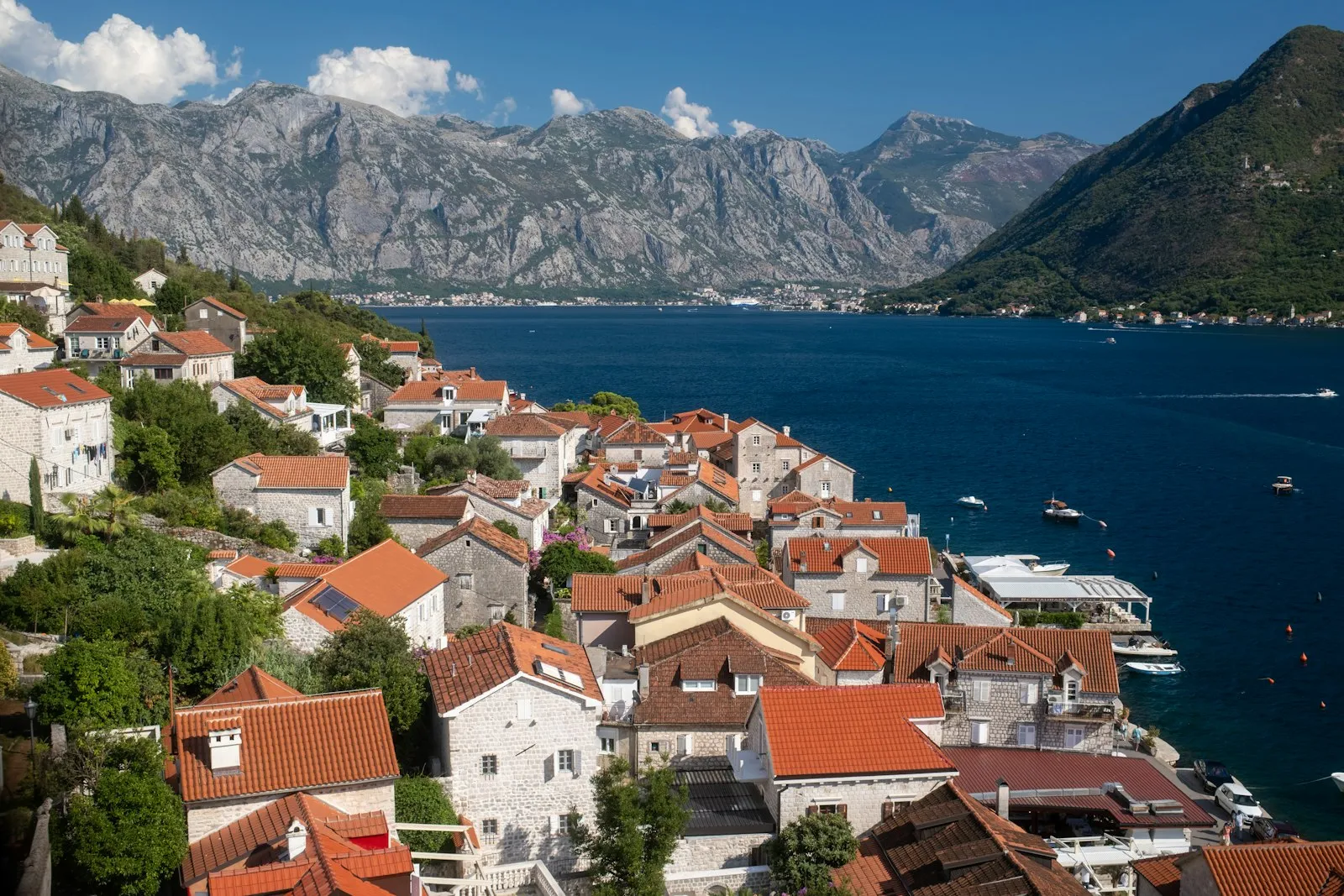
A good 2-week Balkans itinerary starting in Albania is a loop: Tirana and Shkodër, the Bay of Kotor and Budva in Montenegro, Prizren in Kosovo, Skopje and Lake Ohrid in North Macedonia, then back into Albania for Berat, Gjirokastër and the coast at Sarandë. Fourteen days is enough to see four countries without spending every day in the car – five if you add an optional day trip to Dubrovnik in Croatia.
Below you will find a day-by-day plan with realistic driving times, notes on borders and paperwork, and advice on whether to drive yourself or join a tour. The plan covers 14 days and nights, with your flight home on the morning of day 15. Driving times are approximate and assume no long stops; borders, roadworks and summer traffic can all add to them.
How the loop works
Starting and finishing in Tirana keeps things simple: you fly in and out of the same airport, avoid one-way car hire fees and end with a few easy days in southern Albania. The route runs clockwise, north to Montenegro, east to Kosovo and North Macedonia, then south through central Albania to the Ionian coast. Most stops get one or two nights, and the only really long travel day is the transfer from the Montenegrin coast to Prizren.
Day-by-day itinerary
Day 1: Arrive in Tirana
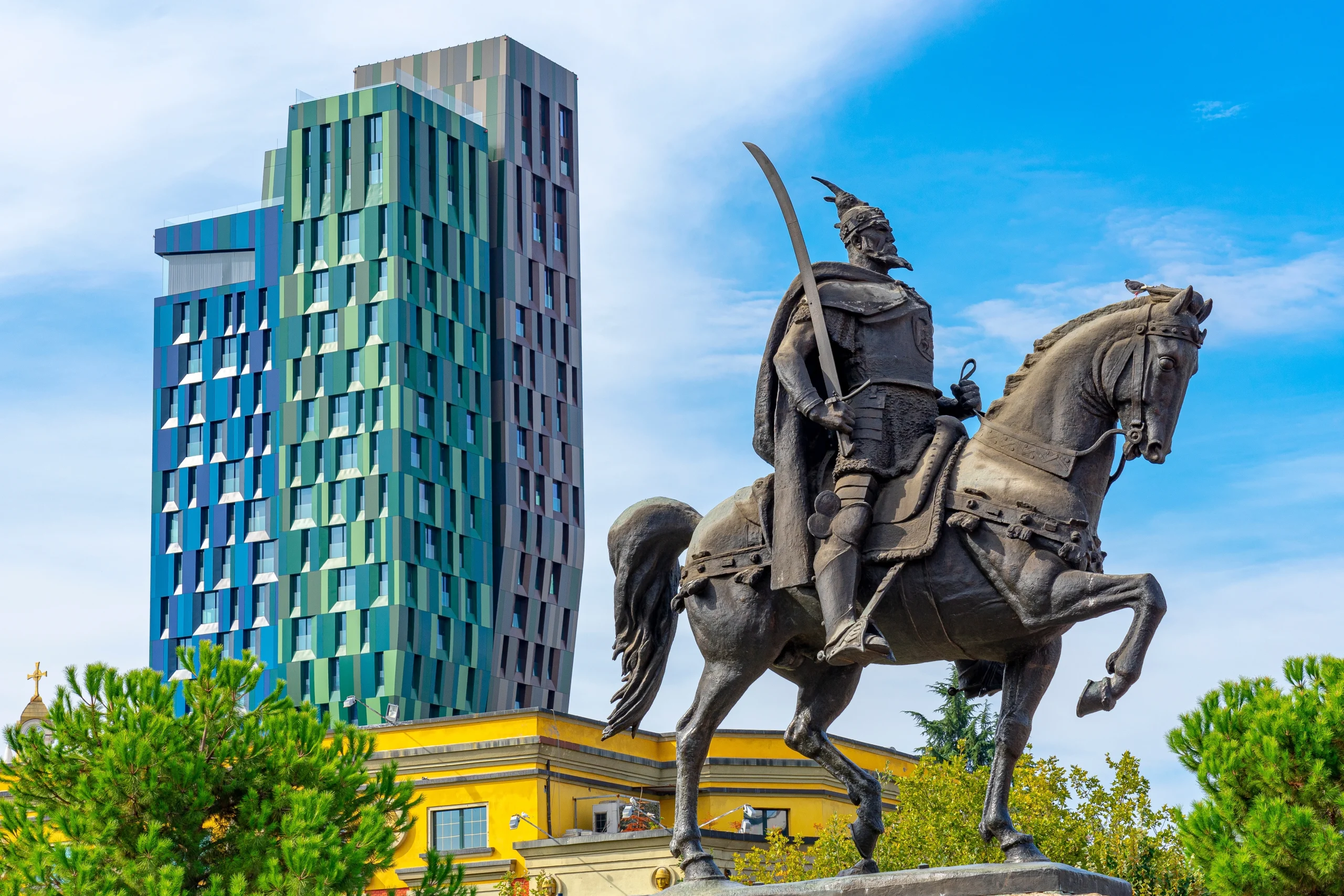
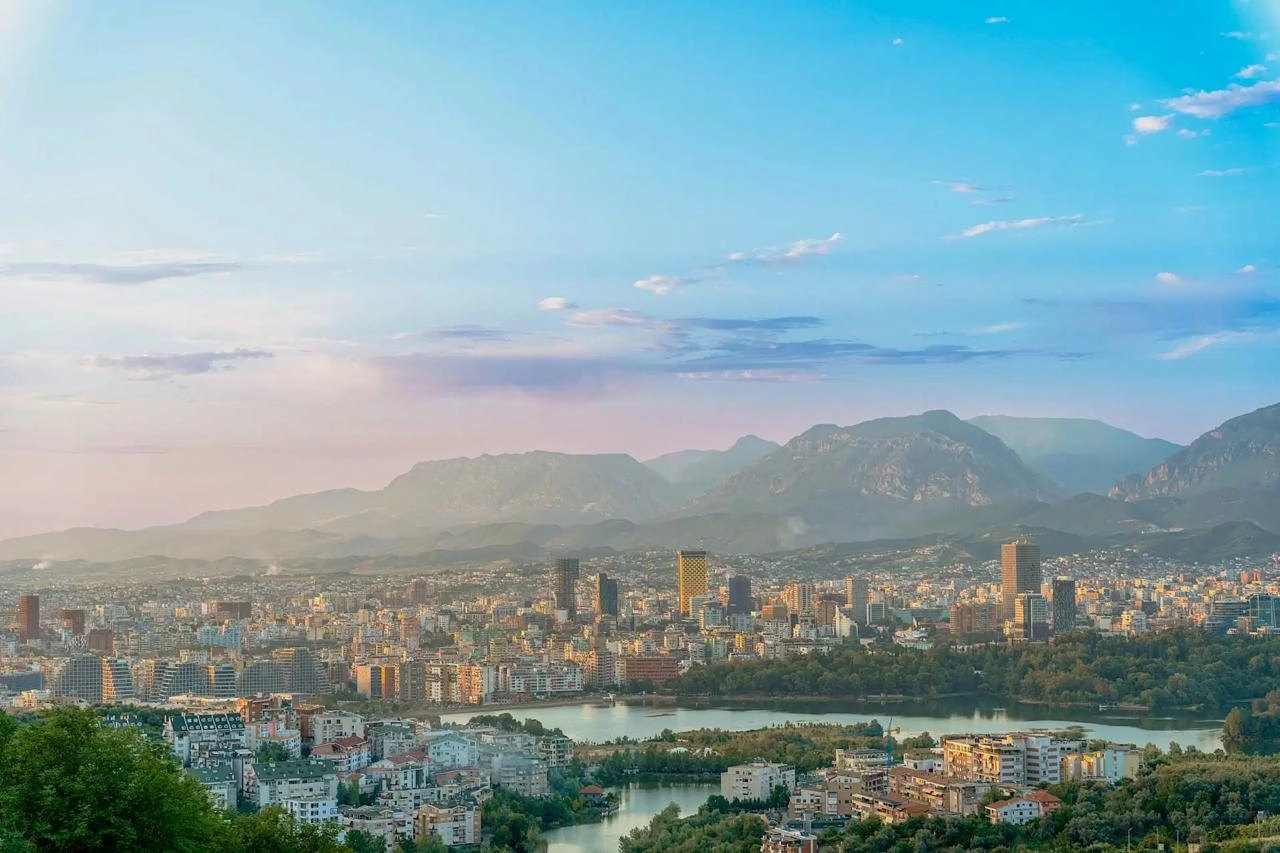
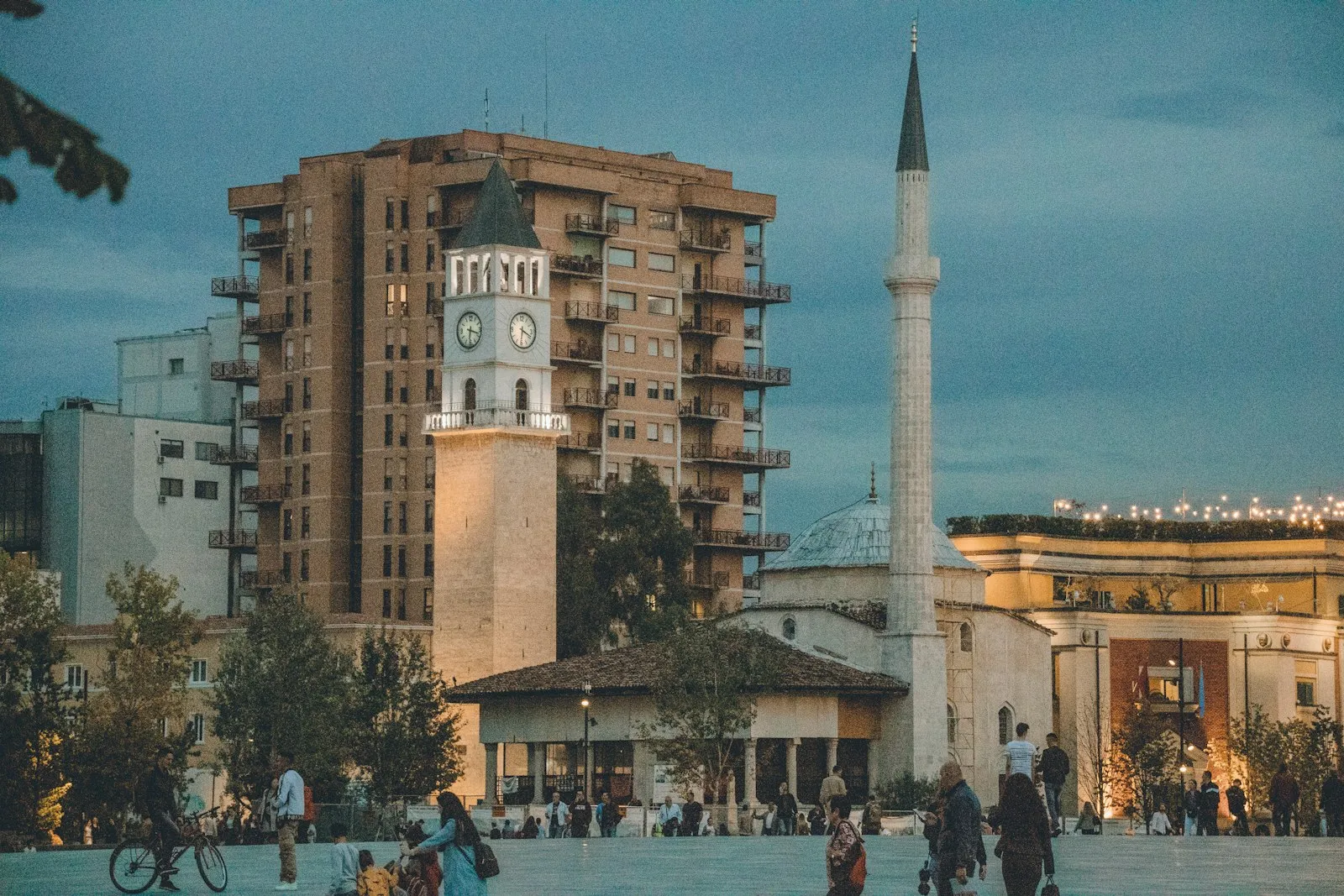
Settle in and spend the evening in Blloku, the once-restricted communist leadership quarter that is now Tirana’s liveliest café and nightlife district. If you arrive early, visit Skanderbeg Square and Bunk’Art.
Day 2: Tirana to Shkodër (about 2 hours)
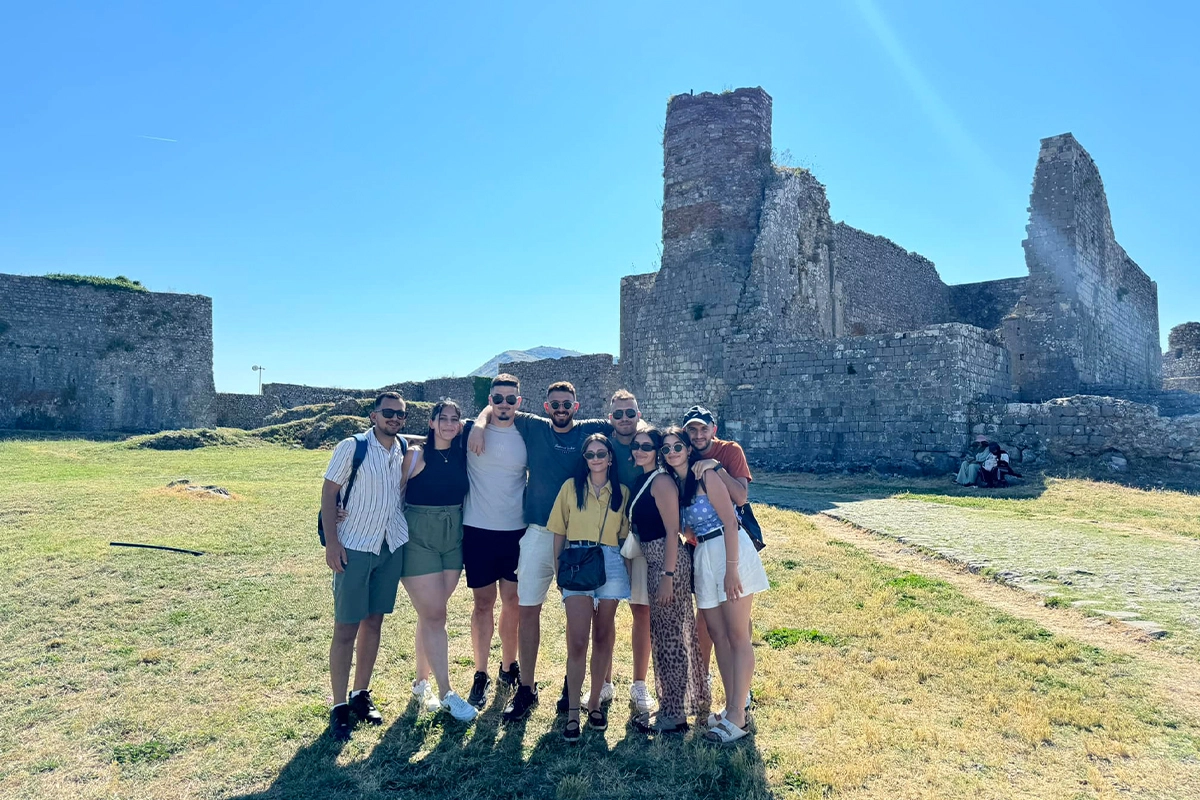
Drive north to Shkodër, the cultural capital of northern Albania. Climb to Rozafa Castle for views over Lake Shkodra and the rivers below, then stroll the pedestrian Gjuhadol street in the evening.
Day 3: Shkodër to Kotor (about 3 hours with the border)
Cross into Montenegro and continue to Kotor at the head of its fjord-like bay. Spend the afternoon exploring the walled old town and, if you have the energy, climb the city walls for sunset.
Day 4: Perast and the Bay of Kotor
Explore the bay: the baroque village of Perast, a boat out to Our Lady of the Rocks and perhaps the winding road up towards Lovćen National Park for views over the water. Return to Kotor for dinner in one of its squares.
Day 5: Budva and Sveti Stefan, or Dubrovnik
Either head down the coast to Budva’s old town and the famous view of Sveti Stefan, or take an optional day trip to Dubrovnik in Croatia, roughly two hours each way from Kotor plus border time. Croatia is in the EU’s Schengen area, so the crossing from Montenegro is an external EU border with full checks and, in summer, potentially long queues.
Day 6: Montenegro to Prizren (6–7 hours)
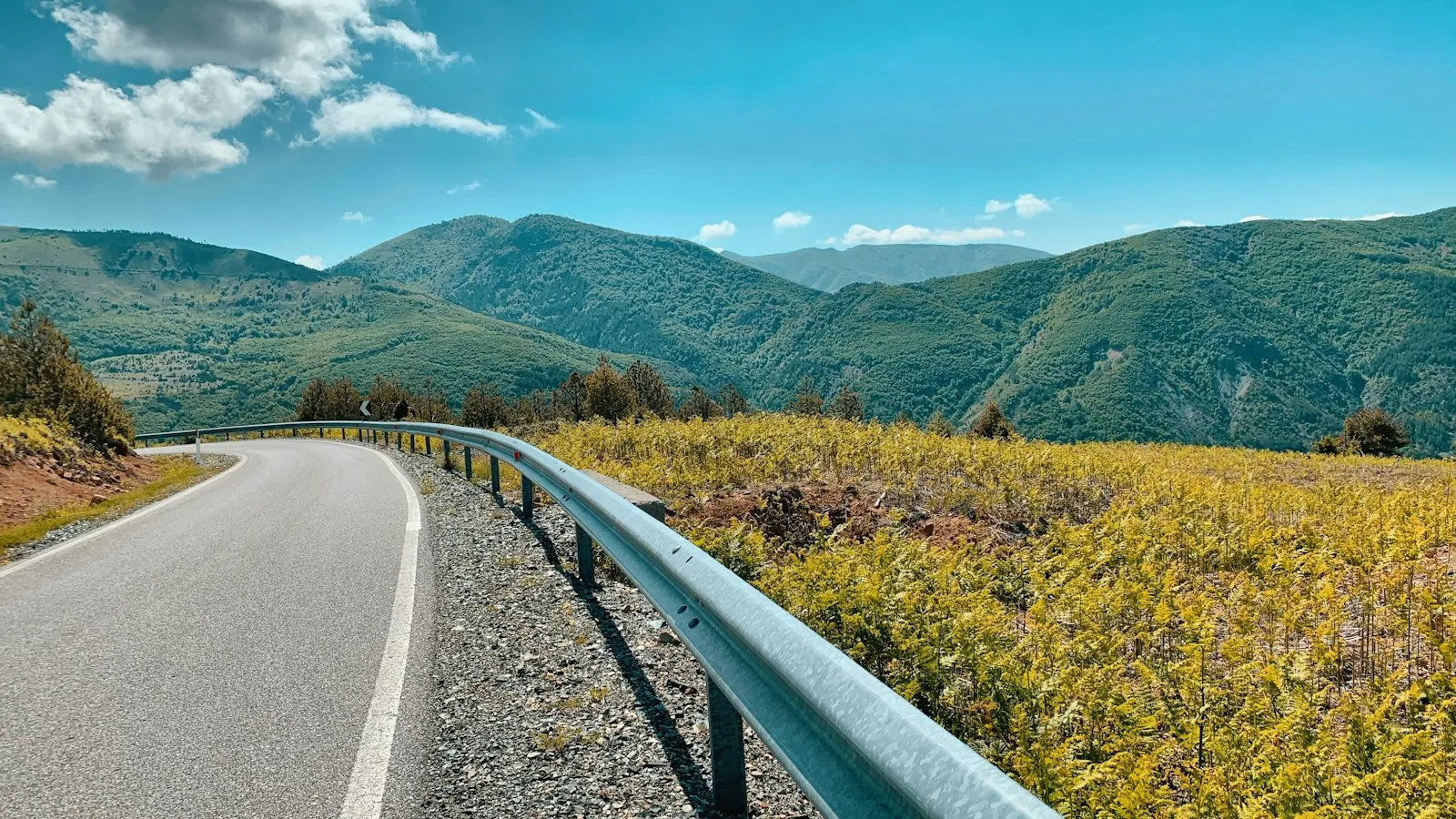
This is the big travel day. The most straightforward route runs back through Podgorica and Shkodër, then south to join the A1 motorway, which climbs east through the mountains of northern Albania to the Kosovo border at Morinë. Break the journey with lunch in Shkodër, or add an extra night there if you prefer a gentler pace.
Day 7: Prizren
Wander Prizren’s old town, visit the Sinan Pasha Mosque and the old stone bridge, and climb to the fortress for sunset. With an early start, you could also fit in a half-day trip to the old bazaar in nearby Gjakova.
Day 8: Prizren to Skopje (about 2.5–3 hours)
Cross into North Macedonia, adding a stop in Pristina if you do not mind a longer day. In Skopje, explore the Old Bazaar, the Stone Bridge and the monument-packed centre, or head out to Matka Canyon in the afternoon.
Day 9: Skopje to Ohrid (about 3 hours)
Drive south-west to Ohrid and spend the evening on the lakefront. Ohrid’s old town and lake are protected together by UNESCO, and the town is at its most atmospheric at dusk.
Day 10: Lake Ohrid
See the old town, the Church of St Sophia, Tsar Samuel’s Fortress and the clifftop Church of St John at Kaneo. In the afternoon, head south to the Monastery of St Naum and its springs, close to the Albanian border.
Day 11: Ohrid to Berat (about 4 hours)
Cross back into Albania, using the southern crossing near St Naum if you want to stop at Pogradec and the Drilon springs, then continue to Berat, the UNESCO-listed “town of a thousand windows”.
Day 12: Berat to Gjirokastër (about 3 hours)
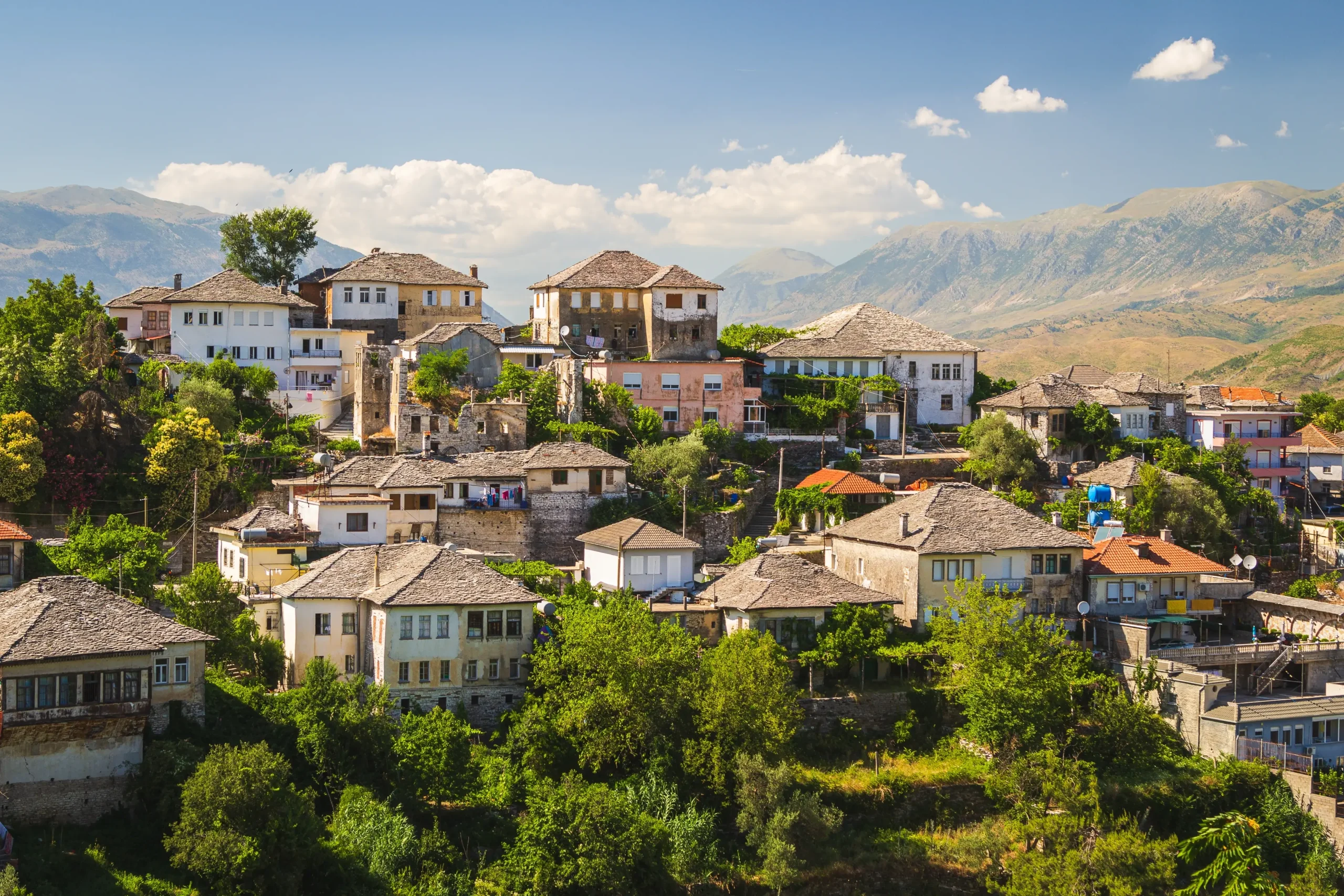
Explore Berat’s castle quarter and the Mangalem district in the morning, then drive south to Gjirokastër, Berat’s fellow UNESCO town, with its stone-roofed Ottoman houses and huge hilltop castle.
Day 13: Blue Eye, Butrint and Sarandë
Head for the coast via the Blue Eye spring, then continue to Sarandë. Spend the afternoon at the ancient city of Butrint, a UNESCO site since 1992, or on the beaches of Ksamil.
Day 14: The Riviera back to Tirana
Return north along the Albanian Riviera through Himarë and Dhërmi, over the Llogara Pass or through the tunnel beneath it, and on via Vlorë to Tirana. With stops, this is a full day, so fly home the next morning, or add a beach day on the Riviera if you can.
Approximate driving times
- Tirana – Shkodër: about 2 hours
- Shkodër – Kotor: about 3 hours, including the border
- Kotor – Dubrovnik: about 2 hours each way, plus border queues
- Kotor – Prizren: about 6–7 hours
- Prizren – Skopje: about 2.5–3 hours
- Skopje – Ohrid: about 3 hours
- Ohrid – Berat: about 4 hours
- Berat – Gjirokastër: about 3 hours
- Gjirokastër – Sarandë via the Blue Eye: about 1–1.5 hours
- Sarandë – Tirana via the Riviera: about 5–6 hours without long stops
Borders, money and paperwork
- Passports: you will cross several international borders, so carry a valid passport and check the visa rules of each country for your nationality.
- Schengen: only Croatia on this route is in the EU and the Schengen area; Albania, Montenegro, Kosovo and North Macedonia are outside both.
- Currencies: Albania uses the lek and North Macedonia the denar, while Montenegro, Kosovo and Croatia use the euro.
- Car hire: get written permission to take the car abroad and confirm insurance for every country. Kosovo is outside the Green Card system, so you will usually need to buy border insurance there.
- Kosovo and Serbia: this loop avoids Serbia; if you add it, check the rules on travelling between Kosovo and Serbia first.
Self-drive or guided tour?
Driving yourself offers maximum freedom, and most main roads on this route are in decent condition, but you will deal with border queues, cross-border paperwork, mountain roads and parking in historic towns. A guided tour takes care of all that and adds local knowledge at every stop. Our Albania – Macedonia – Kosovo – Montenegro 6-day tour covers much of this loop in under a week, while the Full Balkan Experience continues via Montenegro to Dubrovnik, Mostar and Sarajevo. For more inspiration, see our overview of Balkan tours for 2026.
When to go
The best months are May, June, September and early October, when the weather is warm and settled, sightseeing is comfortable and border queues are shorter. July and August bring heat, crowds on the coast and long waits at the Montenegrin and Croatian borders. Winter trips are possible, but expect snow on mountain roads, short days and seasonal closures on the coast.
How to adapt the route
- Short on time? Skip Dubrovnik and Skopje, and drive from Prizren straight to Ohrid.
- Love the mountains? Add Theth or the Komani Lake ferry from Shkodër.
- Want more beach time? Add a day or two in Ksamil or Himarë at the end.
- Collecting countries? Continue from Dubrovnik to Mostar and Sarajevo, and fly home from there.
Frequently asked questions
Is two weeks enough for the Balkans?
Two weeks is enough for a satisfying first taste of the western Balkans if you focus on one region, such as Albania and its immediate neighbours. You will see four or five countries, several UNESCO sites and both mountains and coast. What it will not allow is the whole peninsula, so resist adding too many extra stops and keep at least a couple of slower days.
Can I do this itinerary by public transport?
Partly. Buses connect most of the towns on this route, including Tirana, Shkodër, Kotor, Prizren, Skopje, Ohrid, Berat, Gjirokastër and Sarandë, but timetables change often, some cross-border connections are infrequent, and journeys take longer than by car. If you go by bus, allow a few extra days, check schedules locally and be ready to adapt.
Which countries on this route are in the EU?
Only Croatia, which you would visit on the optional Dubrovnik day trip. Croatia joined both the euro and the Schengen area on 1 January 2023. Albania, Montenegro, North Macedonia and Kosovo are not EU members, although Montenegro and Kosovo use the euro. Each country has its own entry rules, so check them for your passport before travelling.
Should I hire a car for two weeks in the Balkans?
A car gives you flexibility, especially for detours like Perast, the Blue Eye and the Riviera. The downsides are border queues, cross-border permissions and insurance, one-way fees if you finish elsewhere, and long stretches of mountain driving. If you would rather relax and enjoy the views, a guided tour or a private driver covers the same ground without the logistics.
Which direction should I do the loop?
Either direction works. Going clockwise, as here, gets the long border days out of the way early and finishes with the beaches of southern Albania, which is a relaxing way to end a busy trip. Going anticlockwise works just as well if you would rather start with the coast and save the mountains and Montenegro for the second week.
Prefer to leave the planning to us? Browse our cross-country Balkan tours, or join one of our confirmed departures to travel with a group on a fixed date.