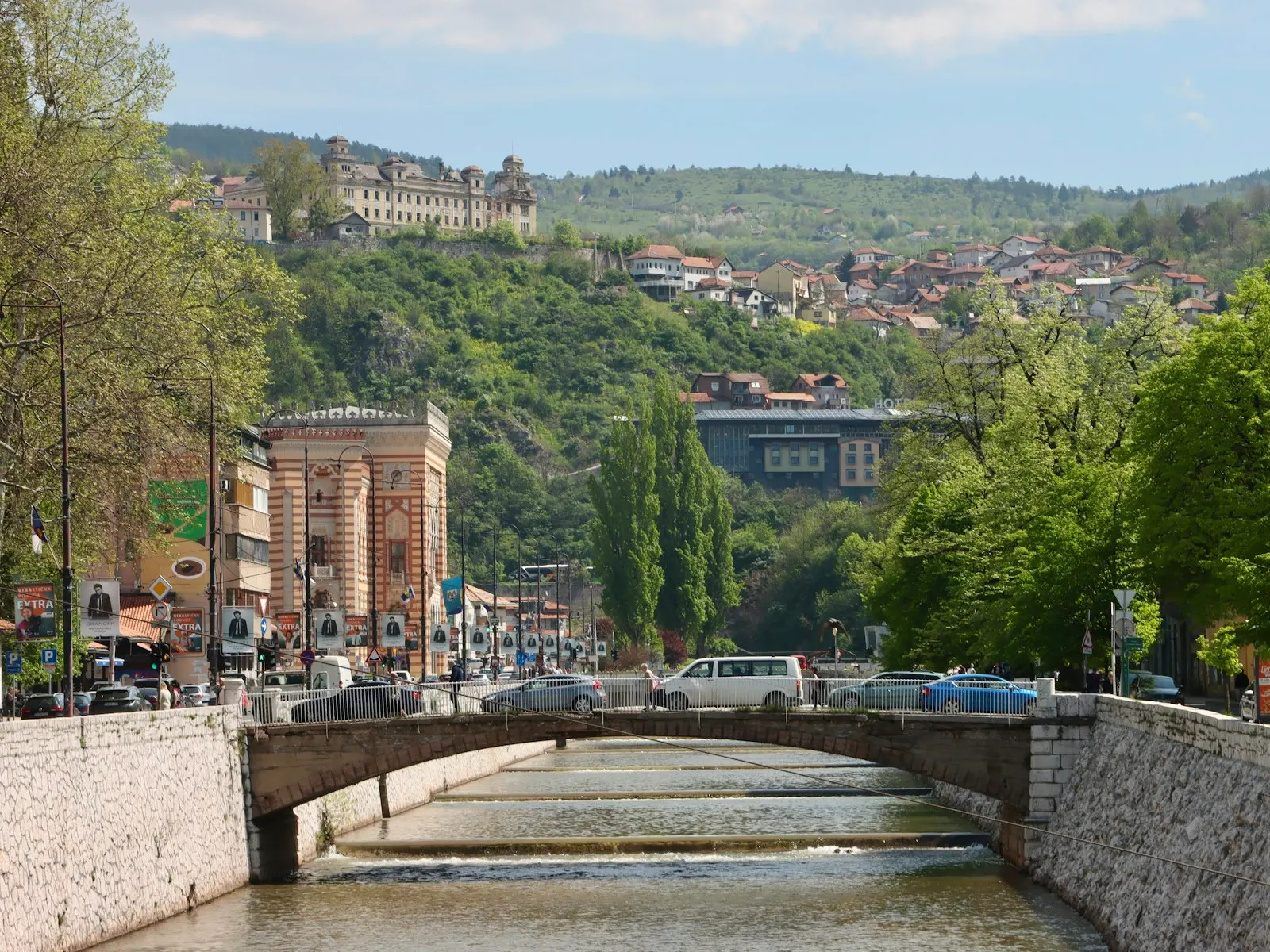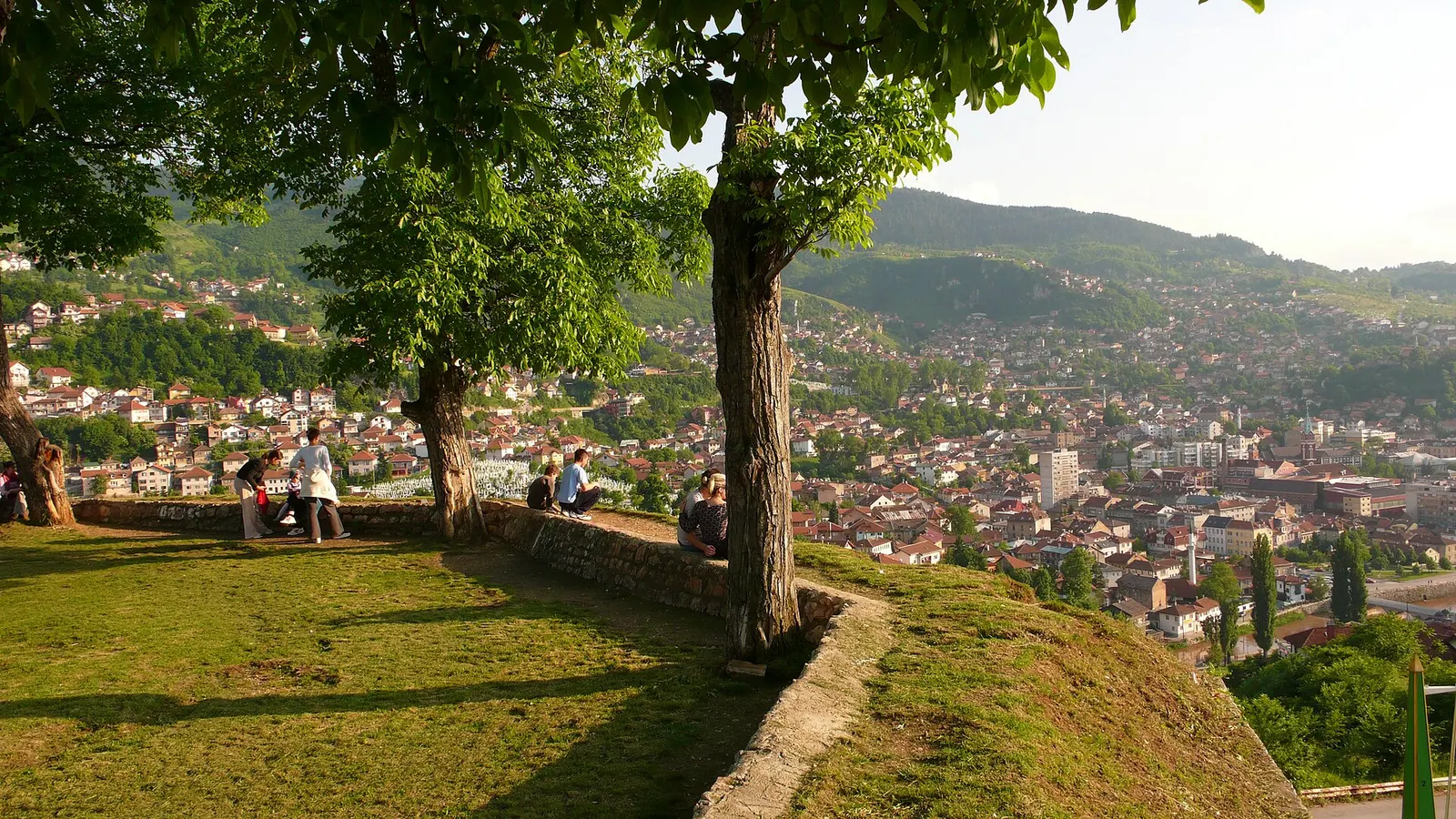
The bastion was part of the Vratnik walled town, fortified in the 1720s and 1730s under the Bosnian governor Ahmed Pasha Rustempašić after Prince Eugene of Savoy’s raid of 1697 had left Sarajevo in flames. The new defences had three gate towers and five bastions, of which the White and Yellow Bastions are the best known; the Yellow Bastion is named after the colour of its stone. It was among the positions defended against Austro-Hungarian troops in 1878, after which it lost its military role.
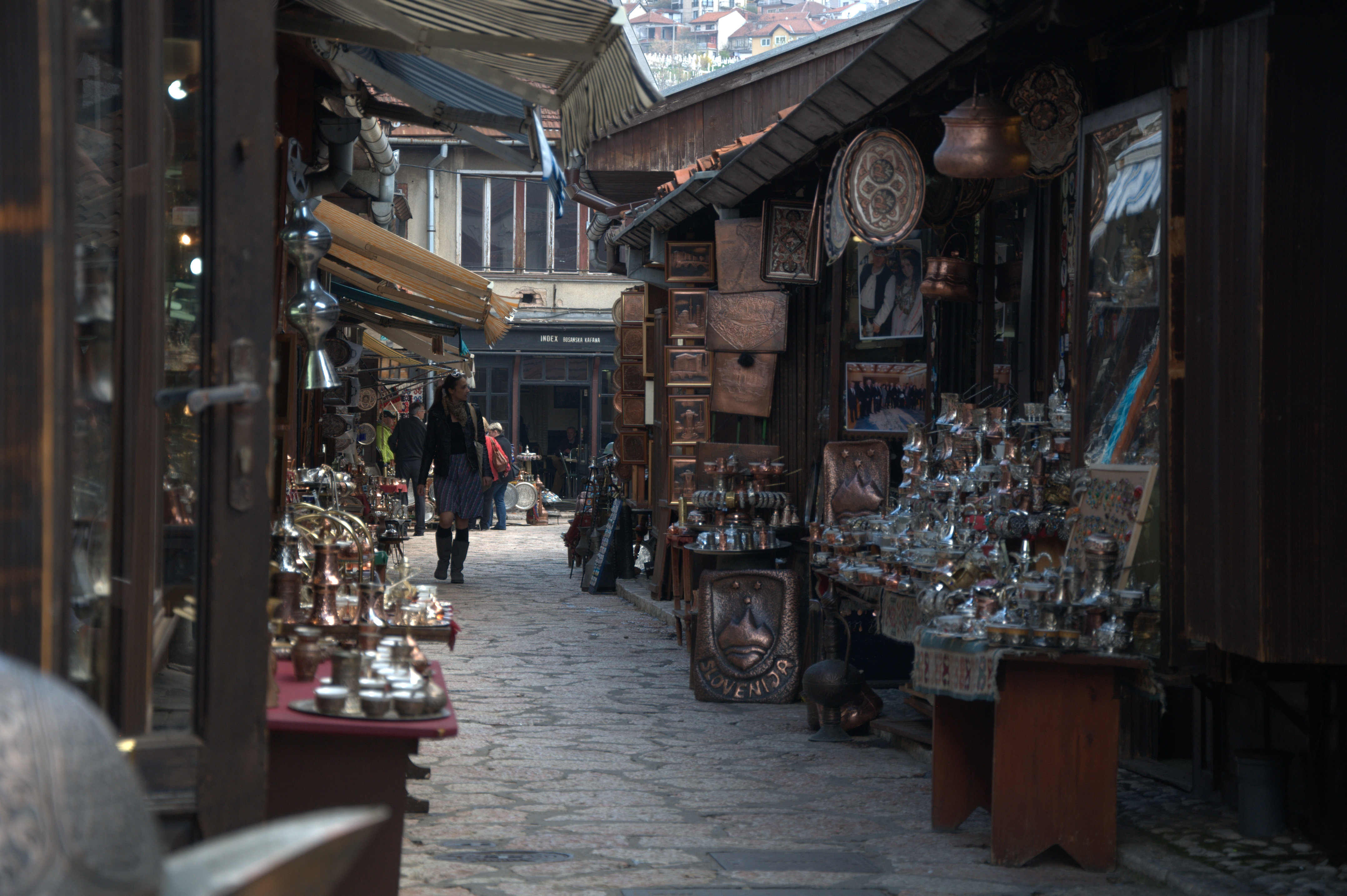
Most visitors walk up from Baščaršija through the Kovači neighbourhood, passing the Martyrs’ Memorial Cemetery, where Bosnia and Herzegovina’s wartime president, Alija Izetbegović, is buried. The bastion is at its busiest around sunset, when the evening call to prayer rises from the mosques below and the city lights begin to glow. During Ramadan, a cannon fired from the bastion each evening marks the moment to break the day’s fast.
Bring a warm layer on cooler evenings and linger for the view after dark.