
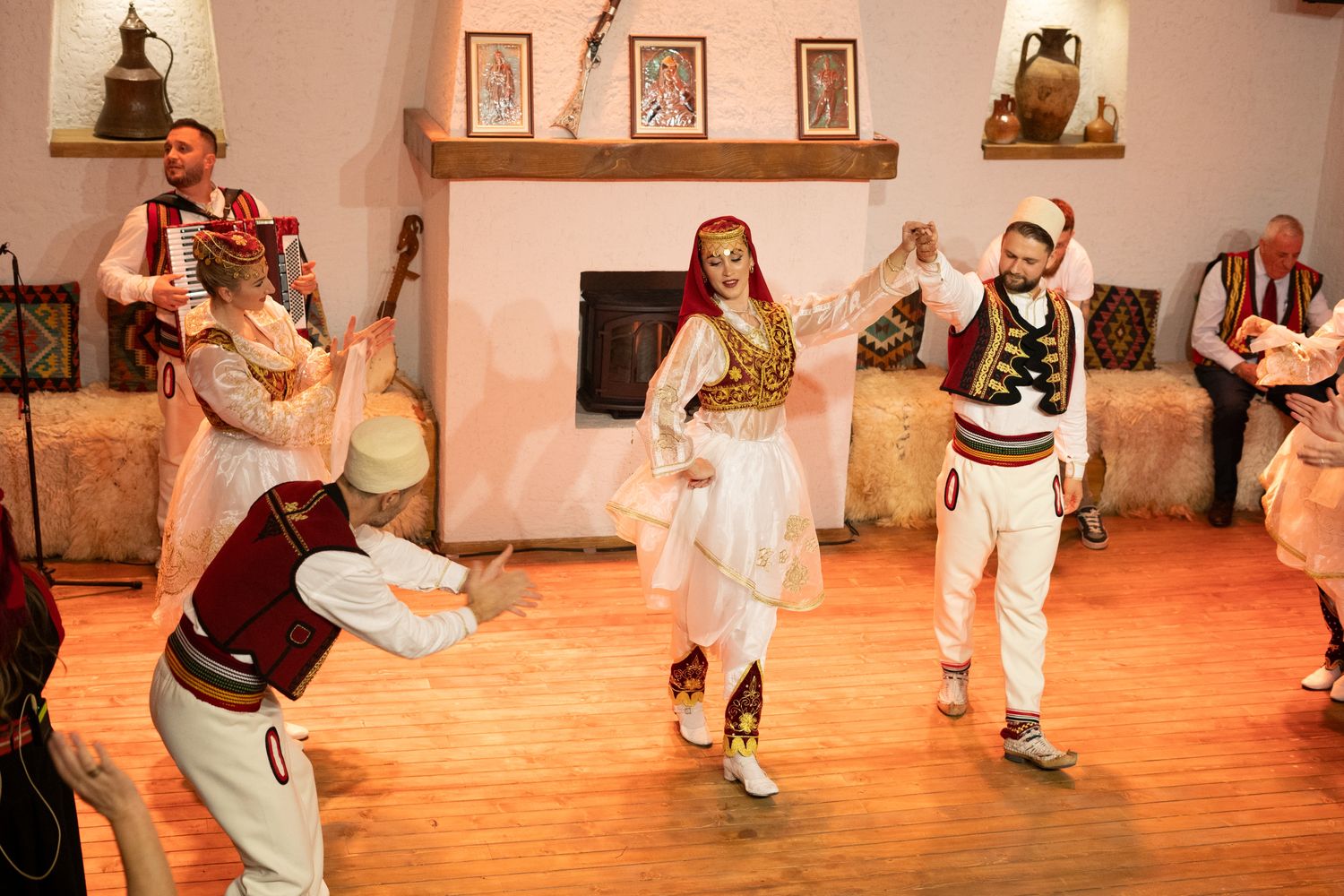
Celebrating Albanian Identity Through Traditional Dress
Albanian traditional dress is a vibrant symbol of the country’s rich cultural heritage and unique identity. With its intricate designs and colorful patterns, traditional Albanian attire tells stories of the past while continuing to inspire pride in the present. Let’s explore the significance and details of these captivating garments.

Albanian traditional costumes are more than mere clothing; they embody the history, geography, and lifestyle of the Albanian people. Each region of Albania boasts its own distinctive style, reflecting local customs and influences. These costumes are often adorned with elaborate embroidery, showcasing the artistry and craftsmanship passed down through generations.
Regional Variations
The diversity of traditional Albanian dress is a testament to the country’s varied landscape and cultural influences. From the mountainous regions to the coastal areas, each community has developed its own unique attire. For instance, the costumes from the northern highlands are characterized by heavy woolen fabrics and bold geometric patterns, while those from the southern regions feature lighter materials and floral designs.
The Components of Traditional Albanian Dress
Traditional Albanian attire typically includes a combination of garments that are both functional and decorative. Key components of these costumes include:
- Fustanella: A pleated skirt worn by men, particularly in the southern regions. It is often paired with a fitted vest and a sash.
- Xhubleta: A bell-shaped skirt worn by women in the northern areas, typically adorned with intricate patterns and vibrant colors.
- Jelek: A short, embroidered vest worn by both men and women, adding an element of elegance to the ensemble.
- Opinga: Traditional leather shoes, often featuring a pointed toe and decorative stitching.
The Cultural Significance

Traditional Albanian dress plays a vital role in cultural celebrations and ceremonies. These garments are often worn during weddings, festivals, and national holidays, serving as a powerful reminder of the nation’s history and unity. By donning these costumes, individuals express their pride in their heritage and honor their ancestors.
Preserving Tradition
Efforts to preserve and promote traditional Albanian dress have gained momentum in recent years. Cultural organizations and enthusiasts are working tirelessly to ensure that these garments remain an integral part of Albania’s identity. By showcasing the beauty and craftsmanship of traditional attire, they aim to inspire younger generations to embrace their cultural roots.
Conclusion
In conclusion, Albanian traditional dress is a vibrant expression of the country’s rich heritage and identity. With its intricate designs and regional variations, it serves as a testament to the creativity and resilience of the Albanian people. By celebrating and preserving these garments, Albania continues to honor its past while looking toward the future with pride.
Whether you’re an enthusiast of cultural heritage or simply curious about the beauty of traditional attire, Albanian dress offers a fascinating glimpse into the heart of this captivating nation.