
Exploring Albania’s Rich Cultural Heritage
Albania, a hidden gem in Southeast Europe, boasts a rich cultural heritage that is often overlooked. Nestled between the Adriatic and Ionian seas, it offers a fascinating blend of ancient history, vibrant traditions, and breathtaking landscapes. A journey through this enchanting country reveals a tapestry of influences from the Illyrians, Greeks, Romans, Byzantines, Ottomans, and more, each leaving their mark on Albania’s cultural fabric. In this article, we will delve into the UNESCO World Heritage Sites of Albania, explore its vibrant cultural traditions, and uncover the unique heritage that makes this country a must-visit destination.
While Albania might not be as widely recognized as its neighboring countries for its cultural offerings, it is precisely this under-the-radar status that makes it an intriguing destination for explorers seeking authenticity. The country’s cultural landscape is a vibrant patchwork of history and tradition, visible in its architecture, art, and the everyday lives of its people. Moreover, Albania’s commitment to preserving its rich cultural narrative is evident in its numerous historical sites, festivals, and cultural institutions that continue to thrive and evolve.
Albania is home to several UNESCO World Heritage Sites, each telling a unique story of the country’s historical significance. These sites are not only a testament to the country’s rich past but also serve as a bridge connecting the present with its storied history. They offer visitors an opportunity to walk through the pages of history, experiencing firsthand the grandeur and complexity of civilizations that once thrived in this region.
The inclusion of these sites on the UNESCO list underscores their global importance and highlights Albania’s role in the broader narrative of human history. These sites are protected and preserved, ensuring that future generations can also experience and learn from these invaluable cultural treasures. The commitment to maintaining these sites reflects Albania’s dedication to safeguarding its cultural legacy and sharing it with the world.
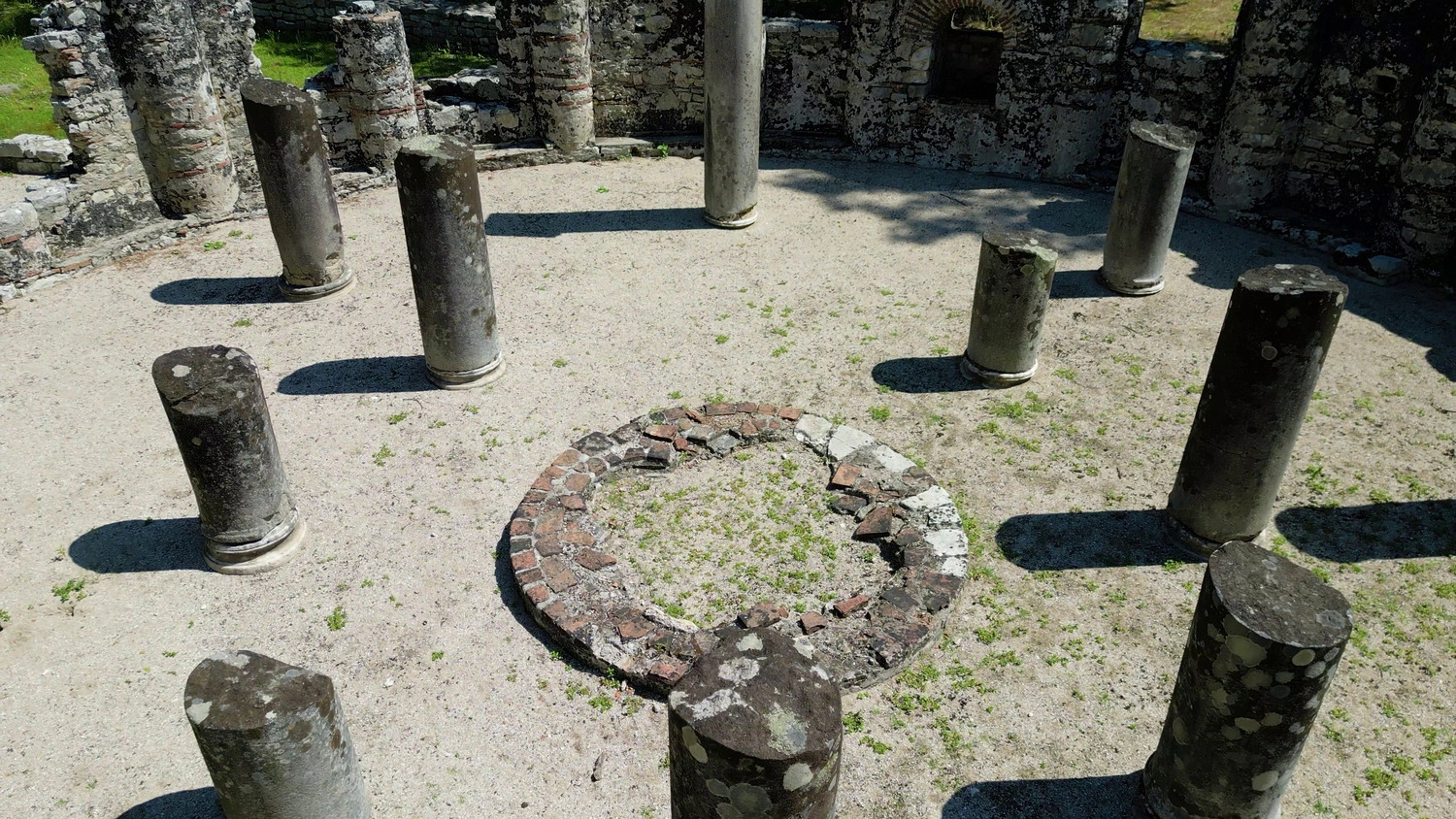
One of Albania’s most renowned UNESCO sites is Butrint, an ancient city located in the southwestern part of the country. This archaeological site offers a glimpse into the past, with remains dating back to the Hellenistic period. Walking through Butrint, visitors can explore the ruins of a Greek theater, Roman baths, and a Byzantine basilica, all set against the backdrop of a lush national park. The site reflects the various civilizations that have inhabited the area over millennia, making it a must-see for history enthusiasts.
Butrint’s strategic location near the Vivari Channel made it a significant port city in ancient times, serving as a crossroads for trade and cultural exchange between the Mediterranean and the Balkans. This historical significance is evident in the rich mosaic of architectural styles and artifacts found throughout the site. The conservation efforts at Butrint not only protect these ancient structures but also provide valuable insights into the daily lives, trade practices, and cultural exchanges of its former inhabitants.
Another UNESCO World Heritage Site, Gjirokastër, is known as the “Stone City” due to its distinctive architecture. The city is perched on the slopes of the Drino Valley and is characterized by its well-preserved Ottoman-era houses, cobbled streets, and a formidable castle that dominates the skyline. Gjirokastër offers a unique glimpse into Albania’s Ottoman past, and its charming ambiance transports visitors back in time.
The city’s architecture is a testament to the skill and creativity of its builders, with the stone houses featuring distinctive roof tiles and intricate woodwork. Gjirokastër’s castle, one of the largest in the Balkans, stands as a guardian of the city’s history, offering panoramic views and housing several museums that delve into the region’s past. The city’s cultural heritage is celebrated through various events, including the National Folklore Festival, which brings the streets alive with music and dance, further enriching the visitor’s experience.
Berat, often referred to as the “City of a Thousand Windows,” is another jewel in Albania’s cultural crown. This UNESCO site is renowned for its white Ottoman houses with large windows, stacked on the hillsides overlooking the Osum River. The city’s old quarter, Mangalem, along with the castle and the Byzantine churches, offer a fascinating insight into Albania’s architectural and cultural history. Exploring Berat is like walking through a living museum, where every corner tells a story of the past.
Berat’s unique architectural style, with its harmonious blend of Ottoman and Byzantine influences, captivates visitors, offering a visual feast that mirrors the city’s rich cultural tapestry. The city’s religious sites, including the Onufri Museum housed in the Cathedral of the Dormition of St. Mary, showcase exquisite examples of Byzantine art and iconography. Visitors to Berat are not only treated to stunning architectural sights but also to the warmth and hospitality of its residents, who take pride in sharing their rich heritage with the world.
Albanian culture is a vibrant tapestry woven with diverse influences, from traditional music and dance to culinary delights and ancient customs. The cultural expressions of Albania are deeply rooted in its history and are a living testament to the resilience and creativity of its people. This cultural richness is evident in the everyday lives of Albanians, who maintain a strong connection to their traditions while embracing modernity.
The preservation of cultural practices is supported by community efforts and governmental initiatives that recognize the importance of maintaining these traditions for future generations. As Albania continues to develop and modernize, its cultural identity remains a central pillar, providing a sense of continuity and belonging that unites its people.
Music and dance are integral to Albanian culture, with traditional folk music playing a significant role in community celebrations and gatherings. The polyphonic singing of southern Albania, recognized by UNESCO as an Intangible Cultural Heritage, is a unique vocal tradition that showcases the country’s musical diversity. Traditional dances, such as the Valle and Shota, are performed with intricate footwork and lively rhythms, reflecting the spirit and energy of the Albanian people.
These musical traditions are not just performances but are woven into the fabric of daily life, with songs and dances often passed down through generations. They provide a means of storytelling, celebrating historical events, and fostering community bonds. In urban and rural settings alike, music and dance serve as a common language that transcends regional differences, uniting Albanians in a shared cultural expression.
Albanian cuisine is a delightful blend of Mediterranean and Balkan flavors, offering a taste of tradition with every bite. Fresh ingredients, such as olives, cheese, and vegetables, form the basis of many dishes. A visit to Albania is incomplete without trying the national dish, Tavë Kosi, a delicious lamb and yogurt casserole. Other popular dishes include Byrek, a savory pastry filled with cheese or meat, and Fërgesë, a hearty stew made with peppers, tomatoes, and cottage cheese.
The culinary traditions of Albania are deeply connected to its agricultural heritage, with many dishes reflecting the bounty of the land and the ingenuity of its people. Meals are often shared family affairs, emphasizing hospitality and community. Visitors to Albania will find that food is not just sustenance but a celebration of life, with each dish telling a story of the region’s history, geography, and cultural influences.
Albania’s cultural calendar is filled with festivals and celebrations that offer a glimpse into the country’s rich traditions. One of the most significant events is the National Folklore Festival, held in Gjirokastër every five years, where performers from across Albania showcase their traditional music, dance, and costumes. Another notable celebration is the Summer Day Festival, celebrated on March 14th, marking the end of winter and the beginning of spring. These festivals are a testament to the enduring cultural heritage of Albania and provide a unique opportunity for visitors to immerse themselves in local traditions.
These festivals are not only a chance to enjoy vibrant performances but also serve as important occasions for cultural exchange and preservation. They provide a platform for young Albanians to learn about and participate in their cultural heritage, ensuring that these traditions continue to thrive. The communal nature of these celebrations fosters a sense of unity and pride among participants and spectators alike, reinforcing the importance of cultural identity in Albania.
Efforts to preserve and promote Albania’s cultural heritage are crucial to maintaining the country’s unique identity and ensuring its rich history is passed down to future generations. The responsibility of preserving this heritage is shared by both governmental bodies and local communities, who work together to protect and celebrate Albania’s cultural legacy.
Preservation initiatives are supported by international collaborations and funding, which provide resources and expertise to help maintain and restore historical sites and cultural practices. These efforts underscore the global importance of Albania’s cultural heritage and the universal value of preserving cultural diversity.
Albania’s cultural institutions and museums play a vital role in preserving the country’s heritage. The National Museum of History in Tirana, for example, offers a comprehensive overview of Albania’s past, from prehistoric times to the present day. The Ethnographic Museum in Berat provides insights into traditional Albanian life, showcasing artifacts and exhibits that highlight the country’s cultural diversity.
These institutions not only serve as repositories of historical artifacts but also as educational centers that engage the public in learning about Albania’s rich cultural history. They host exhibitions, workshops, and lectures that encourage both locals and tourists to explore and appreciate the country’s diverse heritage. Through these activities, museums and cultural institutions foster a deeper understanding and appreciation of Albania’s past, helping to ensure its preservation for future generations.
Community initiatives and educational programs are also essential in preserving Albania’s cultural heritage. Local organizations work to raise awareness about the importance of cultural preservation and engage young people in activities that promote traditional arts and crafts. These efforts help ensure that Albania’s rich cultural heritage continues to thrive and be appreciated by future generations.
Educational programs in schools and communities emphasize the importance of cultural heritage, teaching young people about the history and significance of their traditions. Workshops and cultural events provide hands-on experiences, allowing participants to actively engage with their heritage. These initiatives not only preserve cultural practices but also instill a sense of pride and identity in young Albanians, ensuring that the country’s cultural legacy remains vibrant and relevant.
Exploring Albania’s rich cultural heritage is a journey through time, offering a fascinating insight into the country’s diverse history and vibrant traditions. From the ancient ruins of Butrint to the charming streets of Gjirokastër and Berat, Albania’s UNESCO World Heritage Sites are a testament to its historical significance and cultural wealth. Coupled with its lively music, delicious cuisine, and colorful festivals, Albania is a destination that promises an enriching and unforgettable experience for all who visit.
Whether you’re a history buff, a culture enthusiast, or simply a curious traveler, Albania’s cultural heritage is waiting to be discovered. This journey through Albania’s past and present not only offers a deeper understanding of the country’s unique identity but also highlights the universal importance of preserving cultural diversity. As you explore Albania’s cultural landscapes, you’ll find a country proud of its heritage and eager to share its stories with the world, inviting you to be a part of its ongoing narrative.
Q&A
Question: Why is Albania a compelling cultural destination despite being less recognized? Short answer: Albania’s “under-the-radar” status is part of its appeal: travelers find authenticity in a cultural landscape where history and tradition are visible in architecture, art, and daily life. The country actively preserves its narrative through protected historical sites, festivals, and cultural institutions, creating a living link between past and present. This commitment lets visitors experience a rich patchwork of influences—from Illyrians to Ottomans—without the crowds, while engaging with communities proud to share their heritage.
Question: Which UNESCO World Heritage Sites are highlighted, and what makes each unique? Short answer: The article spotlights three sites:
- Butrint: An ancient city in the southwest with remains from the Hellenistic period onward, including a Greek theater, Roman baths, and a Byzantine basilica set in a lush national park. Its position near the Vivari Channel made it a key port and cultural crossroads, reflected in its layered architecture and artifacts.
- Gjirokastër (“Stone City”): Known for well-preserved Ottoman-era stone houses, cobbled streets, and a dominating castle—one of the largest in the Balkans—offering museums and panoramic views. It vividly conveys Albania’s Ottoman past and hosts major cultural events.
- Berat (“City of a Thousand Windows”): Celebrated for white Ottoman houses cascading over hills above the Osum River, the Mangalem quarter, and Byzantine churches. Highlights include the Onufri Museum (inside the Cathedral of the Dormition of St. Mary), showcasing exquisite Byzantine art and iconography.
Question: How do music and dance express Albania’s cultural identity? Short answer: Music and dance are integral to community life, storytelling, and celebration. Southern Albania’s polyphonic singing—recognized by UNESCO as Intangible Cultural Heritage—demonstrates the country’s unique vocal traditions. Dances like the Valle and Shota, marked by intricate footwork and lively rhythms, are passed down through generations and performed in both rural and urban settings. Together, these practices strengthen community bonds and serve as a shared cultural language that unites regions.
Question: What foods should visitors try, and what do they reveal about Albanian culture? Short answer: Signature dishes include Tavë Kosi (a lamb and yogurt casserole considered the national dish), Byrek (savory pastry with cheese or meat), and Fërgesë (a hearty stew of peppers, tomatoes, and cottage cheese). Centered on fresh Mediterranean and Balkan ingredients like olives, cheese, and vegetables, Albanian cuisine reflects an agricultural heritage and a tradition of hospitality. Meals are communal, emphasizing family, generosity, and a sense of place—each dish telling a story of history and landscape.
Question: How is Albania preserving and promoting its cultural heritage? Short answer: Preservation is a shared effort among government bodies, local communities, and international partners that provide resources and expertise. Protected sites and active conservation work safeguard monuments and archaeological treasures. Cultural institutions—such as the National Museum of History in Tirana and the Ethnographic Museum in Berat—educate the public through exhibitions, workshops, and lectures. Community initiatives and school programs engage youth in traditional arts and crafts, while festivals (including the National Folklore Festival in Gjirokastër and the Summer Day Festival on March 14) foster cultural exchange, continuity, and pride.