
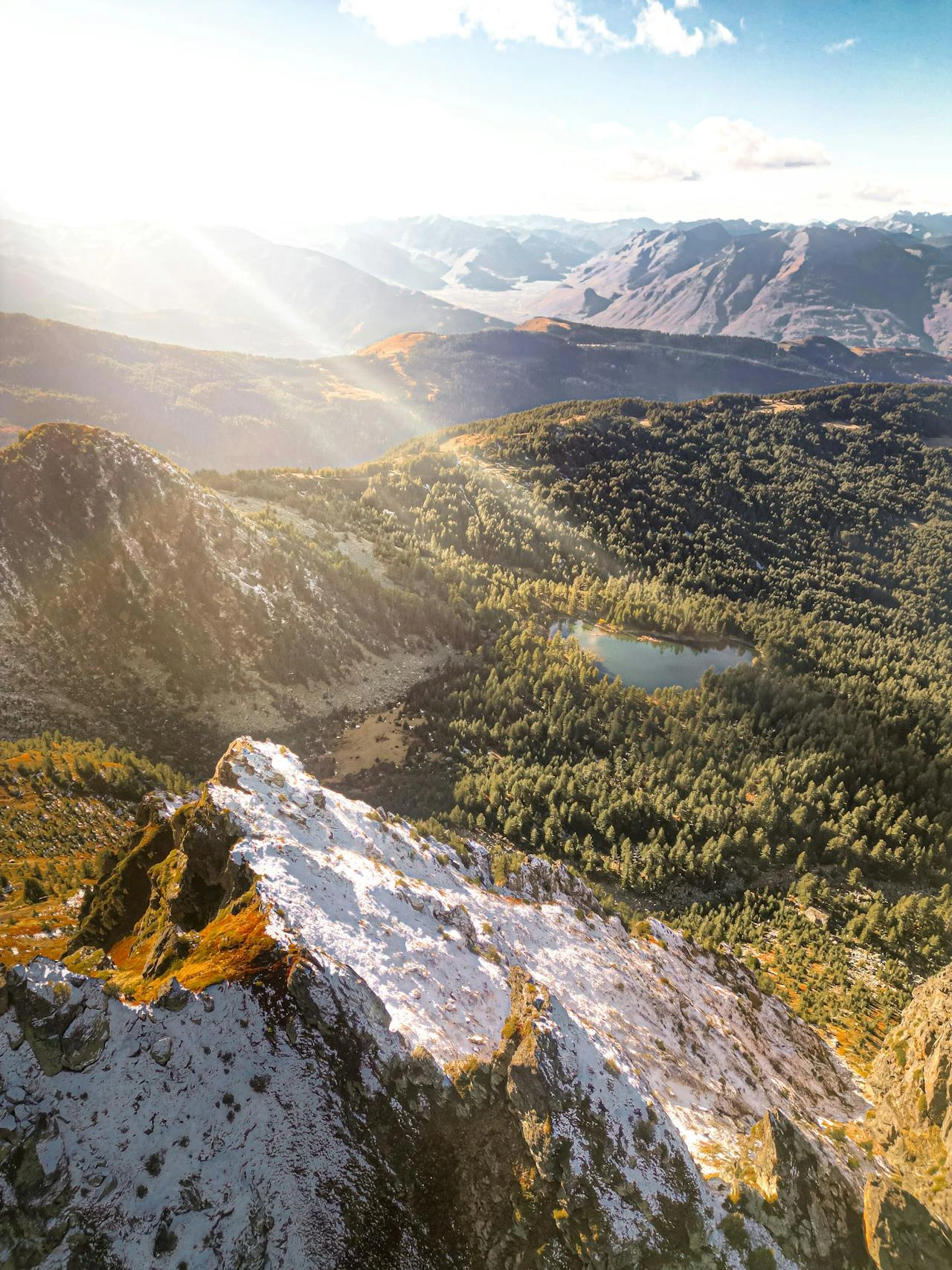
Albania, a land of striking contrasts, boasts some of the most breathtaking landscapes in Europe. From the rugged mountains of the north to the pristine beaches of the south, Albania’s diverse geography offers something for every nature enthusiast. The Albanian Alps, also known as the Accursed Mountains, form a dramatic backdrop, with their jagged peaks and deep valleys creating an otherworldly terrain that beckons adventurers and photographers alike. The natural beauty of this region is unparalleled, making it a must-visit for anyone seeking an escape into nature.
In the central part of the country, the landscapes transition into rolling hills and fertile plains. The Llogara Pass, for instance, offers a spectacular view of both the Adriatic and Ionian Seas, making it a popular spot for driving enthusiasts and sightseers. Meanwhile, the lush forests and serene lakes scattered throughout the countryside provide ample opportunities for hiking, bird watching, and fishing. Each of these natural wonders reflects Albania’s rich biodiversity, making it a haven for eco-tourism.
The southern coast, known as the Albanian Riviera, is a paradise of crystal-clear waters and secluded beaches. This stretch of coastline is dotted with charming villages and hidden coves, perfect for those looking to unwind and soak up the sun. The turquoise waters and white sandy beaches are reminiscent of more famous Mediterranean spots, yet they remain largely unspoiled by mass tourism. Whether you’re exploring the dramatic cliffs or enjoying a leisurely swim, the Albanian Riviera promises a slice of heaven on earth.
Albania’s rich cultural heritage is a testament to its storied past, with influences from ancient civilizations, medieval empires, and modern history. The country is home to a plethora of historical sites that offer a glimpse into its diverse cultural tapestry. The ancient city of Butrint, a UNESCO World Heritage site, is a prime example. Once a thriving Roman city, Butrint now stands as a fascinating archaeological site where visitors can explore well-preserved ruins, including an amphitheater, basilica, and ancient walls.
Another significant historical site is the castle of Berat, known as the “City of a Thousand Windows” due to its distinctive Ottoman-era architecture. Berat’s old town, with its narrow cobblestone streets and whitewashed houses, exudes a timeless charm. The castle itself offers panoramic views of the surrounding landscape and houses several churches and mosques that reflect the city’s religious diversity. This blend of architectural styles and historical layers makes Berat a captivating destination for history buffs and cultural enthusiasts.
Albania’s cultural traditions are equally remarkable. The country boasts a rich folklore heritage, with traditional music and dance playing an integral role in communal life. The polyphonic singing of southern Albania, recognized by UNESCO as an intangible cultural heritage, is a unique and hauntingly beautiful art form. Festivals and celebrations, such as the National Folklore Festival in Gjirokastër, provide a vibrant showcase of Albania’s cultural vitality. These traditions, passed down through generations, continue to thrive, offering visitors a deep connection to the country’s soul.
For the adventure seeker, Albania offers a wealth of outdoor activities that promise both excitement and natural beauty. The country’s diverse terrain makes it an ideal playground for hiking enthusiasts. The Valbona Valley National Park, located in the Albanian Alps, is a hiker’s paradise with its dramatic landscapes and well-marked trails. Trekking routes such as the Valbona to Theth trail provide breathtaking views and the chance to experience the traditional mountain villages that dot the region.
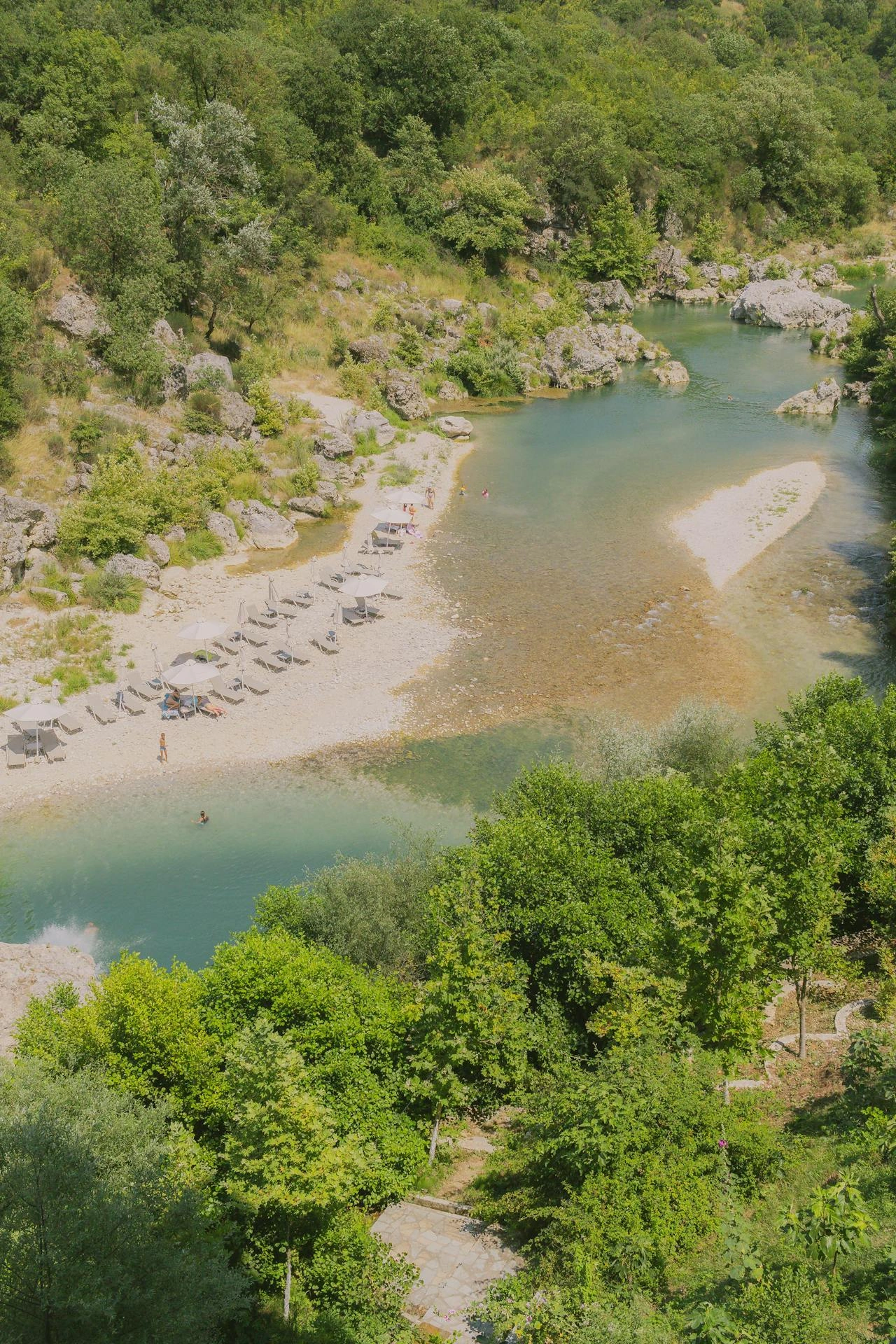
Rafting is another popular activity, particularly in the Osum Canyon. This stunning natural wonder, with its towering cliffs and emerald waters, offers an exhilarating rafting experience. The canyon’s various sections cater to different skill levels, making it accessible for both beginners and seasoned rafters. As you navigate the river’s twists and turns, you’ll be treated to views of waterfalls, caves, and lush greenery, creating an unforgettable adventure.
For those who prefer a more leisurely pace, cycling and horseback riding are excellent ways to explore Albania’s scenic countryside. The region around Lake Skadar, shared by Albania and Montenegro, offers picturesque routes that meander through quaint villages, vineyards, and along the lake’s serene shores. Similarly, horseback riding tours in the Gjirokastër region allow visitors to traverse the rolling hills and historic sites while enjoying the company of these majestic animals. Whether you’re seeking adrenaline-pumping thrills or a peaceful journey through nature, Albania’s outdoor activities cater to all interests and abilities.
Albanian cuisine is a delightful fusion of Mediterranean flavors and Balkan traditions, offering a culinary journey that is as diverse as the country itself. Fresh, locally-sourced ingredients are the cornerstone of Albanian cooking, ensuring that each dish is bursting with flavor. One of the most iconic dishes is “tavë kosi,” a baked lamb and rice dish topped with a creamy yogurt sauce. This hearty and comforting meal is a staple in Albanian households and a must-try for visitors.
Seafood lovers will be in heaven along the Albanian coast, where the day’s catch is often served fresh in seaside taverns. Grilled fish, calamari, and shrimp are typically prepared with simple yet flavorful ingredients such as olive oil, garlic, and lemon. The coastal town of Durrës is renowned for its seafood restaurants, where you can savor a variety of dishes while enjoying views of the Adriatic Sea. Meanwhile, the Albanian Riviera offers charming eateries where you can taste the freshest seafood while soaking in the stunning coastal scenery.
Vegetarians and vegans will also find plenty to enjoy in Albanian cuisine. Dishes like “byrek,” a savory pastry filled with spinach, cheese, or meat, are widely available and incredibly popular. “Fërgesë,” a dish made with peppers, tomatoes, and cottage cheese, is another vegetarian favorite that showcases the rich flavors of Albanian produce. Whether you’re indulging in a hearty meat dish or a light vegetarian meal, the culinary delights of Albania promise to tantalize your taste buds and leave you craving more.
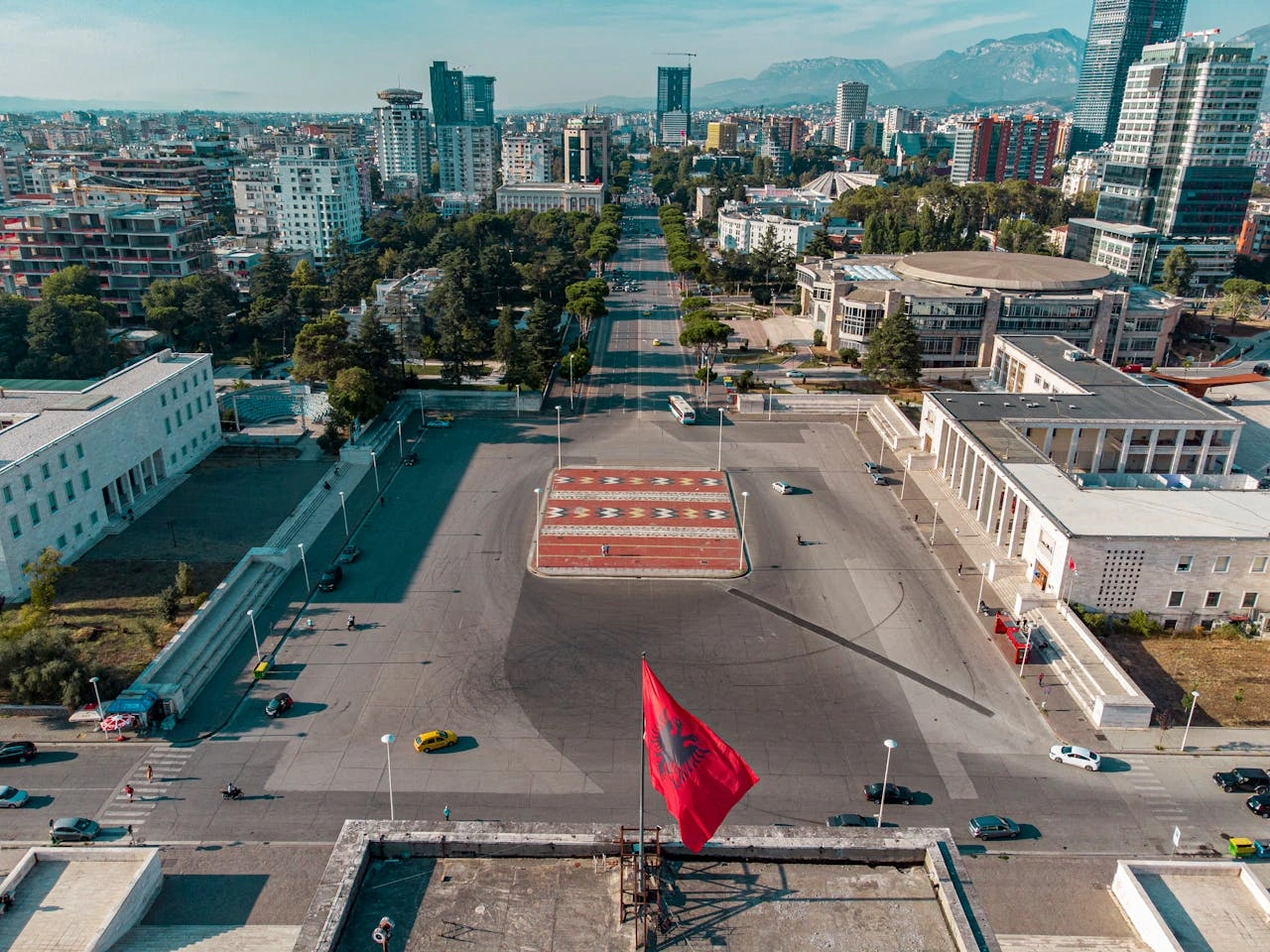
Albania’s cities are a blend of historical charm and modern vibrancy, each offering its own unique attractions and experiences. Tirana, the capital city, is the heart of Albania’s cultural and political life. The city has undergone significant transformation in recent years, with colorful buildings and public art installations adding a lively atmosphere to its streets. Key attractions include Skanderbeg Square, the National History Museum, and the Et’hem Bey Mosque. Tirana’s bustling markets, trendy cafes, and vibrant nightlife make it a dynamic destination for visitors.
Berat, one of Albania’s oldest cities, is a UNESCO World Heritage site known for its well-preserved Ottoman architecture. The city’s historic center is divided into two parts: the hilltop castle area and the lower town. The castle, or “Kala,” offers stunning views of the surrounding landscape and is home to several churches and museums. The lower town, with its distinctive white houses and narrow streets, exudes a timeless charm. Berat’s blend of history, culture, and natural beauty makes it a must-visit destination.
Gjirokastër, another UNESCO World Heritage site, is often referred to as the “City of Stone” due to its unique stone houses and cobbled streets. The city’s castle, one of the largest in the Balkans, offers panoramic views and houses a fascinating museum. Gjirokastër’s old town is a maze of narrow alleys and historic buildings, each with its own story to tell. The city’s cultural festivals and vibrant arts scene add to its allure, making it a captivating destination for travelers seeking a deeper connection to Albania’s heritage.
The Albanian Riviera is a stunning stretch of coastline that rivals the beauty of more famous Mediterranean destinations. This picturesque region is characterized by its crystal-clear waters, white sandy beaches, and dramatic cliffs. One of the most popular spots along the Riviera is the town of Himarë, known for its beautiful beaches and relaxed atmosphere. The nearby Porto Palermo Castle, a historic site with breathtaking views of the sea, adds a touch of history to the coastal experience.
Further along the coast, the village of Dhërmi is a hidden gem with its azure waters and tranquil beaches. Dhërmi is known for its lively beach bars and vibrant nightlife, making it a favorite among younger travelers. However, it also offers secluded spots where you can escape the crowds and enjoy the serene beauty of the coast. The village’s traditional stone houses and charming alleys add to its appeal, creating a perfect blend of natural beauty and cultural charm.
Saranda, located near the Greek border, is another highlight of the Albanian Riviera. This bustling coastal city is a gateway to the ancient ruins of Butrint and the stunning Blue Eye spring, a natural wonder with mesmerizing turquoise waters. Saranda’s waterfront promenade is lined with cafes, restaurants, and shops, offering a lively atmosphere day and night. Whether you’re exploring ancient ruins, diving into the crystal-clear waters, or simply soaking up the sun, the Albanian Riviera promises an unforgettable coastal experience.
Traveling in Albania is a rewarding experience, but there are a few tips to keep in mind to ensure a smooth and enjoyable trip. First and foremost, it’s important to know that Albania is a safe and welcoming country, with locals known for their hospitality. However, it’s always wise to take standard travel precautions, such as keeping an eye on your belongings and being aware of your surroundings, especially in crowded areas.
When it comes to transportation, Albania has a well-connected network of buses and minibuses, known as “furgons,” that make it easy to travel between cities and towns. Renting a car is also a popular option for those who prefer the flexibility of exploring at their own pace. While the major roads are generally in good condition, some rural areas may have rougher terrain, so it’s advisable to drive cautiously. Additionally, be aware that traffic rules may not always be strictly followed, so staying alert is key.
Language can be a barrier for some travelers, as Albanian is the official language and English is not widely spoken outside major tourist areas. However, younger generations and those working in the tourism industry often have a basic understanding of English. Learning a few basic Albanian phrases can go a long way in enhancing your travel experience and connecting with locals. Simple greetings and expressions of gratitude are always appreciated and can help bridge any language gap.
As tourism in Albania continues to grow, the importance of sustainable practices cannot be overstated. Protecting the country’s natural and cultural resources is essential to ensuring that future generations can enjoy its beauty and heritage. One of the key aspects of sustainable tourism is minimizing the environmental impact of travel. This can be achieved by choosing eco-friendly accommodations, participating in responsible tours, and reducing waste.
Many local organizations and initiatives are dedicated to promoting sustainable tourism in Albania. For example, the Albanian National Coastal Agency works to protect the country’s coastline through conservation efforts and community engagement. Visitors can support these initiatives by respecting local guidelines, such as sticking to designated trails, disposing of waste properly, and avoiding activities that harm wildlife or ecosystems. By being mindful of our impact, we can help preserve Albania’s natural beauty.
Cultural preservation is another crucial aspect of sustainable tourism. Supporting local artisans, attending cultural events, and respecting traditional customs are ways to contribute to the preservation of Albania’s rich heritage. By engaging with local communities and learning about their traditions, travelers can foster meaningful connections and promote cultural exchange. Sustainable tourism not only benefits the environment and local communities but also enriches the travel experience, creating lasting memories and a deeper appreciation for the destination.
Albania is a hidden gem waiting to be discovered, offering a unique blend of stunning landscapes, rich culture, and adventurous activities. From the rugged peaks of the Albanian Alps to the pristine beaches of the Riviera, the country’s natural beauty is sure to captivate any traveler. Its historical sites and cultural traditions provide a fascinating glimpse into a diverse and storied past, while the vibrant cities and charming villages offer a warm welcome to visitors.
Whether you’re an adventure enthusiast, a history buff, a foodie, or simply looking for a new and exciting destination, Albania has something to offer. The country’s commitment to sustainable tourism ensures that its natural and cultural resources are preserved for future generations to enjoy. By choosing Albania as your next travel destination, you’ll not only experience its incredible beauty and culture but also contribute to its ongoing preservation.
In a world where many travel destinations are becoming increasingly commercialized, Albania stands out as an authentic and unspoiled paradise. Its stunning landscapes, rich heritage, and welcoming people create a travel experience that is both enriching and unforgettable. So pack your bags and get ready to discover the hidden gem of Europe—Albania awaits!