Albania vs Montenegro is a closer contest than most travel comparisons. The two neighbours share mountains, a lake and the Adriatic coast, but Montenegro packs its highlights, such as the Bay of Kotor and Durmitor, into a small country that is easy to tour, while Albania is larger, more varied, generally cheaper and less developed. You do not really have to choose: the main border crossing is under an hour from Shkodër, and the two combine easily on one trip.
Here is a fair, side-by-side look at beaches, mountains, history, costs and practicalities, with suggestions on who should pick which, and how to see both.
At a glance
- Montenegro suits travellers who want dramatic scenery in a compact package, an easy road trip and the convenience of the euro.
- Albania suits travellers who want more variety, better value, ancient and Ottoman heritage and a stronger sense of adventure.
- Both work brilliantly together, especially if you have a week or more in the region.
Size and pace
Montenegro is small, with a population of around 620,000, and most of its highlights sit within a few hours’ drive of each other. You can see the coast, the Bay of Kotor and the mountains in a week without rushing. Albania is larger and its highlights are more spread out, from the Alps in the north to the Ionian Riviera in the south, so it rewards a longer stay or a well-planned route.
Coast and beaches
Montenegro’s coastline is short but spectacular. The Bay of Kotor, with its fjord-like inlets and Venetian-era towns, is among the most striking landscapes on the Adriatic. Further south, the Budva Riviera is lively and heavily developed, while Ulcinj, near the Albanian border, has a long sandy beach.
Albania offers more variety: long sandy Adriatic beaches near Durrës, and the clear water and pebble coves of the Albanian Riviera in the south, from Dhërmi to Ksamil. For pure beach time, many travellers find Albania’s Ionian coast quieter and more natural, although the popular spots fill up in August.
Mountains and nature
Montenegro is mountain country. Durmitor National Park, a UNESCO site since 1980, has glacial lakes and high peaks, and the Tara River Canyon, often described as the deepest in Europe, is famous for rafting. Lovćen, above Kotor, and the old forests of Biogradska Gora add to the list.
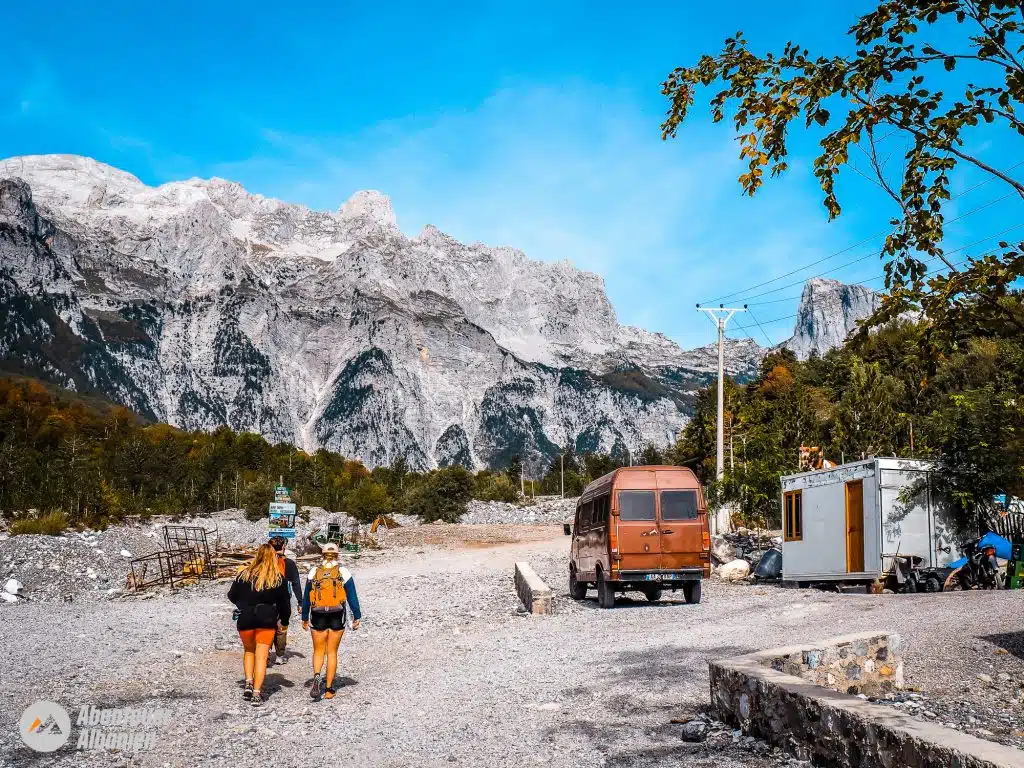
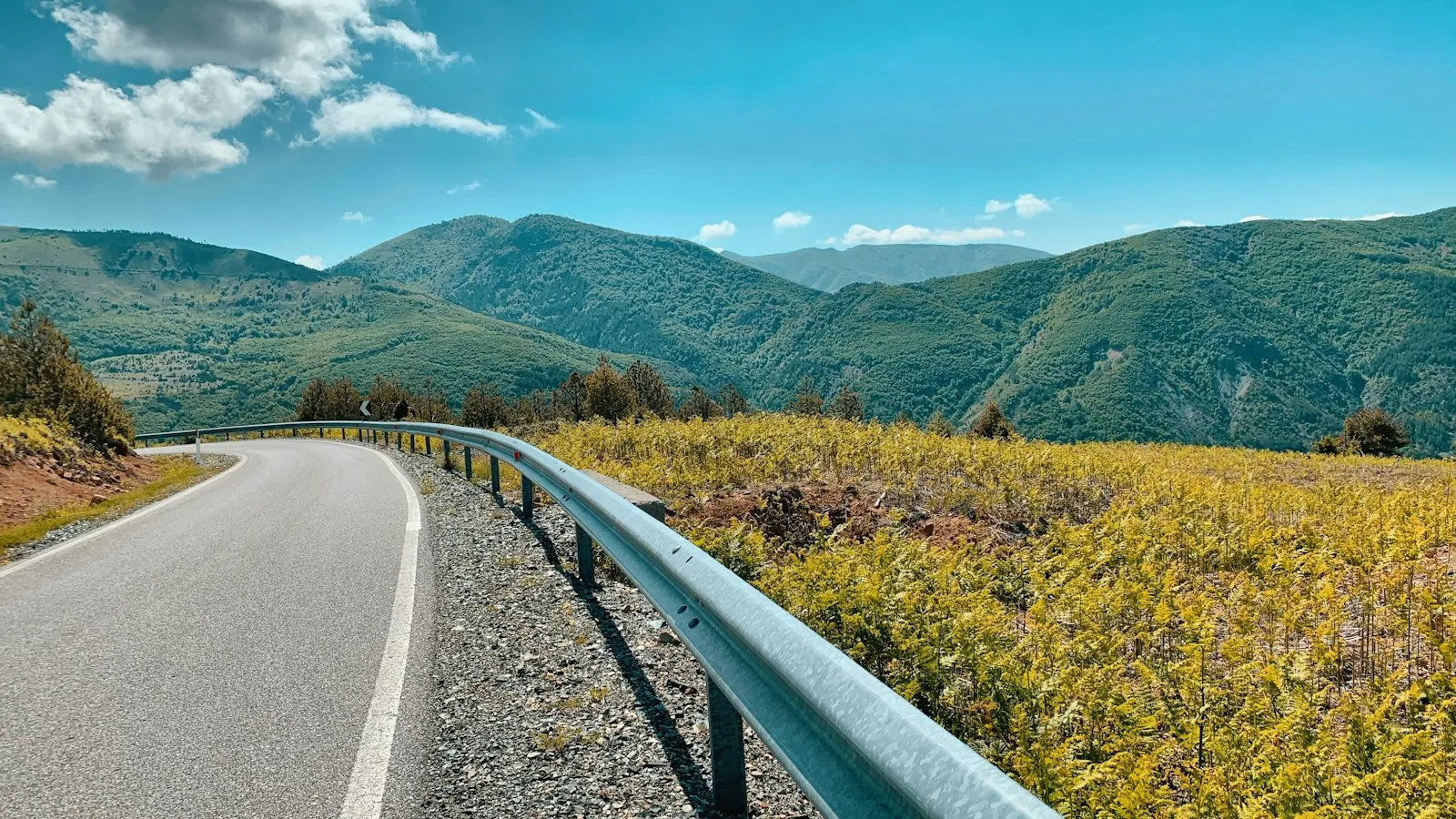
Albania’s mountains are just as dramatic and often wilder. The Albanian Alps around Theth and Valbona offer classic hikes such as the Valbona–Theth trek, and the same range, the Accursed Mountains, continues into Montenegro and Kosovo, where the cross-border Peaks of the Balkans trail links all three. Albania also has the Vjosa, Europe’s first wild river national park, and a share of Lake Ohrid.
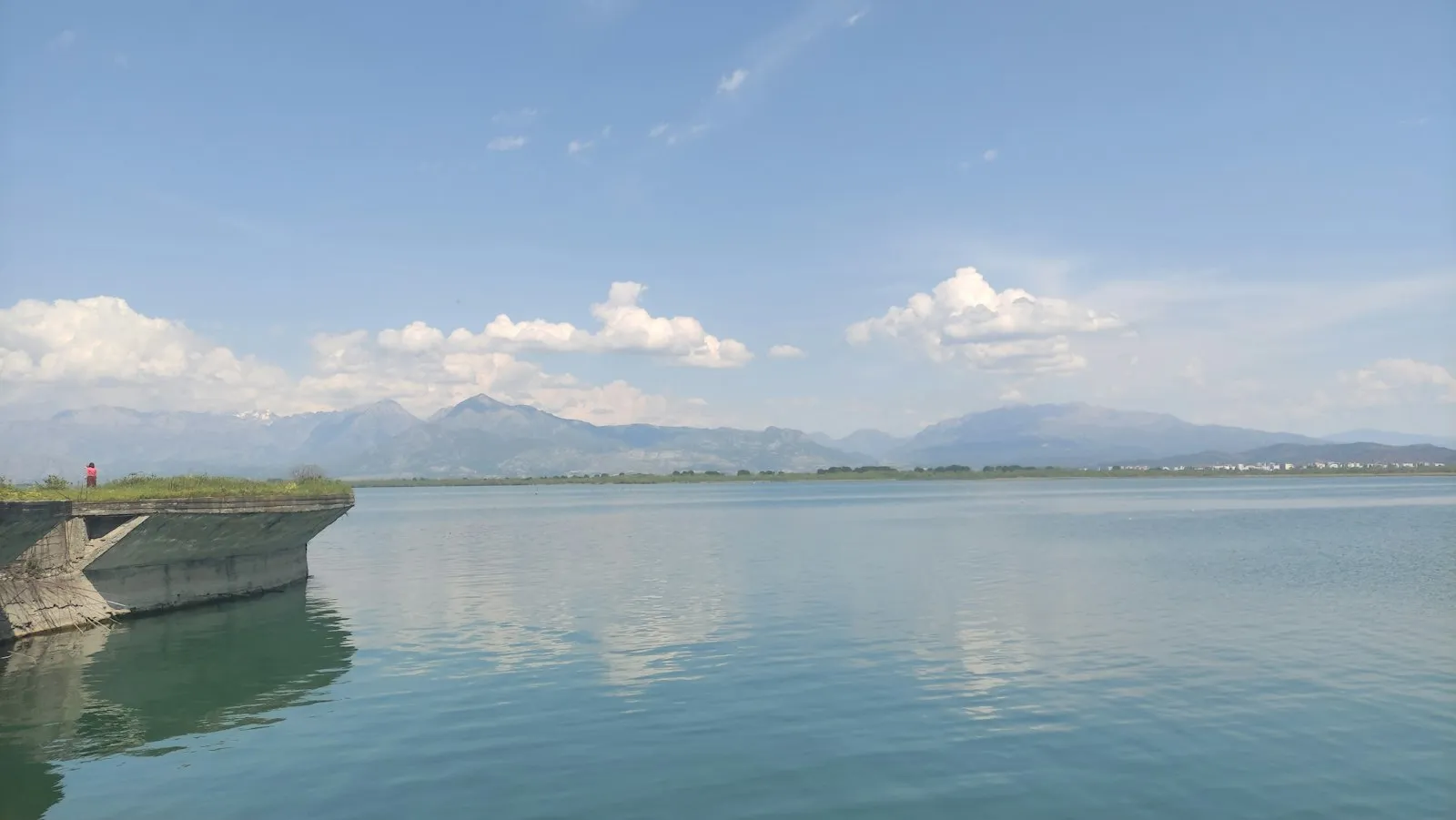
The two countries even share Lake Shkodra (Skadar), the largest lake in the Balkan Peninsula, with birdlife, fishing villages and boat trips on both sides of the border.
History and culture
Montenegro’s heritage is concentrated on the coast and in the old royal capital of Cetinje. Highlights include Venetian-era Kotor, Perast and Budva, Orthodox monasteries such as Ostrog, built into a cliff face, and the mausoleum of the poet-ruler Njegoš on Mount Lovćen.
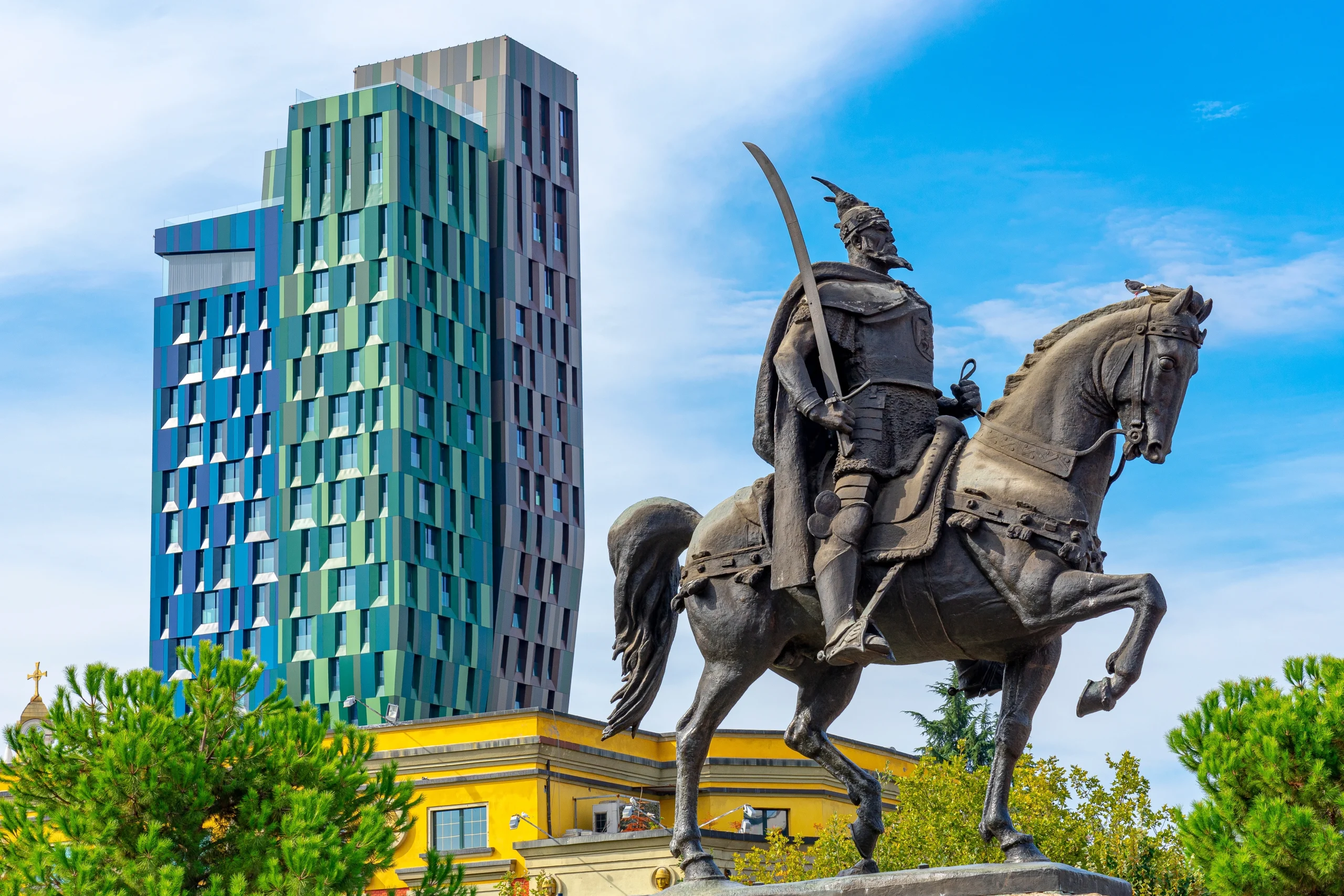
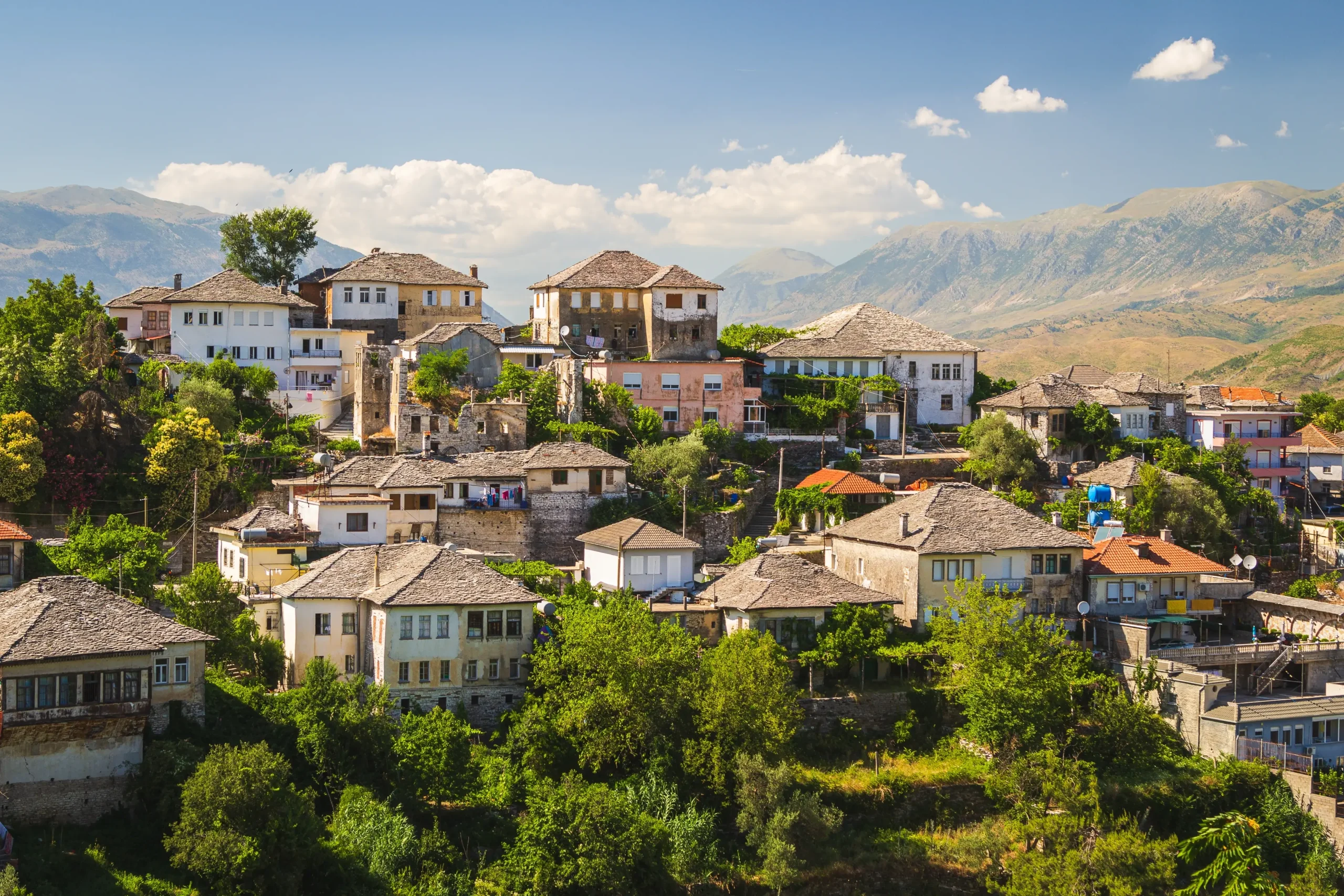
Albania’s historical sites are more varied and spread across the whole country. They include the ancient cities of Butrint and Apollonia, the Ottoman towns of Berat and Gjirokastër, Skanderbeg’s stronghold at Krujë and a fascinating, if sobering, communist past, told in museums such as Bunk’Art in Tirana and the Site of Witness and Memory in Shkodër.
Costs and getting around
Costs
Montenegro uses the euro, although it is not a member of the EU or the eurozone, and prices on the coast in July and August can be similar to those in other Mediterranean resorts. Albania uses the lek and is generally cheaper, especially for food, guesthouses and guided activities. In both countries, inland and rural areas cost noticeably less than the busiest beach towns.
Getting around
Both countries have winding mountain roads, enthusiastic local drivers and buses rather than extensive rail networks, although Montenegro does have a scenic railway line running north from Bar towards Serbia. Montenegro’s compact size makes self-driving straightforward. Albania’s main roads have improved a great deal, but distances and mountain routes take time, so many visitors choose a guided tour or a private driver, particularly for remote areas.
Which should you choose?
- A short break or first Balkan trip: Montenegro is compact and easy, but Albania offers more variety if you have a week or longer.
- A beach holiday on a budget: Albania’s Riviera usually gives better value.
- Hiking and wild nature: both are excellent; Albania’s Alps feel more remote, while Durmitor is easier to reach.
- History and culture: Albania has a wider range of sites, while Montenegro excels in Venetian coastal towns.
- Two countries, one trip: combine them via Shkodër.
How to combine Albania and Montenegro
From Tirana, Shkodër is about two hours away, and the border lies just beyond it. A day trip can take you to Kotor or Budva and back, and on a longer trip you can loop around Lake Shkodra, explore the Bay of Kotor and return via the coast. Our Montenegro day tour from Tirana is the easiest introduction, while the Albania – Macedonia – Kosovo – Montenegro 6-day tour includes Shkodër, Budva and Kotor in a wider Balkan loop. For the lake itself, see our guide to Lake Shkodër.
Frequently asked questions
Is Albania cheaper than Montenegro?
Generally, yes. Albania usually costs less for food, accommodation, transport and activities, while Montenegro’s coast, priced in euros, can be expensive in peak season. The gap narrows in Albania’s busiest resorts in August and in Montenegro’s quieter inland areas. Prices change every year, so compare current rates, but most travellers find their money goes further in Albania.
Which country has better beaches?
It depends on what you want. Albania’s Ionian Riviera has crystal-clear water and pebble coves with a natural feel, plus sandy Adriatic beaches near Durrës. Montenegro’s beaches are fewer and busier, with the lively Budva Riviera and a long sandy beach near Ulcinj, but the Bay of Kotor offers scenery you will not find anywhere else. For pure beach time, Albania usually wins.
Can you visit Montenegro on a day trip from Albania?
Yes. From Tirana, Durrës or Shkodër you can reach Kotor or Budva, explore for a few hours and return the same day. From Tirana it is a long day, with around four hours’ driving each way plus the border, so it works best on an organised tour that starts early. From Shkodër, the drive is much shorter and a self-drive day trip is easy.
Do I need a passport to travel between Albania and Montenegro?
Yes. You need a valid passport, or a national ID card if your nationality allows it, and some travellers need a visa for one or both countries. Neither country is in the EU’s Schengen area, so each applies its own entry rules and time limits. Check the current requirements for your passport before you travel, and carry your documents at all times.
Is Montenegro in the EU?
No – Montenegro is a candidate for EU membership and has been negotiating to join since 2012, but it is not yet a member. It nonetheless uses the euro as its currency. Albania is also a candidate country and uses its own currency, the lek. For travellers, that means separate border checks between the two and different currencies on each side.
Why choose when you can see both? Book our Montenegro day tour from Tirana, or ask us to design a private group tour that combines Albania and Montenegro at your own pace.