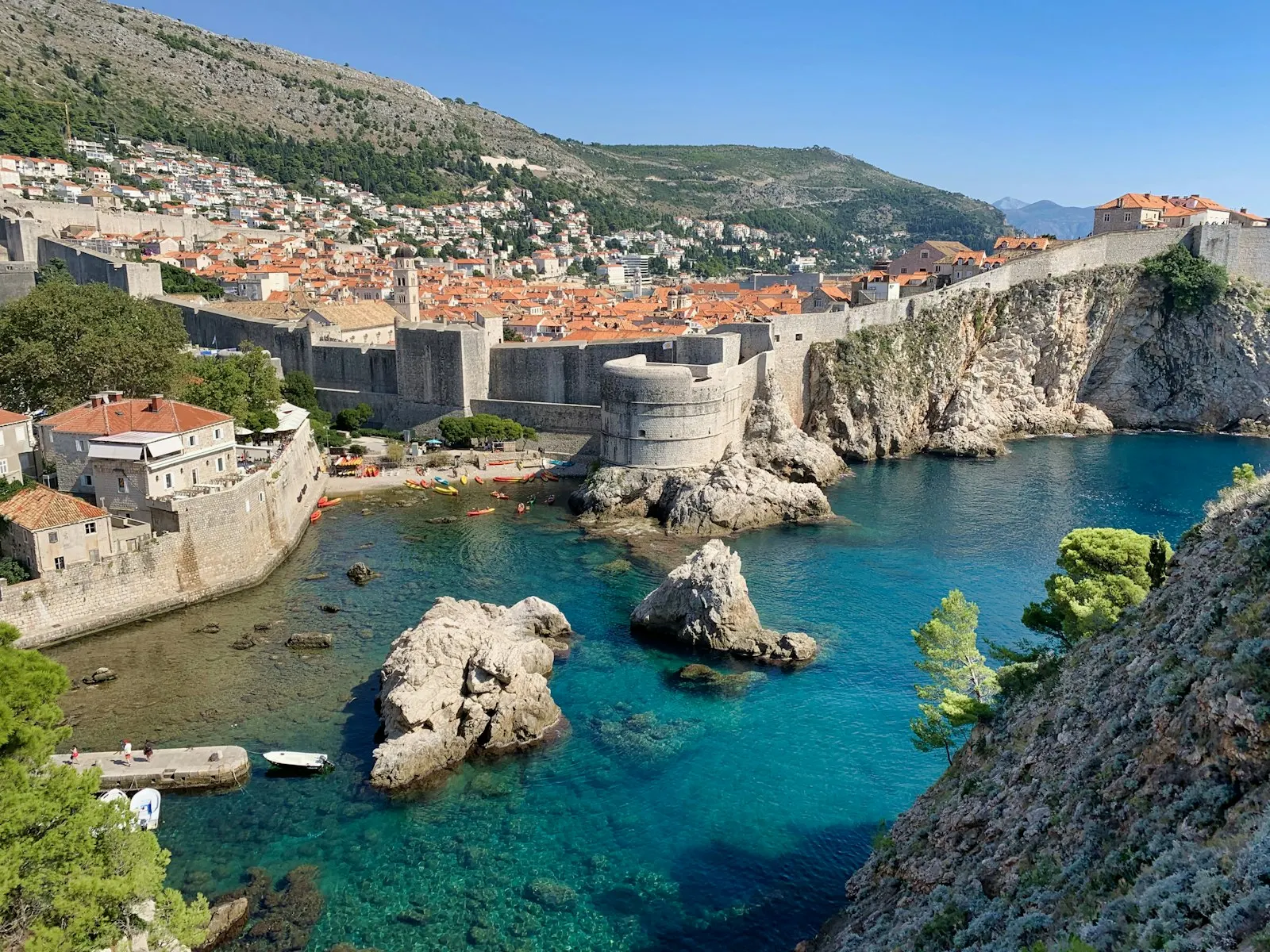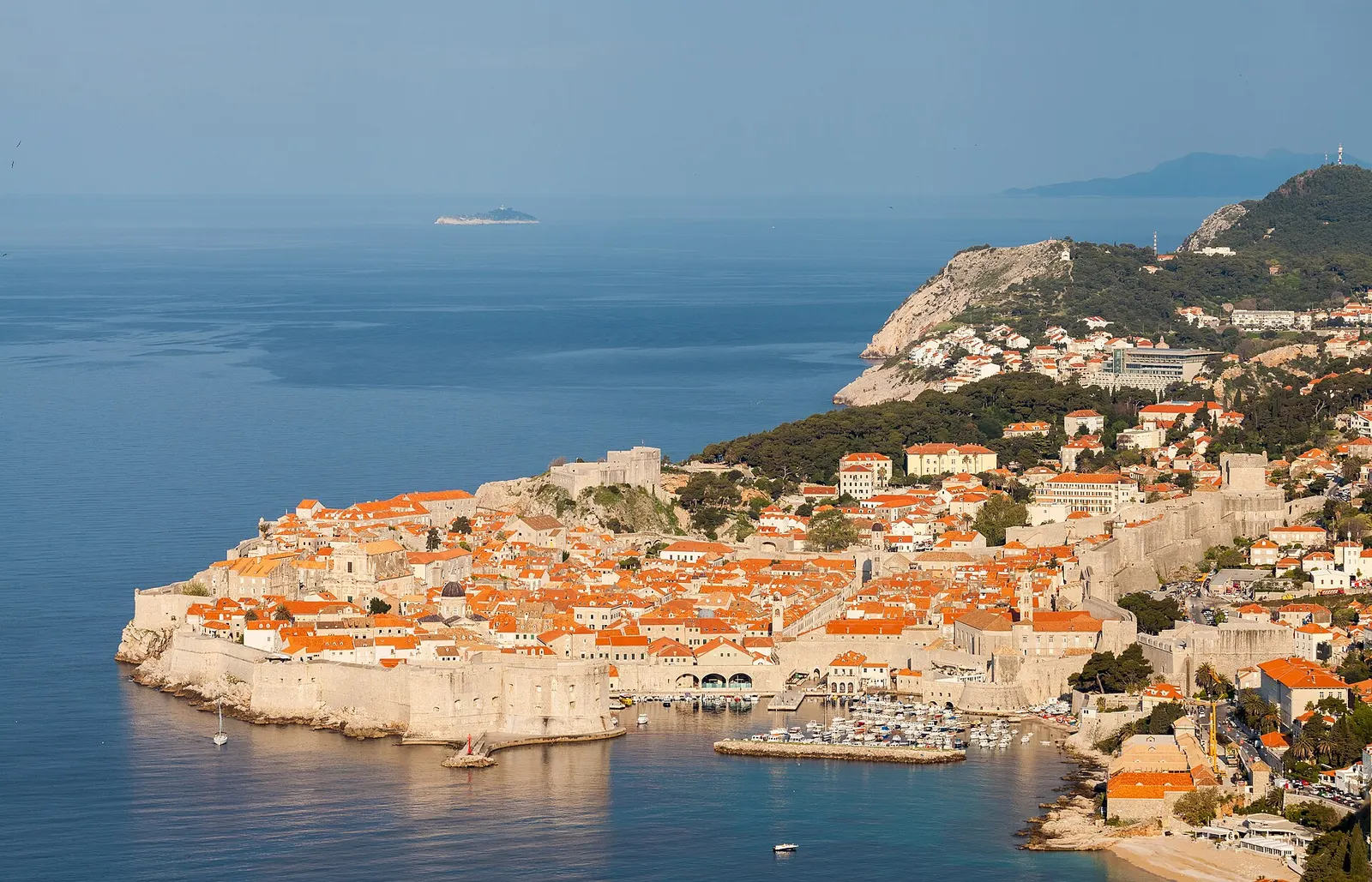
Most of the walls were built between the 13th and 17th centuries, when Dubrovnik was the wealthy Republic of Ragusa. After the fall of Constantinople in 1453, the threat of Ottoman attack prompted major works, and the city invited the Florentine architect Michelozzo di Bartolomeo to strengthen its defences. The round Minčeta Tower, completed in 1464, became the symbol of the unconquered city. The old town, including the walls, was inscribed on the UNESCO World Heritage List in 1979.
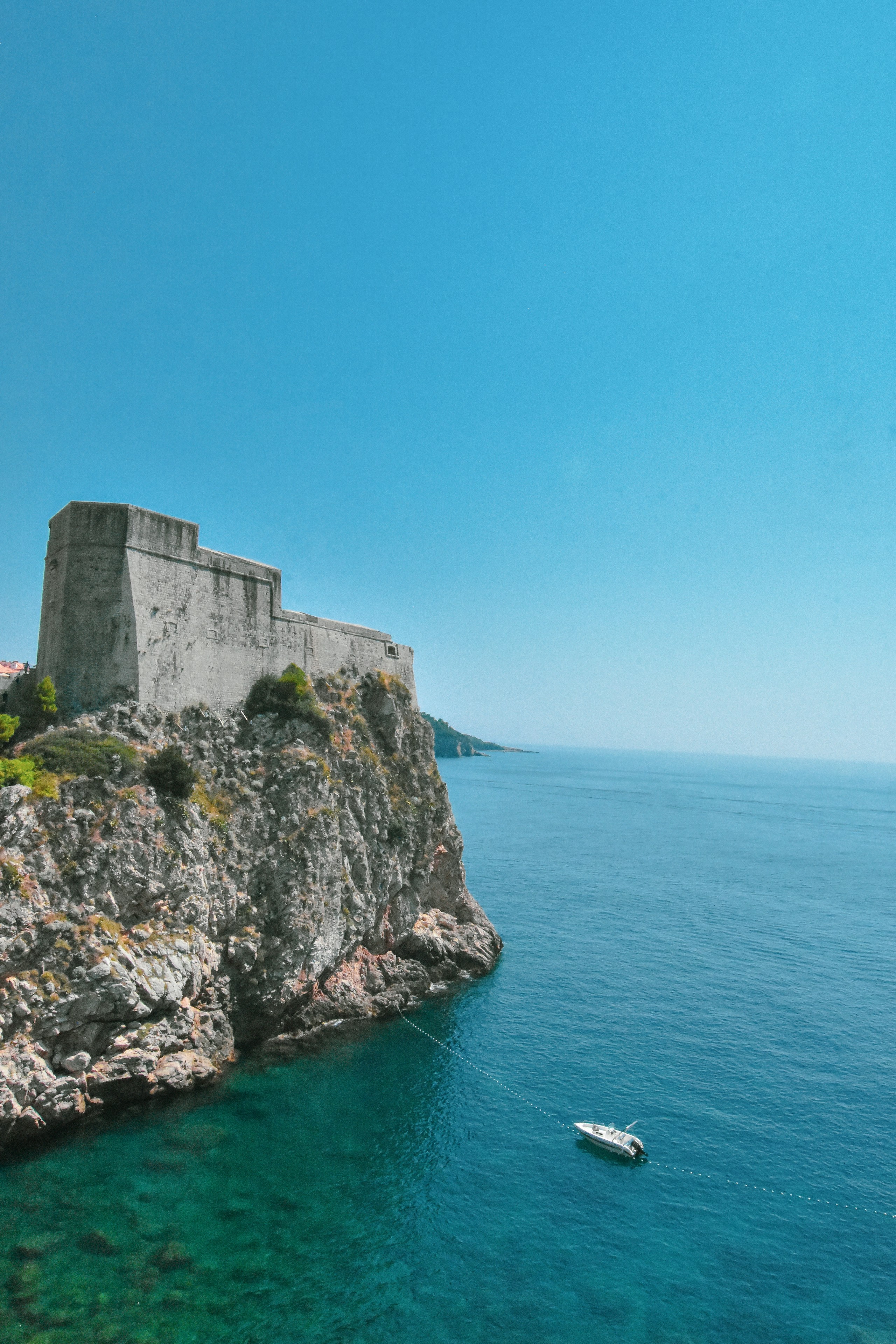
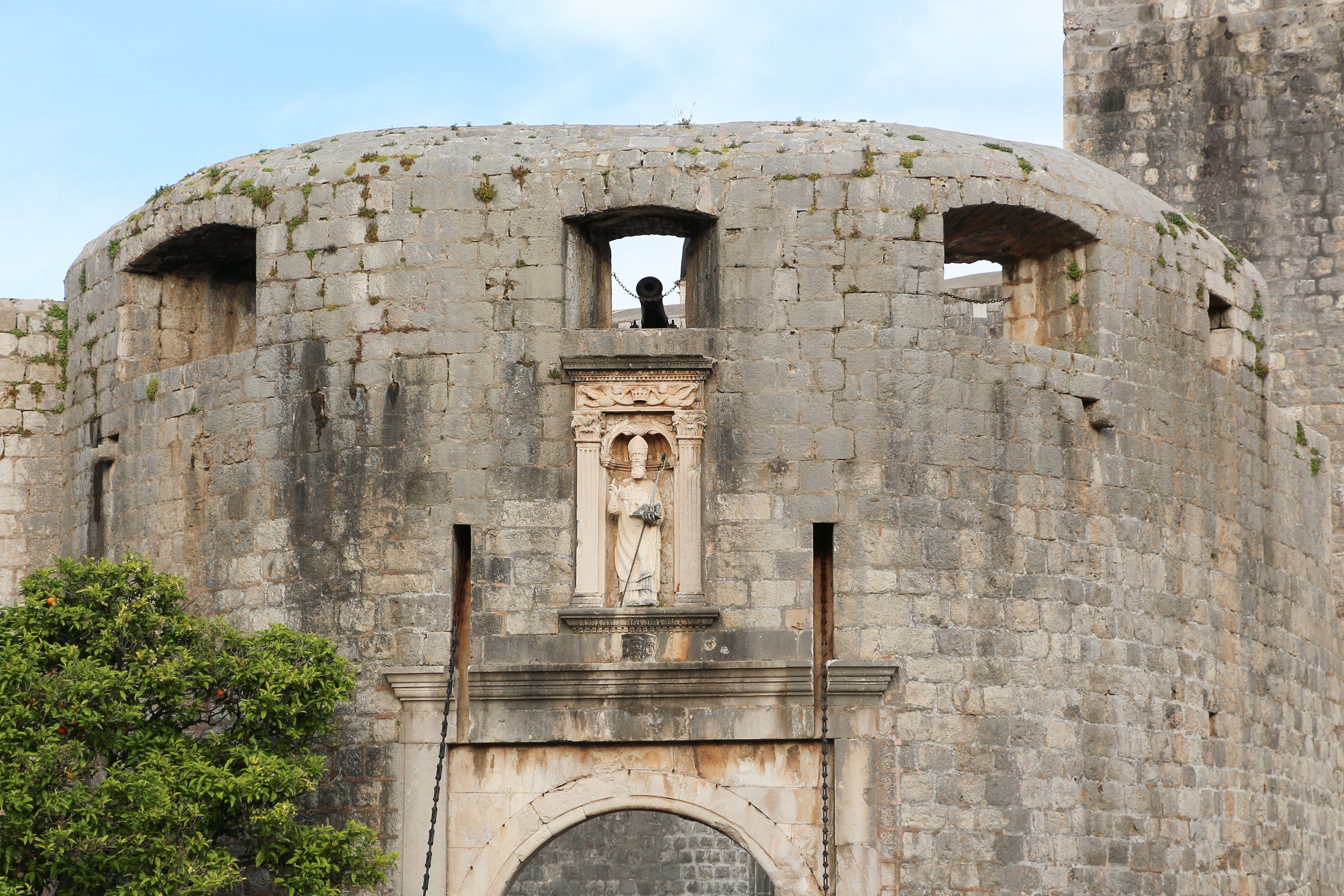
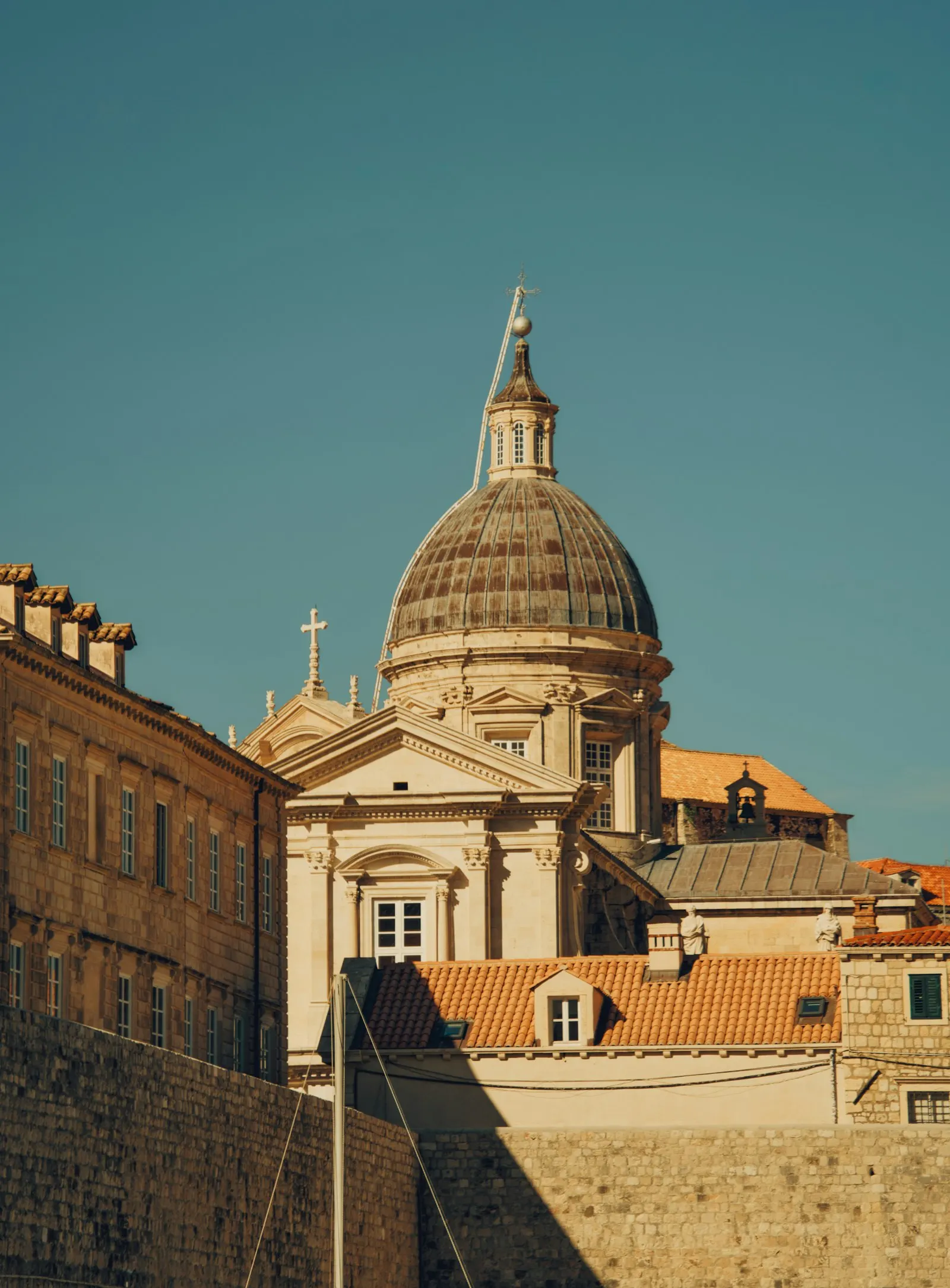
Walking the full circuit is the highlight of any visit. From the walkway you look down over terracotta roofs, church domes and the Stradun, and out across the Adriatic to Lovrijenac Fortress and the island of Lokrum. One of the entrances is just inside the Pile Gate, and there are steep steps along the route. In summer it is best to go early in the morning or late in the afternoon, wearing a hat and carrying water, as there is little shade.
Seen from above, Dubrovnik reveals exactly why it is called the Pearl of the Adriatic.