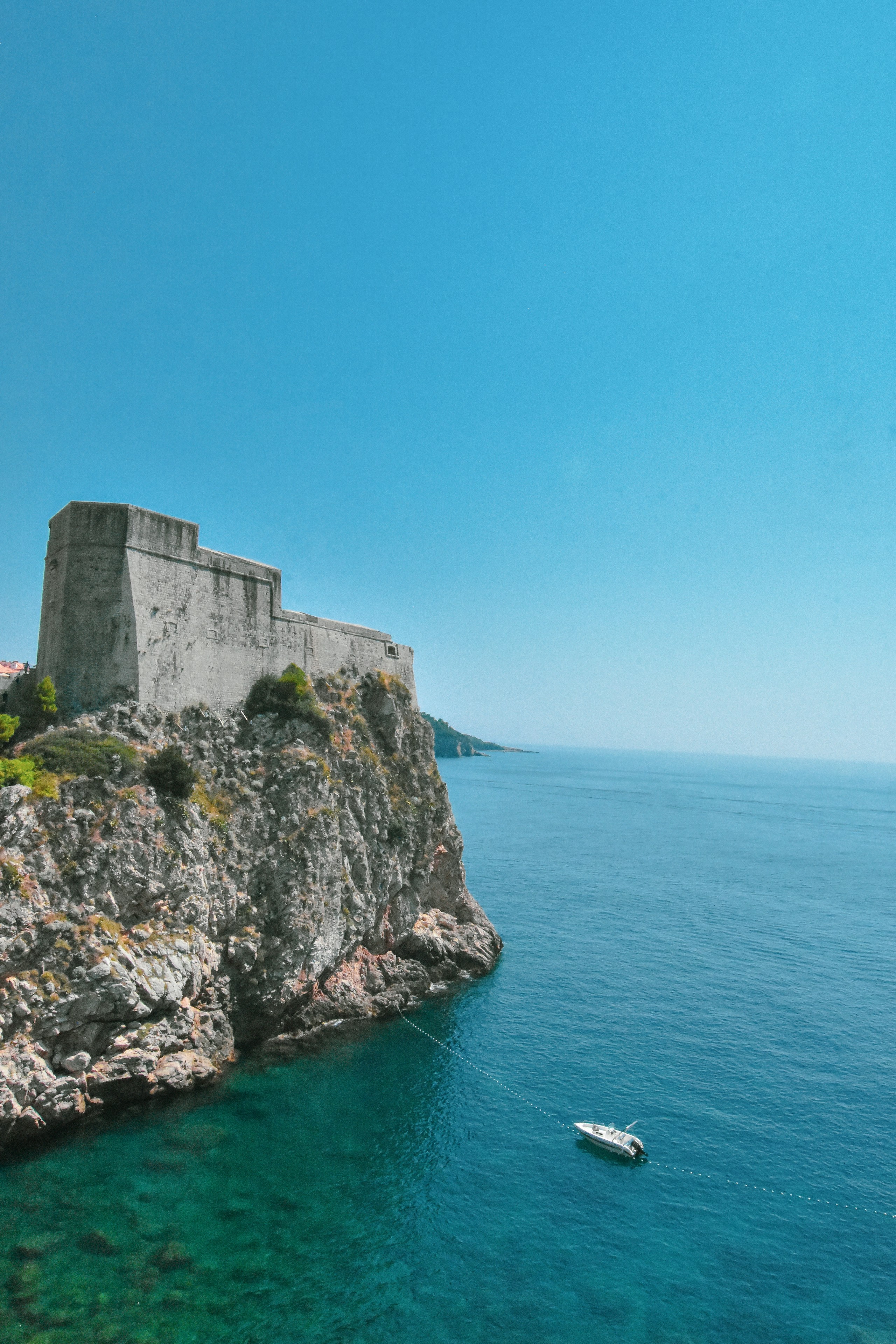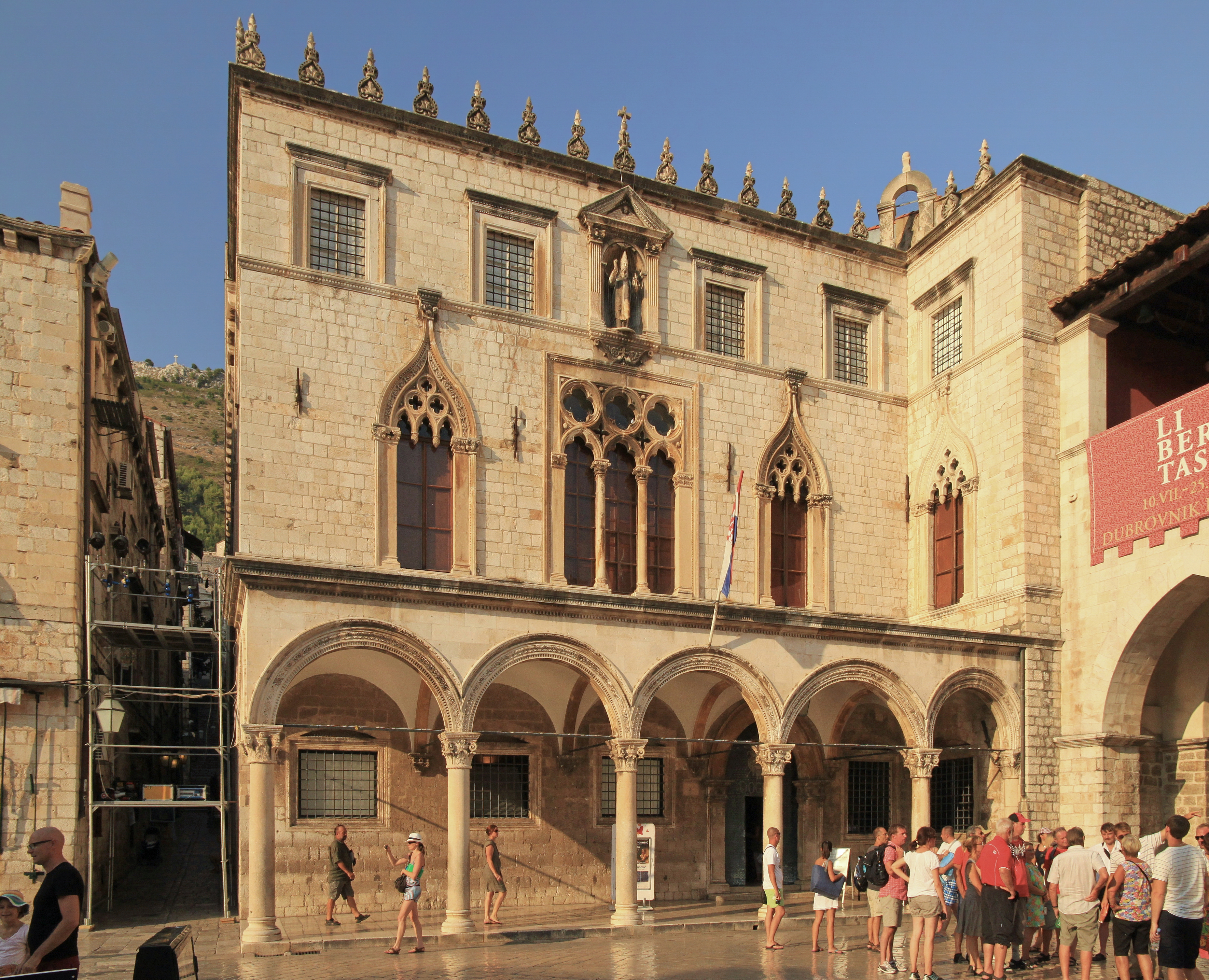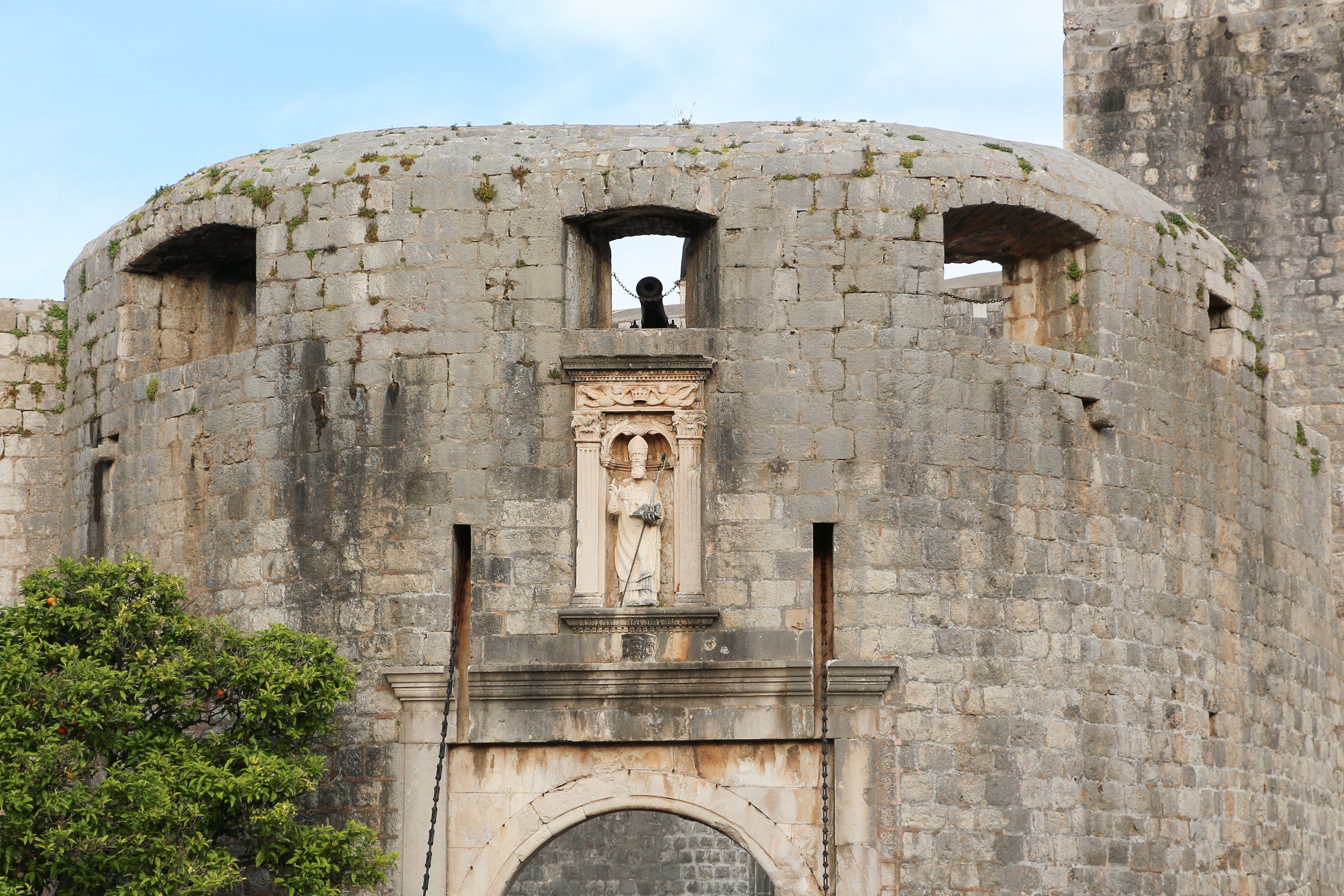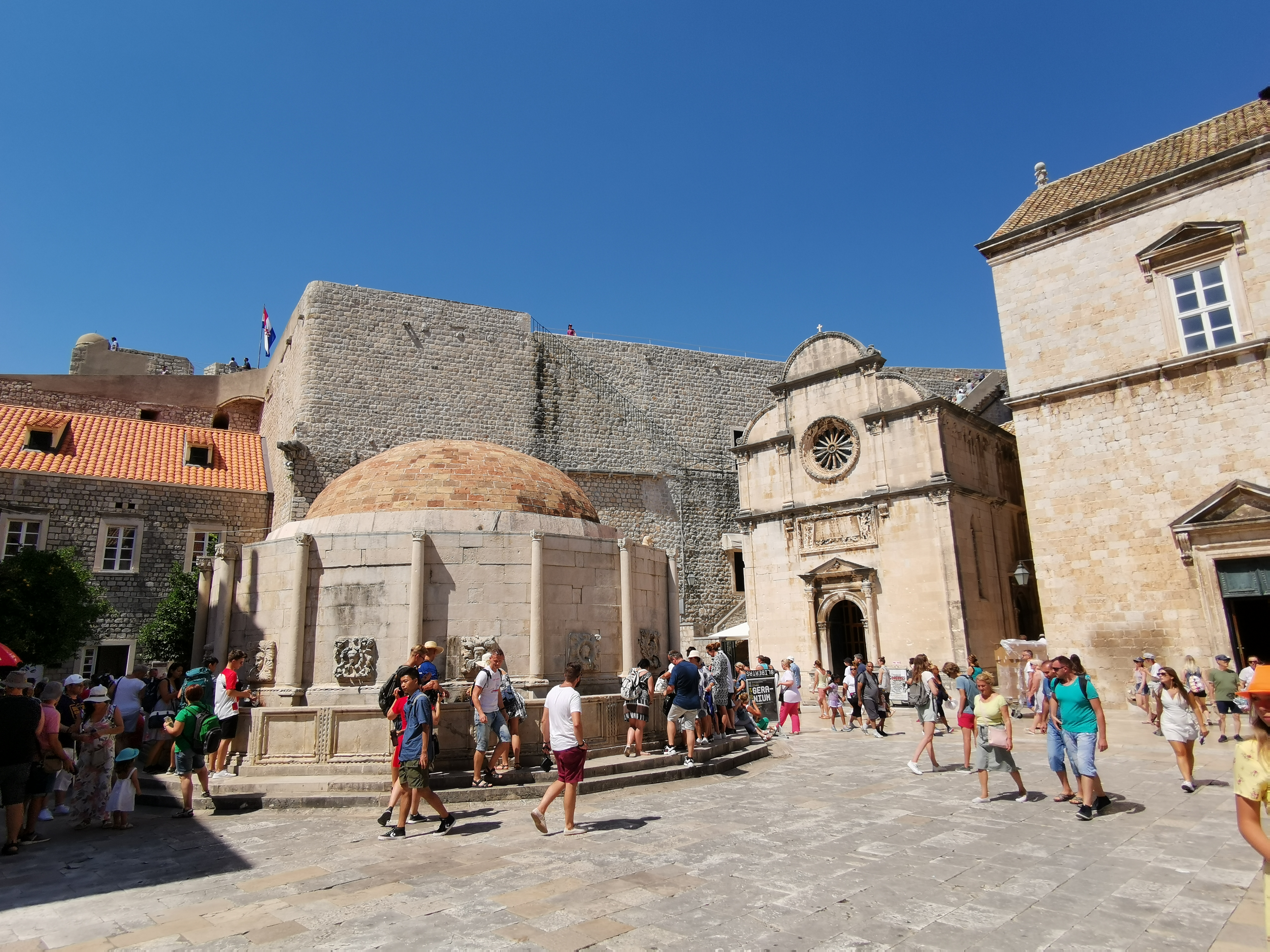
The French began fortifying the summit soon after occupying Dubrovnik in 1806, and the stone fort took shape from 1810 under Auguste Marmont before being enlarged by the Austrians. Its finest hour came during the siege of Dubrovnik in 1991, when a small group of Croatian defenders held the fort against heavy attacks, the fiercest on 6 December, which also destroyed the hilltop cross; a new one was raised in 1997. Today the fort houses the Homeland War museum, devoted to the defence of Dubrovnik in 1991–1995.
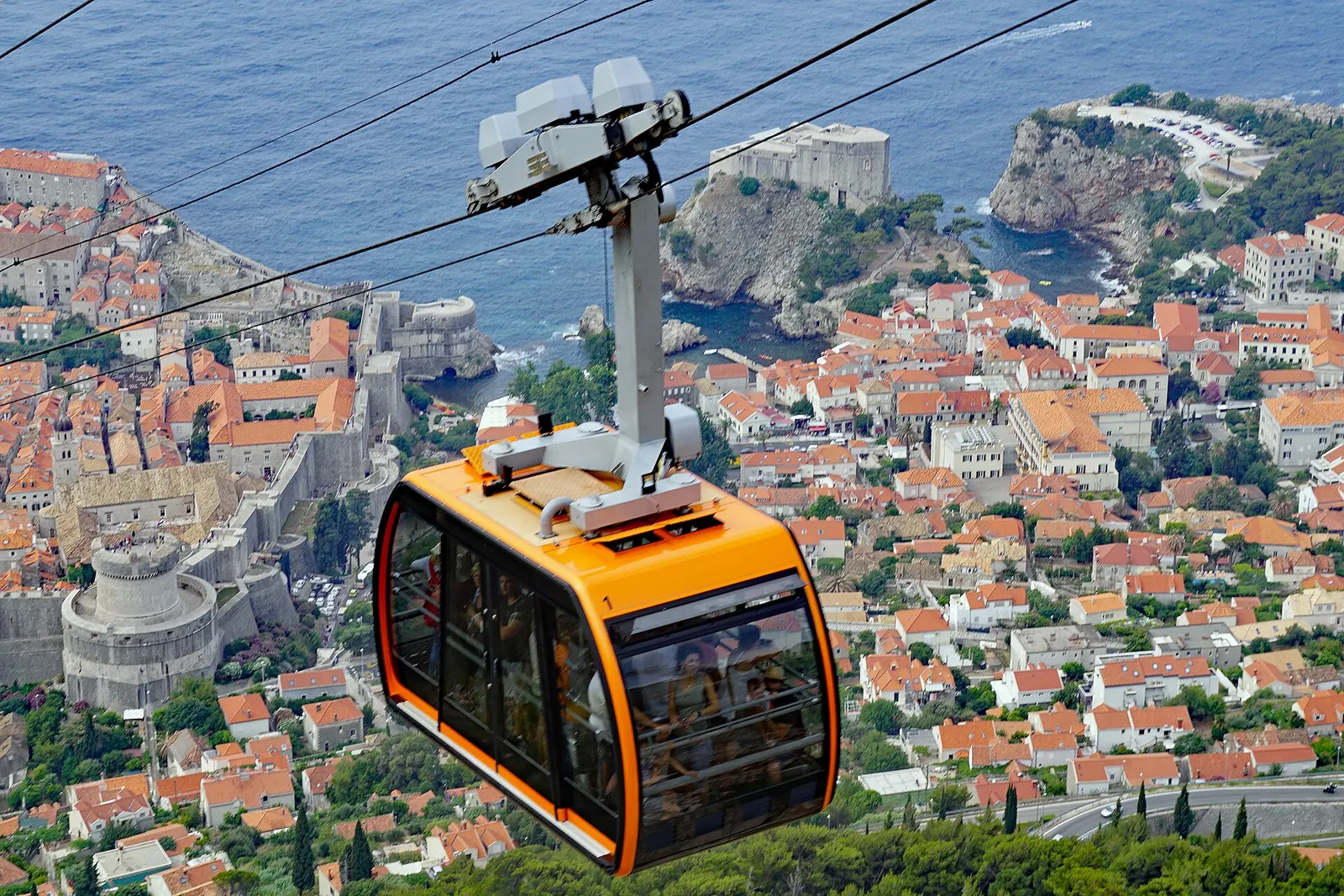
The easiest way up is the Dubrovnik cable car, first opened in 1969, destroyed in the war and rebuilt in 2010; the ride from the lower station just above the old town takes only a few minutes. At the top you will find panoramic terraces, a restaurant and walking trails, and the views are especially memorable at sunset. Fit walkers can instead tackle the steep zigzag path from the coast road. Services depend on the season and the weather, so check before visiting.
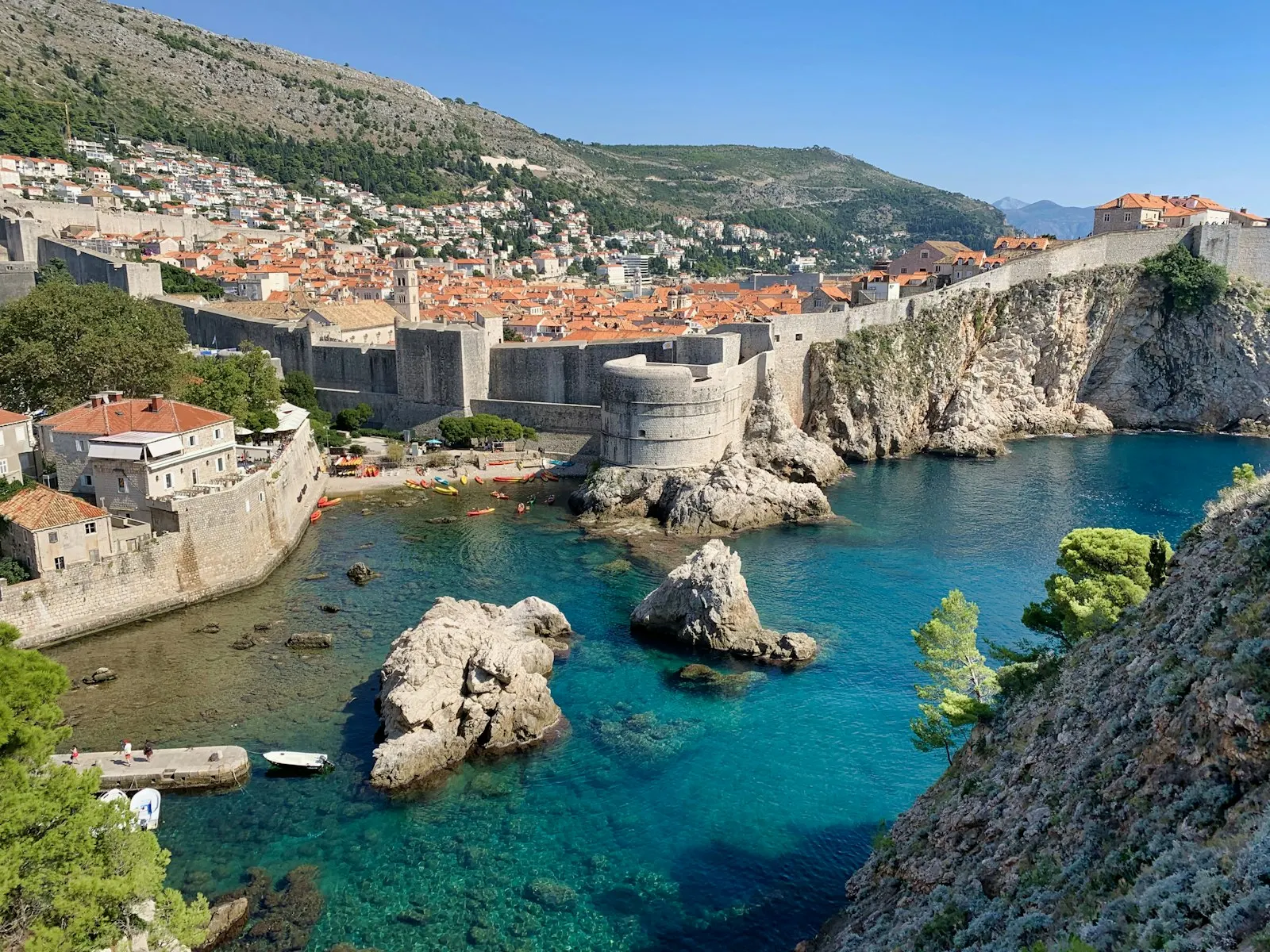
Few places capture Dubrovnik’s beauty and history quite so completely.