
Albanian Culture and Cuisine
Tucked squarely between the famous beaches of Greece and the coastal mountains of Montenegro lies a country that feels like Europe’s best-kept secret. Imagine the rugged, snow-capped peaks of the Swiss Alps dropping directly into the turquoise waters of the Italian Riviera. This spectacular geographical collision spent decades hidden from the typical tourist trail, preserving a way of life that remains refreshingly authentic.
Locals do not actually call this Mediterranean haven Albania; to them, it is Shqipëria (pronounced Shqip-ree-ah), or the “Land of the Eagles.” According to cultural historians, the country’s mountainous isolation forged a distinct identity completely separate from its Slavic and Greek neighbors. Here, the legendary warmth of Balkan hospitality is amplified into something entirely unique, transforming everyday encounters into deep, lasting social bonds.
Step across the threshold of any local home, and you instantly become royalty. This profound reverence for visitors stems from Besa, an ancient code of honor that literally translates to “to keep the promise.” In practice, traditional Albanian hospitality dictates that a host is morally responsible for a guest’s safety and comfort, often prioritizing the visitor’s needs above those of their own family.
Naturally, this sacred philosophy finds its ultimate expression at the dinner table, which serves as the pulsing heart of Albanian culture and cuisine. Every meal becomes a celebratory feast designed to overwhelm the senses and stretch the stomach. Because the landscape shifts so dramatically from alpine forests to sun-drenched shores, the food reflects a beautiful collision of hearty mountain fare and bright, olive-oil-laced coastal flavors.
Embarking on a journey through this culinary landscape reveals a story of resilience, family, and extraordinary flavor. From flaky, cheese-filled pastries eaten by the sea to slow-roasted meats served in highland taverns, the country’s kitchen invites you to pull up a chair. You are about to discover why the most unforgettable part of this hidden gem is exactly what they serve on your plate.
Summary
Albania’s soul is defined by besa—sacred hospitality that turns guests into honored family—and it shines most vividly at the table. Its cuisine marries alpine heartiness with Mediterranean brightness, from iconic byrek to the comforting national dish, tavë kosi, while regional flavors diverge between dairy-rich northern kitchens and olive-oil-led southern cooking. Unhurried rituals like the two-hour espresso, shared raki with meze, and the evening xhiro anchor community life. Southern iso-polyphony and abundant garden produce—including many “accidentally” vegetarian dishes—round out a culture you can bring home by hosting with the spirit of besa.
The Unwritten Law of Besa: Why Your Host is Legally Bound to Protect You
Imagine walking into a home and being treated like royalty. In Albania, this profound care is defined by Besa, an ancient pledge prioritizing the guest above all else. It goes far beyond polite gestures; historically, hosts would risk their own lives to ensure a visitor’s safety, viewing their word of honor as an unbreakable contract.
The origins of this dedication lie in the Kanun, a centuries-old set of unwritten mountain laws. While the medieval rules have softened, the influence of the Kanun on modern social norms remains incredibly strong today. If you ask a local for directions in the bustling capital of Tirana, they might not just point the way—they will likely walk you directly to your destination. Ensuring a stranger feels secure and welcomed is considered an absolute moral obligation.
Because this deep-seated generosity requires treating guests beautifully, the true expression of an Albanian welcome always happens around the dinner table. When invited inside, you can expect comforting, handmade dishes meant to make you feel right at home. Often, the very first savory treat a proud host will present is a warm, flaky pastry, leading us directly into the country’s favorite street food.
The Anatomy of Byrek: Mastering Albania’s Favorite Street Food
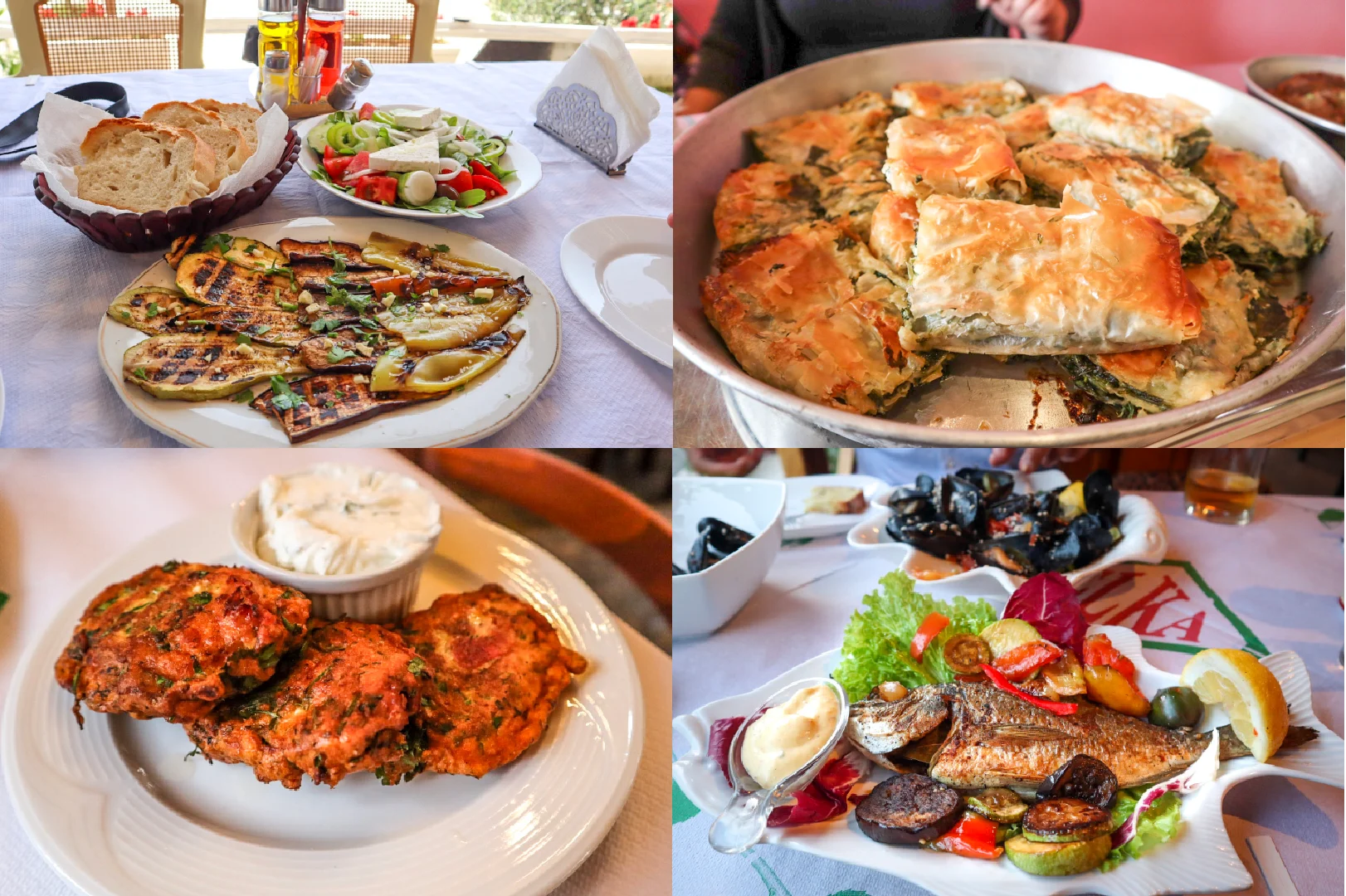
Stepping onto the morning streets, your senses are greeted by warm aromas from a byrektore (a dedicated pie shop). Here, bakers demonstrate the complex art of making authentic Albanian byrek from scratch. Imagine stretching phyllo dough so delicately you could read a newspaper through it. The sheer number of these meticulously stacked, shatteringly crisp layers is the ultimate mark of a baker’s culinary skill.

While almost anything can fill this crust, exploring quintessential Albanian food means knowing the historical classics. Locals constantly savor the three most popular byrek fillings:
- Spinach/Feta (Byrek me Spinaq): A vibrant, earthy blend wrapped in flaky perfection.
- Meat/Onion (Byrek me Mish): A hearty, savory mix of ground meat and caramelized onions.
- Pumpkin (Byrek me Kungull): A comforting, mildly sweet variation enjoyed during autumn.
To eat this masterpiece like a local, you must pair it with dhallë. This chilled, salty yogurt drink cuts perfectly through the rich, buttery pastry, providing a refreshing morning contrast. It creates a flawless culinary balance, preparing your palate for heavier afternoon meals. Interestingly, that same tangy yogurt profile provides the foundation for the country’s culinary centerpiece.
Tavë Kosi: The National Dish That Redefines Comfort Food
When asking what the most popular national dishes of Albania are, the unanimous answer transports you to the central city of Elbasan. Here, the tangy yogurt profile of morning drinks transforms into Tavë Kosi. Imagine succulent, slow-roasted lamb submerged in a velvety, quiche-like topping. Baked in traditional clay pots, this “Elbasan style” casserole emerges with a puffed, golden-brown crust, acting as the ultimate edible symbol of warm Albanian hospitality.
The roots of this comforting centerpiece lie in the history of Ottoman influence on Balkan gastronomy. Centuries ago, ruling empires introduced techniques for baking meats with dairy to preserve tenderness. Albanian shepherds quickly adapted this method using native mountain ingredients. Instead of relying on heavy Eastern spices, local cooks let the natural richness of farm-fresh lamb and sour sheep’s milk shine. This beautiful compromise created a distinct flavor profile that bridges hearty eastern traditions with bright Mediterranean acidity.
For home bakers, mastering this dish means respecting the crucial yogurt-lamb ratio. Whisking a simple roux with thick yogurt and eggs creates a stable custard that will not curdle when poured over the hot, savory meat juices. Achieving that flawless, fluffy texture relies entirely on the richness of the dairy. The behavior of these specific local fats changes dramatically, however, as the landscape shifts from northern mountain butter to southern Ionian oil.
From Mountain Butter to Ionian Oil: Navigating Regional Culinary Divides
Just as the landscape fractures into dramatic peaks and coastlines, Albania’s plate is split by the Shkumbin River. This waterway acts as a natural border, defining the differences between northern and southern culinary traditions. North of the river lies the Gheg region, shaped by harsh winters, while the southern Tosk region basks in Mediterranean warmth.
Up in the rugged Gheg mountains, survival required calorie-dense foods, making dairy the kitchen’s reigning champion. Cooks masterfully utilize seasonal root vegetables and stone-ground cornmeal. Their crowning achievement is mazë, a decadent, lightly fermented clotted cream. This rich fat replaces olive oil, forming the savory backbone for hearty winter dishes designed to sustain families through the snow.
Traveling south into Tosk territory, heavy mountain butter is replaced by the golden glint of Ionian olive oil. The coastal breezes allow for a lighter agricultural rhythm. Rather than thick creams, the southern diet thrives on delicate pastries, fresh seafood, and vibrant citrus. Olive trees drape the hillsides, providing the fruity oil that dresses nearly every meal.
Despite this stark contrast between the alpine north and breezy south, one unifying ritual anchors the country. Whether wiping up the last drops of northern cream or finishing a coastal feast, every gathering inevitably slows down for the same finale. This shared habit culminates in the cultural phenomenon of the two-hour espresso—a vital social contract rather than a mere caffeine fix.
The Two-Hour Espresso: Why Coffee is a Social Contract, Not a Caffeine Fix
Grabbing a paper cup on the way to work is an alien concept in the Balkans. In Albanian coffee culture—especially compared to Italian habits where shots are quickly knocked back at a standing bar—locals sit, linger, and connect. The kafene (coffeehouse) operates on unspoken seating etiquette. Claiming a table publicly signals that you are open for extended conversation and, as a matter of honor, proudly prepared to pay the bill for your companions.
Knowing what to order is a vital aspect of local dining etiquette. While modern kafe ekspres dominates public daytime cafes for casual networking, traditional kafe turke (Turkish coffee) holds a far more intimate space. Brewed slowly in a small copper pot with thick grounds settling at the bottom, this robust, unfiltered cup is specifically reserved for welcoming guests into private homes and requires careful, deliberate sips.
Beyond mere hospitality, these gatherings act as the country’s true boardroom, where everything from family matters to real estate deals are navigated over ceramic saucers. It is a social contract proving that trust simply cannot be rushed. Yet, once the sun sets, this slow-sipping daytime diplomacy shifts to a potent spirit, paving the way for raki.
Raki Etiquette: The Social Glue That Bonds the Balkans
When daylight fades, coffee transitions to a stronger social lubricant: Raki. This clear, fiery grape brandy is the undisputed champion of Balkan spirits. Its centrality to Albanian social gatherings stems from its historical power as a social equalizer. Whether celebrating a joyous wedding, sealing a business deal, or resolving a bitter dispute, opening a shared bottle symbolizes deep mutual respect and an unspoken truce.
Mastering the toast is a core part of local table manners. Raise your glass and warmly say Gëzuar (cheers—pronounced geh-ZOO-ar).

Follow these 4 Rules of Raki Etiquette:
- Always look the person in the eye when clinking.
- Never pour your own glass if you’re a guest.
- Sip, don’t shoot.
- Always have Meze (small snacks) on the side.
That final rule introduces a vital culinary anchor, as this potent spirit is rarely consumed on an empty stomach. A Meze platter—typically a humble spread of salty white cheese, fresh tomatoes, and olives—paces the drinking experience, keeping conversation flowing safely for hours. Once the glasses are emptied, locals embrace a cherished post-dinner ritual: the Xhiro.
Xhiro: The Art of the Evening Walk and the Pulse of the City
Stepping away from the dinner table, you will notice the streets coming alive as locals engage in the Xhiro (pronounced jee-ro). This evening stroll is a cornerstone of Albanian culture, acting as a communal digestif. Families and friends dress up to wander the boulevards and converse. To integrate into the local rhythm and honor the tradition, simply join the flowing crowd.
Beyond mere socialization, this daily migration creates a friendly form of community watch that keeps Albanian cities remarkably safe. Hundreds of watchful eyes naturally protect the streets, allowing children to play freely late into the night. To witness this vibrant energy in Tirana, head to Blloku (The Block). Once a restricted neighborhood reserved for communist elites, it is now the city’s trendiest district and the ultimate backdrop for this nightly parade of people-watching.
As the urban chatter eventually softens, the country’s social spirit connects to deeper traditions. While the capital buzzes with modern footsteps, venturing beyond city limits reveals a much more ancient communal harmony.
Polyphonic Echoes: Listening to the UNESCO-Protected Soul of the South
Leaving the bustling streets of Tirana for the rugged mountains of southern Albania, the soundtrack of daily life undergoes a dramatic shift. Here, the landscape itself seems to sing. This is the home of iso-polyphony, an ancient vocal tradition where harmonies weave together without any instruments. Imagine the haunting beauty of a choir, but born from echoing valleys and steep hillsides rather than a pristine concert hall.
To visualize this mesmerizing sound, picture a layered cake of voices. A foundational group holds a continuous, vibrating background note known as the “drone.” Over this steady hum, soloists layer soaring melodies that tell emotional stories of historic battles, heartbreak, and the harvest. This deeply rooted form of folk singing is so powerful it ranks among the most treasured UNESCO intangible cultural heritage sites in Albania, preserving the region’s acoustic soul.
Just as these resonant voices draw power directly from the terrain, the country’s culinary traditions are intimately tied to the earth. Those harvest songs echo a genuine celebration of fertile soil producing some of Europe’s freshest ingredients.
The Balkan Garden: Finding the Best Vegetarian Gems in a Meat-Centric Culture
Visiting a Balkan country often evokes images of endless platters of roasted lamb. While mountain towns certainly love their grill, the coastal valleys offer a lush surprise for plant-based eaters. The secret lies in the health benefits of the Albanian Mediterranean diet, which relies heavily on sun-ripened tomatoes, rich olive oil, and organic garden vegetables. Because meat was historically a luxury saved for special occasions, everyday village cooks became masters of “accidental” vegetarian cuisine, transforming simple crops into robust, flavor-packed meals that comfort the soul.
Stepping into a local tavern, you can effortlessly build a vibrant, meatless feast. Start with Fërgesë , a warm, bubbling dip of sweet peppers, tomatoes, and salty cottage cheese that rivals any baked ricotta you have ever tasted. Next, order Japrak—tender vine leaves stuffed with herbed rice and a bright squeeze of fresh lemon.
To easily navigate traditional menus, look for these five vegetarian staples:
- Fërgesë e Tiranës
- Japrak
- Imam Bajalldi
- Fasule
- Patëllxhanë të Mbushur
Finding traditional vegetarian recipes in Balkan cooking is easier than most travelers realize. You do not need to be a professional chef to recreate this wholesome magic in your own kitchen. Armed with a few fresh ingredients and a deep appreciation for Mediterranean flavors, you are perfectly prepared to bring these traditions into your own home.
Bringing the Eagle Home: How to Host Your Own Albanian Cultural Feast
The space between Greece and Montenegro is no longer a beautiful but mysterious blank spot on the European map. By exploring the rich layers of this hidden gem, you have uncovered a worldview where every meal is a celebration of survival, community, and profound generosity.
The true magic of Albanian cuisine lies in how inseparable the food is from the people who serve it. Historical resilience shaped a resourceful, Mediterranean-meets-Ottoman culinary landscape, while a deeply ingrained sense of honor preserved the nation’s warm soul. The flaky layers of savory pastries and the slow-roasted meats are not just recipes passed down through generations; they are edible invitations to connect.
You can bring this incredible warmth directly to your own dining room by hosting a dinner party inspired by these traditions. Start with a simple, refreshing Mediterranean salad of tomatoes, cucumbers, and feta, before moving on to bake a comforting pan of Tavë Kosi with its rich, savory yogurt and tender lamb. Round out the menu by experimenting with other hearty dishes, perhaps attempting your own spinach and cheese Byrek, noticing how crafting each layer builds an appreciation for the culture’s careful artistry.
The food, however, is only half the experience. Elevate your gathering by applying the core principles of Besa at your own table. Make your friends feel an extraordinary level of welcome, ensuring their cups never empty and their presence is deeply valued. Adopting this generous mindset shifts the atmosphere from a standard dinner to a meaningful event, proving that the world’s most beautiful traditions are meant to be shared.
Q&A
Question: What is Besa, and how does it shape Albanian hospitality today? Short answer: Besa—literally “to keep the promise”—is an ancient Albanian code of honor that makes a host morally responsible for a guest’s safety and comfort. Rooted in the Kanun (traditional mountain laws), it turns courtesy into obligation: people may personally escort you to your destination, and stepping into a home means being treated like royalty. Its deepest expression happens at the table, where handmade dishes and generous hosting make visitors feel like honored family.
Question: How do I eat byrek like a local, and which fillings are classic? Short answer: Start your morning at a byrektore, where impossibly thin, layered phyllo encases savory fillings. The three iconic options are spinach/feta (Byrek me Spinaq), meat/onion (Byrek me Mish), and pumpkin (Byrek me Kungull). Pair your slice with dhallë—a chilled, salty yogurt drink that cuts the pastry’s richness and sets you up for heartier meals later in the day.
Question: What makes Tavë Kosi special, and how can I avoid curdling when making it at home? Short answer: Tavë Kosi, especially “Elbasan style,” nestles slow-roasted lamb beneath a golden, quiche-like yogurt custard baked in clay, embodying Albania’s comforting hospitality. Influenced by Ottoman techniques but proudly local, it highlights farm-fresh lamb and tangy dairy over heavy spices. For a smooth, fluffy top, respect the yogurt-to-lamb balance and whisk a simple roux with thick yogurt and eggs—this stabilizes the custard so it won’t curdle when poured over the hot pan juices.
Question: What are the key social rituals around coffee, raki, and the evening xhiro? Short answer: Coffee is a social contract: in a kafene, sitting signals readiness for unhurried conversation, and hosts often insist on paying. Order kafe ekspres for casual daytime meetups, while traditional kafe turke—brewed slowly and sipped carefully—is reserved for welcoming guests at home. After dark, raki takes over; say “Gëzuar” (geh-ZOO-ar) and follow four rules: make eye contact, don’t pour your own if you’re a guest, sip (don’t shoot), and always have meze (cheese, tomatoes, olives). Cap the night with the xhiro (jee-ro), an elegant community stroll that keeps cities friendly and safe—Tirana’s Blloku is a prime place to see it.
Question: Is Albania friendly for vegetarians, and what should I order? Short answer: Very—thanks to a Mediterranean garden ethos and a history where meat was for special occasions, many dishes are “accidentally” vegetarian. Build a feast with Fërgesë e Tiranës (peppers, tomatoes, salty cottage cheese), Japrak (vine leaves stuffed with herbed rice and lemon), Imam Bajalldi, Fasule, and Patëllxhanë të Mbushur. Sun-ripened tomatoes, quality olive oil, and fresh produce make it easy to eat richly and meat-free.