
Exploring the History of Rozafa Castle
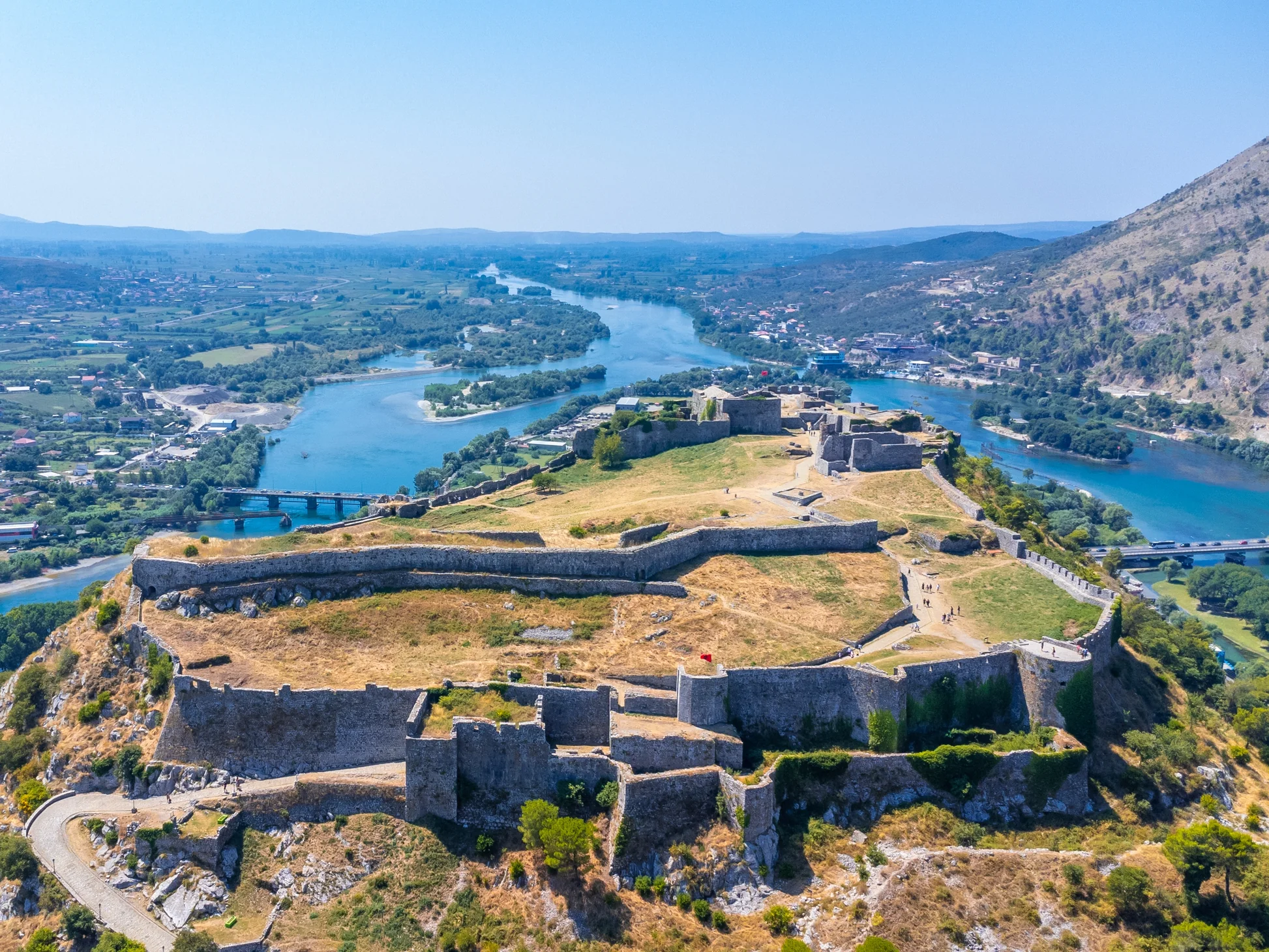
Nestled on a rocky hill near the city of Shkodër in northwestern Albania, Rozafa Castle stands as a sentinel of history. This ancient fortress, with its imposing walls and fascinating legends, offers a glimpse into Albania’s rich past. Its location atop a strategic hill has made it a focal point for various civilizations over the centuries, each leaving its mark on the castle’s architecture and story. Visitors to Rozafa Castle not only walk through its ancient gates but also step into a narrative that has been woven over millennia, connecting them to the heart of Albania’s cultural and historical legacy.
The castle’s vantage point provides sweeping views of the confluence of the Drin, Buna, and Kir rivers, illustrating its strategic importance. The panoramic vistas offer a breathtaking backdrop to the ancient stones that have borne witness to countless historical events. Today, Rozafa Castle is more than just a relic of the past; it is a vibrant symbol of Albania’s resilience and enduring spirit, drawing tourists and historians alike to explore its storied walls and uncover the secrets they hold.
Rozafa Castle is not just a marvel of medieval architecture; it is also steeped in legend. According to folklore, the castle’s construction faced many challenges. Every day, whatever was built by day would crumble at night. Desperate, the builders consulted a wise old man who suggested a human sacrifice was needed to break the curse. This legend, passed down through generations, is a poignant narrative that highlights the themes of sacrifice and destiny that permeate Albanian folklore.
The decision was made that the first wife to bring lunch to the workers would be sacrificed. It was Rozafa, the young wife of the youngest brother, who unwittingly sealed her fate. She accepted her destiny, but with one condition: her right breast, right hand, and right foot be left exposed so she could continue to nurture and care for her child. This tale is not only a testament to Rozafa’s selflessness but also an enduring symbol of maternal devotion and sacrifice. It reflects the profound cultural values that continue to resonate in Albanian society today, weaving a rich tapestry of myth and moral lessons that continue to be taught and cherished.
The haunting story of Rozafa has become an integral part of the cultural identity of the region. It is a tale that speaks to the human condition, exploring themes of love, duty, and the sacrifices we make for future generations. The legend serves as a reminder of the enduring bonds of family and community, and how these bonds have shaped the history and culture of Albania.
Rozafa Castle’s strategic location offers commanding views of the surrounding plains and rivers. The fortress itself is a testament to various epochs, with layers of Illyrian, Roman, Byzantine, and Venetian influences visible in its architecture. Each layer of stone tells a story, offering insights into the military strategies, cultural influences, and architectural innovations of the time. This blend of styles not only showcases the castle’s long history but also highlights the diverse cultural interactions that have occurred in this region.
The castle is accessed through three main gates, each representing a distinct architectural style. The first gate is Roman, evident from its robust construction and use of large stone blocks. The second and third gates reflect later Byzantine and Venetian modifications, showcasing the evolution of military architecture over centuries. These gates are more than mere entry points; they are historical markers, each with its own story of conquest, defense, and adaptation to changing times and technologies.
The walls of Rozafa Castle, with their formidable height and thickness, stand as a testament to the fortress’s primary role as a defensive stronghold. Built to withstand sieges and assaults, these walls reflect the military strategies of the various empires that have held sway over the region. Each layer of stone and mortar is a silent witness to the countless battles fought to control this strategic location.
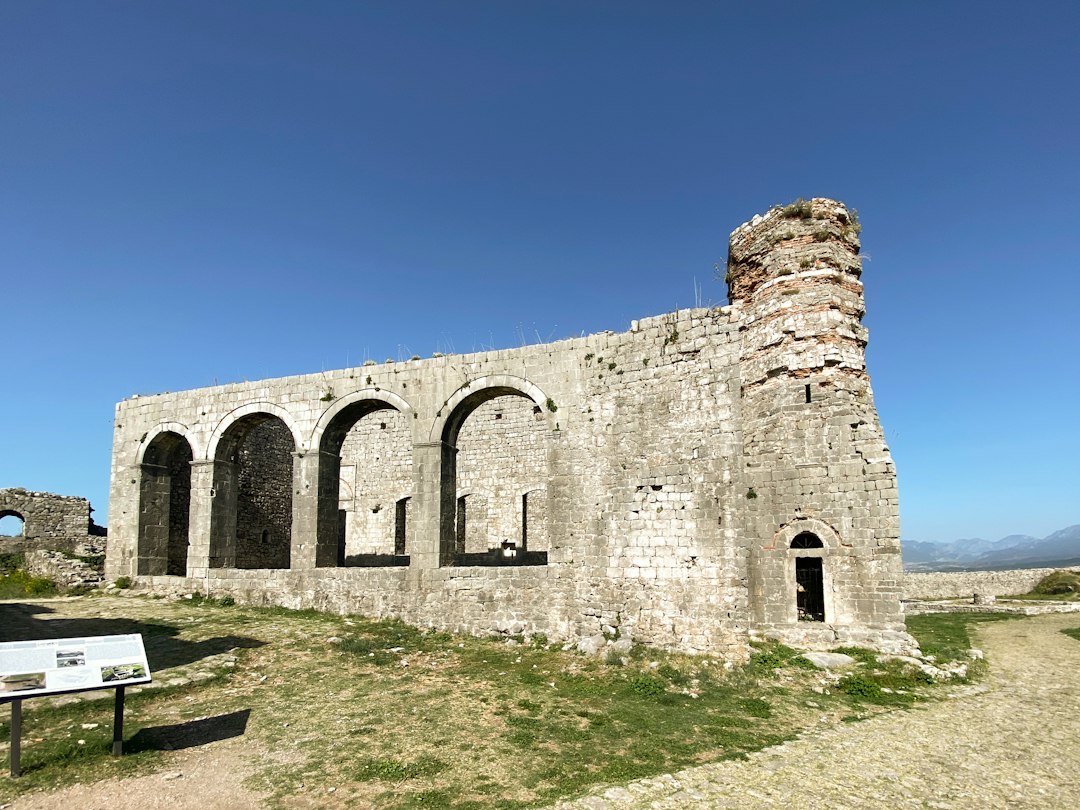
Within the castle’s walls, visitors can find remnants of a church and a mosque, illustrating the region’s religious transitions. The church, initially constructed in the Byzantine era, was later converted into a mosque during the Ottoman period. This duality reflects the cultural and religious diversity that has characterized Shkodër through the ages. The presence of both religious structures within the castle’s confines speaks to the historical shifts in power and the coexistence of different faiths over the centuries.
These remnants are not just architectural features; they are symbols of the cultural and religious dialogues that have taken place in this region. They tell the story of a community that has been shaped by both conflict and cooperation, and they remind us of the rich tapestry of beliefs and traditions that have influenced the development of Albanian culture.
Rozafa Castle also houses several water cisterns, crucial for sustaining its inhabitants during sieges. These ingeniously designed structures collected and stored rainwater, demonstrating the advanced engineering skills of ancient builders. The cisterns are a testament to the ingenuity of those who lived within the castle’s walls, ensuring a steady supply of water even in times of crisis. Storage rooms, once filled with provisions, further highlight the fortress’s role as a defensive stronghold.
The presence of these features underscores the strategic foresight of the castle’s planners. They reveal the practical aspects of life within a fortress, where preparation and resourcefulness were key to survival. Today, these remnants provide a fascinating glimpse into the daily lives of those who once called Rozafa Castle home, offering a tangible connection to the past.
Throughout its history, Rozafa Castle has been at the heart of many historical events in Albania. Its strategic importance made it a focal point for military campaigns and political intrigue. The castle’s location at the crossroads of major trade and military routes meant that it was often the scene of power struggles and alliances, reflecting the shifting tides of history in the region.
The earliest fortifications at Rozafa date back to the Illyrian period, around the 4th century BC. The Illyrians were a group of tribes who inhabited the western Balkans, and Shkodër was one of their key settlements. The castle served as a vital defense against invading forces, showcasing its enduring strategic value. The Illyrians’ legacy at Rozafa Castle is a testament to their skill in fortification and their understanding of the region’s strategic importance.
The Illyrian influence is still evident in the castle’s design, reflecting their unique approach to defense and settlement planning. This early period set the foundation for the fortress’s later development, marking the beginning of its long and storied history as a bastion of regional power.
Following the Roman conquest in the 2nd century BC, the fortress underwent significant modifications. The Romans reinforced the walls and improved the infrastructure, establishing Rozafa as a formidable military base. The Roman era brought new technologies and architectural techniques, transforming the fortress into a symbol of imperial power and engineering prowess. Later, during the Byzantine era, the castle continued to play a crucial role in regional defense, adapting to new military technologies and tactics.
The Byzantine influence is particularly notable in the castle’s architectural features, reflecting the empire’s emphasis on strong defensive structures. These adaptations ensured that Rozafa Castle remained a key military and administrative center, even as the political landscape of the region changed.
In the late Middle Ages, Rozafa Castle came under Venetian control. The Venetians further fortified the castle, recognizing its strategic importance in controlling trade routes and regional politics. The Venetian era saw the introduction of new fortification techniques and a focus on enhancing the castle’s defensive capabilities. However, the fortress eventually fell to the Ottomans in 1479 after a prolonged siege, marking a new chapter in its storied history.
The Ottoman conquest of Rozafa Castle marked a significant shift in the region’s political and cultural landscape. Under Ottoman rule, the castle continued to serve as a military stronghold, but it also became a center of administration and governance. This period saw the introduction of new architectural styles and cultural influences, further enriching the castle’s historical tapestry.
Today, Rozafa Castle is a popular tourist destination, attracting visitors from around the world. The site’s rich history and breathtaking views offer a unique experience for those interested in exploring Albania’s cultural heritage. The castle’s preservation and presentation provide insights into the past, offering a window into the lives of those who once inhabited its walls.
Visitors can explore the castle’s extensive grounds, walking along ancient walls and through historic gates. Informational plaques and guided tours provide insights into the site’s history and architecture. The panoramic views from the fortress, overlooking the confluence of the Drin, Buna, and Kir rivers, are a highlight for many. The castle’s elevated position offers a commanding perspective of the surrounding landscape, inviting visitors to imagine the strategic importance of this location throughout history.
The experience of visiting Rozafa Castle is both educational and inspiring, allowing visitors to connect with the past in a tangible way. The castle’s storied walls and breathtaking vistas provide a perfect backdrop for exploration and reflection, making it a must-see destination for anyone interested in Albania’s rich cultural heritage.
Rozafa Castle also serves as a venue for cultural events and festivals, celebrating the region’s rich traditions and history. These events offer a dynamic way to experience Albanian culture, with music, dance, and traditional crafts on display. The castle’s historic setting provides a unique atmosphere for these celebrations, connecting the past with the present in a vibrant display of cultural expression.
These events not only attract tourists but also engage the local community, fostering a sense of pride and connection to their cultural heritage. Through these celebrations, Rozafa Castle continues to play a vital role in the cultural life of the region, serving as a living testament to the enduring spirit and creativity of the Albanian people.
Rozafa Castle stands as a monument to Albania’s diverse history and enduring spirit. From its legendary origins to its role in regional power struggles, the fortress has witnessed the ebb and flow of empires and cultures. The castle’s walls are a testament to human ingenuity and resilience, standing strong against the test of time and bearing witness to countless historical events.
Today, it continues to captivate visitors with its stories of sacrifice, resilience, and heritage. Exploring Rozafa Castle is not just a journey through history; it is an opportunity to connect with the timeless narratives that have shaped the Albanian identity. Whether you’re drawn by the legend of Rozafa, the architectural marvels, or the breathtaking views, this ancient fortress offers something for every visitor. Its enduring legacy is a reminder of the rich cultural tapestry that defines Albania, inviting all who visit to explore and celebrate its history and heritage.