
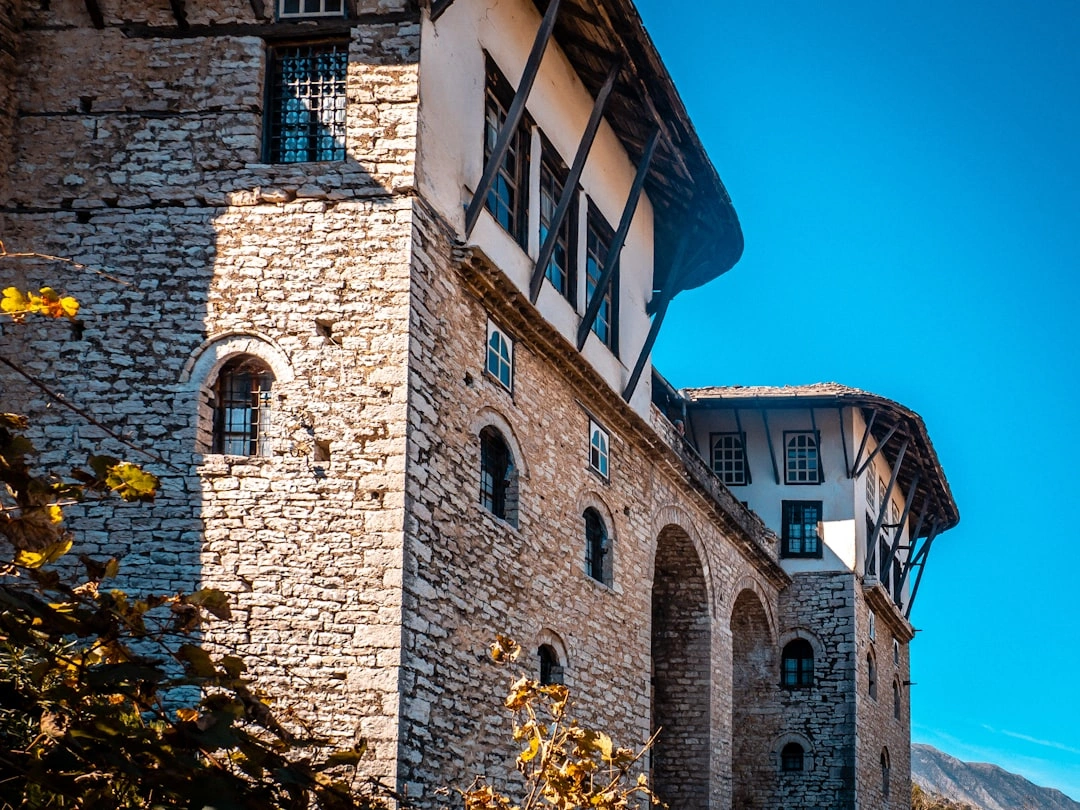
Nestled in the heart of Southern Albania, Gjirokaster is a city that exudes an undeniable charm and a rich tapestry of history. Its unique blend of Ottoman-era architecture, captivating landscapes, and vibrant culture makes it a must-visit destination. In this article, we’ll explore the many facets of Gjirokaster, from its historical significance to its modern-day allure.
Summary
Gjirokaster, the UNESCO-listed “City of Stone,” marries well-preserved Ottoman architecture with a dramatic hilltop castle, atmospheric old-town lanes, and a lively bazaar. Its cultural heartbeat includes the National Folklore Festival, thriving traditional crafts, and literary heritage as the birthplace of author Ismail Kadare. Nature lovers can explore the Drino Valley, surrounding mountains, and the nearby Blue Eye spring. Visitors typically arrive by road, choose from traditional stone guesthouses or modern hotels, and find the best conditions in spring or early autumn.
Gjirokaster, also known as the “City of Stone,” is renowned for its well-preserved Ottoman-era architecture. The city’s history dates back to the 13th century, and its old town is a UNESCO World Heritage site. Walking through the narrow cobbled streets, you’ll feel as if you’ve stepped back in time.
The roots of Gjirokaster stretch back to the Byzantine era, with archaeological findings suggesting an even earlier settlement. This historical depth is palpable as you explore the town. Each corner tells a story, from ancient fortifications to medieval buildings, offering a glimpse into the lives of those who walked these streets centuries ago.
The influence of the Ottoman Empire is evident throughout Gjirokaster, especially in its architectural style. The town is adorned with stone houses, each with distinctive roofing and woodwork that reflect the era’s craftsmanship. These houses, often called “kulla,” are a testament to the town’s historical significance. The intricate carvings and ornate designs speak volumes about the artisanship and cultural exchanges that thrived during the Ottoman period.
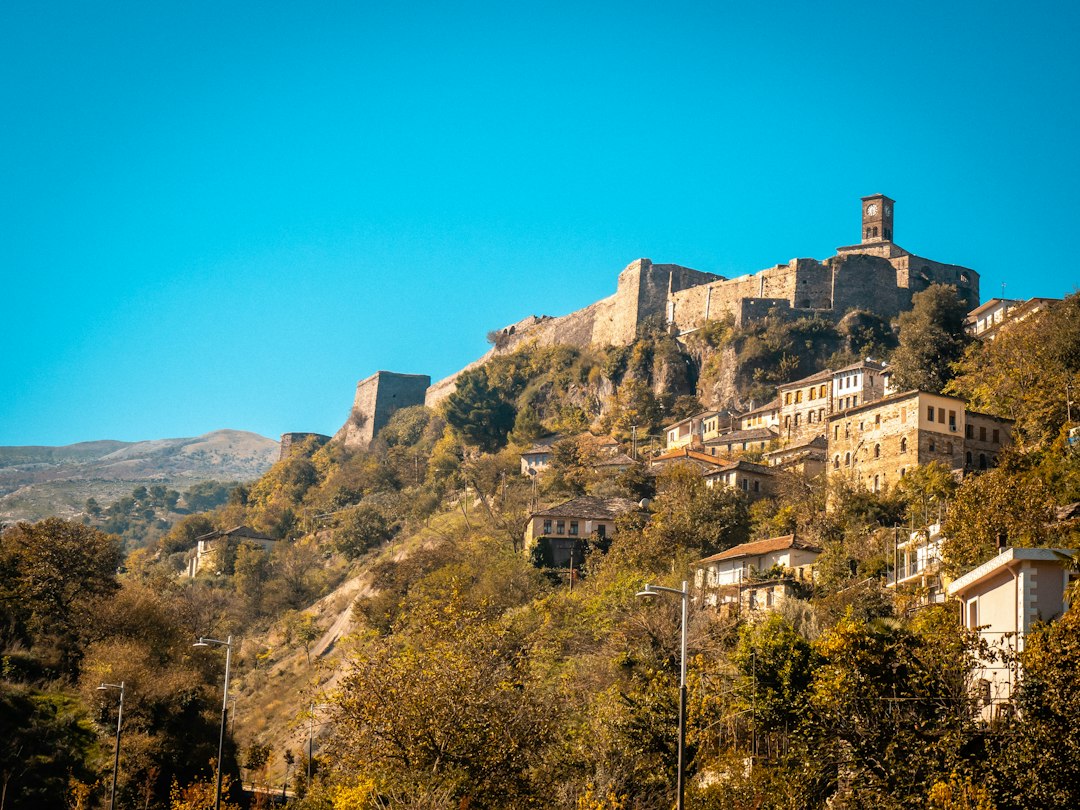
Perched atop a hill, Gjirokaster Castle dominates the skyline and offers panoramic views of the surrounding valley. This fortress has played a pivotal role in the town’s history, serving as a defensive stronghold and a royal residence. Today, it houses a fascinating museum that provides insights into the area’s past, including its military history and local folklore. The castle’s towering presence not only narrates tales of conquests and defense but also serves as a cultural hub, hosting festivals and events that bring the past to life.
Gjirokastra’s old town is a treasure trove of history and culture. As you wander through its labyrinthine streets, you’ll encounter a blend of Ottoman and Albanian influences.
The architecture in Gjirokaster old town is a captivating mix of styles. The characteristic stone houses, with their slate roofs and wooden balconies, create a picturesque scene. The Skenduli House and Zekate House are prime examples of the well-preserved Ottoman architecture, offering a glimpse into the lifestyle of the era’s elite. Walking through these homes, you can almost hear the echoes of past conversations and feel the warmth of family gatherings that once took place within these stone walls.
The streets of Gjirokaster are more than mere pathways; they are a journey through history. Each turn reveals a new facet of the town’s past, from bustling squares to quiet alleyways. The cobbled paths, worn smooth by countless footsteps over the centuries, invite you to explore further, each step a connection to those who walked before you.
The bustling bazaar in the heart of Gjirokaster is a vibrant hub of activity. Here, you can explore local handicrafts, sample traditional Albanian cuisine, and interact with friendly locals. The bazaar’s lively atmosphere is a testament to the town’s enduring spirit. It is a sensory delight, where the aromas of spices mingle with the vibrant colors of textiles, and the sound of bartering fills the air, creating an experience that is both timeless and uniquely Gjirokaster.
Gjirokaster is not only a town of historical significance but also a center of cultural heritage. The town hosts several cultural events and festivals throughout the year, celebrating its rich traditions.
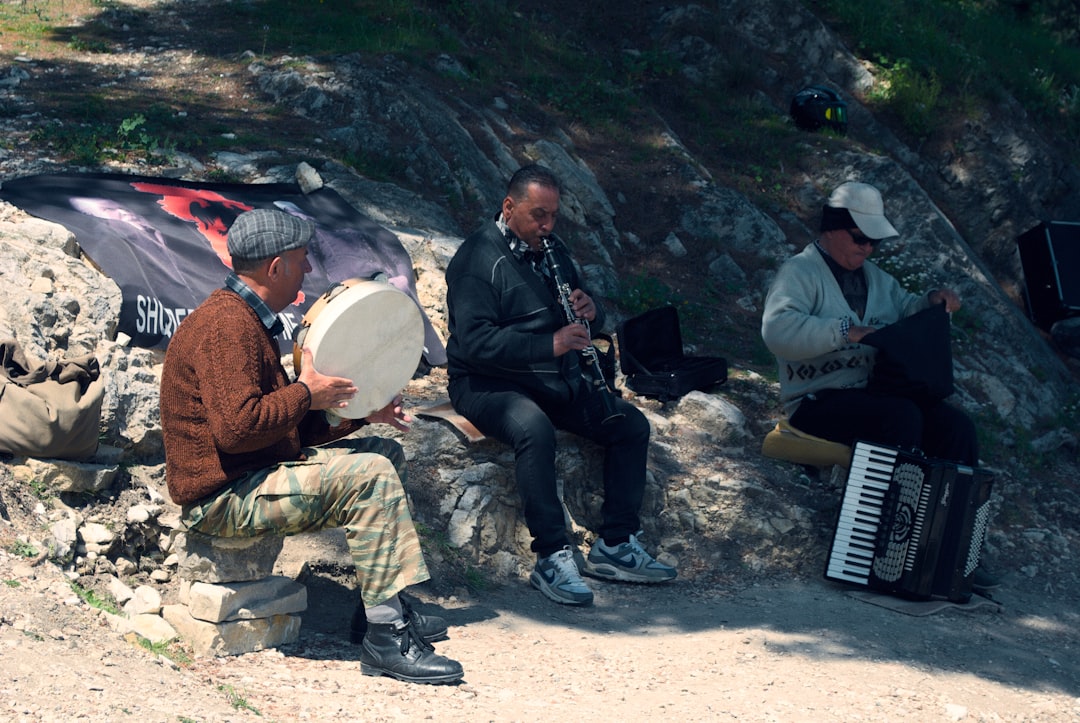
Held every four years, the National Folklore Festival in Gjirokaster is a vibrant celebration of Albanian culture. It showcases traditional music, dance, and costumes, drawing performers and spectators from across the country. This event is a testament to the town’s commitment to preserving its cultural heritage. The festival transforms the streets into a living tapestry of tradition, where the rhythmic beats of folk music resonate through the air and colorful costumes swirl in a dance of cultural pride.
Gjirokaster is a living museum of traditional crafts, with artisans keeping age-old techniques alive. From intricate embroidery to pottery and wood carving, these crafts are a testament to the town’s rich cultural tapestry. Visitors can engage with local craftsmen, learning the stories behind each piece and even trying their hand at creating their own unique souvenirs.
Gjirokaster is the birthplace of Ismail Kadare, one of Albania’s most celebrated writers. Kadare’s works have been translated into numerous languages, earning him international acclaim. His novels often draw inspiration from Albanian history and folklore, offering readers a glimpse into the country’s rich cultural tapestry. Visiting Gjirokaster offers an opportunity to explore the landscapes and settings that inspired Kadare’s evocative tales, adding a literary dimension to the town’s cultural allure.
Beyond its historical and cultural treasures, Gjirokaster is blessed with stunning natural landscapes. The town is surrounded by lush valleys and rugged mountains, providing ample opportunities for outdoor adventures.
The Drino Valley, with its fertile plains and meandering river, offers a scenic backdrop to Gjirokaster. It’s an ideal spot for hiking and picnicking, with trails that lead to picturesque viewpoints. The valley’s tranquility provides a perfect escape from the hustle and bustle of city life. The changing seasons paint the landscape in hues of green and gold, offering a serene and ever-changing canvas for nature lovers.
For those seeking adventure, Gjirokaster’s surrounding landscapes offer numerous hiking trails and outdoor activities. The rugged mountains and lush valleys beckon explorers, offering trails that range from gentle walks to challenging hikes. Along the way, hikers can encounter diverse flora and fauna, adding an element of discovery to their journey.
A short drive from Gjirokaster lies the Blue Eye, a mesmerizing natural spring known for its crystal-clear waters. The vibrant blue hues of the spring, set against the lush greenery, create a breathtaking sight. Visitors can take a dip in the cool waters or simply enjoy the serene surroundings. The Blue Eye is a testament to the natural beauty that complements Gjirokaster’s historical and cultural allure, offering a refreshing retreat into nature’s embrace.
When planning a visit to Gjirokaster, there are a few practical considerations to keep in mind.
Gjirokaster is accessible by road, with regular bus services from major Albanian cities like Tirana and Saranda. The town is also a convenient stop for travelers exploring the Albanian Riviera. Whether you choose to drive through the scenic routes or take public transport, the journey to Gjirokaster is a prelude to the beauty and history that await.
Gjirokaster offers a range of accommodation options to suit different budgets. From charming guesthouses in the old town to modern hotels with panoramic views, there’s something for everyone. Staying in a traditional stone house provides an authentic experience and allows you to immerse yourself in the town’s unique ambiance. These accommodations blend modern comforts with historical charm, offering a cozy retreat after a day of exploration.
The best time to visit Gjirokaster is during the spring and early autumn months when the weather is mild and ideal for exploring. The town’s cultural events and festivals often take place during these seasons, providing an opportunity to experience its vibrant traditions firsthand. Visiting during these times allows you to enjoy the full spectrum of Gjirokaster’s offerings, from its lively festivals to its serene natural beauty.
Gjirokaster, Albania, is a destination that captivates visitors with its rich history, cultural heritage, and natural beauty. From exploring its well-preserved old town to immersing yourself in its vibrant cultural scene, there’s no shortage of experiences to enjoy. Whether you’re a history enthusiast, a nature lover, or a cultural explorer, Gjirokaster offers something for everyone. Plan your visit and discover the timeless charm of this enchanting town. The echoes of the past, the warmth of its people, and the breathtaking landscapes all come together to create a unique and unforgettable travel experience.
Frequently Asked Questions
Question: Why is Gjirokaster called the “City of Stone,” and what defines its architecture? Short answer: Gjirokaster earns its “City of Stone” nickname from its distinctive Ottoman-era stone houses (often called kulla), slate roofs, and finely crafted woodwork. Its old town, a UNESCO World Heritage site, preserves this architecture exceptionally well, with narrow cobbled lanes and centuries-old buildings that reflect roots reaching back to the Byzantine era and beyond.
Question: What are the must-see highlights in the old town? Short answer: Start with Gjirokaster Castle, a hilltop fortress offering panoramic valley views and a museum that explores local history, military heritage, and folklore; it also hosts cultural events. Wander the atmospheric streets to visit the Skenduli House and Zekate House—excellent examples of elite Ottoman-era residences—and immerse yourself in the lively bazaar, where local crafts, cuisine, and daily life converge.
Question: How can I experience Gjirokaster’s cultural heritage? Short answer: Time your visit for the National Folklore Festival, held every four years, to see traditional Albanian music, dance, and costume on full display. Engage with artisans who keep embroidery, pottery, and wood-carving traditions alive, and explore the town’s literary side—Gjirokaster is the birthplace of acclaimed author Ismail Kadare, whose works draw on Albanian history and folklore.
Question: What nature and outdoor experiences are nearby? Short answer: The Drino Valley offers tranquil scenery, hiking routes, and picnic spots with changing seasonal colors. Surrounding mountains provide trails ranging from gentle walks to more demanding hikes, with encounters with diverse flora and fauna. A short drive away, the Blue Eye spring dazzles with crystal-clear, vibrant blue waters set amid lush greenery—perfect for a refreshing pause in nature.
Question: How do I get there, where should I stay, and when is the best time to visit? Short answer: Gjirokaster is reachable by road, with regular buses from major cities like Tirana and Saranda, and it fits nicely into trips along the Albanian Riviera. Lodging ranges from traditional stone guesthouses in the old town to modern hotels with sweeping views; staying in a historic house offers a particularly authentic feel. The best conditions are in spring and early autumn, when mild weather and many cultural events make exploring especially rewarding.