
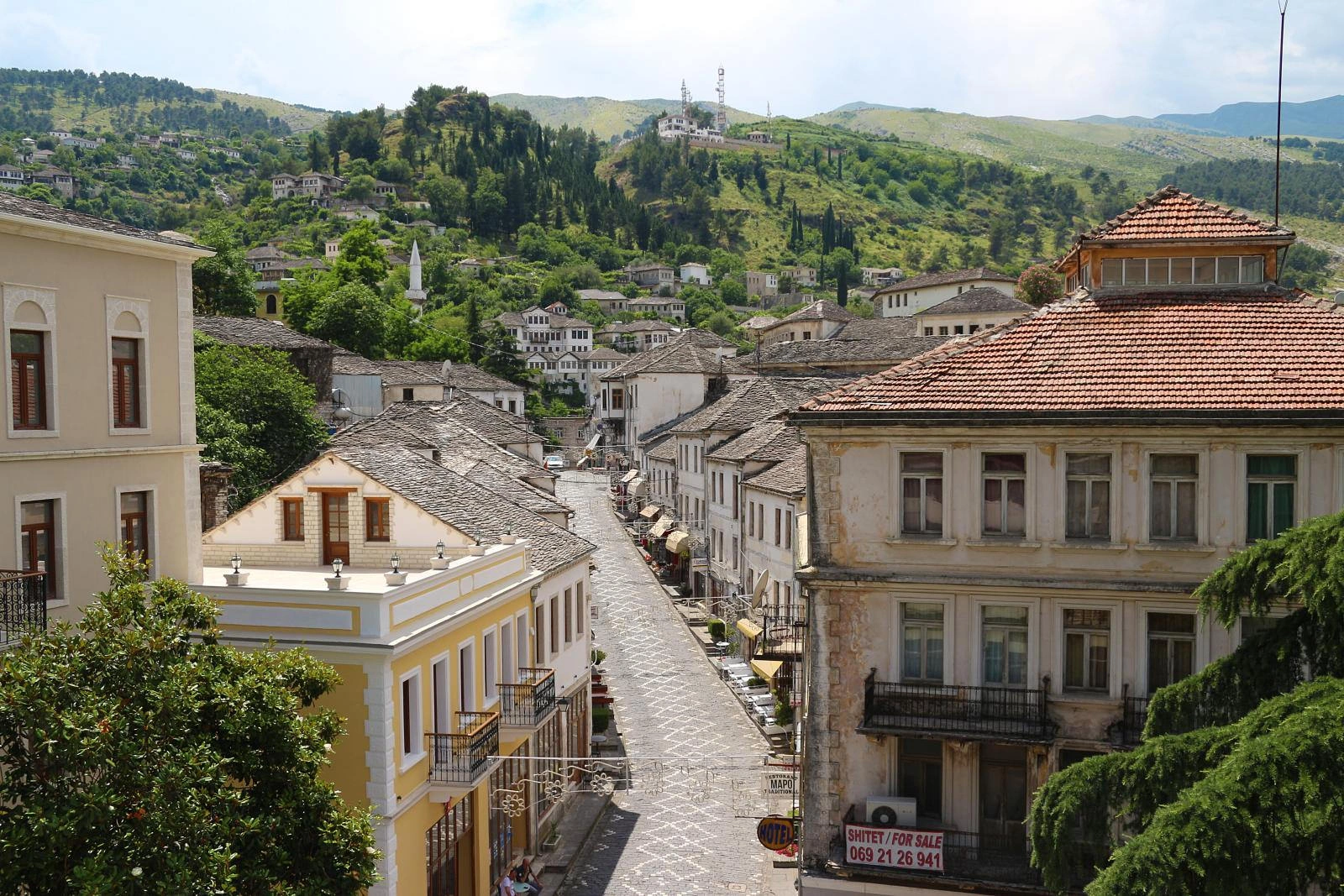
Gjirokastra Albania, which is on the steep landscape in the Drino Valley in southern Albania, is a living museum, a delightful UNESCO World Heritage city made almost entirely of stone. It is referred to as the “City of Stone” for its type of structure and its slate roofs. Gjirokastra is the place where history, art, and legend combine for truly unforgettable experiences.
Gjirokastra Castle – A fortress with a view
Gjirokastra Castle, a fortress perched above the city, is one of the largest castles in the Balkans. Walking through its enormous stone walls and pathways feels as if you go back in time. The castle is home to a military museum, some remnants of old prisons, and a part of a captured U.S. military plane from the Cold War. However, the greatest jewel is the unobstructed view of the old town and the Drino valley, with its visual wonders of mountain peaks and red roofed buildings.
Enjoying the Gjirokastra Old Bazaar – A time warp
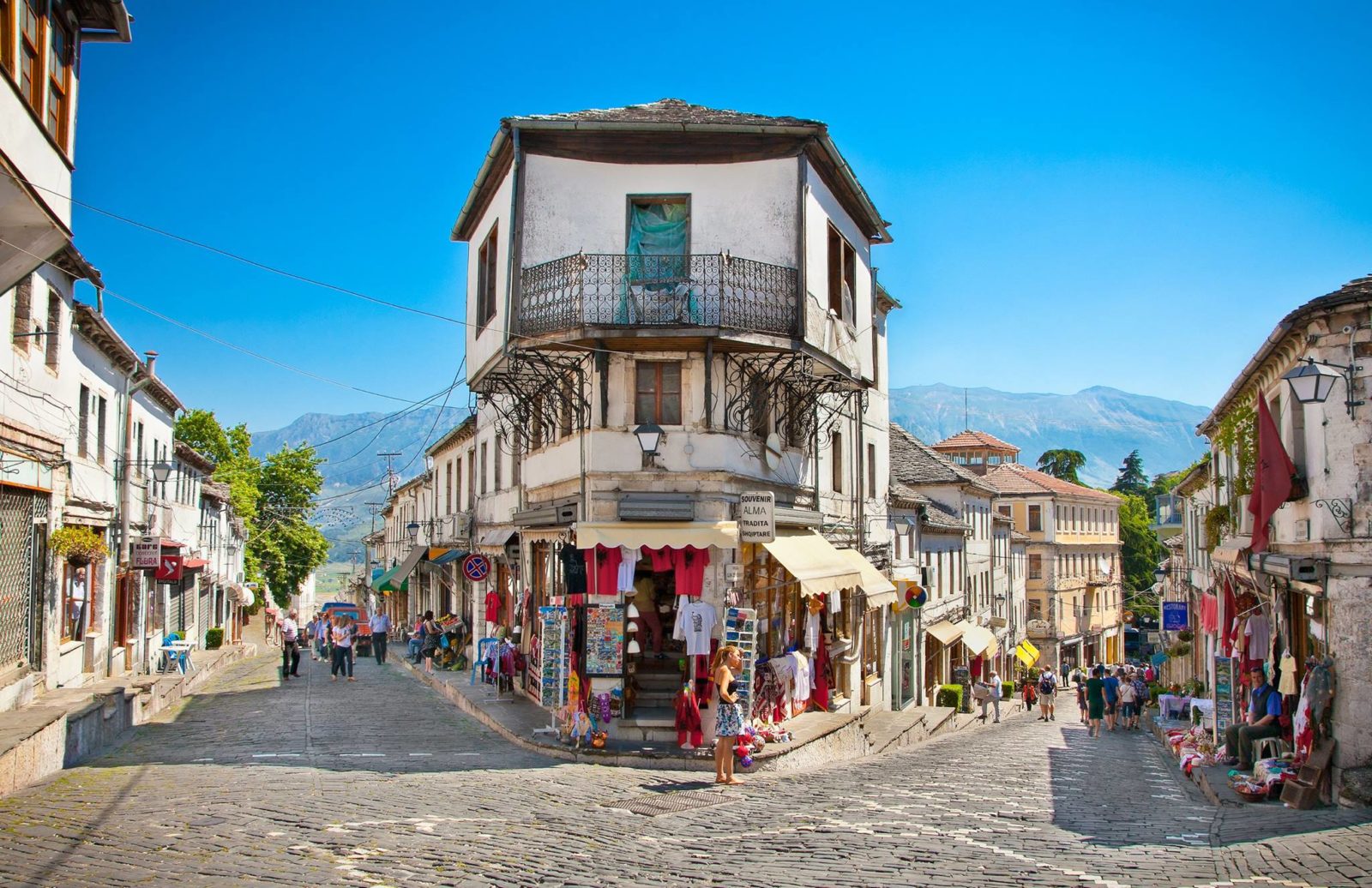
In the heart of Gjirokastra, there is a bazaar hundreds of years old, cobbled streets, shops run by artisans, tea houses and Ottoman-era houses, where time stands still. You could spend all day just browsing handcrafted carpets, copperware, woodcrafts and traditional Albanian clothing. The bazaar is the perfect place to pick up a unique and soulful souvenir.
Discovering Skenduli and Zekate house – Palaces of the past
The traditional Ottoman style house is not just a house but part of cultural heritage. Skenduli House has secret passageways, original furnishings, and beautiful Ottoman interior really shows good insight into how families of wealth lived during an Ottoman timeframe. Zekate House is a hilltop property of stone design and was considered as a model for stone architecture as well as offering essential views of Gjirokastra.
An unexpected underground experience – The cold war tunnel
Though the city looks peaceful from above, it is hiding a dark secret beneath it. The Communists built an underground bunker during the Cold War. This subterranean castle has over 80 rooms and a maze of hallways for guided tours, vaguely detailing aspects of life within the city when fear and subterfuge were part of everyday life.
The Gjirokastra National Folklore Festival – A celebration of living tradition
Every few years, this colorful festival takes place in the castle, celebrating the past and present of Albanian Culture with musicians, dancers, and artists from throughout Albania and the Albanian diaspora. The festival takes place each summer and is an explosion of color filled with traditional outfits, folk instruments, and centuries-old dance, a magnificently colorful tribute to the cultural life of Albania before the era of communism.
Why should you visit Gjirokastra?
Because it’s a place where you not only see history, but feel it. Each stone wall and narrow stairway whispers the stories of merchants, poets, rebels, and families that have contributed to the city through the years.
Practical advice for your visit to Gjirokastra
-Wear comfortable shoes
Gjirokastra is steep and has cobblestone in most of the walking areas. You will benefit from the right footwear.
-Plan your visit in the spring or autumn
The summer sun can be quite hot, especially between midday and 4:00 p.m. Ideally, the best time to visit Gjirokastra is anywhere between late April to June and September to October to explore in the cooler temperatures.
-Staying in a traditional guesthouse
Many of the older houses have been converted into delightful small hotels or B&Bs. These would not only provide where you will sleep at night; it will also give you the very experience of Gjirokastrian hospitality!
-Don’t hurry
This is a city that will longer take more time than what you might want, so take your time enjoying it. Make sure you take a moment to pull up a chair in one of the quiet courtyards and sip a mountain tea while watching the day go by in a shaded café, or simply linger a little longer at the top of the castle walls while enjoying the spectacular view of sunset.
– Bring cash
The majority of shops and guesthouses based in the old town operate on cash payments only. An ATM may also not be readily available either!
Recommended accommodations:
– Hotel Kalemi 2 – A beautifully restored traditional house with decorative wooden ceilings and antique furniture.
– Stone City Hostel – Absolutely fabulous for young travelers and backpackers. Open, friendly staff and a great social vibe.
– The Argjiro Hotel – For those looking for modern comforts while being centrally located.
Top places to eat:
– Taverna Tradicionale Këculla – Situated on the hillside with amazing views and authentic (and fabulous) local cuisine.
– Gjoça Restaurant – Great for traditional meat dishes, byrek, and village specialties.
– Bar Restaurant Kujtimi – Cozy and informal. Popular with both locals and travelers.
If you’re drawn to cities with soul, timeless beauty, and ancient stories carved into stone, Gjirokastra will be hard to resist. It is beyond just a destination, it opens the door into Albania’s poetic past.