
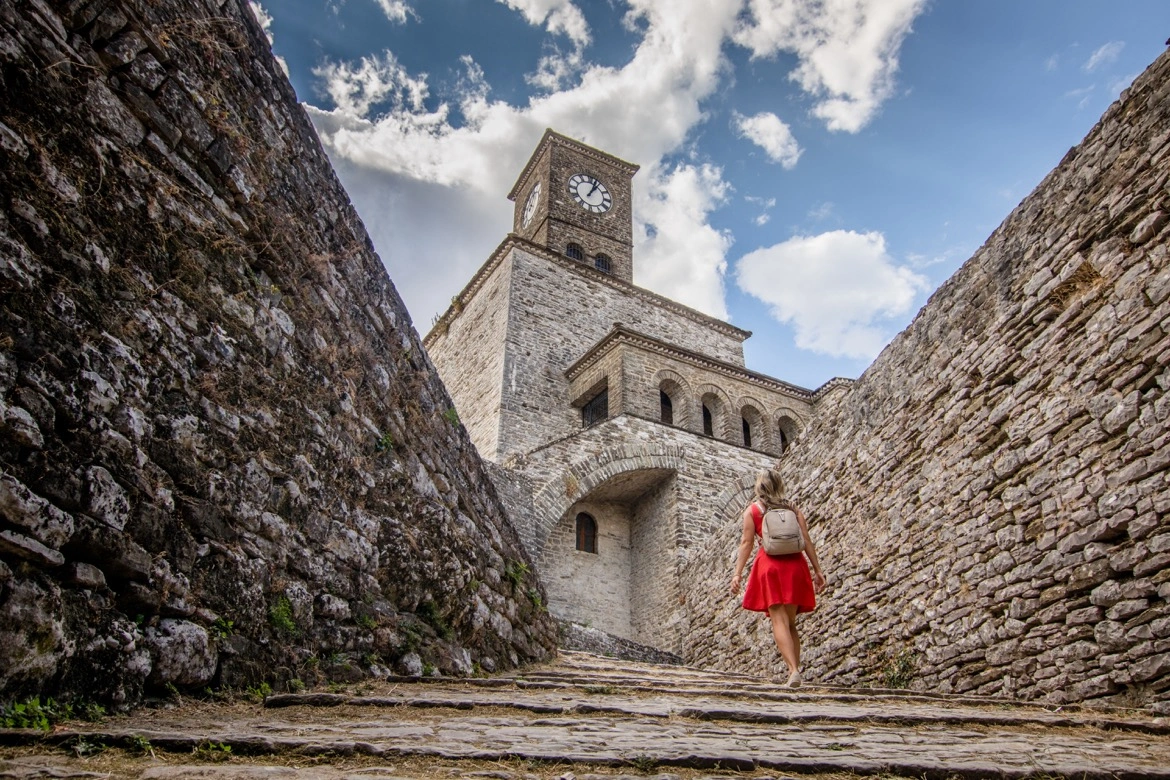
Top Attractions to Visit in Gjirokaster
Nestled in the heart of Albania, Gjirokaster is a city that captivates with its rich history and stunning architecture. Known as the “City of Stone,” it boasts unique stone houses and cobbled streets that transport visitors back in time.
Gjirokaster is a UNESCO World Heritage Site, celebrated for its well-preserved Ottoman architecture. This city is a treasure trove for history buffs and cultural explorers alike. Its charm lies in the blend of historical significance and natural beauty.
The crown jewel of Gjirokaster is its imposing castle, one of the largest in the Balkans. From its ramparts, you can enjoy panoramic views of the city and surrounding landscapes. The castle also houses fascinating museums, including the National Museum of Armaments.

Stroll through the Old Bazaar, a vibrant area filled with traditional shops and cafes. Here, local artisans showcase their crafts, offering a glimpse into the city’s cultural heritage. The Zekate House, a masterpiece of Ottoman design, is a must-see for architecture enthusiasts.
Gjirokaster is not just about history; it’s also a hub for culinary delights. Savor traditional dishes like qifqi and pasha qofte, which reflect the region’s rich culinary traditions. Whether you’re a history lover or a foodie, Gjirokaster promises an unforgettable experience.
Discovering Gjirokaster: The City of Stone
Gjirokaster, often called the “City of Stone,” mesmerizes visitors with its distinct architecture and storied past. Its nickname originates from the abundance of locally sourced stone used in constructing its buildings. This unique design has preserved the town’s historical essence.
Wandering through the city, you are greeted by cobblestone streets and graceful stone houses that tell tales of a bygone era. Each house exudes elegance and strength, complemented by wooden balconies and intricate carvings.
Visitors can immerse themselves in Gjirokaster’s vibrant culture by visiting various significant landmarks. The city’s old quarter is a maze of narrow lanes, offering surprises at every turn. Each corner offers breathtaking views of the surrounding hills.

A walk through the old town reveals the layered history of the place. Churches, mosques, and medieval structures dot the landscape, reflecting the city’s diverse past. The confluence of different cultural influences is evident in its architecture and everyday life.
Here are some must-see elements when exploring Gjirokaster:
- Traditional stone houses known for their architectural beauty
- The picturesque Old Bazaar bustling with life
- Iconic landmarks such as the city castle

Local artisans and craftsmen keep the city’s heritage alive. Their workshops line the streets, each offering distinct souvenirs and handcrafted items. Pottery, embroidery, and woodwork reflect the rich artistic traditions of the region.
The city’s atmosphere is both timeless and inviting, with cafes and eateries providing a chance to relax and enjoy local flavors. As you explore Gjirokaster, each step brings you closer to understanding its deep cultural roots and historical significance.
You’ll come away with a profound appreciation for this Albanian gem. Gjirokaster remains a living museum, a testament to the enduring spirit of its people and their heritage.
A Brief History of Gjirokaster
Gjirokaster’s rich history spans centuries, leaving an indelible mark on its landscape and architecture. Originating in the 12th century, it grew into a significant Ottoman hub. The city’s strategic location made it an essential stronghold during various military campaigns.
The Ottoman era defined much of Gjirokaster’s architectural identity. Stone houses with distinct wood and stone craftsmanship became common. This era’s influence is evident today in the city’s layout and design. Over time, Gjirokaster developed a blend of cultural influences.

As the 19th century dawned, Gjirokaster saw a wave of modernization. The Ottoman Empire’s decline led to brief autonomy periods, influencing local governance. During this time, the city became a cultural melting pot, hosting influential thinkers and writers.
In the 20th century, Gjirokaster rose to political prominence. It was the birthplace of Enver Hoxha, Albania’s communist leader. His regime cemented the city’s historical significance, making it a focal point for political and cultural developments.
The city’s post-communism period brought renewed interest in its preservation. It was designated a UNESCO World Heritage Site, highlighting its cultural value and historical importance. This recognition underscores Gjirokaster’s unique blend of history and architecture.
Key historical influences on Gjirokaster include:
- Ottoman architectural developments
- Political and cultural transformation during the 19th and 20th centuries

Today, the city attracts history enthusiasts eager to explore its storied past. Its well-preserved buildings serve as windows into different eras, providing tangible links to both its Ottoman roots and recent historical events. Gjirokaster’s history continues to shape its identity, drawing visitors worldwide who seek to understand its significance.
Gjirokaster Castle: The Crown Jewel
Gjirokaster Castle dominates the skyline, offering a glimpse into Albania’s storied past. Perched atop a hill, it provides sweeping views of Gjirokaster city and surrounding landscapes. Built in the 12th century, it has undergone numerous expansions.
The castle’s strategic location made it a vital military fortification. Its robust stone walls and fortified towers illustrate the architectural prowess of the time. As you wander through its impressive gates, history envelops you.
Home to several museums, the castle is more than just a relic. The National Museum of Armaments showcases Albania’s military history, displaying weapons and artifacts from various periods. Visitors can delve into the nation’s wartime heritage here.
Gjirokaster Castle also hosts cultural events. Every five years, it comes alive with the National Folklore Festival. This event celebrates Albanian traditions through music and dance, attracting visitors from across the globe.
One of the castle’s unique features is its prison cells. These austere chambers were used during various regimes, telling dark tales of imprisonment. Walking through them offers a somber reflection on Albania’s tumultuous history.

Key features of Gjirokaster Castle include:
- Panoramic views of the city and landscapes
- The National Museum of Armaments
- Hosting the National Folklore Festival
- Historical prison cells
The castle grounds are vast, inviting exploration. From its battlements, you can imagine soldiers once keeping vigil over the valley. The combination of history, culture, and breathtaking views makes Gjirokaster Castle a must-see.
The castle’s architecture, with its mix of fortifications and cultural elements, highlights its multifaceted history. It’s a testament to the city’s resilience and cultural depth. Exploring the castle provides insight into Albania’s evolution through centuries.

Gjirokaster Castle, with its layered history and stunning architecture, truly is a crown jewel of Gjirokaster city. It stands as a symbol of Albania’s enduring spirit.
Exploring the Castle Grounds
The expansive grounds of Gjirokaster Castle offer much to discover. Paths lead visitors through rich historical landscapes. As you walk, each corner reveals a story, echoing past centuries.
Guided tours provide insight into the castle’s varied past. Knowledgeable guides recount tales of battles and daily life within the fortress. Tours are a great way to grasp the site’s extensive history.
The castle boasts several towers offering spectacular views. Climbing these towers rewards with panoramas of Gjirokaster and the surrounding landscape. They provide perfect spots for photography enthusiasts.
Throughout the grounds, remnants of ancient buildings stand. These ruins whisper of lost times and showcase architectural prowess. They’re a nod to the endurance of stonework in harsh conditions.
Events and festivals sometimes animate the castle’s open spaces. These cultural gatherings bring lively energy, blending history with contemporary joy. Exploring during such times offers a unique experience.
The National Museum of Armaments
Inside Gjirokaster Castle lies the National Museum of Armaments. This museum offers a deep dive into Albania’s military past. It’s a perfect place for history buffs and enthusiasts.
Exhibits range from ancient weaponry to more modern arms. The collection includes swords, firearms, and military uniforms. Each piece speaks volumes about past conflicts and strategies.
The museum also highlights key battles in Albania’s history. It presents a narrative of courage and resilience. Visitors leave with a better understanding of the country’s storied past.
Interactive displays engage guests of all ages. These allow for an immersive experience, making history come alive. The museum is not just about artifacts; it’s about experiencing history.
Visiting the National Museum of Armaments enriches your understanding of Albania’s military legacy. It’s a vital part of any trip to Gjirokaster Castle.
The Ethnographic Museum: Enver Hoxha’s House
The Ethnographic Museum in Gjirokaster offers a fascinating look at Albanian culture. Located in Enver Hoxha’s former home, it blends history with domestic heritage. Visitors step into the world of traditional Gjirokaster life.
The museum showcases Ottoman-era artifacts, offering insights into historical lifestyles. The house itself is a prime example of local architecture. Intricate woodwork and stone elements reflect skilled craftsmanship.

Enver Hoxha’s legacy adds depth to the museum’s story. As Albania’s longtime communist leader, his house holds political and historical significance. Visitors can explore rooms once bustling with political activity.
Key features of the Ethnographic Museum include:
- Traditional domestic artifacts from the Ottoman period
- Insight into the life of Enver Hoxha
- Exquisite architectural design of the house
- A glimpse into Gjirokaster’s cultural heritage
Guided tours offer rich narratives about Enver Hoxha’s influence. They provide context for both the house and its exhibits. These tours create a layered understanding of Albania’s complex past.
The Ethnographic Museum engages visitors with its unique combination of history and culture. Each room reveals stories through artifacts and architecture. It stands as a testament to Gjirokaster’s rich heritage and political significance.
The Old Bazaar: Heart of Gjirokaster City
The Old Bazaar is a vibrant hub within Gjirokaster. This lively area forms the heart of the city’s social and economic life. Known for its traditional vibe, it’s a must-visit for travelers.
Cobbled streets weave between stone buildings, embodying the old-world charm. The architecture reflects the Ottoman influence that Gjirokaster is famous for. Each step through these streets feels like stepping back in time.
Here, visitors can explore a plethora of shops. From handmade crafts to local textiles, there’s something for everyone. Artisan shops offer unique, authentic items that are perfect souvenirs.
Apart from shopping, the Old Bazaar is rich in culture. It buzzes with the sounds and smells of daily life. Street vendors add to the lively atmosphere with their colorful displays.
Many cafes line the streets, providing a place to rest and soak in the ambiance. Sipping coffee here feels like a local experience. The cafes offer the perfect spot to people-watch and enjoy traditional Albanian hospitality.
The Old Bazaar also hosts several cultural events throughout the year. During festivals, the area transforms with music and dance, further energizing the streets. These events make any visit uniquely memorable.
A visit to Gjirokaster isn’t complete without exploring the Old Bazaar. It’s where history, culture, and daily life intertwine beautifully. As the heart of Gjirokaster city, it offers an immersive cultural experience.
Key highlights of the Old Bazaar include:
- Traditional artisan shops and souvenirs
- Charming cobblestone streets
- Vibrant cafes and local eateries
- Cultural events and festivals
Discovering the Old Bazaar is like unraveling a vibrant tapestry of life in Gjirokaster. Every corner of this area reveals a new story, crafted with the colors of tradition and the threads of time.
Gjirokaster’s Traditional Houses and Architecture
Gjirokaster’s architecture is a testament to its rich history. Known as the “City of Stone,” its buildings are a marvel of Ottoman design. These structures give the city a unique character.
The city’s distinctive houses feature sturdy stone facades. Their roofs, made from layers of smooth grey slate, glisten under the sun. These elements contribute to Gjirokaster’s charming aesthetic.

Inside, elaborate woodwork decorates many of these homes. The intricate designs showcase skilled craftsmanship. Wood ceilings and ornate staircases reflect the artistry of the era.
Some traditional houses are open to the public. They provide a glimpse into the city’s cultural heritage. Visitors can experience historical settings that remain nearly unchanged.
Several notable houses highlight this architectural style:
- Zekate House, a prime example of elegance
- Skenduli House, offering historical insights
- Topulli House, rich in political significance

These homes are more than just buildings. They tell stories of the families who lived there. They reflect the socio-economic fabric of Gjirokaster through the years.
Stroll through Gjirokaster, and the beauty of its architecture will captivate you. Each turn reveals a new architectural gem. From fortified tower houses to quaint dwellings, the city’s streets narrate history.
Whether you’re an architecture lover or a casual tourist, Gjirokaster’s houses offer insightful experiences. They exhibit the fusion of function and artistry. This harmony makes Gjirokaster a true architectural wonder.
Zekate House: A Masterpiece of Ottoman Design
Zekate House stands out as a jewel of Ottoman architecture. Built in the early 19th century, it represents affluent family living. Its grandeur is as evident today as it was then.
The house features prominent defensive elements. Thick stone walls and small windows characterize its exterior. This design provided security and privacy for its residents.
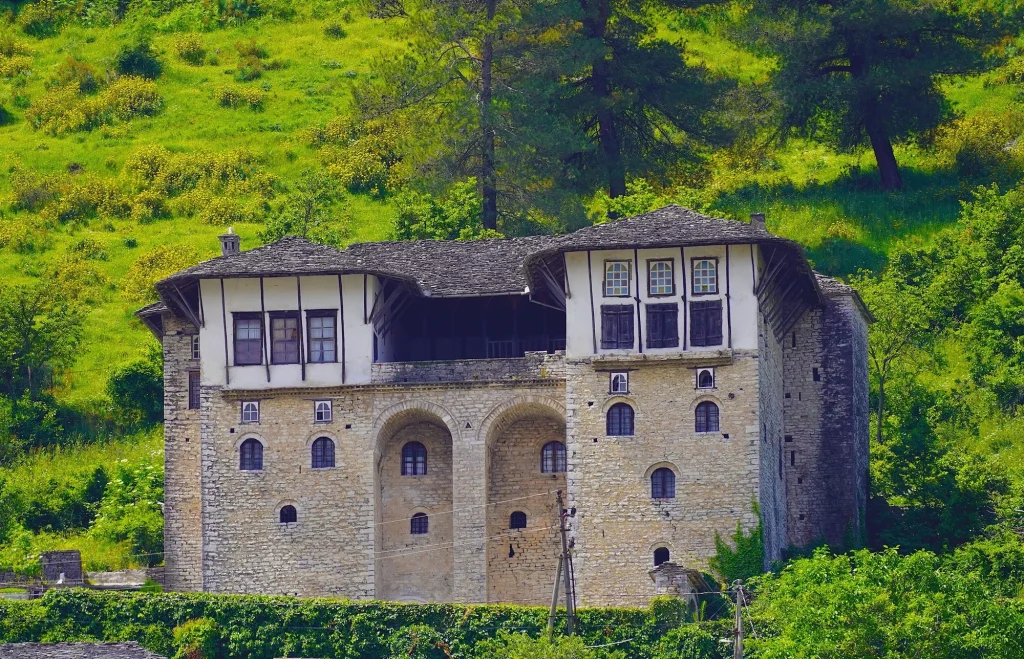
Inside, Zekate House is no less impressive. Lovely frescoes adorn its walls, narrating tales of the past. Intricate wood ceilings reflect the home’s historical significance.
Visitors exploring this house find themselves in awe. Every corner reveals the richness of Gjirokaster’s architectural legacy. It’s a must-visit for anyone interested in history and design.
Skenduli House: Living History
Skenduli House is another iconic landmark in Gjirokaster. It remains one of the best-preserved examples of local architecture. The house offers a deep dive into traditional life.
Built in 1823, it served as a home for many generations. The interior showcases period furniture and artifacts. These items speak volumes about the lifestyle of its occupants.
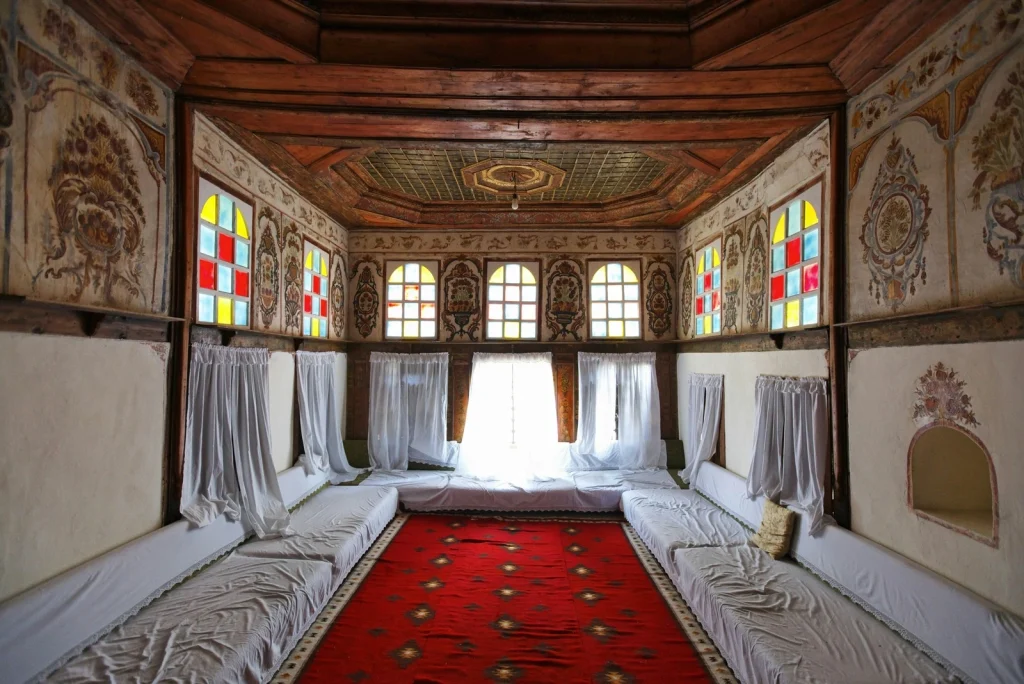
Tours inside Skenduli House reveal fascinating insights. Visitors can see original wall paintings and symbolic designs. These elements pay homage to the cultural heritage of the area.
What sets Skenduli House apart is its attention to detail. Each room is designed with a specific purpose. From receiving guests to family gatherings, it captures the essence of daily life in historic Gjirokaster.
Religious Heritage: Mosques and Churches
Gjirokaster’s religious heritage is a key aspect of its diverse culture. The city hosts several historical mosques and churches. Each tells a unique story of faith and architecture.
The religious sites of Gjirokaster are well-preserved. They reflect the city’s multicultural past and spiritual diversity. These structures are not only places of worship but also important cultural landmarks.

Mosques in Gjirokaster display fine Islamic architecture. Their intricate designs and elegant minarets are impressive. The city’s churches also showcase exceptional architectural beauty.
Significant religious sites in the city include:
- Bazaar Mosque, central to Gjirokaster’s spiritual life
- Mosque of the Bachelors, with its unique history
- St. Sotir Church, offering serene reflections

Visiting these sites provides insight into Gjirokaster’s religious evolution. They demonstrate the harmonious coexistence of different faiths. The blend of Islamic and Christian elements is truly captivating.
While exploring, pay attention to the architectural details. Every column and arch holds historical significance. These monuments are testimonies to the city’s rich past.
Bazaar Mosque and Mosque of the Bachelors
The Bazaar Mosque is a central feature of Gjirokaster city. It stands in the heart of the Old Bazaar, an area bustling with life. The mosque’s architecture is elegant, marked by its simple yet striking minaret.
Despite its modest size, the mosque holds great cultural value. Visitors are charmed by its serene atmosphere. It continues to be a vital part of community life in Gjirokaster.
The Mosque of the Bachelors offers a unique perspective. Built by unmarried men, it served a specific social function. Its quaint structure and history make it an intriguing stop.
Both mosques enrich Gjirokaster’s cultural landscape. They symbolize the city’s commitment to preserving its spiritual legacies. Exploring them offers a peaceful yet enlightening experience.
The Cold War Tunnel: Secrets Underground
Beneath the stone city of Gjirokaster lies an intriguing secret. The Cold War Tunnel, built during the communist era, hides below. It represents a time of tension and preparation for defense.
Constructed in the 1970s, the tunnel spans over a kilometer. Its design ensured protection against nuclear threats. Today, it offers a glimpse into the fears and strategies of the past.

Guided tours lead visitors through the labyrinthine passages. Dull concrete walls and dim lighting evoke a chilling atmosphere. Each corner reveals the austere reality of Cold War preparations.
The tunnel includes several key features:
- Blast doors for protection against explosions
- Air filtration systems to ensure breathable air
- Numerous rooms for various defensive operations
Visiting the tunnel is a fascinating journey into history. It highlights the geopolitical climate of the time. Exploring its depths reveals much about Albania’s strategic mindset.
The Cold War Tunnel is a remarkable yet eerie attraction in Gjirokaster. It offers both an educational and emotive experience. Visiting this underground world is a highlight for history enthusiasts.
The Gjirokaster Obelisk and City Views
The Gjirokaster Obelisk stands tall in the city center. It commemorates Gjirokaster’s status as a UNESCO site. Its location offers one of the best panoramic views.
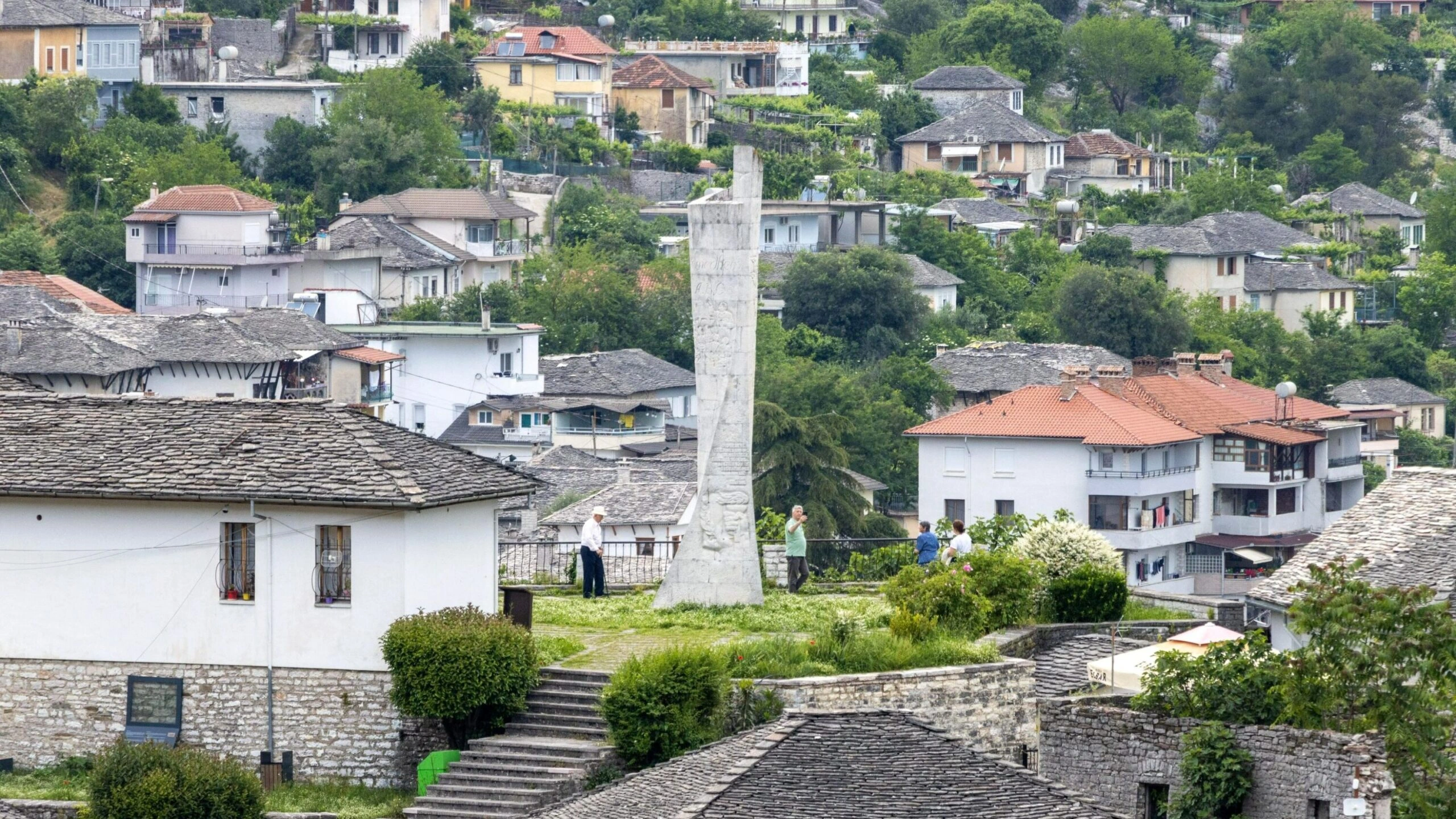
The climb to the Obelisk is rewarding. Visitors enjoy views of the city’s stone architecture. It’s a favorite spot for both locals and tourists.
The Obelisk itself is a symbol of pride. It celebrates the city’s cultural and historical significance. Gjirokaster’s architecture and layout spread impressively below.
Take a moment to soak in the surroundings. The blend of natural and urban beauty is captivating. The Gjirokaster Obelisk is more than a monument; it’s a viewpoint offering insight into the city’s charm.
Ali Pasha Bridge and Aqueduct: Engineering Marvels
The Ali Pasha Bridge is a historic stone structure. Located near Gjirokaster, it offers scenic views that captivate visitors. This bridge is a testament to traditional engineering skills.
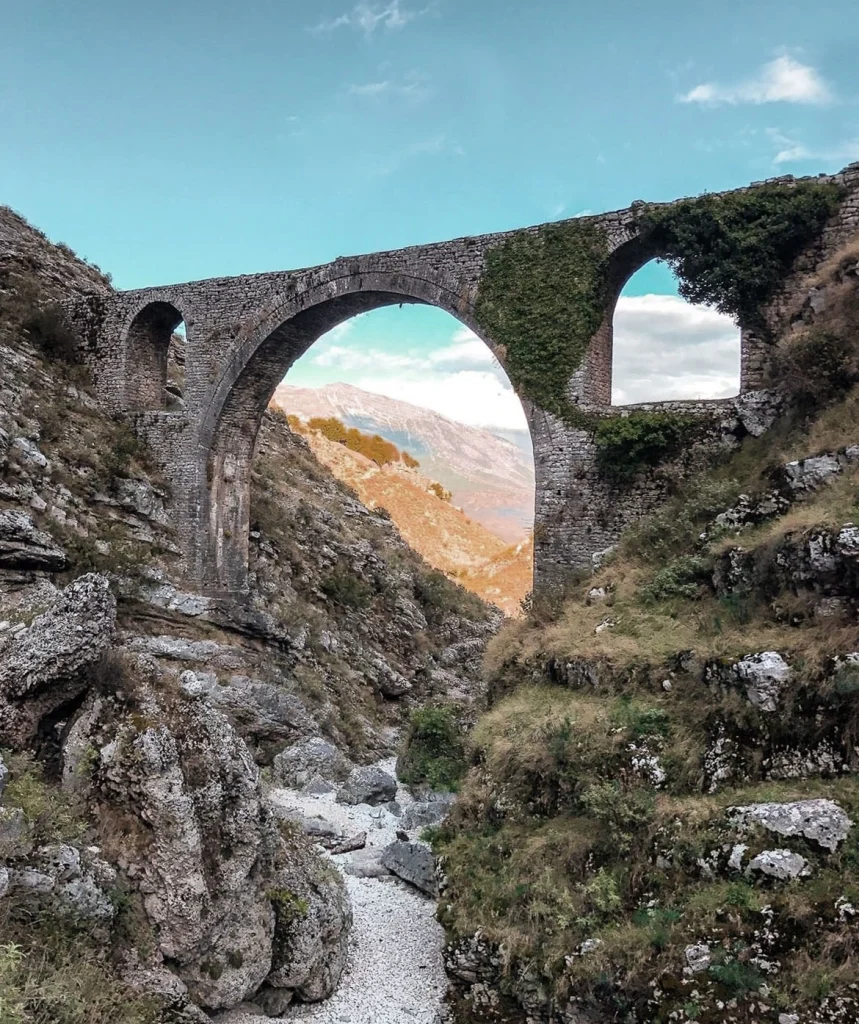
Built in the 19th century, the bridge spans the Drino Valley. Its construction was commissioned by Ali Pasha of Tepelena, an influential Ottoman Albanian ruler. The bridge’s purpose was to improve local connectivity.
The nearby aqueduct is equally impressive. It was an essential part of the water supply system in its time. Today, it stands as a relic of past architectural achievements.
Key features of these sites include:
- Intricate stonework
- Picturesque landscapes
- Historical significance
Visitors often explore these structures while enjoying the natural beauty around them. The combination of history and nature provides a unique experience.
These engineering marvels are a must-see. They offer insights into the historical infrastructure of the region. Visiting them is like stepping back in time.
Literary Legacy: Ismail Kadare and Gjirokaster’s Cultural Impact
Gjirokaster isn’t just stone and stories; it’s a birthplace of literary genius. Ismail Kadare, a beloved Albanian author, hails from this city. His works capture the essence of Albania and its rich history.
Kadare’s narratives often reflect the landscapes and traditions of Gjirokaster. Reading his books offers insight into the city’s soul. His storytelling highlights the complexities of Balkan history and identity.
Key aspects of Kadare’s influence include:
- Deep cultural reflections
- Exploration of historical themes
- Widespread literary acclaim
Gjirokaster honors its famous son through literary events and tours. These activities highlight the city’s intellectual and cultural contributions. Visitors can even explore places that inspired his writings.
Kadare’s legacy enhances Gjirokaster’s cultural prestige. His profound impact on literature continues to attract visitors. As a result, Gjirokaster is not only a historical gem but also a cultural beacon.
Festivals and Events: The National Folklore Festival
Every five years, Gjirokaster comes alive with the National Folklore Festival. This vibrant celebration of music and dance captivates both locals and tourists. It’s the perfect way to experience authentic Albanian culture.
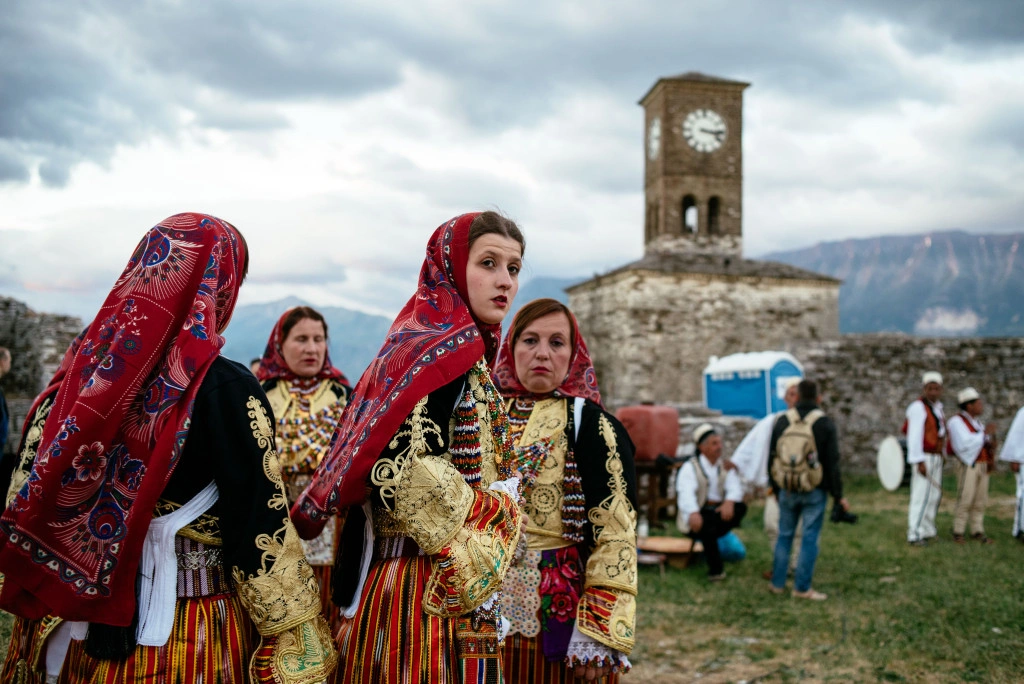
This festival showcases traditional costumes, lively dances, and captivating performances. It draws artists from across Albania and the Balkans. The event transforms the city into a cultural stage, full of color and energy.
Visitors can expect:
- Enchanting folk dances
- Traditional Albanian music
- Artistic displays and exhibitions
Attending this festival offers a unique glimpse into Albania’s soul. It fosters a sense of community and shared heritage. For cultural explorers, it’s a must-see event in Gjirokaster.
Culinary Delights: What to Eat in Gjirokaster
Gjirokaster offers a feast for the senses, with dishes rooted in tradition. The culinary scene here is rich and diverse, reflecting the city’s Ottoman influences. It’s a haven for food lovers eager to explore Albanian cuisine.
Start your culinary journey with qifqi, a local specialty. These rice balls, flavored with herbs and spices, are a must-try. They’re unique to the region, making them a special treat.
Another staple is pasha qofte, a meaty dish brimming with flavor. It combines minced meat with creamy sauce, delighting meat lovers. It’s comfort food at its finest, perfect for a hearty meal.

Dessert enthusiasts will appreciate the baklava. This sweet pastry, layered with nuts and syrup, is irresistible. It’s a dessert deeply embedded in Gjirokaster’s cultural fabric.
While exploring local eateries, try these favorites:
- Qifqi
- Pasha qofte
- Baklava
- Byrek
Gjirokaster’s cafes provide the ideal setting to unwind. Enjoy a strong cup of Turkish coffee or raki, Albania’s national drink. The local atmosphere offers a perfect backdrop to savor your drinks.
Sampling Gjirokaster’s cuisine is more than a meal. It’s a cultural experience that captures the essence of this historic city. Each bite tells a story of tradition and taste, inviting visitors to relish every moment.
Nature and Outdoor Activities Around Gjirokaster
Gjirokaster isn’t just about history and architecture. It’s also a gateway to stunning natural scenery. Outdoor enthusiasts will find much to explore here.
Surrounded by lush landscapes, Gjirokaster is perfect for hiking. Trails cater to all levels, offering breathtaking views. The area invites adventurers to reconnect with nature.
The Drino Valley is a natural gem. It boasts rich biodiversity and vivid landscapes. Walks through this valley offer glimpses of Albania’s raw beauty.

For more intrepid travelers, these spots are a must:
- Drino Valley hikes
- Gjirokaster’s mountain trails
- Nearby natural reserves
Kayaking on the Drino River is a thrilling option. It’s a unique way to see the area from a different angle. Paddle through serene waters surrounded by towering peaks.
Photography lovers will enjoy the splendid vistas. The natural light and diverse scenery make for ideal photo ops. Capture memories that are both majestic and serene.
Whether you’re hiking, kayaking, or photographing, nature around Gjirokaster is unforgettable. It provides a well-rounded experience beyond city limits, blending adventure with tranquility.
Hiking Trails and the Drino Valley
The trails around Gjirokaster offer diverse terrains. Whether you prefer steep climbs or gentle paths, there’s something for everyone. The trails meander through serene forests and rugged cliffs.
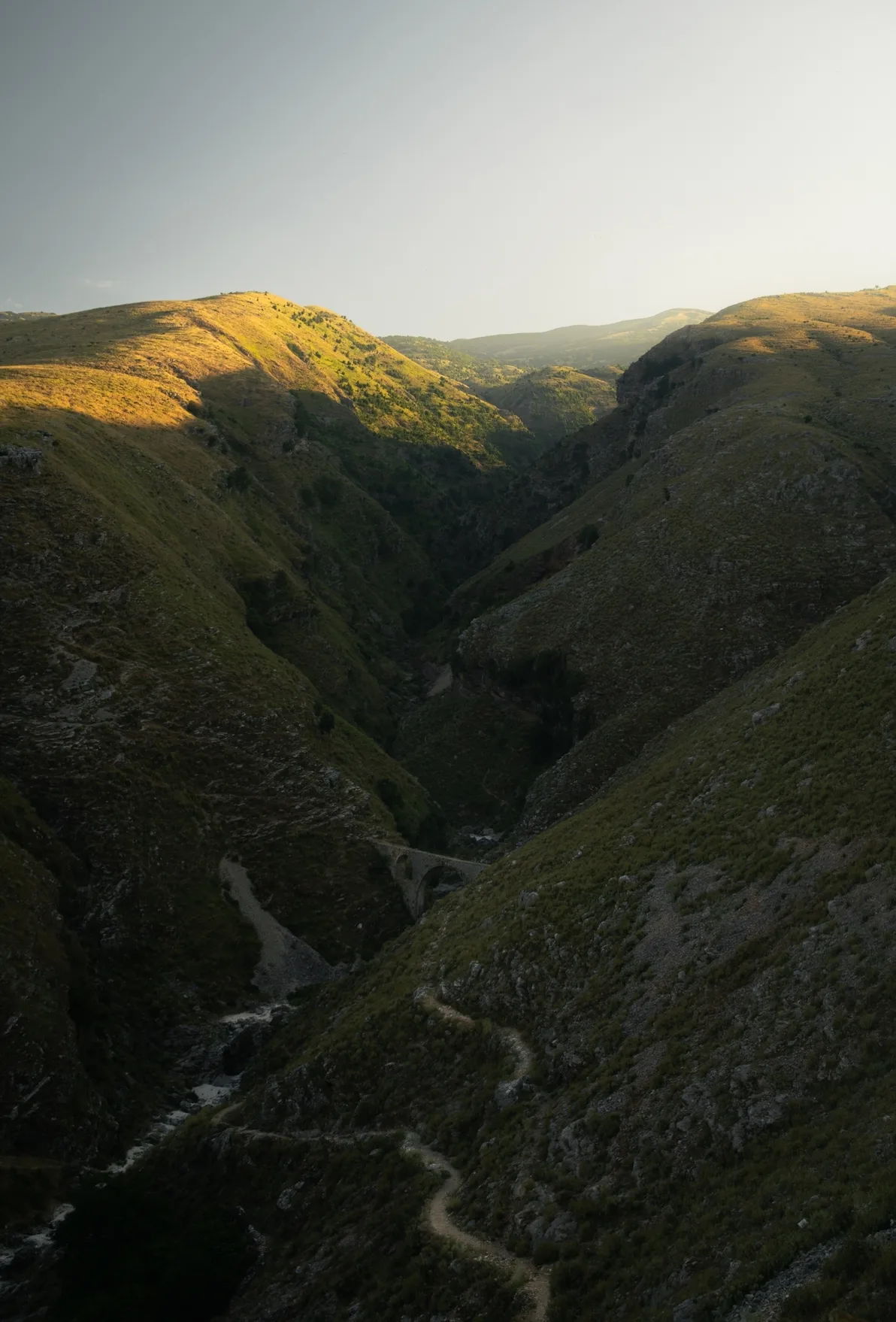
Hiking in the Drino Valley is particularly rewarding. The valley’s flora and fauna enhance each trek. As you hike, watch for unique plant species and birdlife.
The valley provides a peaceful escape from city life. Here, the only sounds are those of nature. It’s an opportunity to appreciate unspoiled landscapes.
Explorers can follow trails leading to hidden viewpoints. These spots offer panoramic views of the countryside. Every turn in the trail promises new, awe-inspiring sights.
The Blue Eye (Syri i Kaltër)
The Blue Eye, known as Syri i Kaltër, is a natural phenomenon. It’s a spring where water emerges from deep underground. The vibrant blue and turquoise hues are mesmerizing.
Surrounded by dense forest, the Blue Eye is enchanting. Visitors can walk along shaded paths. The atmosphere is serene and mystical, making it a perfect day trip.
Swimming is not allowed, but the allure is undeniable. It’s a place to relax, reflect, and appreciate nature’s wonders. The Blue Eye is a highlight of any nature tour in the region.
Practical Information for Visitors
Planning a visit to Gjirokaster involves some practical considerations. Accessible travel options make reaching the city straightforward. Here’s what you need to know before you go.
Gjirokaster boasts a Mediterranean climate, perfect for year-round visits. However, consider local events and festivals for an enriched experience. Spring and autumn offer pleasant weather for exploring.
Accommodations range from quaint guesthouses to modern hotels. Visitors can enjoy the hospitality of traditional homes. Staying within the city offers convenience and charm.

For dining, traditional Albanian cuisine is a highlight. Sample local dishes at authentic eateries. Experience the warmth of local culture through its flavors.
- Comfort and variety in lodging
- Diverse and delicious local cuisine
- Engaging events and festivals
Gjirokaster’s streets are mostly cobblestone. Comfortable walking shoes are a must. The terrain can be steep in places, so be prepared for some exercise.
Local transportation options include buses and taxis. Renting a car is an option for more flexibility. It’s ideal for exploring nearby attractions beyond the city.
Familiarize yourself with local customs and courtesies. This enhances interactions and enriches your cultural experience. Always carry some cash, as cards may not be accepted everywhere.
Getting to Gjirokaster
Reaching Gjirokaster is relatively easy. Most travelers arrive via Tirana or Saranda. Both cities offer bus services that connect to Gjirokaster.

Tirana International Airport serves as the main gateway. From there, it’s about a 3-hour bus ride. Regular services make this a convenient option for visitors.
If starting from Saranda, the journey is shorter. The bus ride takes approximately 1.5 hours. It’s a scenic route through rural Albania, offering beautiful views.
Driving is another practical choice. Car rental albania allow for flexible travel plans. This option provides easy access to more remote attractions around Gjirokaster.
Where to Stay in Gjirokaster
Gjirokaster offers a range of accommodations. Options suit all budgets and preferences. From budget hostels to luxury hotels, there’s something for everyone.
Many visitors choose to stay in traditional guesthouses. These provide a unique cultural experience. It’s a chance to enjoy authentic Albanian hospitality.
For an upscale stay, consider these options:
- Stone City Hotel
- Hotel Kalemi
- Gjirokastra Villa

Booking in advance is advisable during peak seasons. Local events can increase demand for lodging. Check reviews for recent experiences to ensure quality.
Consider staying close to the Old Bazaar or city center. These locations offer easy access to attractions. They provide a great starting point for daily explorations.
Where to Eat and Drink
Gjirokaster’s culinary scene is vibrant and diverse. Local eateries serve traditional Albanian dishes. They offer a taste of the region’s rich flavors.

Dine at family-run restaurants for authentic experiences. The warmth of home cooking is unmatched. Popular dishes include qifqi and pasha qofte.
Consider these top dining spots:
- Kujtimi Restaurant
- Taverna Gjirokastra
- Café Bar Çajupi

Many cafes in the Old Bazaar area are charming. They’re perfect for relaxing with a coffee. Enjoy local pastries while watching the world go by.
For those interested in nightlife, options are limited. However, a few cozy bars offer local wines and raki. It’s a great way to unwind after a day of exploration.
Tips for Exploring Gjirokaster City
Gjirokaster’s charm lies in its historic streets and vibrant culture. To make the most of your visit, it’s essential to plan wisely.
Start by wearing comfortable shoes for exploring cobblestone paths. Many attractions are walking distance apart, but some streets are steep. A comfortable pace ensures you won’t miss any details.
Interacting with locals adds depth to your experience. Many speak basic English, but a few Albanian phrases go a long way. This shows respect and often rewards you with insider tips.
Keep a flexible itinerary to enjoy spontaneous discoveries. Allow time for relaxing in local cafes or visiting small artisan shops. Here’s a quick list of tips:
- Use local maps and guides
- Take breaks at viewpoints
- Enjoy the local cuisine
Remember to respect cultural norms and areas of significance. This respect enriches your experience and preserves Gjirokaster’s heritage.
Best Time to Visit Gjirokaster
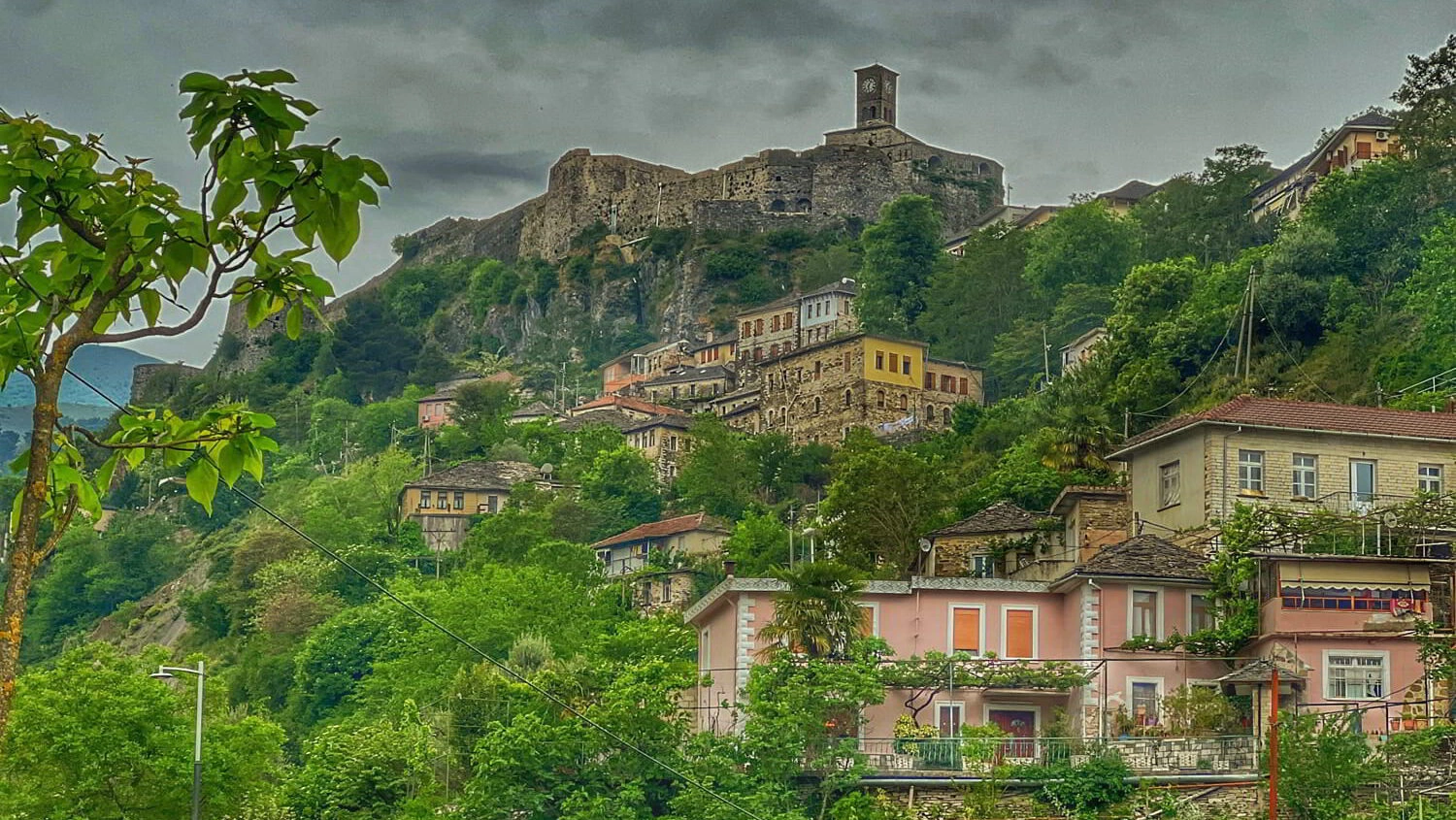
Gjirokaster boasts a Mediterranean climate. This makes it a versatile destination year-round. However, each season offers a unique experience.
Spring (April to June) is exceptional for its blooming landscapes and pleasant temperatures. Crowds are thin, so it’s perfect for exploring the city. Walking tours are particularly enjoyable during this time.
Summer (July to August) sees a spike in tourists. Gjirokaster’s vibrant festivals and events come alive. It’s the best time to experience local culture.
Autumn (September to October) is ideal for those who enjoy mild weather. The foliage provides a stunning backdrop for photography.
Here’s when to visit, depending on your interests:
- Spring: Peaceful tours and floral beauty
- Summer: Festivals and cultural activities
- Autumn: Mild weather and scenic views
Winter (November to March) is quieter, with fewer tourists. Still, indoor attractions remain accessible. Each season in Gjirokaster offers distinct advantages for different types of travelers.
Day Trips and Nearby Attractions
Gjirokaster’s surroundings are rich in natural and historical sites. It’s a great base for day trips. The opportunities abound for those eager to explore.
A notable destination is the Blue Eye, located about 45 minutes away. This natural spring is famous for its mesmerizing turquoise waters.
The charming town of Përmet is another excellent option. Known for its thermal baths, it offers relaxation in a picturesque setting. Nature lovers will appreciate the scenic landscapes it presents.
The coastal city of Saranda, a two-hour drive, provides a change of pace. It’s perfect for enjoying beaches and the Ionian Sea breeze.
Discover nearby attractions for a diverse experience:
- Blue Eye: Stunning natural spring
- Përmet: Soothing thermal baths
- Saranda: Serene coastal escape
Each of these destinations offers a unique slice of Albania. They are compelling additions to your visit to Gjirokaster.
Sustainable Tourism in Gjirokaster
Gjirokaster embraces sustainable tourism practices. The city aims to preserve its rich heritage for future generations. Visitors can support local efforts through mindful choices.
One way is by choosing accommodations that prioritize sustainability. Many hotels focus on reducing waste and conserving energy. This supports the environment and ensures a cleaner future.
Shopping at the Old Bazaar provides another opportunity. By purchasing locally made goods, you contribute to the local economy. Many products are crafted using traditional methods.
To reduce your environmental footprint:
- Stay in eco-friendly hotels
- Buy local artisan products
- Use public transport or walk
Experiencing Gjirokaster sustainably enhances both your visit and the local community. By making conscious decisions, you help in preserving its unique cultural and natural landscapes.
Final Thoughts: Why Gjirokaster Should Be on Your Travel List
Gjirokaster offers a mix of history, culture, and natural beauty. Its vibrant streets and towering architecture tell stories from centuries past. It’s a place where time seems to stand still.
Visitors can explore rich traditions and diverse attractions. From ancient castles to lively festivals, Gjirokaster leaves a lasting impression. Each corner of the city reveals a new discovery.
The welcoming atmosphere and friendly locals enrich your experience. Whether a history buff or a casual traveler, Gjirokaster caters to all. It promises an unforgettable journey that blends learning and leisure.
For those seeking unique adventures, Gjirokaster is a destination not to be missed. It charms with its past while embracing the present. Your memories here will linger long after you leave.