Albania vs Croatia comes down to the kind of holiday you want. Croatia offers polished infrastructure, island-hopping and famous walled towns like Dubrovnik and Split, but it is busier and generally more expensive. Albania is less developed and a little rougher around the edges, yet better value, often less crowded and full of wild mountains, ancient sites and unspoilt coastline – and many travellers combine the two via a scenic drive through Montenegro.
Both countries have beautiful coastlines, rich history and excellent food, so there is no wrong answer. Below we compare them honestly, category by category, to help you decide, or to plan a trip that includes both.
At a glance
- Choose Croatia for island-hopping and sailing, well-known old towns, smooth logistics and a wide choice of hotels.
- Choose Albania for value, adventure, fewer crowds outside the peak hotspots, warm hospitality and a mix of mountains and sea in a small area.
- Choose both if you have ten days or more: the route through Montenegro makes a classic Balkan road trip.
Beaches and coastline
Croatia’s long, indented Adriatic coast and more than a thousand islands and islets make it one of the Mediterranean’s great sailing and island-hopping destinations. Its water is famously clear, but most beaches are pebble or rock, often with concrete bathing platforms, and true sandy beaches are relatively rare.
Albania has two seas. In the north, the Adriatic coast around Durrës has long sandy beaches with shallow water, popular with families but often busy and less clear. In the south, the Ionian Riviera offers turquoise water, white pebble coves such as Dhërmi, Jale and Gjipe, and the islets off Ksamil. Our guide to the most beautiful beaches in Albania has the details.
Crowds and costs
Crowds and atmosphere
Croatia has been a major Mediterranean destination for decades, and in July and August hotspots like Dubrovnik, Split and Hvar can feel overwhelmed, especially when cruise ships are in port. Albania’s tourism is growing fast, and places like Ksamil and parts of the Riviera are very busy in August. Inland towns, the mountains and the coast outside peak season remain noticeably calmer.
The atmosphere differs too. Croatia feels thoroughly western European and well geared to visitors. Albania feels more raw and personal: you are more likely to be invited for coffee or raki, and traditional ways of life are still very visible in the villages.
Costs
Exact prices change, but the overall picture is clear. Croatia, which adopted the euro in 2023, is now priced much like other popular Mediterranean destinations, particularly on the coast in summer. Albania remains generally cheaper for food, accommodation, transport and guided activities, although prices in the busiest beach resorts have risen in recent years.
In Albania you will also use cash more often, especially in villages and small family-run places. See our guide to affordable travel in Albania for budgeting tips.
Food and drink
Both are excellent. Croatian cooking leans towards the Mediterranean, with Dalmatian grilled fish and seafood, slow-cooked peka, Istrian truffles and olive oil, and good wines from the coast and islands.
Albanian food is hearty, seasonal and often straight from the farm. Look out for tavë kosi (baked lamb with yoghurt), byrek pastries, fërgesë, grilled meats, fresh salads, mountain honey, seafood on the coast and, of course, raki. Portions are generous, and eating out is a big part of daily life.
History and culture
Croatia’s headline sights are world-famous: Dubrovnik’s walls, Diocletian’s Palace in Split and the Venetian towns of Istria and Dalmatia. Its UNESCO list is long, and its museums and heritage sites are well organised.
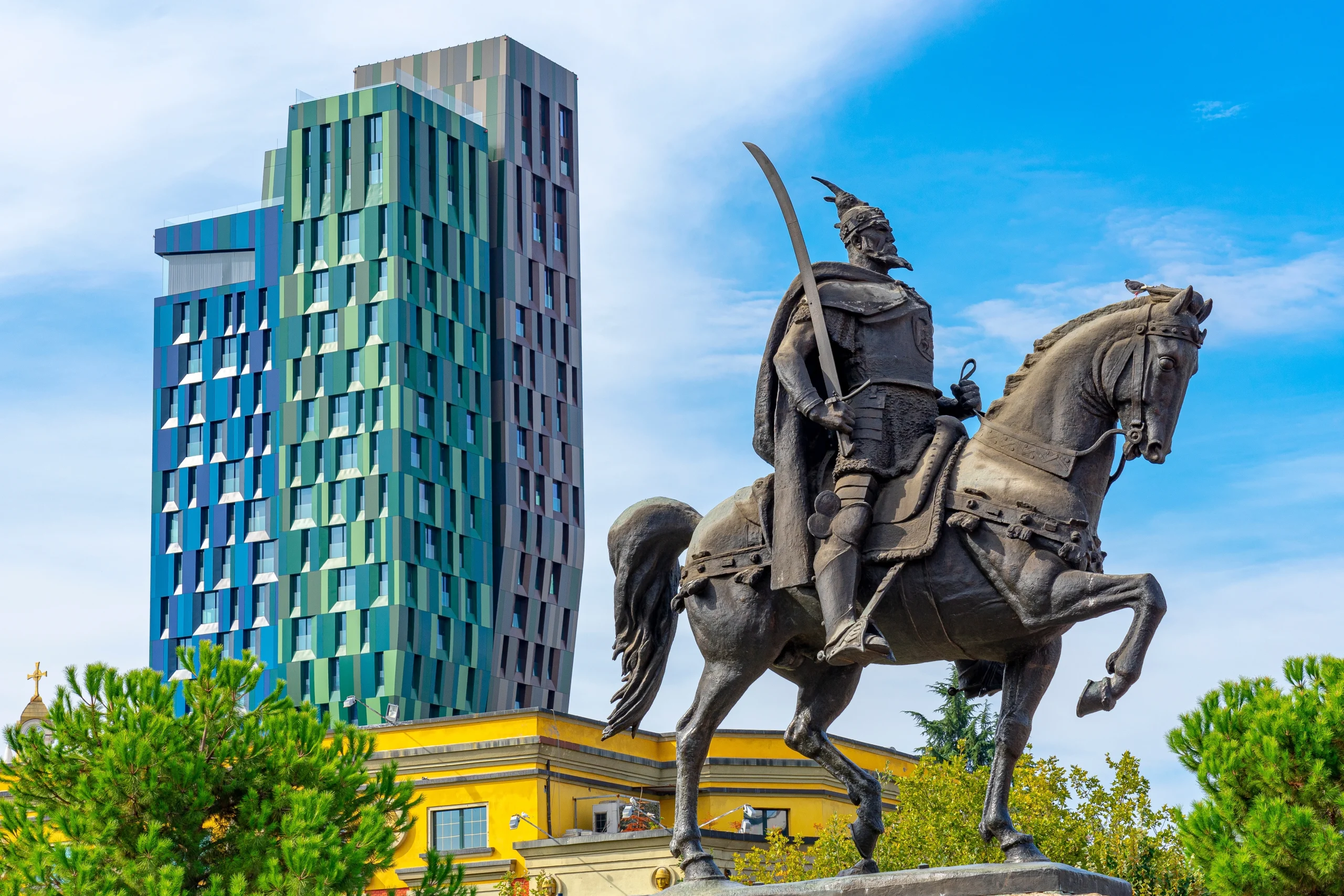
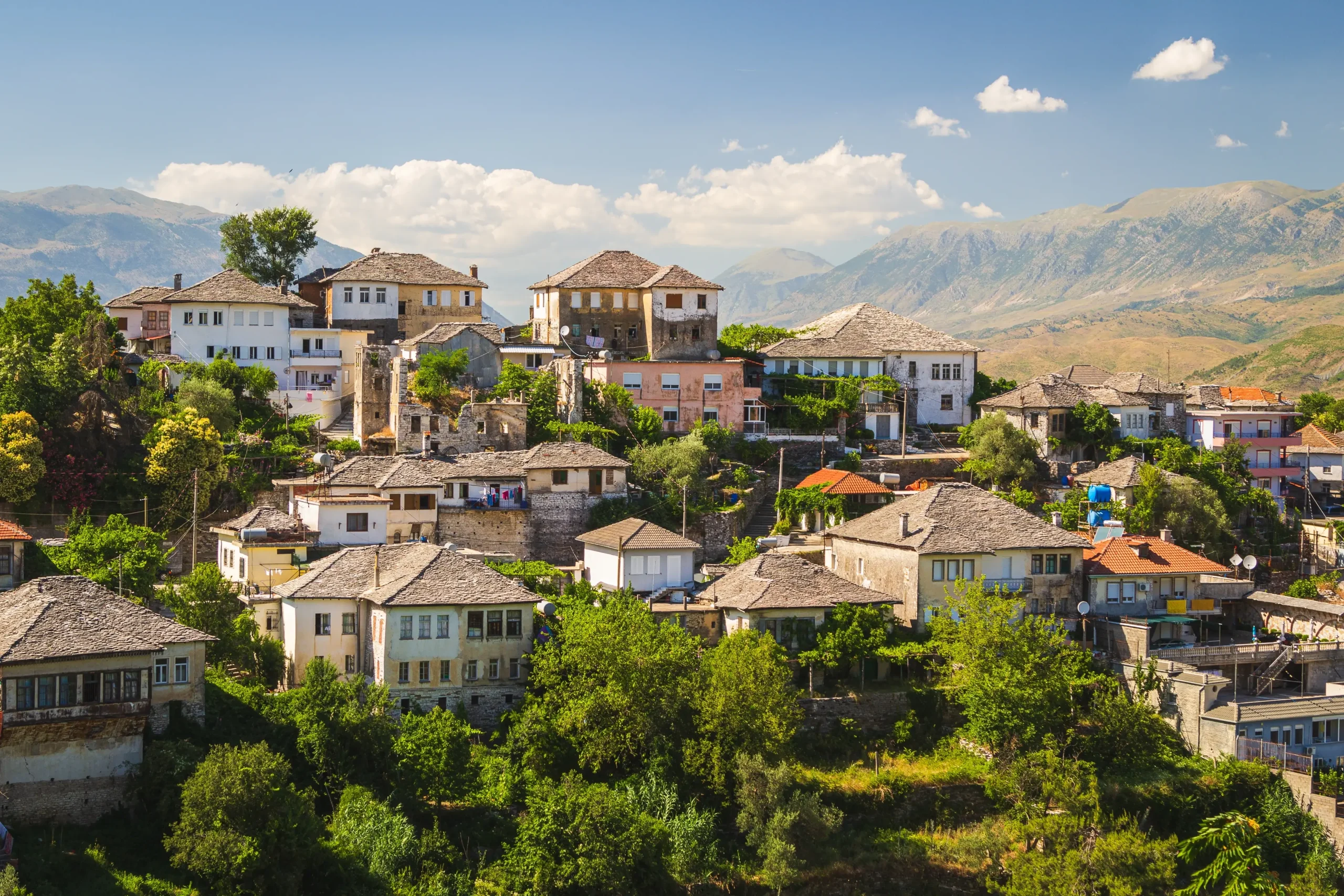
Albania’s history is less known but just as layered. You can explore the Greek and Roman city of Butrint, the Ottoman towns of Berat and Gjirokastër, Skanderbeg’s castle at Krujë, and the bunkers and museums of the communist era. Because the country was closed off from the world for decades, much of this still feels refreshingly undiscovered.
Nature and adventure
Croatia’s natural highlights include the cascading lakes of Plitvice, the waterfalls of Krka and the Velebit mountains, all well set up for visitors with boardwalks, trails and visitor centres.
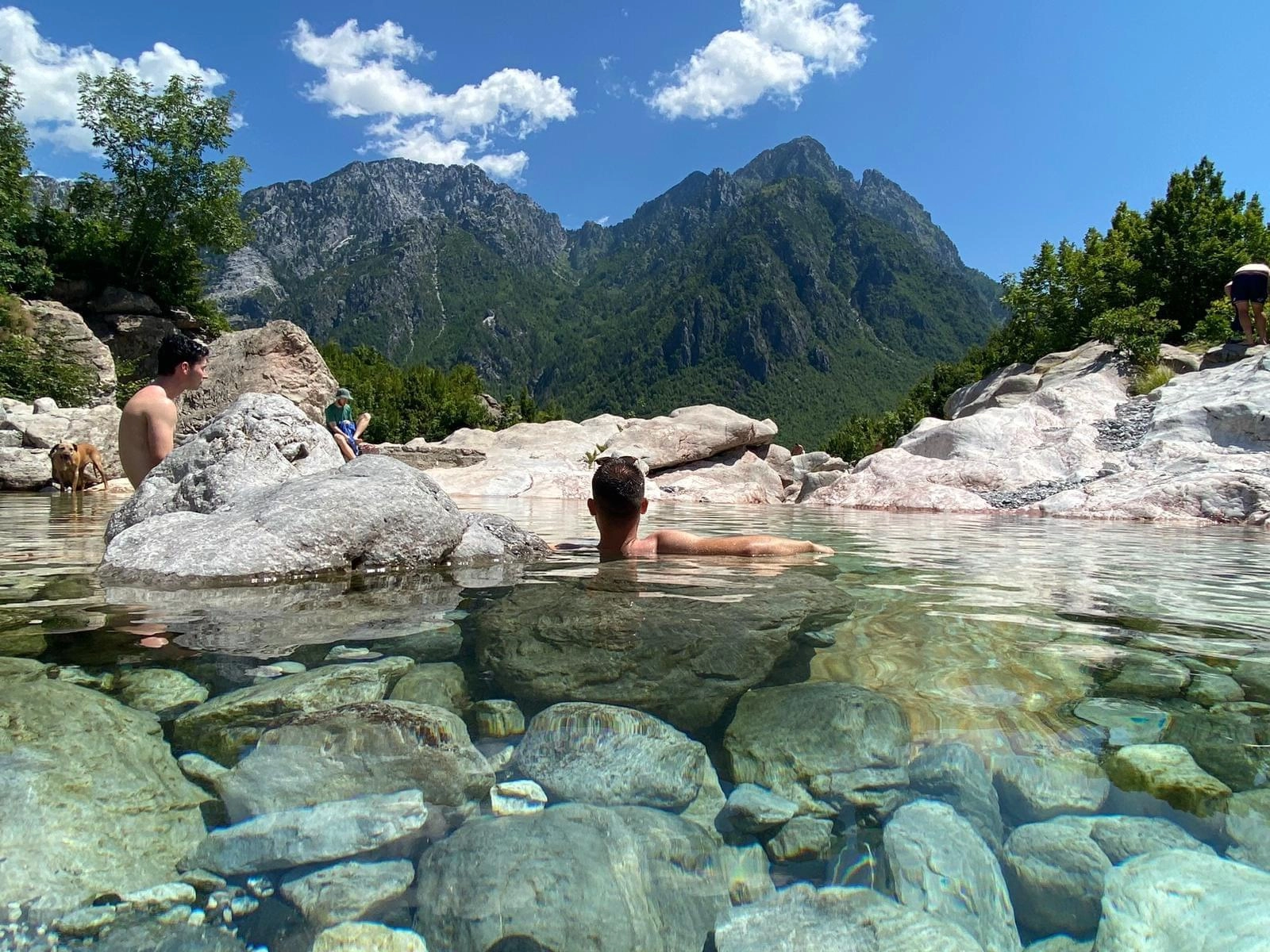
Albania’s nature is wilder and less managed. The Albanian Alps offer some of the most spectacular hiking in the Balkans, including the classic Valbona–Theth trek. The Vjosa became Europe’s first wild river national park in 2023, and you can go rafting, paragliding, take the ferry across Lake Komani or visit springs like the Blue Eye, often without the crowds.
Infrastructure and getting around
Croatia is easier to travel independently, with a modern motorway network, frequent intercity buses, a large ferry network to the islands and plenty of airports. It is in the EU and the Schengen area, which simplifies travel if you are coming from elsewhere in Europe.
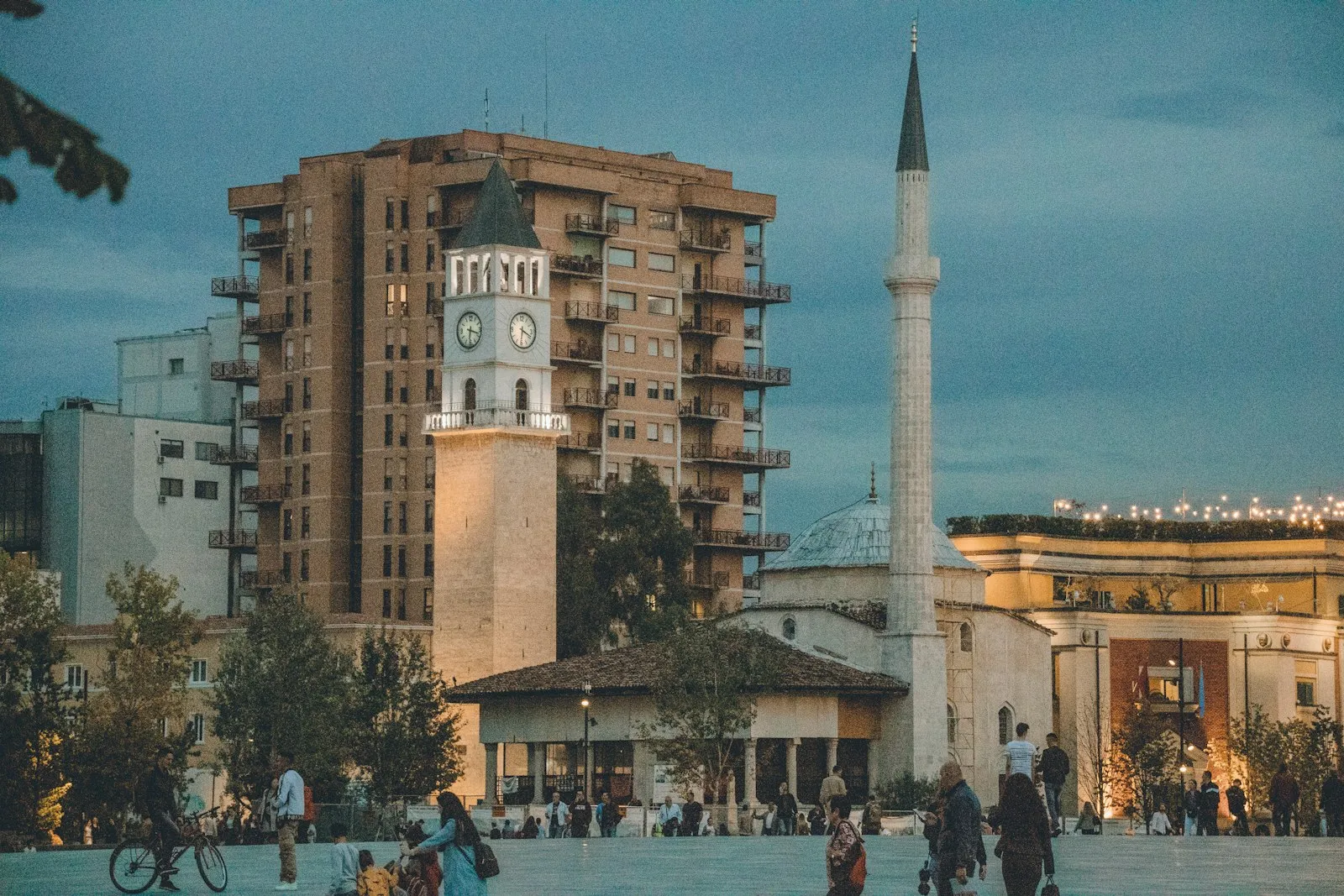
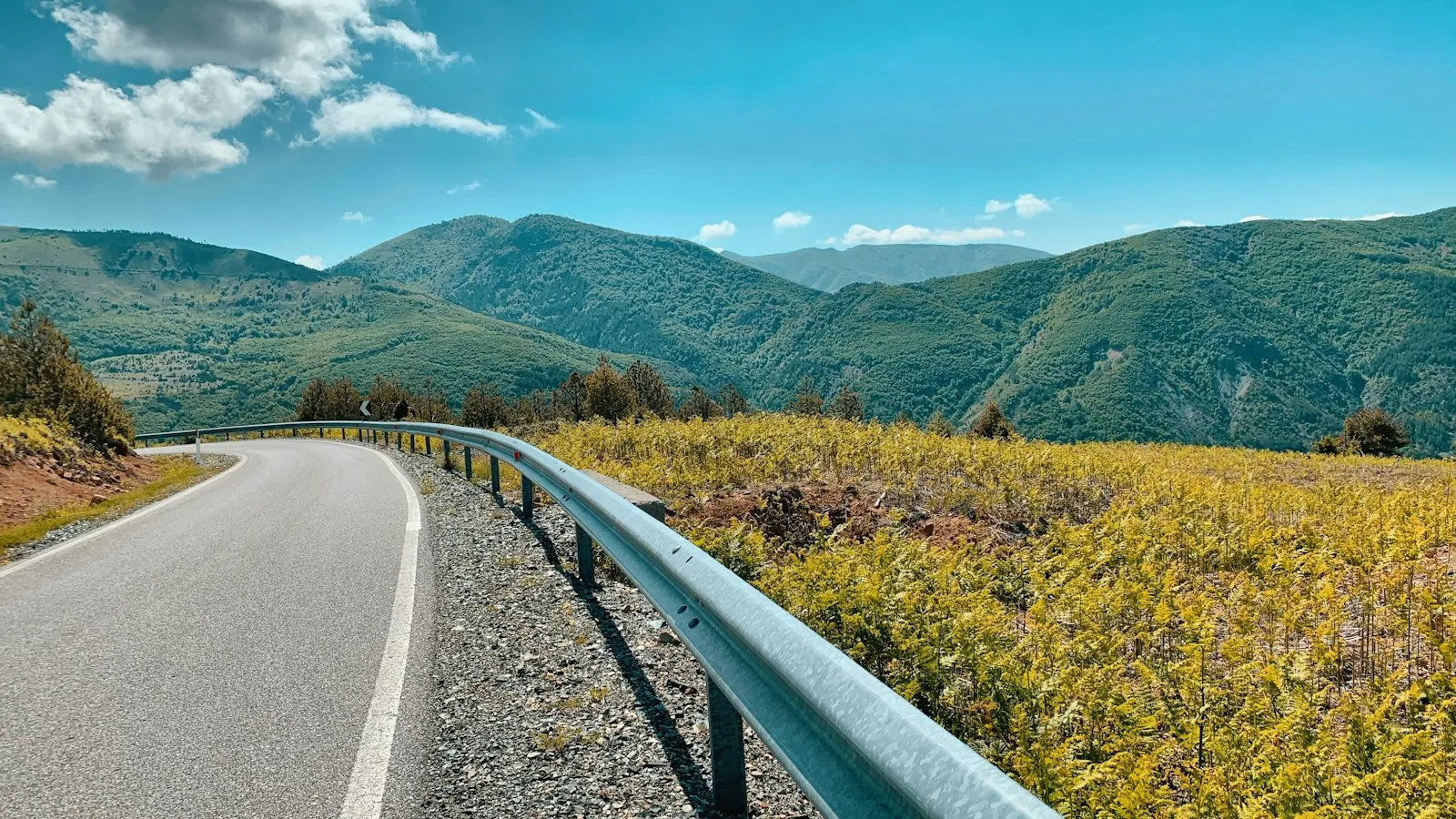
Albania has improved its main roads significantly, but mountain routes can be slow and winding, public transport relies on buses and minibuses with informal timetables, and the rail network is very limited. Many visitors find that a guided tour or a private driver makes life much easier, especially for remote areas such as Theth.
So which should you choose?
Pick Croatia if you want a smooth, well-organised beach holiday, island-hopping or sailing, and you do not mind paying more or sharing the views. Pick Albania if you want better value, more adventure and a sense of discovery, and you are happy to trade a little polish for authenticity. First-time visitors who want a bit of both often start in one country and cross into the other.
Why not visit both?
Dubrovnik and northern Albania are linked by a spectacular coastal route through Montenegro, passing the Bay of Kotor and Budva. A typical combination flies into Dubrovnik and out of Tirana, or vice versa, with a few days in Montenegro in between. Our Full Balkan Experience tour starts in Tirana and continues via Montenegro to Dubrovnik, Mostar and Sarajevo.
Frequently asked questions
Is Albania cheaper than Croatia?
Generally, yes. Food, accommodation, transport and activities usually cost noticeably less in Albania, particularly away from the busiest beach resorts. Croatia, which uses the euro, is priced more like other popular Mediterranean destinations, especially in July and August. Prices in both countries change from year to year, so check current rates when you plan, but Albania still offers better overall value.
Are Albania’s beaches as good as Croatia’s?
They are different rather than better or worse. Croatia has more islands and a longer coastline, with crystal-clear water and mostly pebble or rocky beaches. Albania’s Ionian Riviera rivals it for clear water, with white pebble coves and dramatic mountain backdrops, while the Adriatic coast near Durrës offers long sandy beaches. Both countries can be very crowded in August.
Can I visit Albania and Croatia on the same trip?
Yes, and it is a popular combination. The drive from Dubrovnik to northern Albania runs through Montenegro and past the Bay of Kotor, so you can easily add a third country. Ten days is a comfortable minimum to see some of each. Remember that Croatia is in the Schengen area while Albania and Montenegro are not, so you will pass full border checks.
Which country is better for hiking and adventure?
Albania has the edge for wild, uncrowded adventure: the Albanian Alps around Theth and Valbona, river rafting, canyons, mountain passes and paragliding. Croatia offers excellent, well-marked hiking in places like Velebit and Paklenica, plus superb sea kayaking and sailing. If you want fewer people on the trail and a stronger sense of remoteness, Albania usually wins.
When is the best time to visit Albania or Croatia?
For both, late May, June and September are ideal, with pleasant temperatures, long days and fewer crowds than in July and August. Spring is lovely for hiking and sightseeing, while October can still be pleasant on the coast. Peak summer brings the best beach weather but also the highest prices and busiest towns, especially in Dubrovnik and Ksamil.
Curious to see Albania for yourself? Explore our Full Albanian Experience 10-day tour, or browse our cross-country tours that combine Albania with Croatia and its other neighbours.