Albanian etiquette comes down to warm hospitality and mutual respect: greet people properly, accept the coffee or raki you are offered, take your shoes off in homes, dress modestly at religious sites and round up the bill when service is good. The custom that confuses visitors most is body language, because many Albanians traditionally shake their head for “yes” and nod for “no”.
None of this is complicated, and Albanians are forgiving of visitors who get it wrong. Still, knowing a few local habits helps you read situations, avoid awkward moments and enjoy the hospitality that is the country’s calling card. Here are 12 things worth knowing before you go.
Greetings and body language
1. Yes can look like no
Traditionally, a side-to-side wobble of the head means yes, while a nod or a quick upward tilt of the head means no. Younger Albanians and people used to dealing with visitors often follow international habits, which only adds to the confusion. When it matters, ask with words: po is yes and jo is no.
2. Greet people properly
A handshake and a friendly mirëdita (good day) work almost everywhere, while friends and relatives greet each other with kisses on both cheeks. You may also hear tungjatjeta, a traditional hello that wishes you a long life. A few words of Albanian, even just faleminderit (thank you), are always appreciated, and our guide to saying hello in Albanian has more.
Honour and hospitality
3. Besa: a promise is sacred
Besa is the Albanian code of honour, usually translated as a pledge or word of honour, and it still carries real weight. It is often cited as one reason Albanian families sheltered Jewish refugees during the Second World War, when Albania became the only country in Nazi-occupied Europe whose Jewish population was larger at the end of the war than at the start. Day to day, it simply means that a given word is kept.
4. The guest is sacred
The Kanun, the old customary law of the northern highlands, puts it plainly: the house of the Albanian belongs to God and the guest. That spirit survives, and visitors are regularly invited for coffee, a meal or even a night’s stay. Accept if you can; if you must decline, do it warmly rather than abruptly. Read more about Albanian hospitality and the experiences it opens up.
5. Visiting a home
Take your shoes off at the door (you will often be offered slippers), bring a small gift such as sweets, flowers or something from home, and expect to be fed generously. Hosts may keep refilling your plate and glass, so pace yourself and praise the cooking.
Coffee, raki and the bill
6. An invitation for coffee is an invitation to talk
Coffee is the glue of Albanian social life, and cafés are busy from early morning until late. Being asked for a coffee really means being asked to sit and talk, often for an hour or more, so do not expect a quick espresso and goodbye. Whoever suggests it usually expects to pay, and a friendly tussle over the bill is part of the ritual.
7. Raki and toasts
Homemade raki, a strong spirit most often distilled from grapes, is offered as a welcome in homes and at the start of meals. Raise your glass, make eye contact and say gëzuar (cheers). If you do not drink alcohol, a polite no is perfectly acceptable, and coffee or juice will appear instead.
8. Tipping
Tipping is appreciated rather than obligatory. In cafés people often round up or leave the small change; in restaurants, around 10 per cent is a generous tip for good service on a larger bill. Guides and drivers also appreciate a tip if you have enjoyed the day, but it is always your choice.
Faith and religious sites
9. Religious coexistence is a point of pride
Around half of Albanians are Muslim, including followers of the Bektashi order, alongside Catholic and Orthodox communities, and many people are not strictly observant. Religious practice was banned from 1967 until 1990; today mixed marriages are common, and Christmas, both Easters and both Eids are public holidays. Avoid assuming someone’s faith from their name or region.
10. Dress modestly at mosques and churches
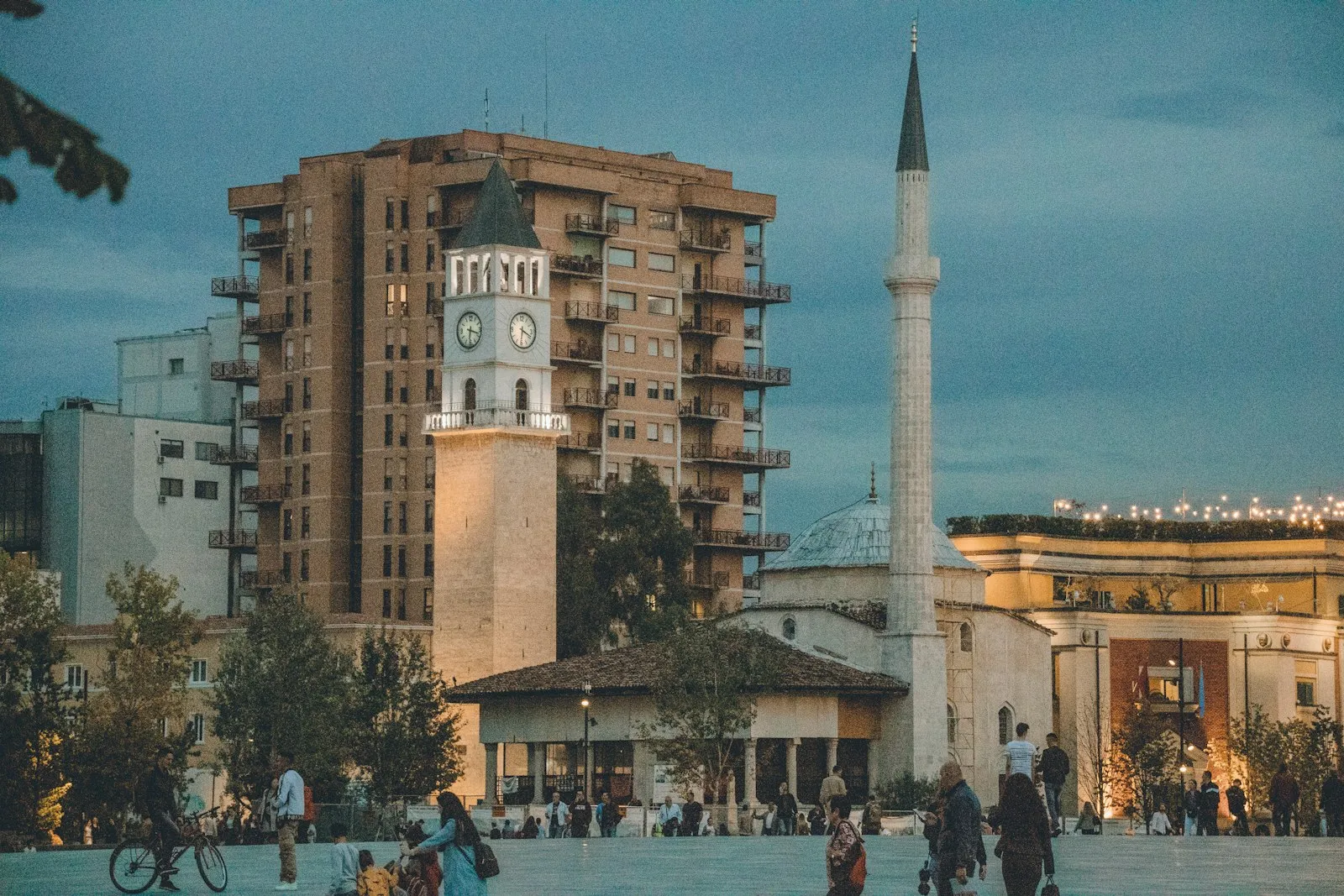
At religious sites, cover your shoulders and knees. In mosques, remove your shoes, and women may be asked to cover their hair, so a light scarf is handy. Visit outside prayer times where possible and ask before photographing people at worship. Tirana’s Et’hem Bey Mosque, with its painted interior, is a beautiful place to start.
Everyday life
11. Join the evening xhiro
In the early evening, towns turn out for the xhiro, a slow stroll along the main boulevard or seafront to meet friends and see who is about. Joining in is one of the nicest ways to feel part of local life, whether in Tirana, along Shkodër’s pedestrian Gjuhadol street or on a seaside promenade. People dress neatly for it, so leave the beachwear at the hotel.
12. Respect elders, ask before photos and tread lightly on history
Elders are treated with real deference: greet them first, offer your seat and let them lead the conversation. Ask before photographing people, especially in villages. Albanians are often happy to talk about history and politics, from the communist years to Kosovo, but listen before offering opinions and avoid lazy stereotypes. One easy mistake to avoid: Albania was never part of Yugoslavia.
Frequently asked questions
Do Albanians really nod for no?
Traditionally, yes. Many Albanians, especially older people and those in rural areas, shake or wobble their head from side to side to mean yes, and nod or tilt the head upwards to mean no. Younger people in cities, and anyone used to visitors, often use the international gestures instead. If you are unsure, simply ask “po?” (yes?) or “jo?” (no?) to confirm.
Should I tip in Albania?
Tipping is not compulsory, but it is appreciated. In cafés and bars, rounding up or leaving small change is normal. In restaurants, around 10 per cent is generous for good service, particularly on larger bills. Many travellers also tip guides and drivers at the end of a tour they have enjoyed. Tips are easiest to give in cash, in lek.
What should I wear to visit a mosque or church in Albania?
Wear clothes that cover your shoulders and knees, and avoid beachwear or very revealing outfits. In mosques, everyone removes their shoes, and women may be asked to cover their hair, so carry a light scarf. Orthodox and Catholic churches expect similar modesty. Visit outside prayer and service times where possible, keep your voice low and ask before taking photos.
Why are there teddy bears on houses in Albania?
The soft toys you see hanging from unfinished or newly built houses are a modern version of the dordolec, a charm against the evil eye, known in Albanian as syri i keq. The idea is that an envious glance falls on the toy rather than on the house or the family inside. It is a folk custom, taken more or less seriously, so smile rather than poke fun.
Is it rude to refuse food or drink in Albania?
Not if you do it kindly. Hosts love to offer more, so accept at least a little of what you are given and taste before declining a second helping. If you do not drink alcohol, saying so politely is perfectly acceptable. Refusing everything outright can seem cold, so a warm “faleminderit” and a compliment on the food go a long way.
The easiest way to experience Albanian hospitality is with a local team that knows where to find it. Join a small group on one of our confirmed departures, or discover traditional villages and everyday culture on the Full Albanian Experience 10-day tour.