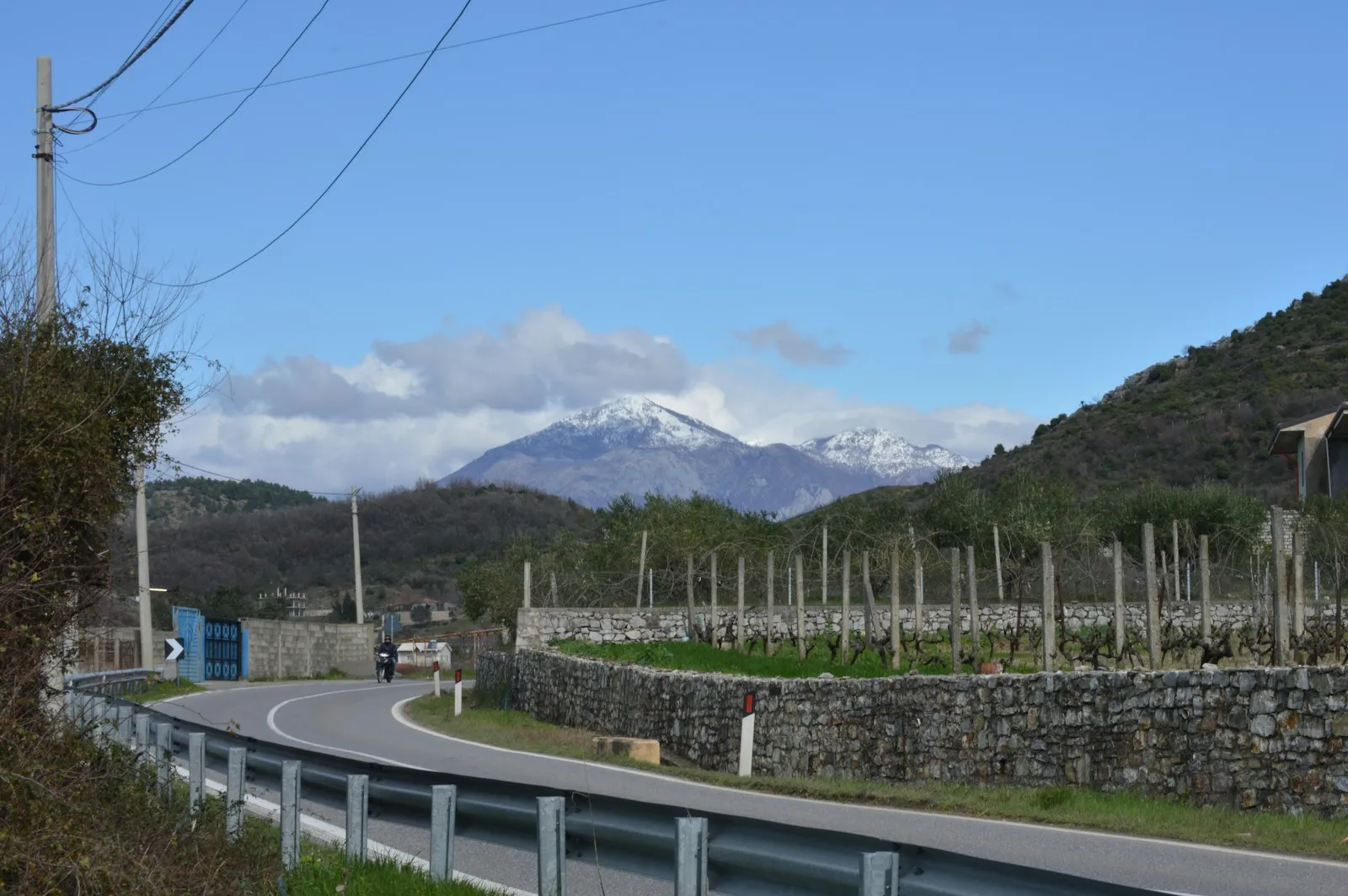
Driving in Albania is the most flexible way to explore the country, and its main roads have improved greatly, but it calls for more care than in much of Western Europe: mountain roads are slow and winding, local driving can be aggressive, and many rural roads are unlit. With the right documents, realistic journey times and a defensive approach, a road trip here is very rewarding.
Albania drives on the right. Hire cars are available at Tirana International Airport and in the main cities, and a car opens up places that buses barely reach, from the coves of the Riviera to mountain villages and remote monasteries.
Rules and requirements change, so treat this guide as a starting point and check the latest official advice for your nationality before you travel.
Documents and driving licence
Carry your full driving licence, your passport and the car’s papers, including proof of insurance, whenever you drive, as police may ask to see them. Whether you also need an International Driving Permit (IDP) depends on where your licence was issued. The UK government, for example, advises British drivers to carry a 1968 IDP alongside their licence, and Canada tells its citizens they must carry one. IDPs generally have to be obtained in the country that issued your licence, so arrange one before you leave home.
Rental companies also set their own rules on minimum age, years of driving experience and accepted licences, so check their terms when you book. If you move to Albania or stay long term, you will eventually need an Albanian licence.
Insurance and crossing borders
Hire cars come with the compulsory third-party insurance, and companies sell extra cover to reduce your excess, so read what is included before you sign. If you bring your own car, the UK government notes that you must carry a Green Card as proof of insurance to drive in Albania.
Planning to drive into Montenegro, Kosovo, North Macedonia or Greece? Tell the rental company when you book: cross-border travel normally needs its written permission, often for an extra fee, and some companies restrict which countries you can visit. Kosovo is not part of the Green Card system, so drivers normally have to buy separate border insurance when entering.
Road conditions: what to expect
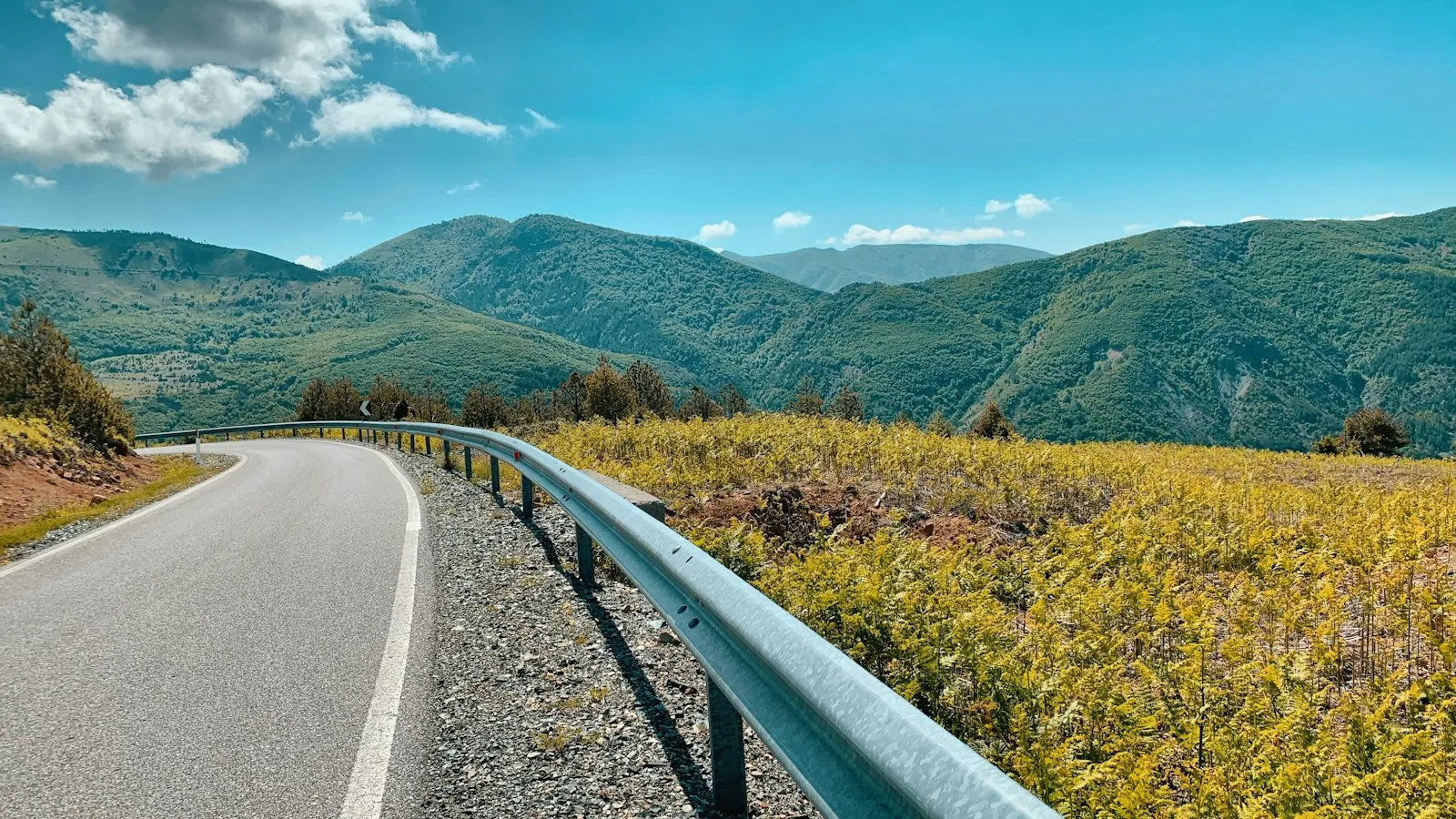
The main highways and the roads between major cities are generally in decent shape, and new motorways, bypasses and tunnels have cut journey times in recent years. Elsewhere, quality varies. Rural and minor roads can be narrow and potholed, roadworks are not always well marked, and there is often no street lighting, even on major routes.
- Road numbers: the national network is made up of state roads marked SH (Rrugë Shtetërore), with motorway sections numbered A1, A2 and A3.
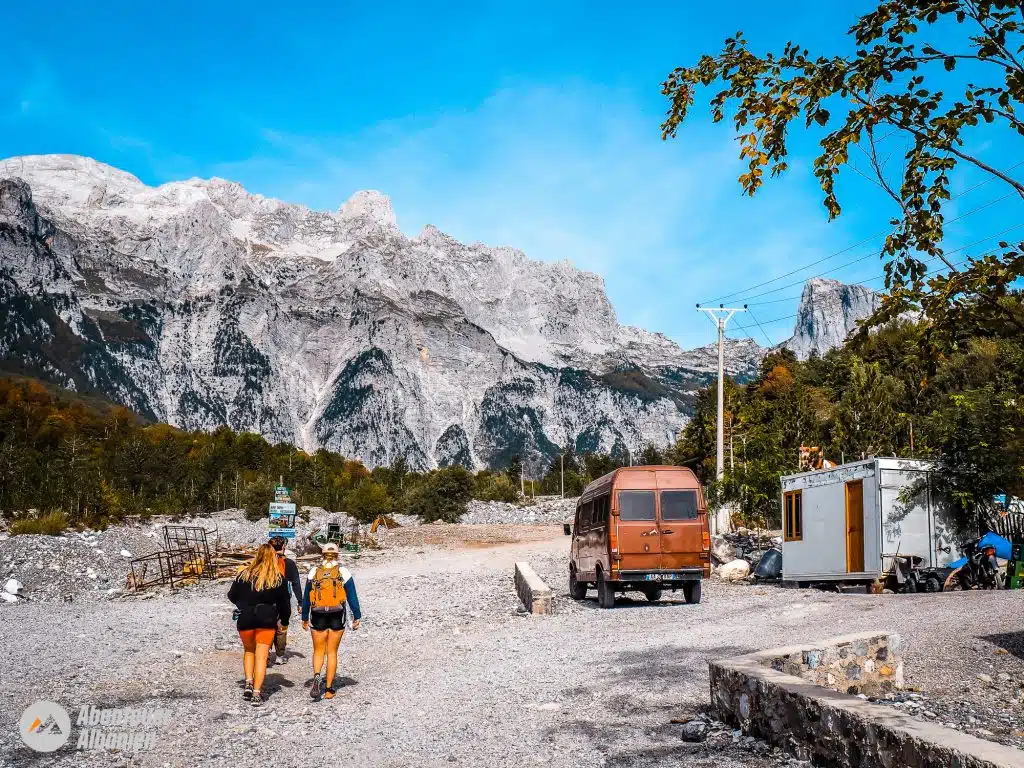
- Mountain roads are slow, with hairpin bends and steep drops; the now-asphalted road to Theth over the Qafë Thore pass is a good example.
- Tolls apply on some routes, notably the A1 motorway towards Kosovo, which has a toll point at the Kalimash tunnel.
- Other road users: pedestrians, slow farm vehicles, horse-drawn carts and wandering livestock can appear on the road, even on main routes.
- Winter: conditions can be hazardous on mountain roads in the north and south-east, so check the forecast before setting out.
Because of the terrain, average speeds are lower than distances suggest. Treat your map app’s estimate as a best case, and add time for stops, roadworks and summer traffic.
Local driving style and the rules that matter
The UK government describes driving in Albania as often aggressive and erratic, and road deaths are among the highest in Europe, so drive defensively and expect the unexpected, from sudden overtaking to vehicles stopping without warning.
- Speed limits are signposted and can be lower than you expect in built-up areas. Police have expanded the use of traffic cameras and radar checks across the network.
- Alcohol: the legal limit is very low, and penalties can apply even at small amounts. The only safe approach is not to drink at all if you are driving.
- Tougher penalties: a 2026 update to the road code raised penalties for offences such as drink-driving, phone use at the wheel and dangerous manoeuvres.
- Seat belts and child seats: wear seat belts in the front and back, and request suitable child seats when you book a hire car.
- Accidents: if you are involved in one, even a minor bump, stay at the scene until the police arrive, as leaving early can lead to charges.
For broader advice on staying safe, read our guide to whether Albania is safe for travellers.
Parking, fuel and practicalities
- Parking: central Tirana and busy coastal towns in summer can be hard to park in. Use paid car parks, and choose accommodation with parking where possible.
- Fuel: fill up before heading into the mountains, where filling stations are fewer, and carry some cash in lek for smaller stations and tolls.
- Navigation: online maps work well on main routes, but download offline maps for remote areas and avoid shortcuts onto unpaved tracks.
- Vehicle choice: a standard car is fine for main roads, while a four-wheel-drive vehicle is more practical on rough rural and minor roads.
- Camera fines: rental companies can pass on fines recorded by traffic cameras, even after you have returned the car, so stick to the limits.
Scenic drives worth planning for
Some of Albania’s best views are from the driver’s seat, but they reward an unhurried pace:
- The Riviera road south of Vlorë climbs over the Llogara Pass before dropping to the coast at Dhërmi and Himarë. A tunnel that opened in 2024 now offers a faster alternative, but the pass road leads to the famous viewpoint at Llogara.
- The road to Theth crosses the Qafë Thore pass with tight hairpins and wide mountain views; allow plenty of time and avoid it in snow.
- The Vjosa valley towards Përmet is a quieter, scenic route through the south-east, following one of Europe’s last wild rivers.
If you are planning a coastal trip, our one-week Albanian Riviera road trip guide suggests a route.
When to let someone else drive
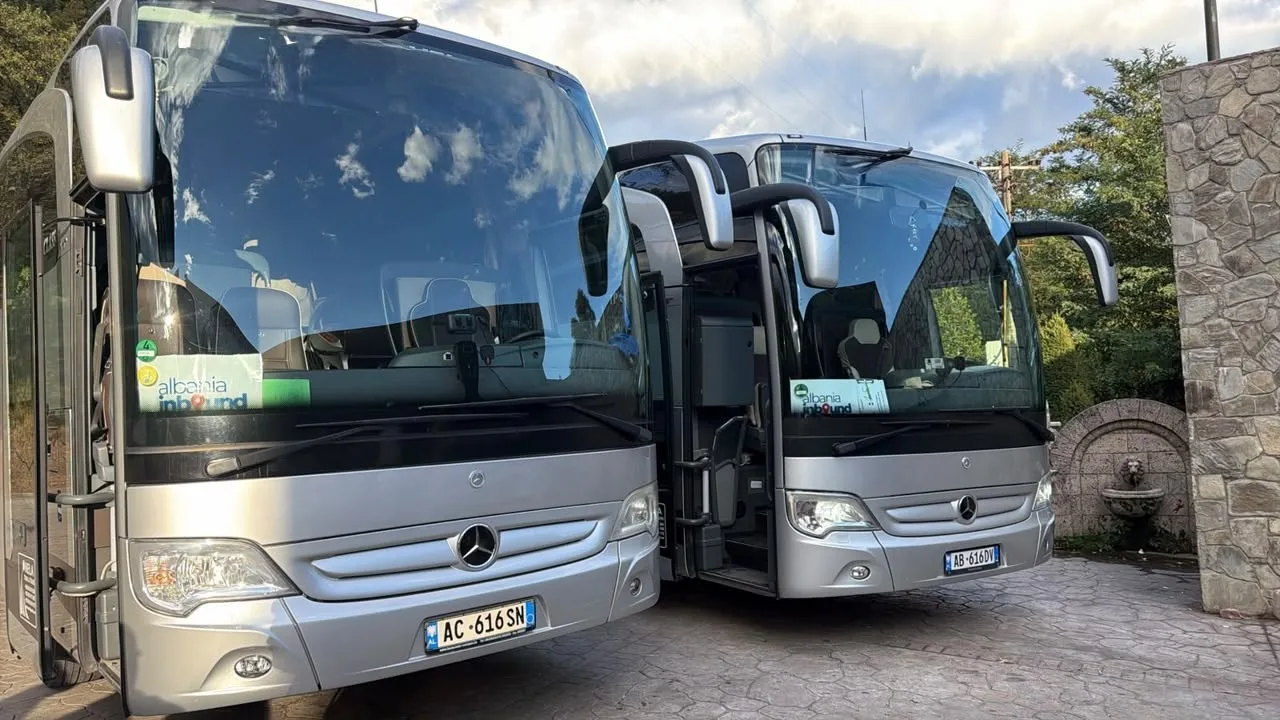
Driving yourself makes sense for a flexible road trip, but it is not always the best choice. On long mountain days, cross-border trips or short visits, a driver lets you enjoy the views instead of the hairpins and saves the hassle of parking and border paperwork. Albania Inbound runs its own fleet with professional drivers for private transfers and tours, from vans and minibuses to full-size coaches; see our transport page.
Frequently asked questions
Do I need an International Driving Permit to drive in Albania?
It depends on where your licence was issued. Several governments, including the UK and Canada, tell their citizens to carry an International Driving Permit alongside their national licence when driving in Albania, and rental companies may ask for one too. Because rules differ by country and can change, check your own government’s travel advice and your rental company’s terms before you travel, and get the permit at home.
Is it safe to drive in Albania?
It is manageable for confident drivers who take care, but road safety is a real issue: official advice from several governments describes local driving as aggressive and warns about poor rural roads. Drive defensively, avoid long journeys after dark on unlit roads, allow plenty of time on mountain routes and never drink and drive. If in doubt, use a professional driver for the most demanding stretches.
Can I take a rental car from Albania to Montenegro or Greece?
Often, yes, but only with the rental company’s permission. Request cross-border travel when you book, as companies usually need to prepare the paperwork and may charge an extra fee, and some do not allow every country. For Kosovo, which is outside the Green Card system, you will normally need to buy separate border insurance on entry. Always check the terms before you set off.
How strictly are traffic laws enforced in Albania?
Increasingly strictly. Police have expanded the use of traffic cameras and radar checks, and a 2026 update to the road code raised penalties for offences such as drink-driving, phone use and dangerous manoeuvres. Fines can be significant, and serious offences can lead to the loss of your licence. Follow the posted speed limits, never drink and drive, and keep your documents to hand.
Is it worth renting a car in Albania?
For a road trip along the Riviera or through the south, a car gives you a freedom that buses cannot match. For a short city break in Tirana, a trip focused on the Albanian Alps, or a holiday where you would rather relax than drive, transfers, buses and guided tours are usually simpler. You can also combine them, renting a car only for the coastal part of your trip.
Rather leave the driving to us? Join a guided trip such as North & South Albania: A 5 Day Tour, or tell us your route and dates through the private tour request form and we will plan a trip with a professional driver.