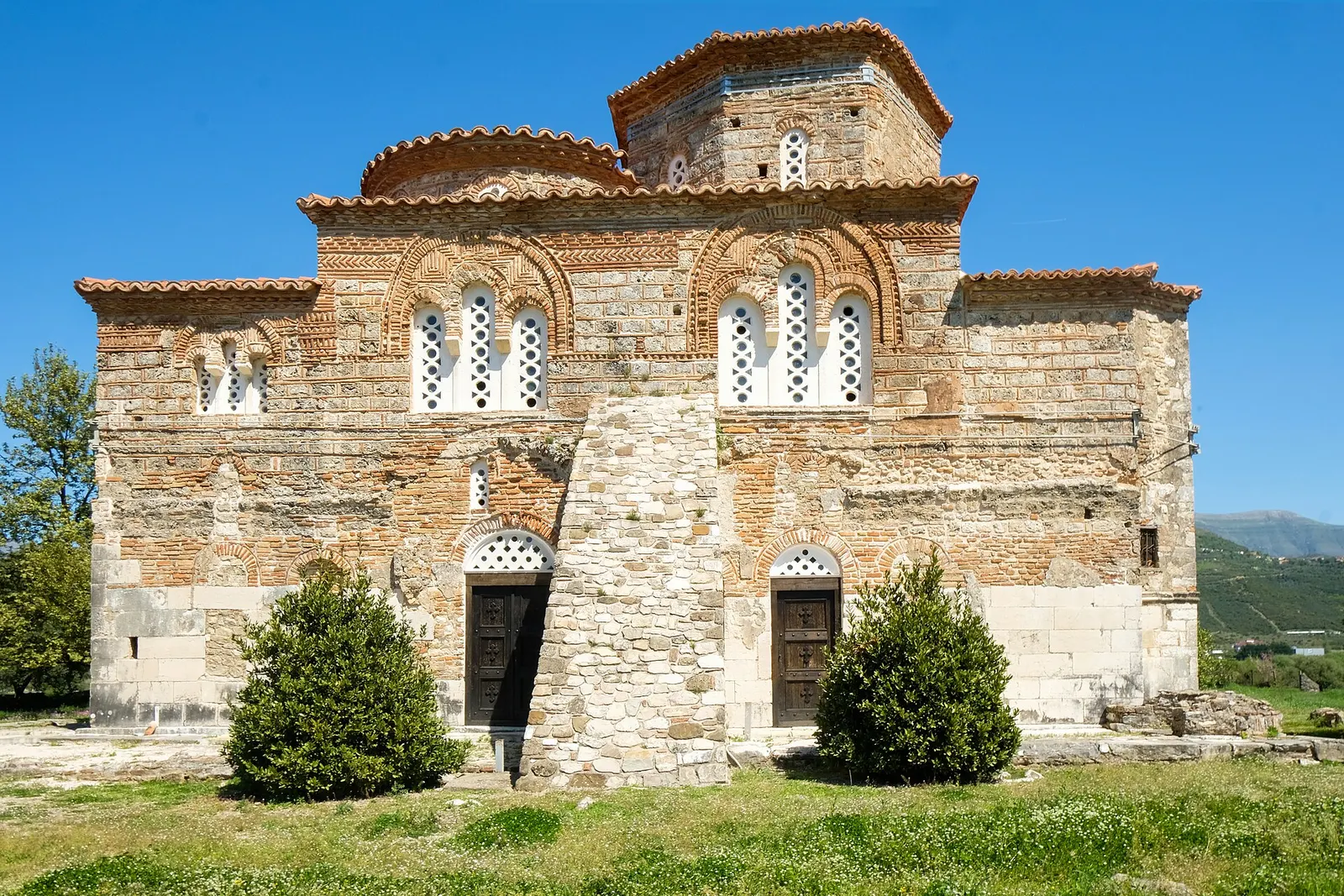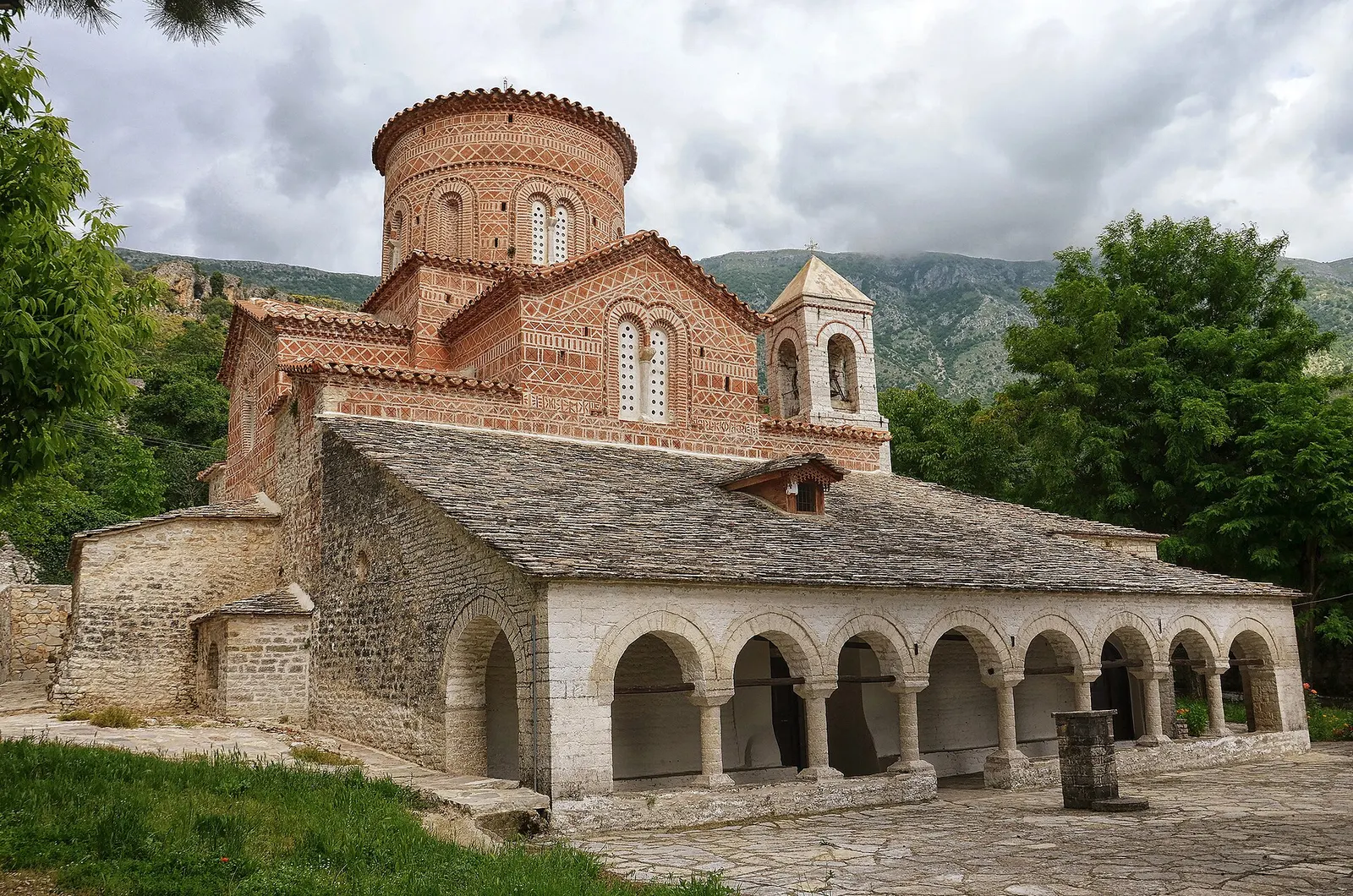
In the Lunxhëri hills above the Drino valley, the village of Labovë e Kryqit holds a church that historians of Byzantine architecture travel to see. Local tradition attributes its foundation to the emperor Justinian in the sixth century; what stands today is largely later, but the building is unquestionably among the oldest surviving churches in the country.
The building
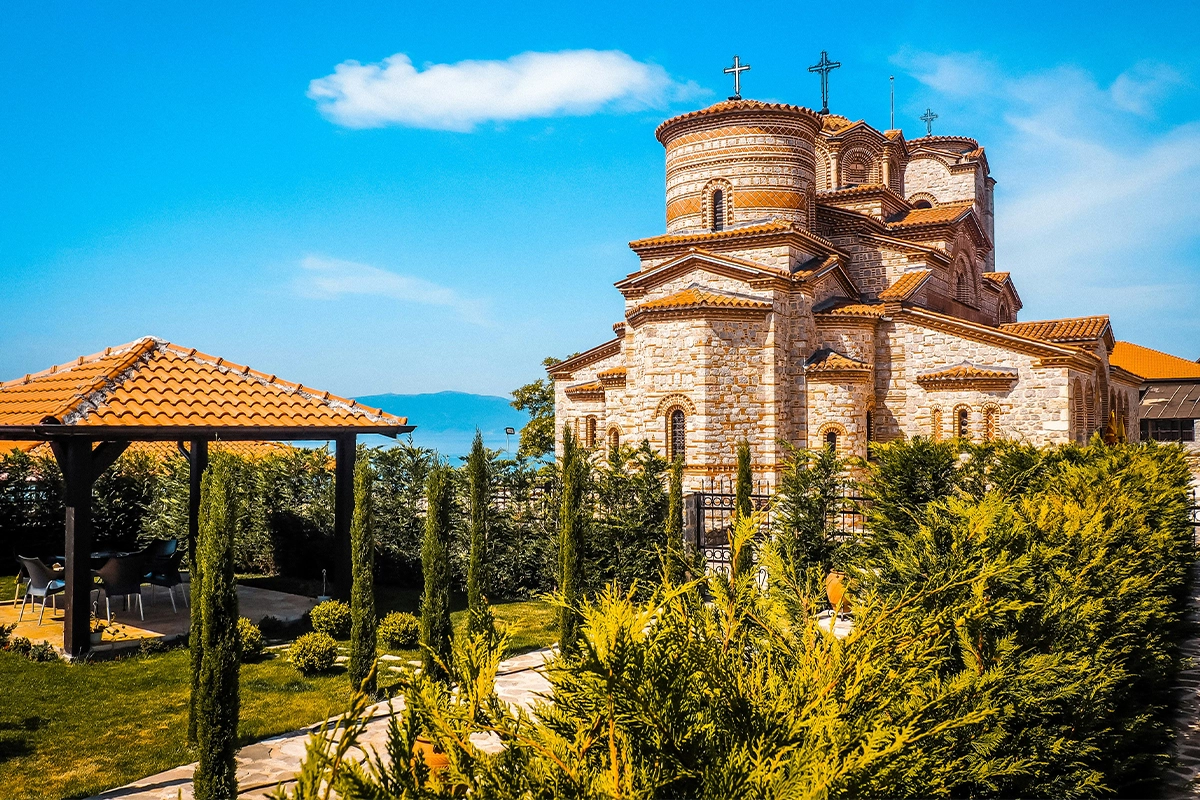
It is a cross-in-square church with a central dome, built in alternating courses of stone and brick in the Byzantine manner. The proportions are compact and the masonry is the attraction — patterned brickwork, carved details around the windows, and the kind of structural clarity that later Ottoman-era churches, built under restrictions, could not attempt.
Inside are frescoes and a carved iconostasis. The church takes its name — Labova of the Cross — from a relic said to have been held here.
The village
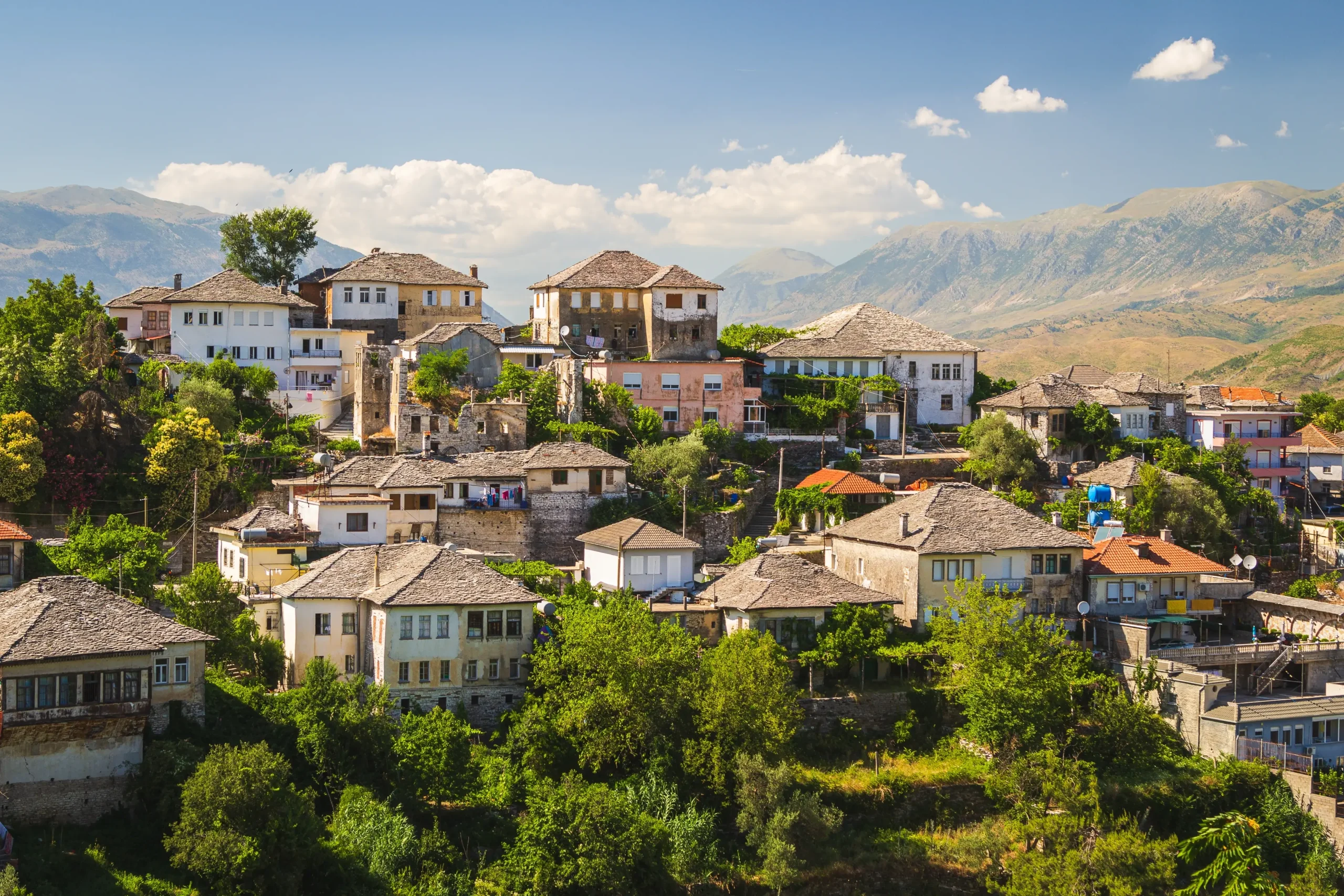
Labovë is small and quiet, with stone houses and walnut trees, typical of the Lunxhëri villages that line this side of the valley. Several of them have churches worth stopping for; this is simply the most important.
Finding it open
Like most village churches in Albania, it is normally locked. Asking at the first house or café you pass usually produces whoever holds the key, and visitors are welcome. Arriving with a guide or driver who can make that conversation easier saves time, particularly outside summer.
Getting there
From Gjirokastër it is roughly forty-five minutes by car, climbing from the valley road into the Lunxhëri hills. The road is paved but narrow and twisting. There is no useful public transport.
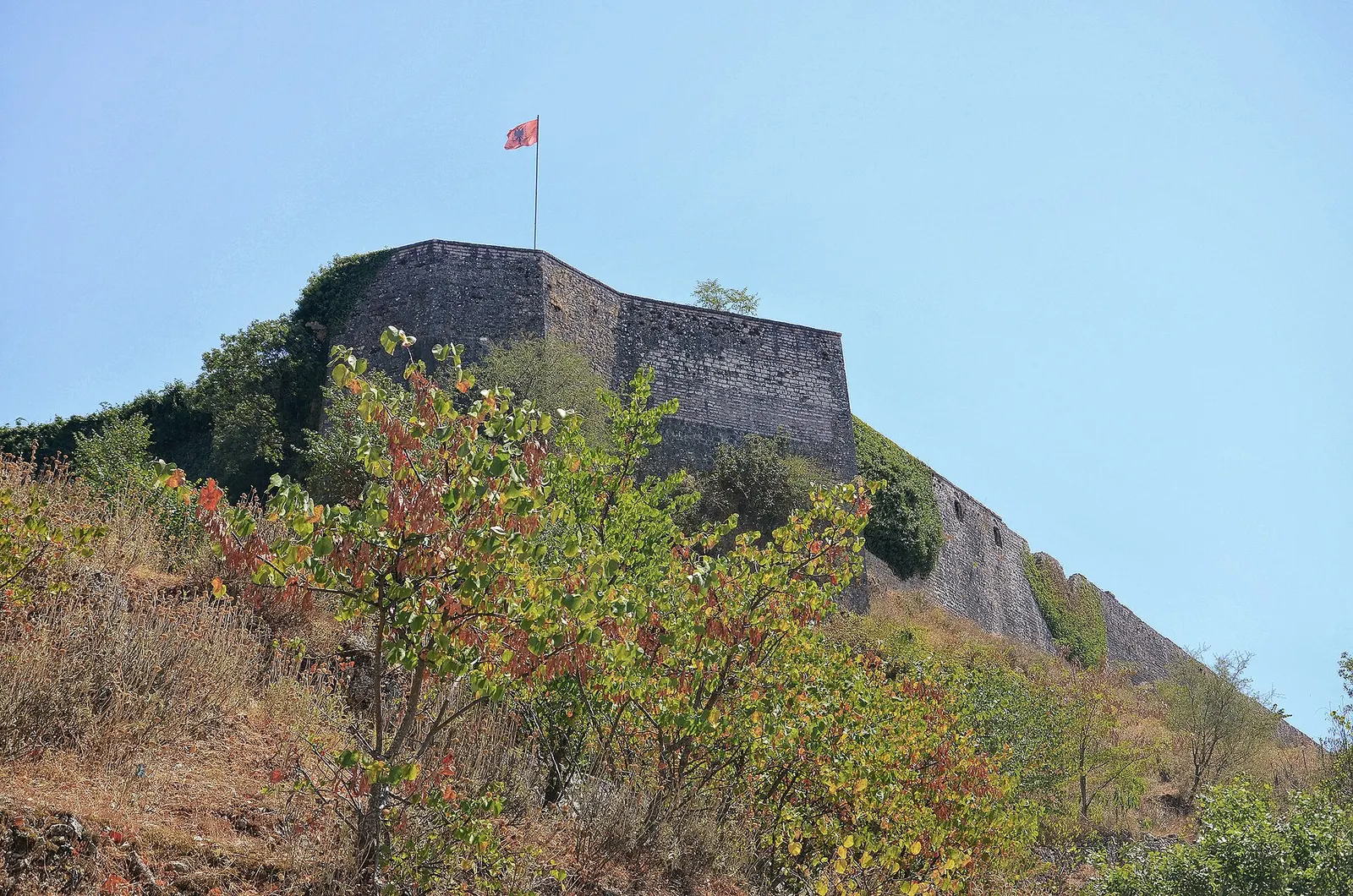
The natural route combines Labovë with Libohova castle below and Antigonea across the valley, which makes a full and almost entirely visitor-free day.
When to go
Spring and autumn. Mornings are better for finding a keyholder and for light inside the church. Winter is cold up here and some villages empty out.
Practical notes
- Dress respectfully; this is a functioning church.
- Ask before photographing the interior.
- A small donation for the keyholder is customary and appreciated.
- Carry cash and water; the village has minimal services.
Albania's Byzantine heritage is scattered, often locked and rarely signposted. Labova e Kryqit is the clearest single example of what survived — and it takes one morning out of a Gjirokastër stay to see it.
Common questions
How old is the church at Labova?
Local tradition traces the foundation to the sixth century and the emperor Justinian. What stands today is largely later, but it is among the oldest surviving churches in Albania.
Will the church be open?
Normally it is locked. Asking at the first house or café you pass usually produces whoever holds the key, and visitors are welcome. A small donation is customary.
What should I combine it with?
Libohova castle below and Antigonea across the valley. Together they make a full day out of Gjirokastër that almost no visitor does.