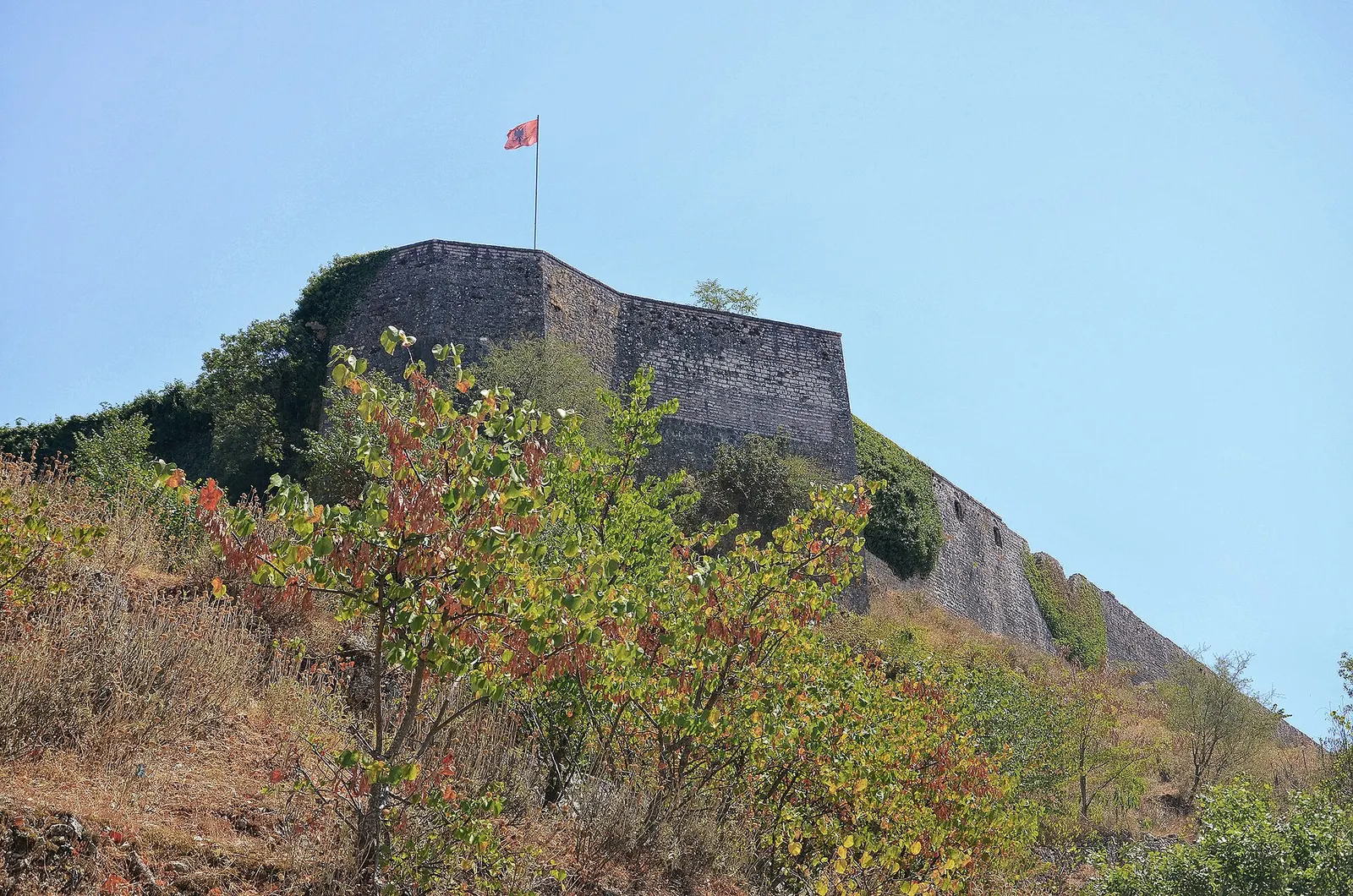
In the valley between Gjirokastër and Përmet, two towns carry the memory of the same man. Ali Pasha of Tepelena governed much of southern Albania and northern Greece around 1800, ruled it with near-independence from Istanbul, and left fortresses behind him across the region. Libohova and Tepelena are where his story is easiest to follow.
Libohova
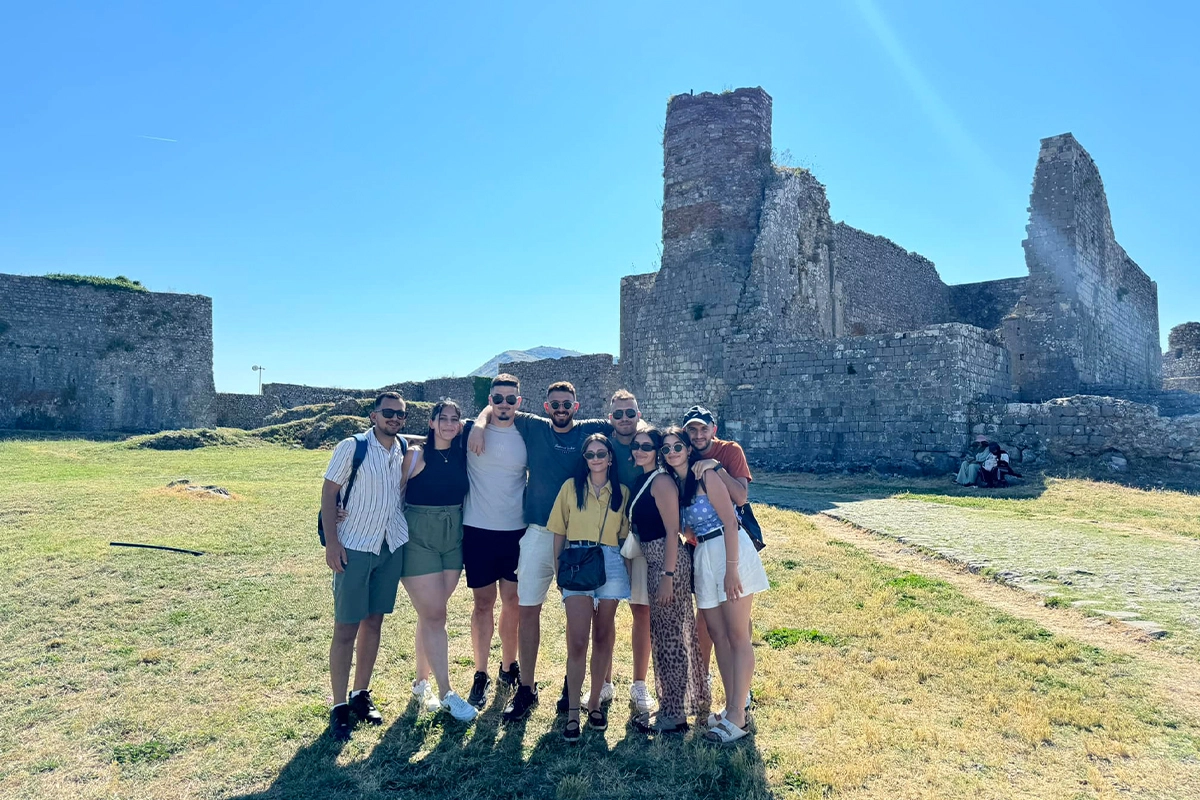
The castle above Libohova was built, tradition says, by Ali Pasha for his sister Shanisha. Three round towers and connecting walls survive on the hillside above the town, with the Drino valley spread out below and the Lunxhëri mountains opposite.
In the town itself stands a plane tree said to be around five hundred years old, with a trunk several people cannot reach around. Albanians treat old plane trees as landmarks and meeting places, and this is among the most famous.
Tepelena
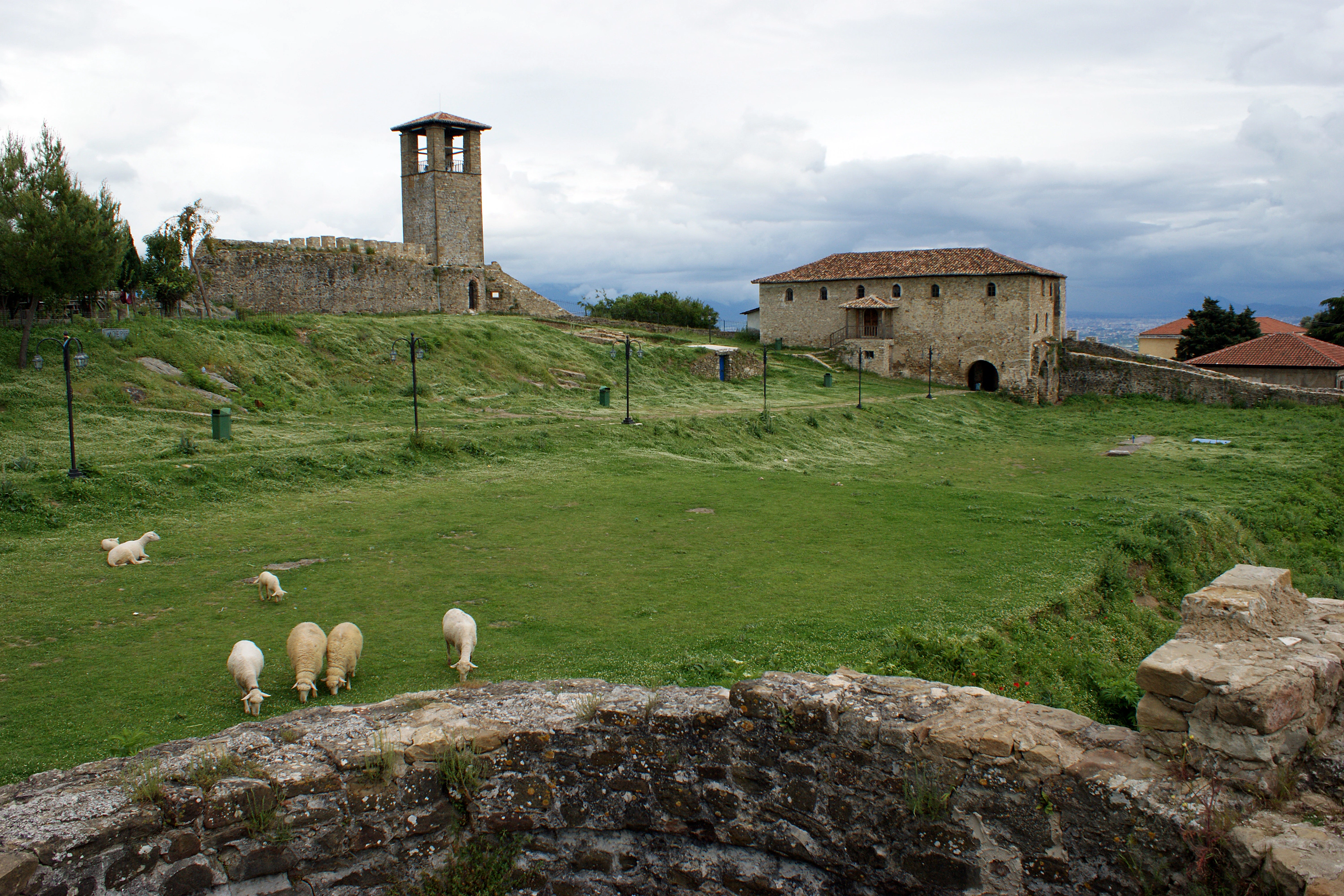
Ali Pasha's birthplace and seat. The castle walls enclose part of the modern town — people live inside them — and a terrace above the confluence of the Vjosa and Drino gives the view that made the site strategic. It is less manicured than Gjirokastër and more interesting for it.
Tepelena is also known across Albania for its mineral water, bottled from springs nearby.
Why the story matters
Ali Pasha's court attracted European travellers — Byron among them, who visited in 1809 and wrote about it. For a few decades this valley was a place that people in London and Paris had heard of. Understanding that makes the ruins read differently.
Getting there
Both towns sit on or just off the main road between Gjirokastër and Përmet. Libohova is about twenty-five minutes from Gjirokastër; Tepelena is around forty-five minutes north. Roads are paved; the climb to Libohova castle is short and steep.
Buses on the Gjirokastër–Përmet and Gjirokastër–Tirana routes stop in both towns.
When to go
Spring and autumn are best — the valley is green or gold and the temperature suits walking up to the castles. Summer is hot in the Drino valley, so start early.
Practical notes
- There is little interpretation at either castle; a guide or reading ahead helps.
- Both sites are open, unfenced and uneven — sensible shoes.
- Combine with Antigonea and Labova e Kryqit for a full valley day.
- Cafés in both towns; limited accommodation, so base in Gjirokastër.
Gjirokastër gets the UNESCO listing and the crowds. The rest of the Drino valley holds the history that explains it.
Common questions
Who was Ali Pasha?
The Ottoman governor who ruled much of southern Albania and northern Greece around 1800, with near-independence from Istanbul. Byron visited his court in 1809 and wrote about it.
What is there to see in Libohova?
The castle above the town, with three round towers and a view over the Drino valley, and a plane tree in the town said to be around five hundred years old.
Can I do both towns in a day?
Easily. Libohova is twenty-five minutes from Gjirokastër and Tepelena about forty-five minutes north, both on or just off the main road.