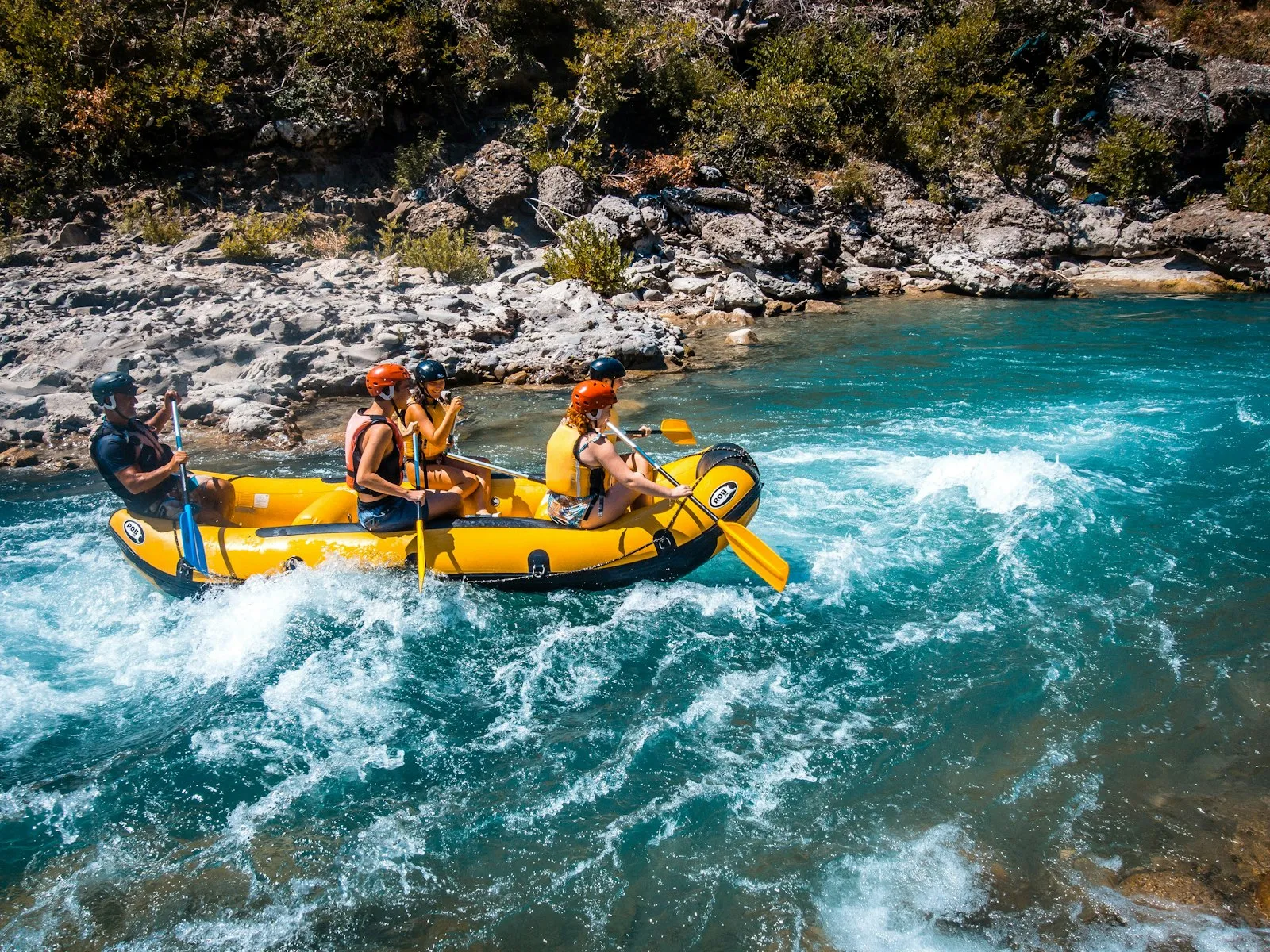
The best rafting in Albania is on two southern rivers: the Vjosa near Përmet, which can be rafted from spring to autumn, and the Osum through the Osumi canyons near Çorovodë, where the main season is spring, when snowmelt fills the gorge. Most trips are guided, last a few hours and run class II–III rapids that suit beginners.
No previous experience is needed for a standard trip, but conditions change with the seasons and the weather. Here is how the two rivers compare, when to go, what to bring and how to choose a safe operator.
The Vjosa near Përmet
The Vjosa is one of Europe’s last wild rivers, running undammed through Albania from the Greek border to the Adriatic, and since March 2023 it has been protected as the Vjosa Wild River National Park. The rafting base is the small town of Përmet, where local operators run trips through the green valley and its gorges.
- Season: roughly spring to autumn; the exact window depends on the operator and the water level.
- Difficulty: generally class II–III, livelier in spring and gentler in summer.
- Time on the water: typically around two to three hours.
- Combine with: a soak in the Benja thermal baths and a walk into the Langarica canyon.
In summer the river is calmer, with long gentle stretches to enjoy the scenery, which makes it a good choice for families and nervous first-timers. In spring the higher water makes for a wetter, faster and more exciting ride.
The Osumi canyons near Çorovodë
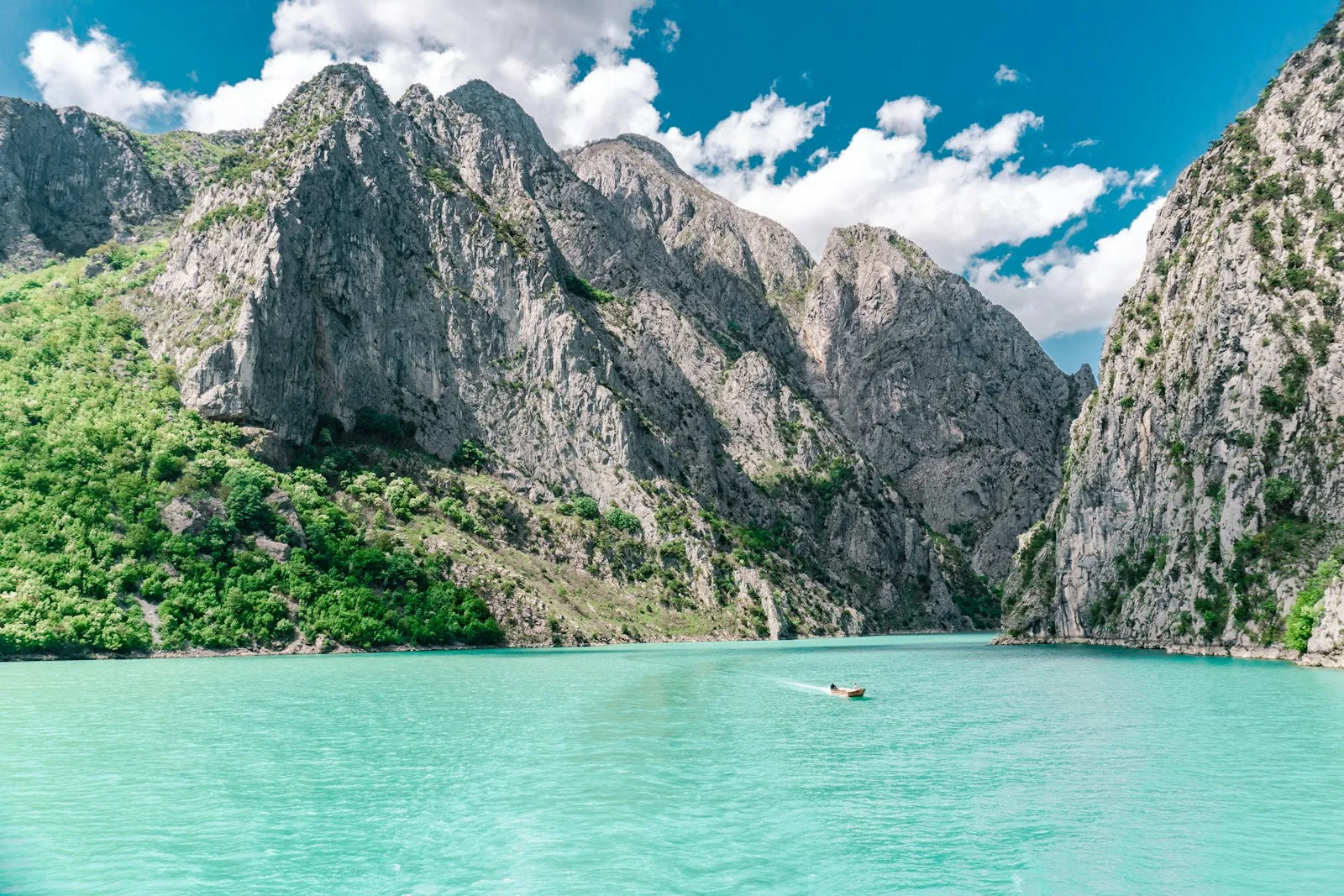
Upstream of Berat, the Osum river has carved a spectacular gorge near the town of Çorovodë in the Skrapar region. The Osumi canyons run for around 26 km, their pale walls pocked with small caves and, in spring, streaked with waterfalls that pour in from above as the rafts pass below. Rock formations along the way have names such as the Cathedral, the Eye and the Demon’s Door.
- Season: mainly spring, roughly March to May, depending on snowmelt; in a dry year the window can be short.
- Difficulty: mostly class II, with livelier sections at high water; no previous experience is needed.
- In summer: the river is too low to raft the whole gorge, but you can walk the viewpoints along the rim, explore and swim in parts of the canyon, or try tubing where operators offer it.
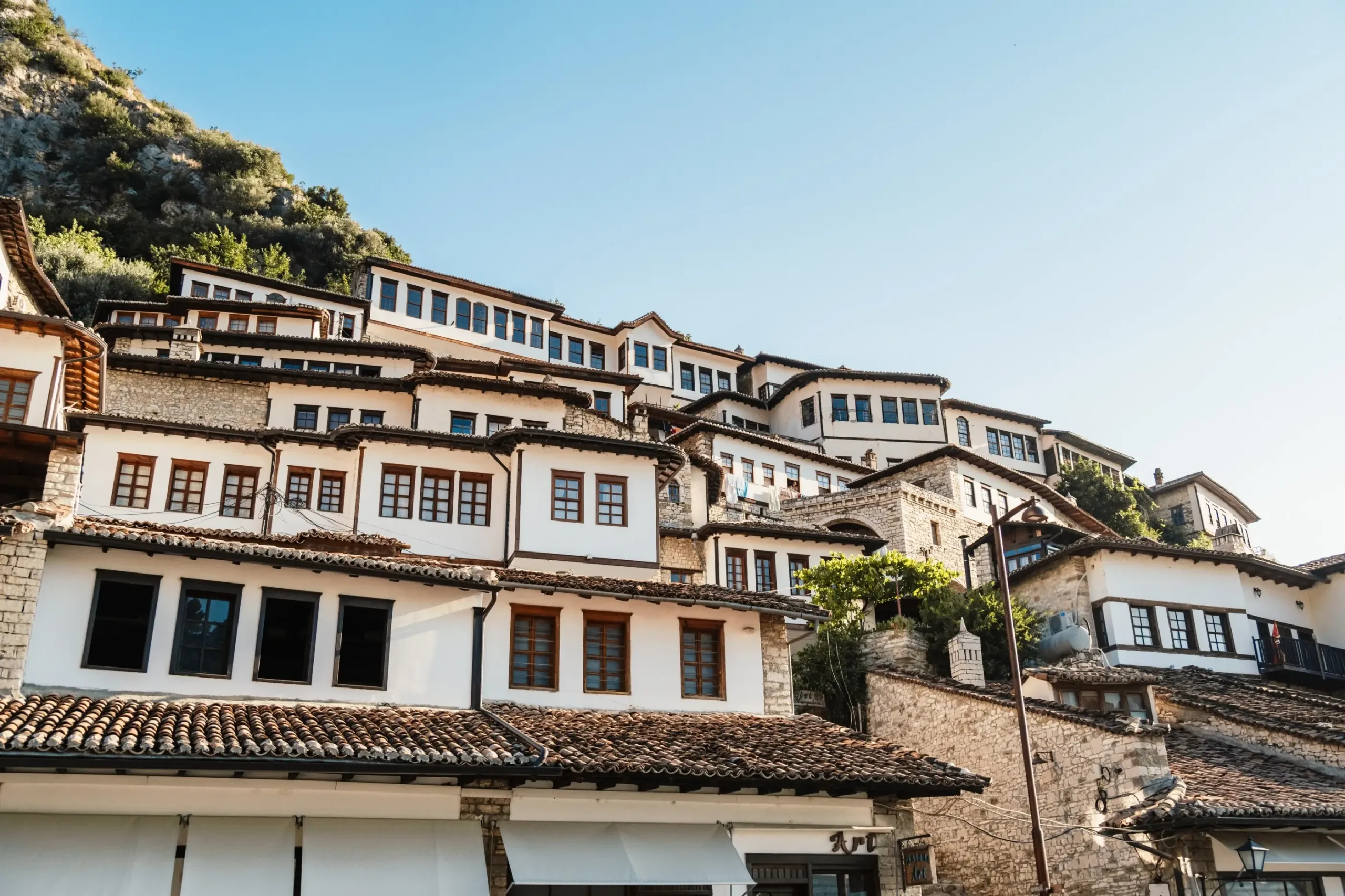
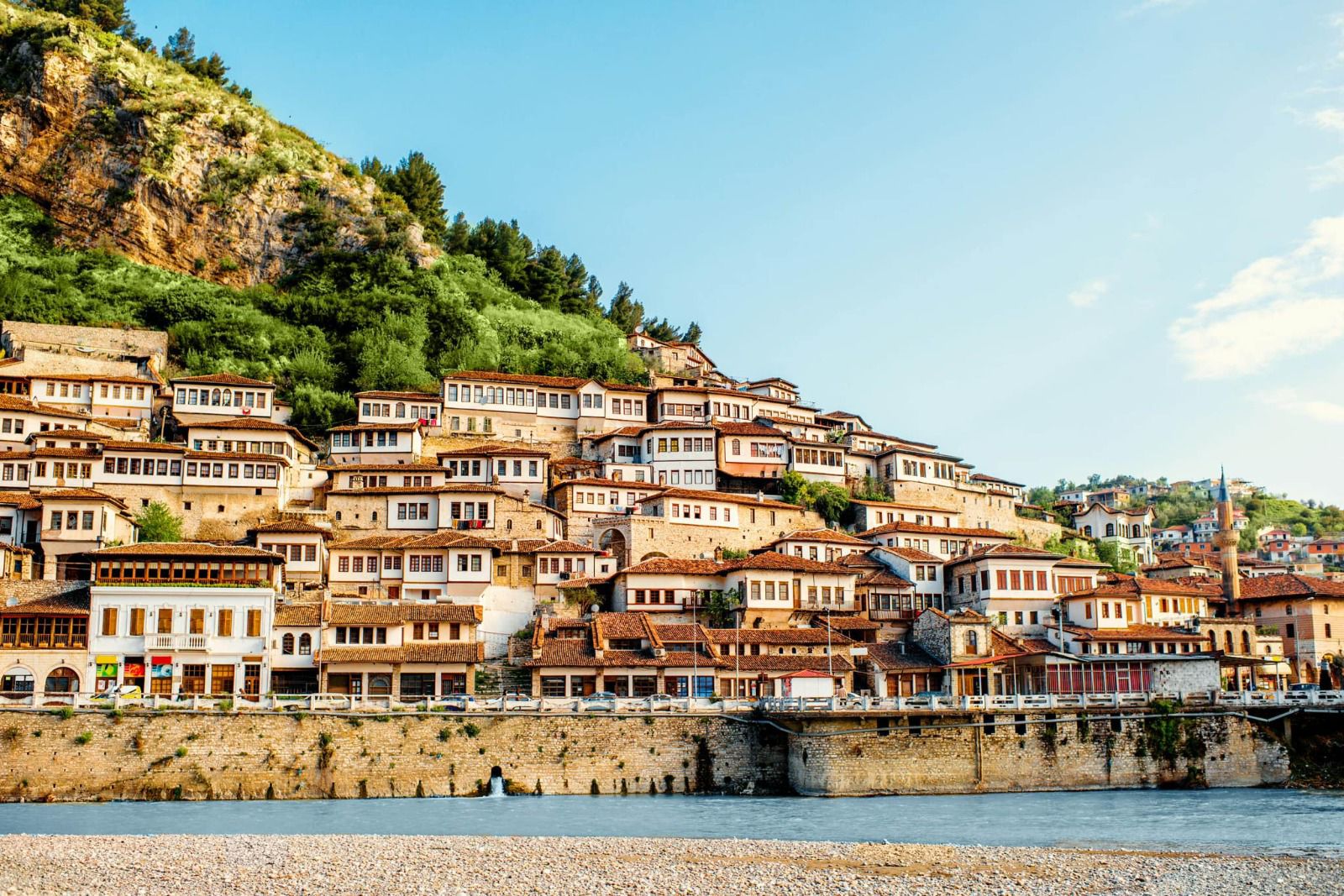
Çorovodë is the usual meeting point, and Berat, the UNESCO-listed “city of a thousand windows”, makes a comfortable base with plenty of places to stay. The Bogova waterfall, also in Skrapar, is worth a detour. For more on the gorge, see our Osumi canyon adventure guide.
When to go rafting in Albania
Spring is the season for big water on both rivers, when snowmelt from the mountains raises the levels and the rapids are at their most exciting. From early summer the Osum drops too low to raft the full canyon, while the Vjosa keeps running as a gentler, family-friendly float. Autumn rains can bring more life back to the Vjosa.
Water levels depend on snowfall and rain, so the best dates shift from year to year. Operators may cancel or change trips after heavy rain, when rivers rise quickly and turn muddy, so build a little flexibility into your plans and confirm conditions a day or two before.
What to expect on the day
Most trips follow a similar pattern. You meet the operator at their base, change into swimwear and are fitted with a helmet, a life jacket and, when the water is cold, a wetsuit. After a safety briefing on the riverbank covering paddle commands, how to sit and what to do if you go overboard, a short transfer takes you to the starting point.
On the water, your guide steers from the back of the raft and calls out the commands, with calmer stretches between the rapids to look around and take photos with a waterproof camera. Afterwards there is time to dry off and change, and some operators include a meal or snack by the river.
Who can go rafting?
Guided trips on both rivers are designed for people with no rafting experience. You should be reasonably fit, comfortable in water and able to follow your guide’s instructions; being able to swim is strongly recommended. Minimum ages vary by operator and water level, so ask before booking if you are travelling with children, and mention any health conditions, injuries or pregnancy.
What to bring
- Swimwear to wear under your kit, plus quick-drying clothes; avoid cotton on cooler spring days.
- Shoes that stay on your feet and can get wet, such as sports sandals with straps or old trainers; flip-flops are not suitable.
- Sunscreen, a hat and sunglasses with a strap.
- A towel and a complete change of clothes for afterwards.
- A waterproof pouch or dry bag for your phone, or leave valuables behind.
- Water and a snack, and check whether lunch is included.
Reputable operators provide the technical kit: raft, paddle, helmet and life jacket, and usually wetsuits when the water is cold.
Safety and choosing an operator
- Choose an established operator with good recent reviews and experienced, trained guides.
- Expect a proper safety briefing before you get on the water, covering paddling commands and what to do if you fall in.
- Keep your helmet and life jacket on and correctly fastened whenever you are on the water.
- Check that your travel insurance covers rafting and similar activities.
- Skip the alcohol before a trip, and accept your guide’s decision if conditions are unsafe.
Rafting fits neatly into a wider journey through the south. The Vjosa pairs well with Gjirokastër, about an hour from Përmet, and the Riviera beyond, while the Osumi canyons combine easily with Berat and the slopes of Mount Tomorr.
Frequently asked questions
Is rafting in Albania safe?
Rafting with an established, well-equipped operator is generally safe on the class II–III rapids of the Vjosa and the Osum. Risk rises with high water, poor equipment and inexperienced guides, so choose your company carefully, listen to the safety briefing, keep your helmet and life jacket on, and be prepared for trips to be postponed after heavy rain.
When is the best time for rafting in Albania?
Spring is the best time for exciting water on both rivers, as snowmelt raises the levels from around March. The Osumi canyons are mainly rafted in spring and become too low in summer, while the Vjosa near Përmet can usually be rafted from spring to autumn, with calmer, more family-friendly conditions in the warmer months.
Do I need experience to go rafting in Albania?
No. Standard guided trips on the Vjosa and the Osum are designed for complete beginners. Your guide will explain how to paddle, how to respond to commands and what to do if you fall in. You should be reasonably fit and comfortable in water, and it is strongly recommended that you can swim.
Can children go rafting in Albania?
Often, yes, especially on the gentler summer Vjosa, but minimum ages depend on the operator and the water level on the day. Children need properly fitting helmets and life jackets and should be confident in water. Ask the operator before booking, mention your children’s ages and be ready to choose a calmer section or season.
Which is better, the Vjosa or the Osumi canyon?
It depends on when you travel. In spring the Osumi canyons are unforgettable, with sheer walls and waterfalls tumbling into the gorge, and the Vjosa is lively too. From early summer onwards the Vjosa is the better choice, as the Osum is too low to raft through the canyon. Both are suitable for beginners.
Ready to get wet? All of Albania in 8 Days and the Full Albanian Experience both include a day rafting the Vjosa with a stop at the Benja thermal baths, ending in Përmet. To raft the Osumi canyons in spring, send us a private group tour request.