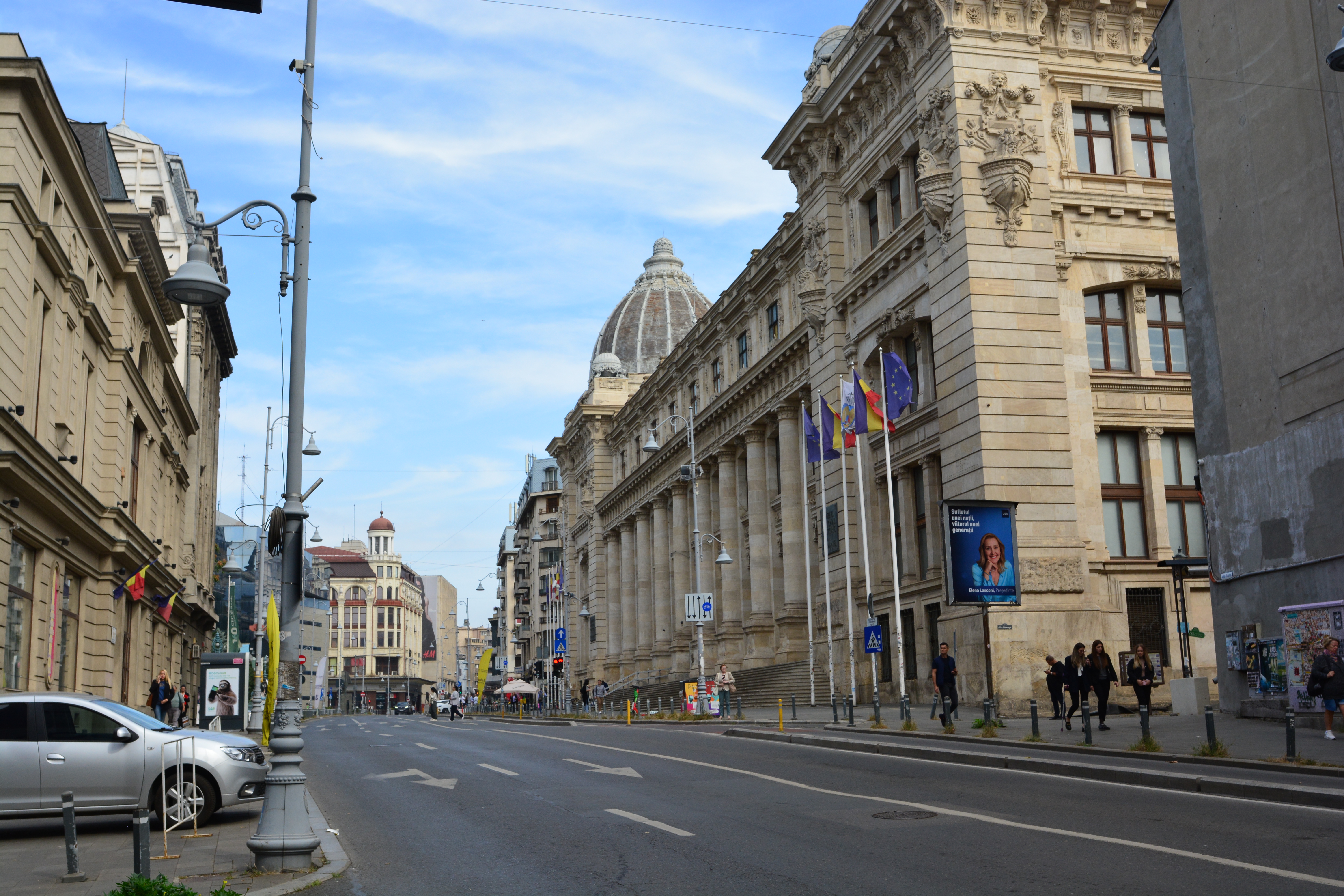
It was laid out in 1692 by Prince Constantin Brâncoveanu as a road paved with wooden beams, then called Podul Mogoșoaiei, linking the city to his palace at Mogoșoaia. It received its current name, 'Avenue of Victory', in 1878 after Romania's War of Independence.
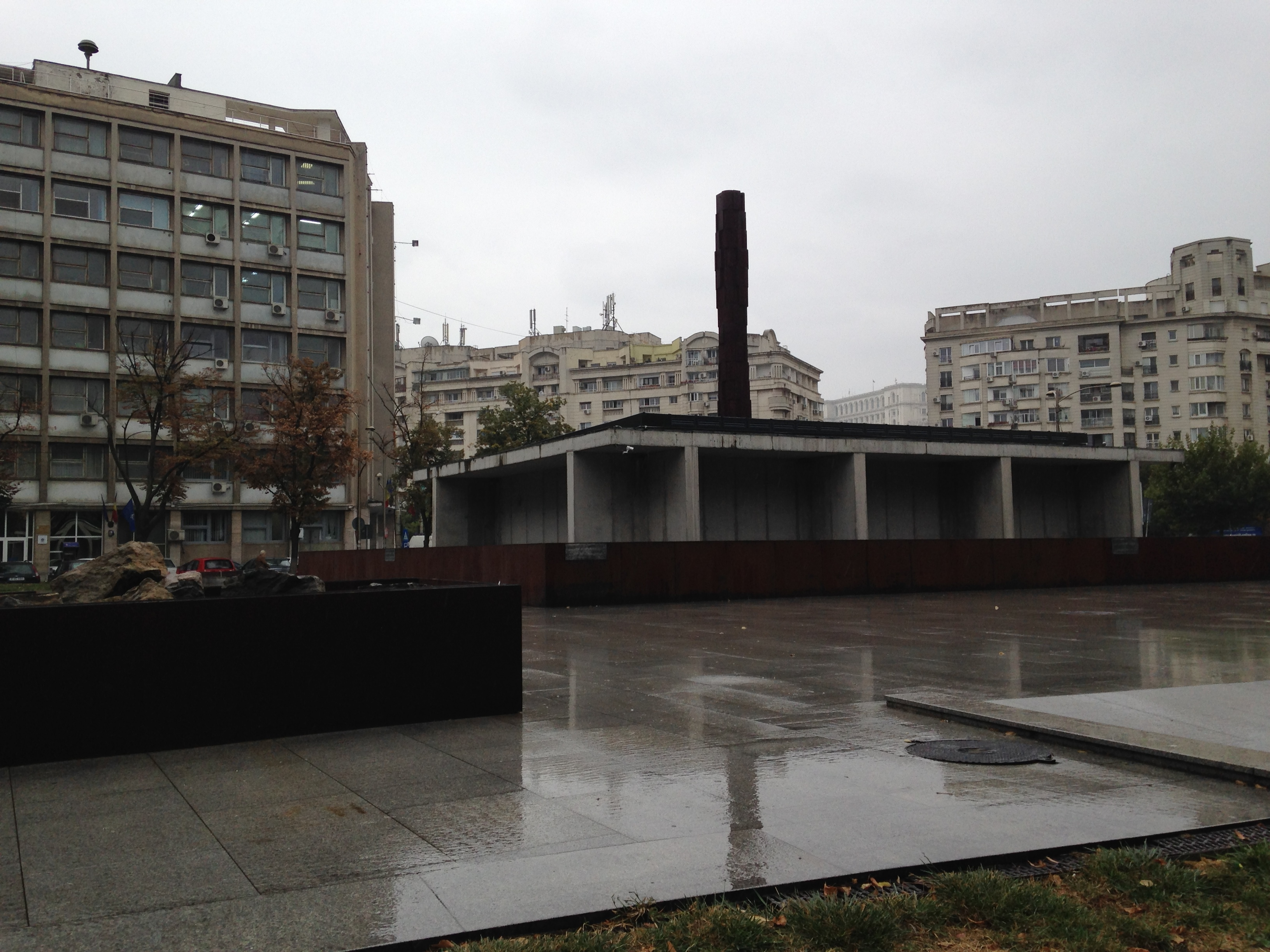
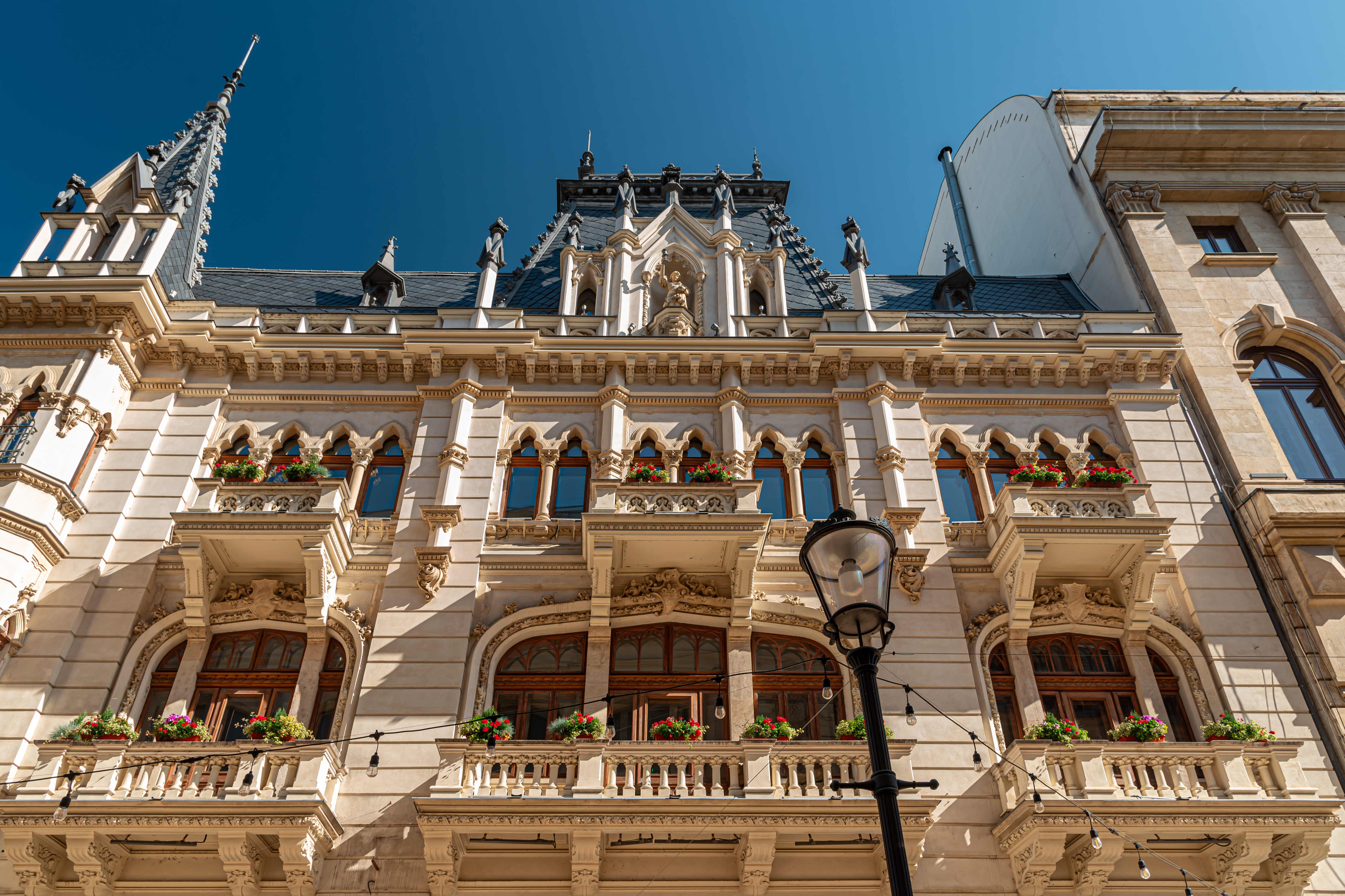
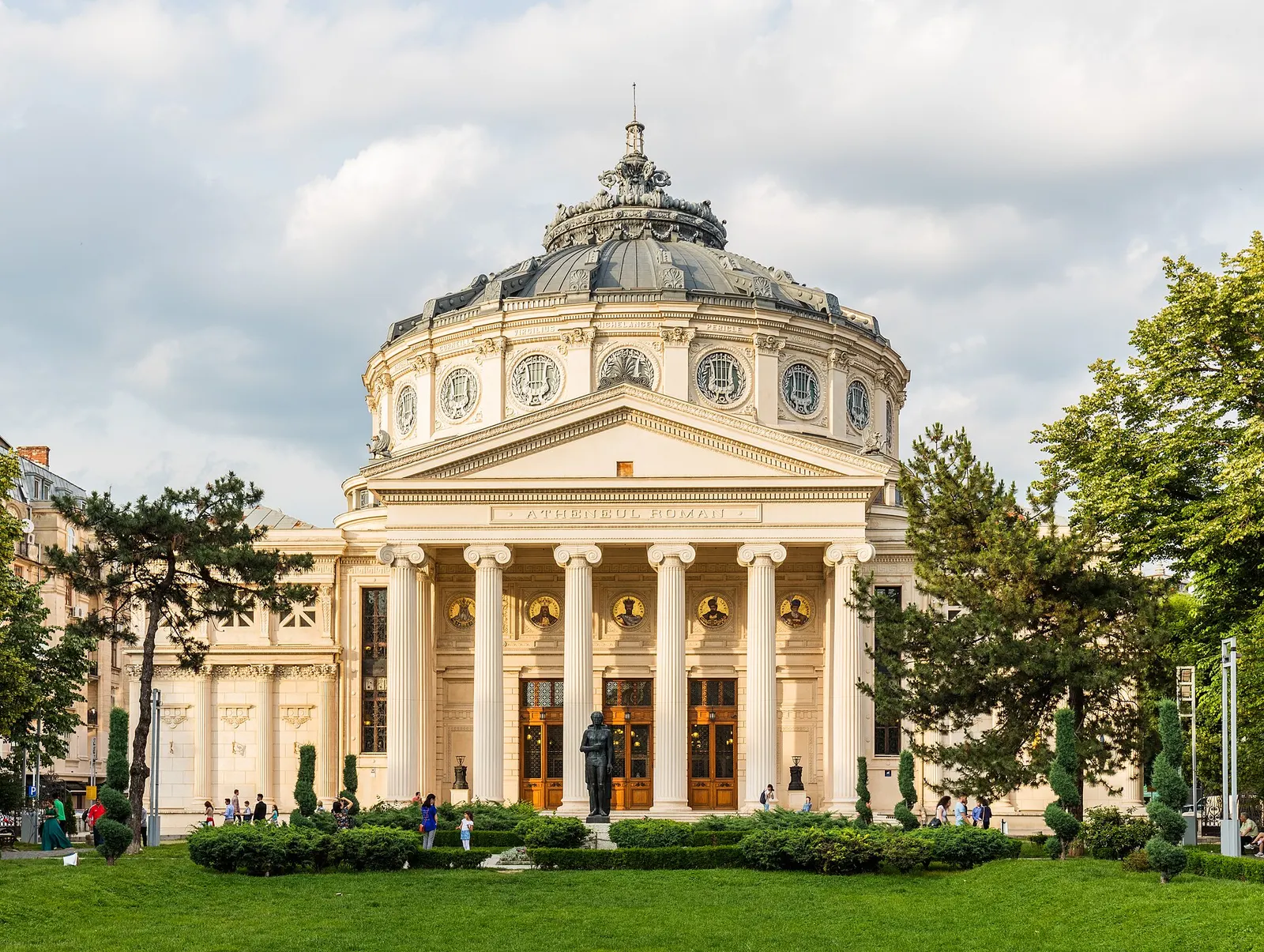
Along its length stand many of the city's landmarks: the National Museum of Romanian History in the former Post Office Palace, the domed CEC Palace, the old Royal Palace (now the National Museum of Art), Revolution Square and the Romanian Athenaeum, mixed with grand hotels, cafés and shops.
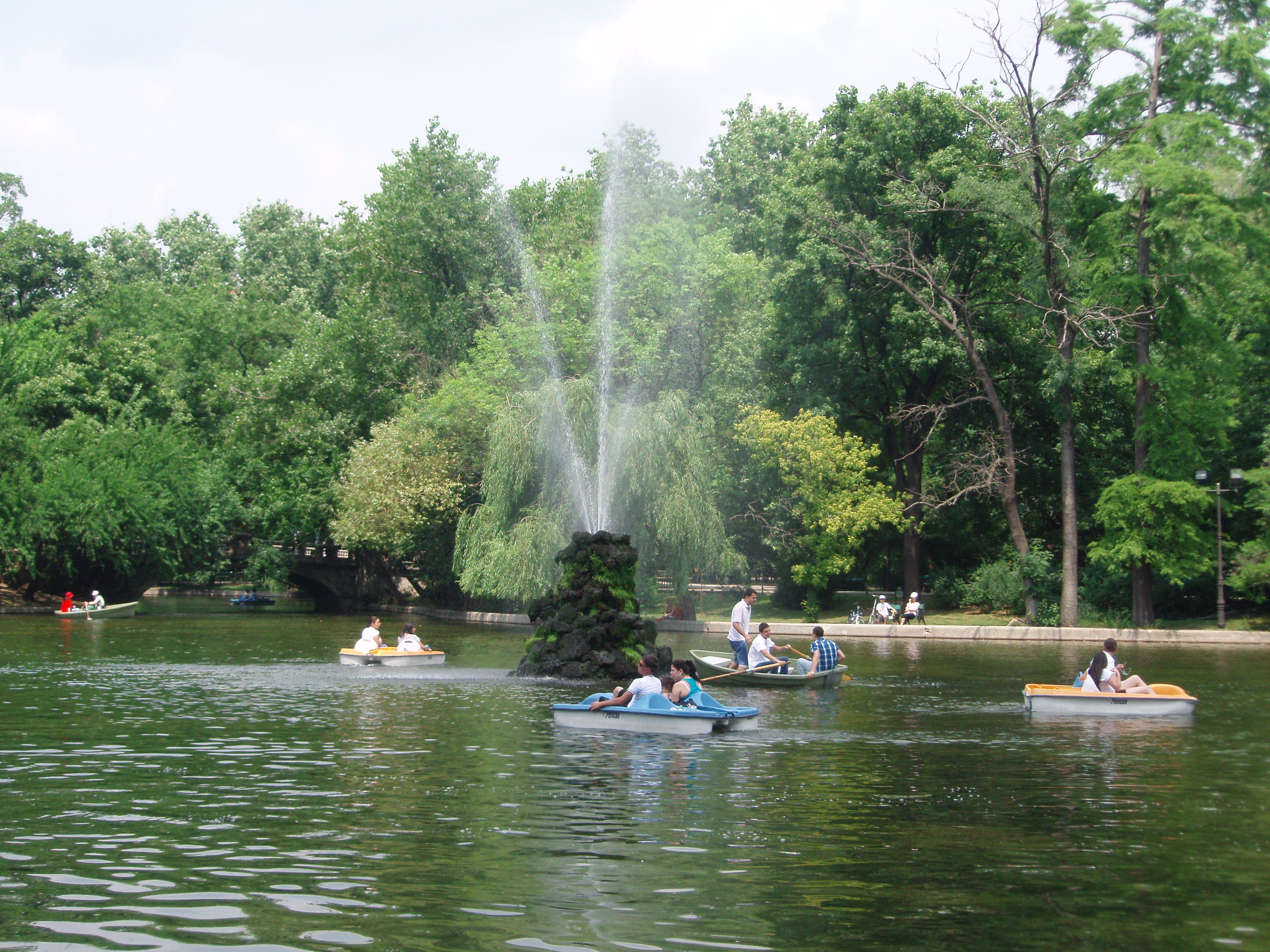
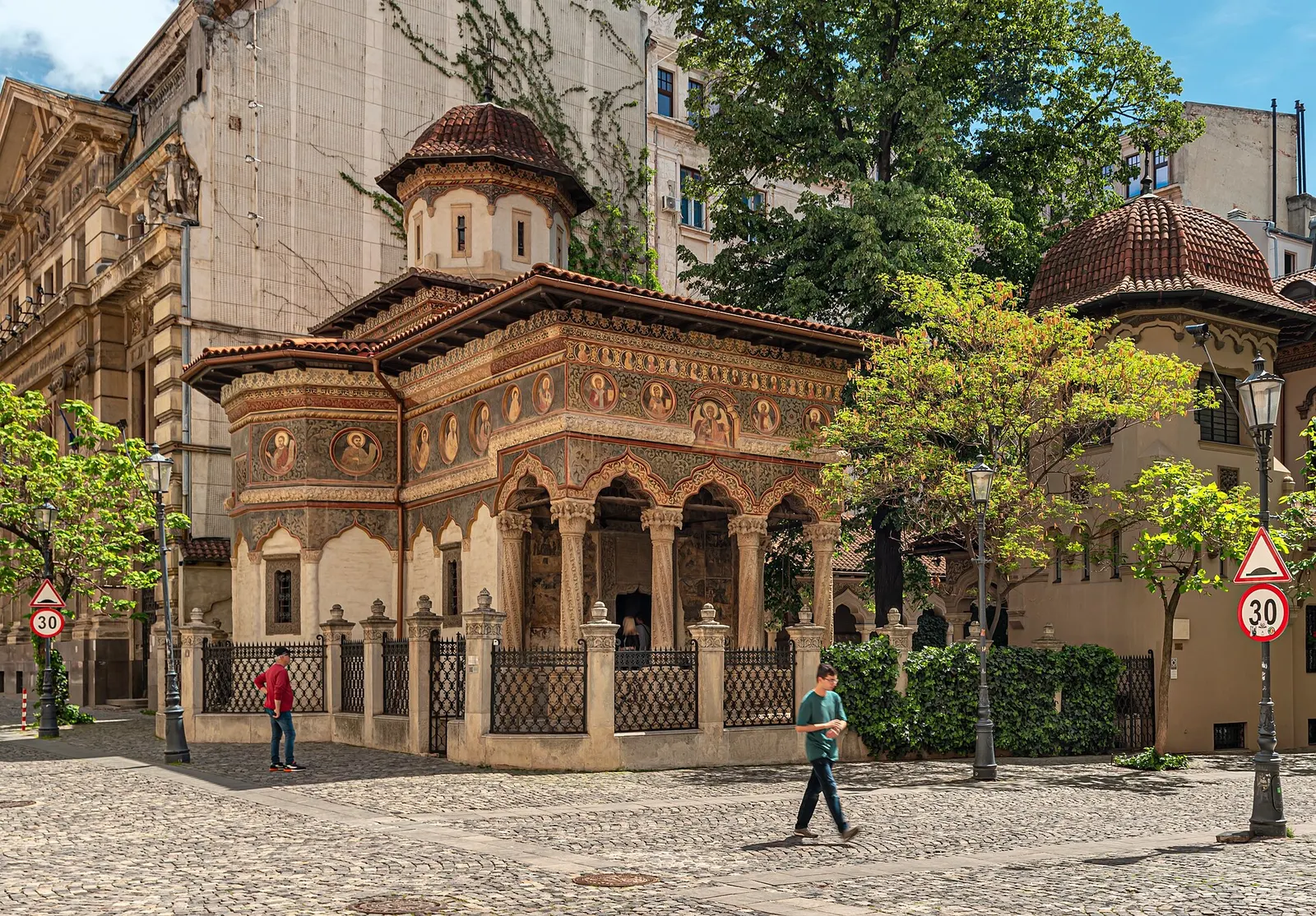
Calea Victoriei borders the Old Town, so a walk along its southern section links naturally with Stavropoleos, Caru' cu Bere and Cișmigiu Gardens. On some summer weekends the avenue is closed to traffic and becomes a pedestrian promenade.