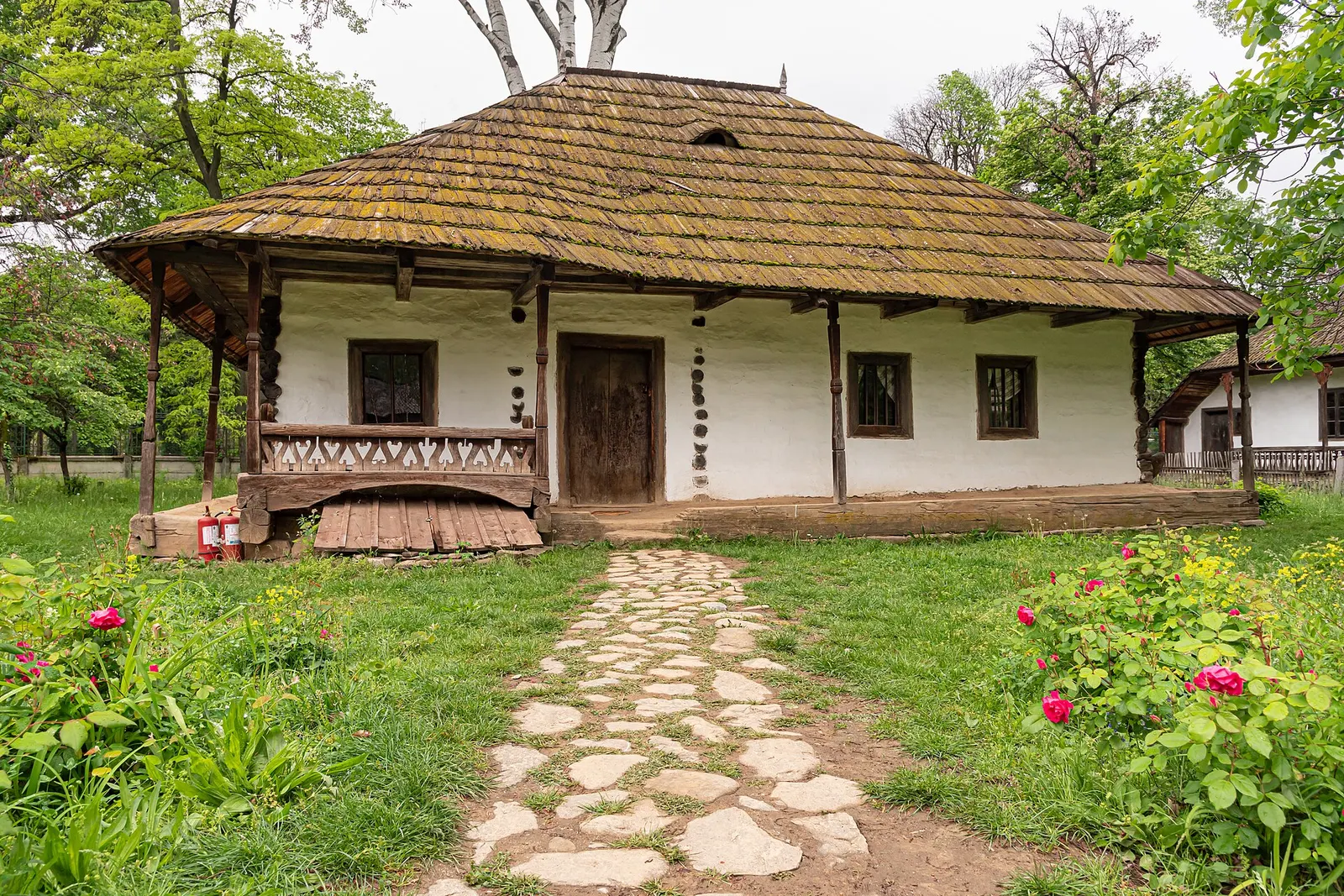
The museum was created under the guidance of the sociologist Dimitrie Gusti, whose research teams studied village life around the country, and it was officially opened on 10 May 1936 in the presence of King Carol II. It has grown considerably since those early years, and its buildings date from the 17th to the 20th centuries.
Paths wind between farmsteads grouped by region, from Maramureș, Transylvania and Banat to Moldavia, Oltenia, Muntenia and Dobruja. Peer into furnished interiors, admire steep-roofed wooden houses, thatched barns, windmills and watermills, and don’t miss the tall wooden church from Dragomirești in Maramureș, which features in the museum’s logo. The museum also hosts craft fairs and demonstrations of traditional skills.
Allow at least a couple of hours to wander: it is a delightful introduction to Romania’s rural traditions without leaving Bucharest.