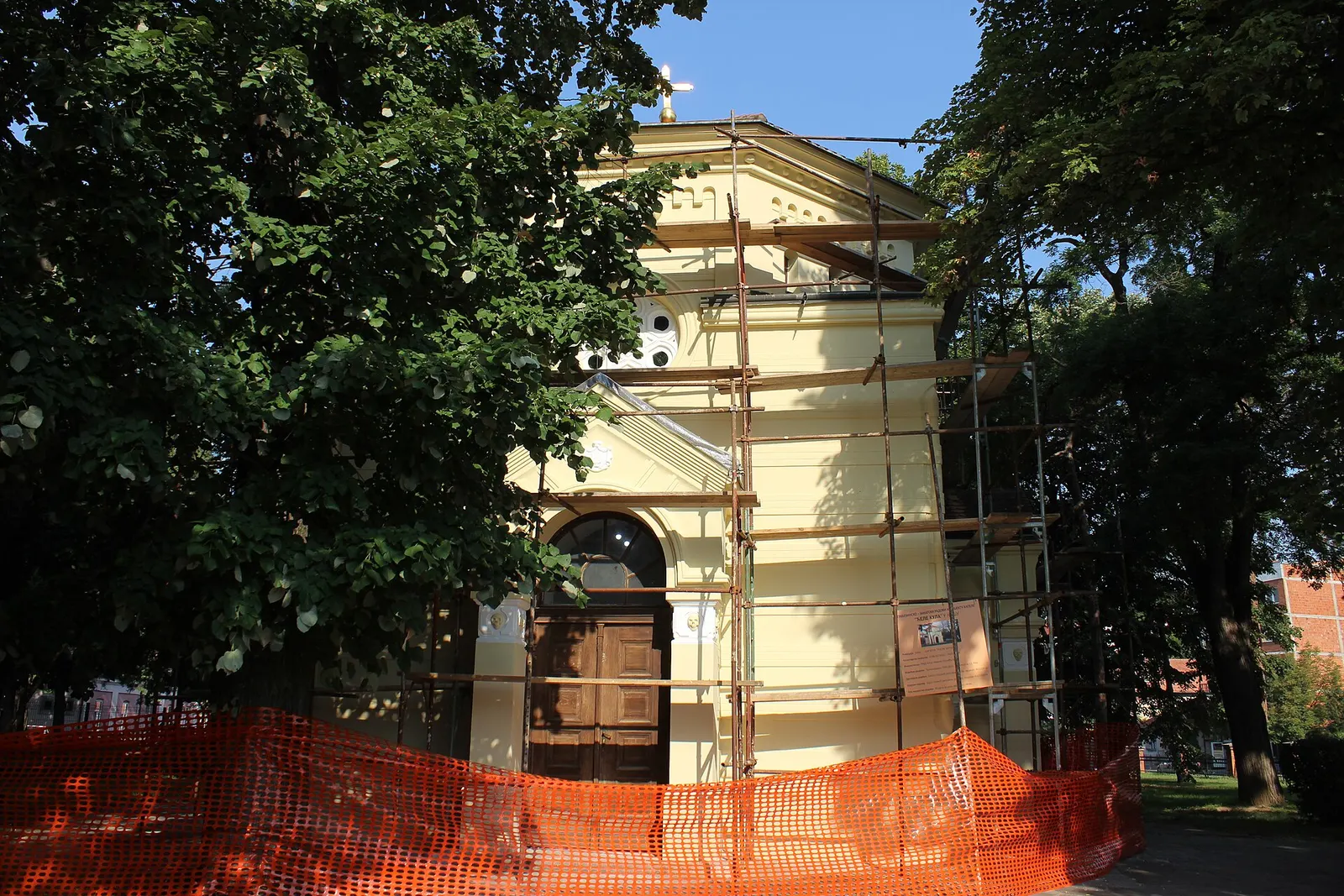
Originally 952 skulls were set into its four sides in 14 rows. Over the years many were lost or taken away, and 58 remain today. After Ottoman rule ended, a chapel was built around the tower in 1892–94, and in 1948 it was declared a Cultural Monument of Exceptional Importance.
Visitors see the tower inside the quiet chapel, where a skull said to be Sinđelić’s is displayed separately. The French poet Alphonse de Lamartine, who visited in 1833, saw it as a cornerstone of Serbian independence, and it remains a powerful symbol of that struggle.