Phoenice flourished in the Hellenistic period, when its walls were strengthened. Around 233 BC it became the seat of the Epirote League, and in 205 BC it gave its name to the Peace of Phoenice, the treaty between Rome and Macedon that ended the First Macedonian War. The city was renovated under Roman rule and became a bishopric in late antiquity, before fading away after the 6th century.
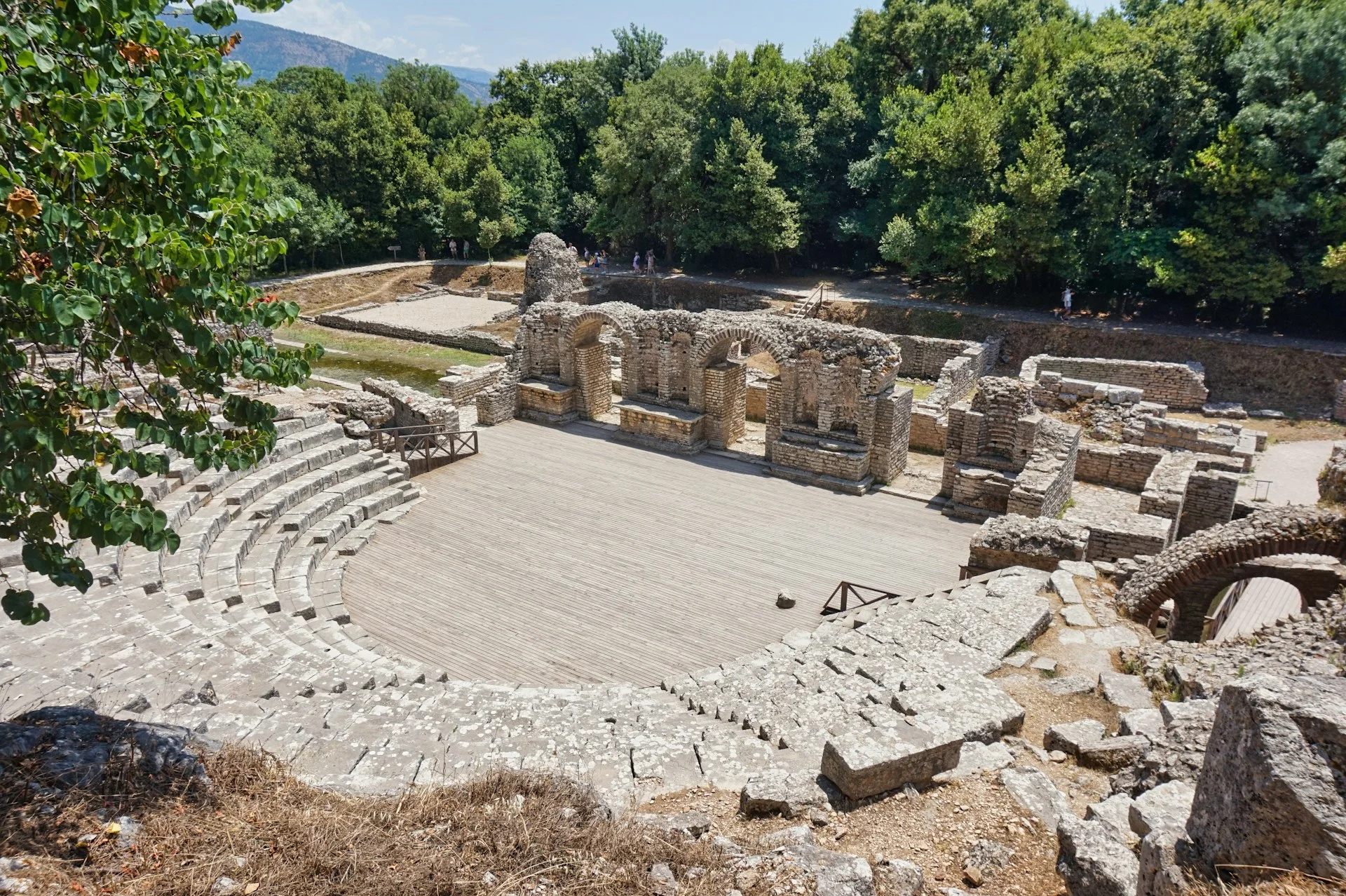
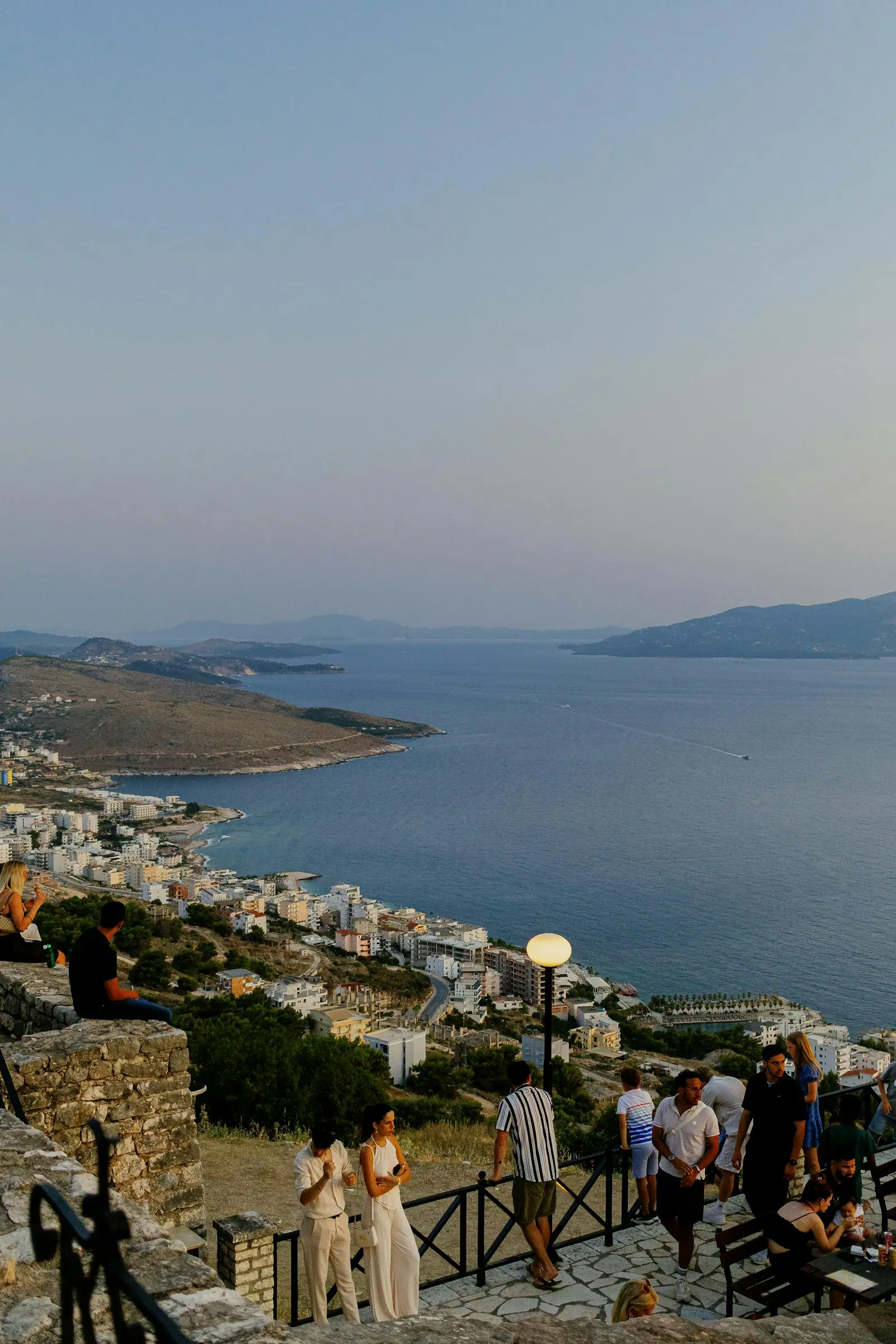
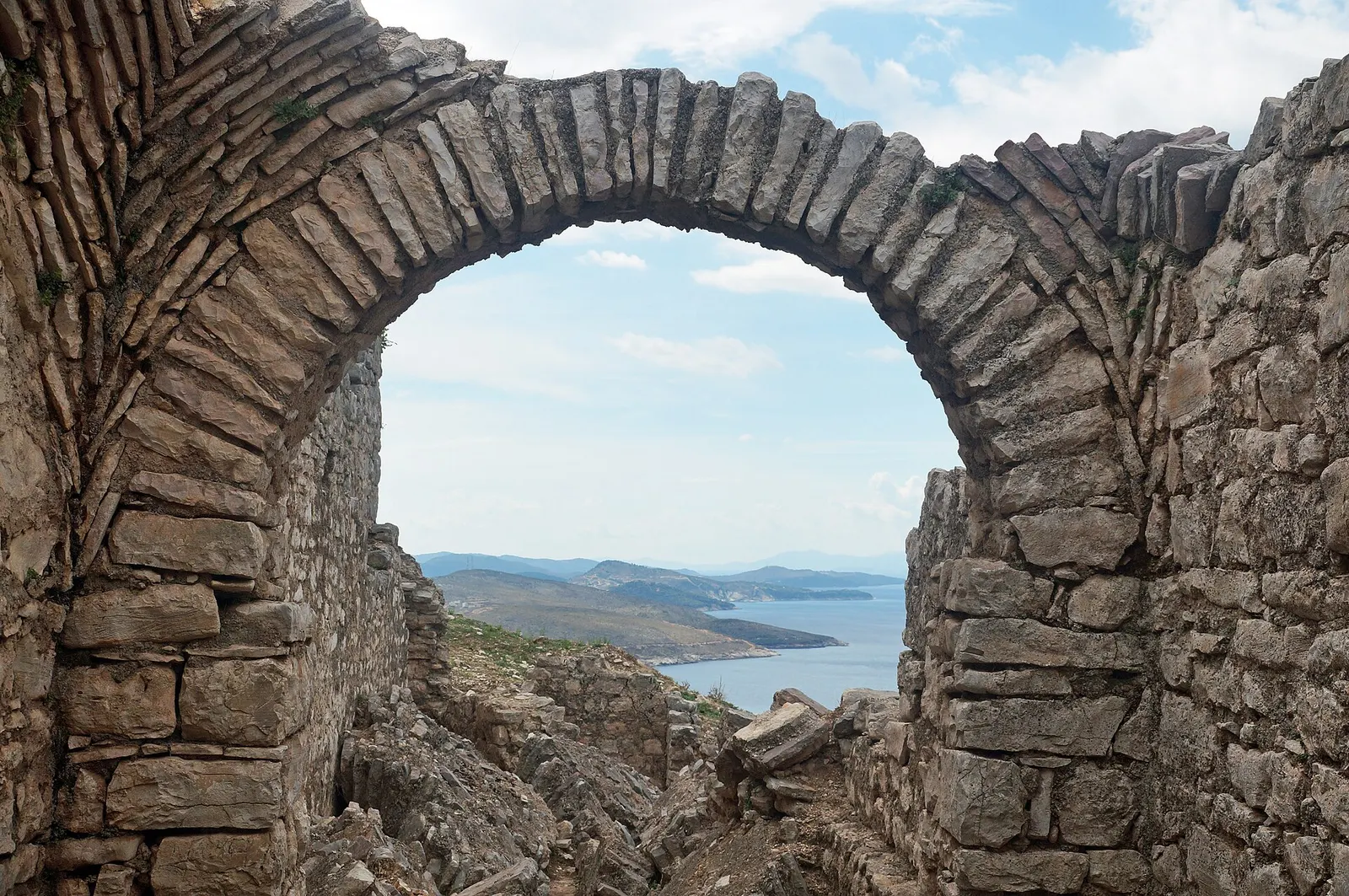
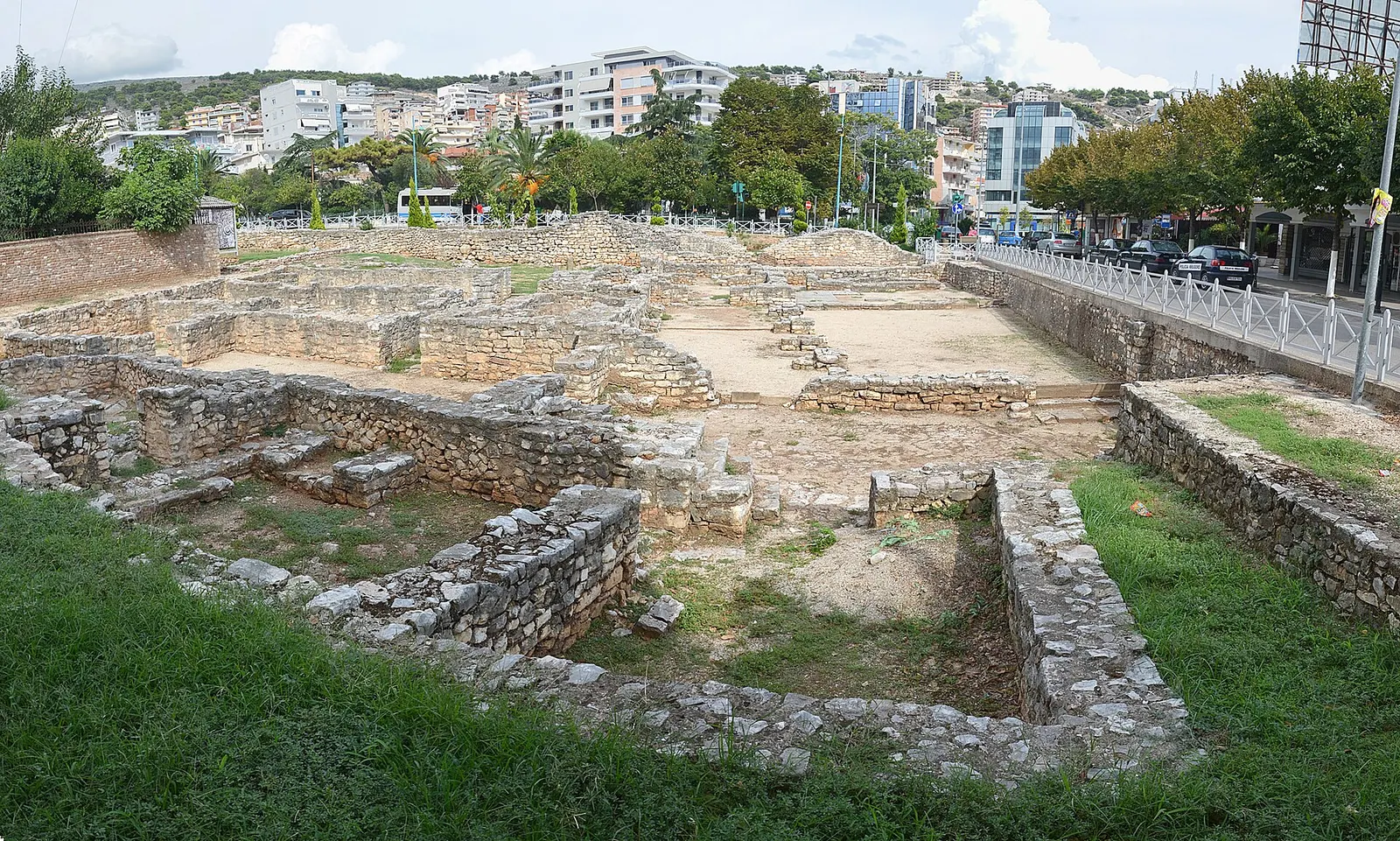
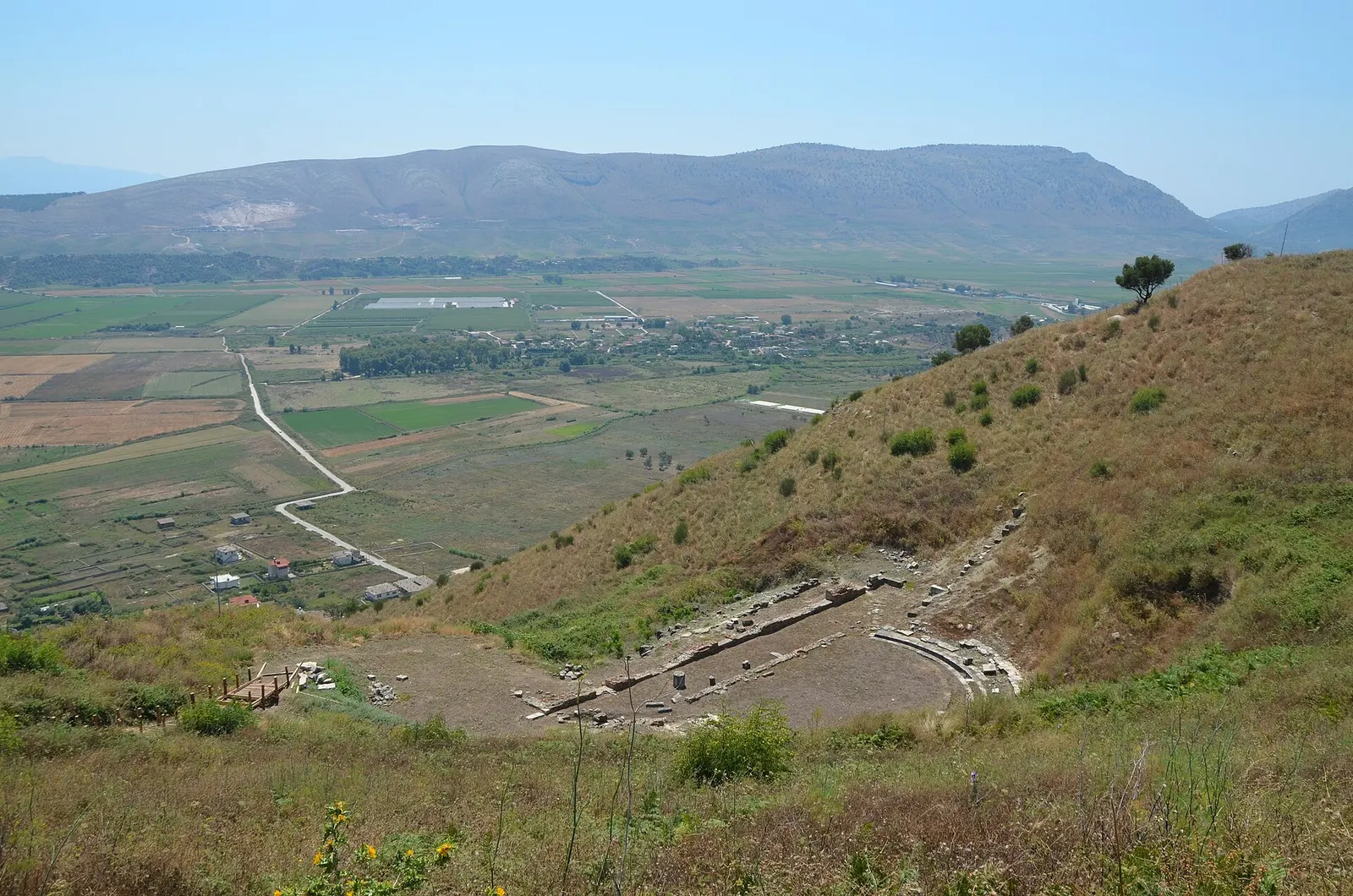
Paths lead past stretches of fortification wall, temples and early Christian remains to the ancient theatre, the best-preserved monument on the site, first built in the 3rd century BC and rebuilt in Roman times. A joint Albanian–Italian mission, run by Tirana’s Institute of Archaeology and the University of Bologna, continues to excavate here, while concrete bunkers from the communist era add an unexpected modern layer. From the ridge there are wide panoramic views over the Vrina plain and the Bistrica valley.
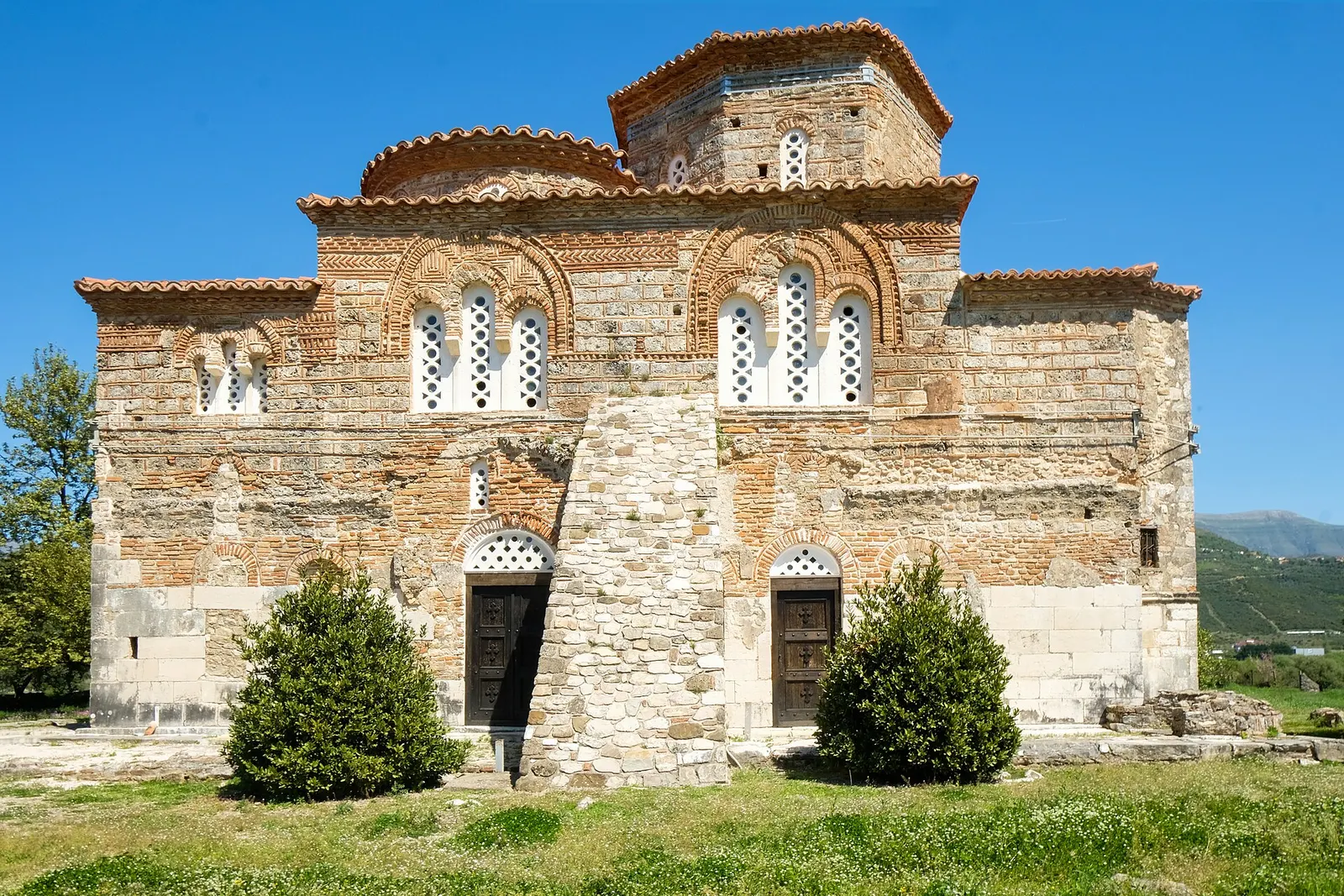
Facilities on site are limited, so bring water and sturdy shoes; spring and autumn are the most pleasant seasons to explore. A visit pairs naturally with nearby Butrint or the Mesopotam Monastery.