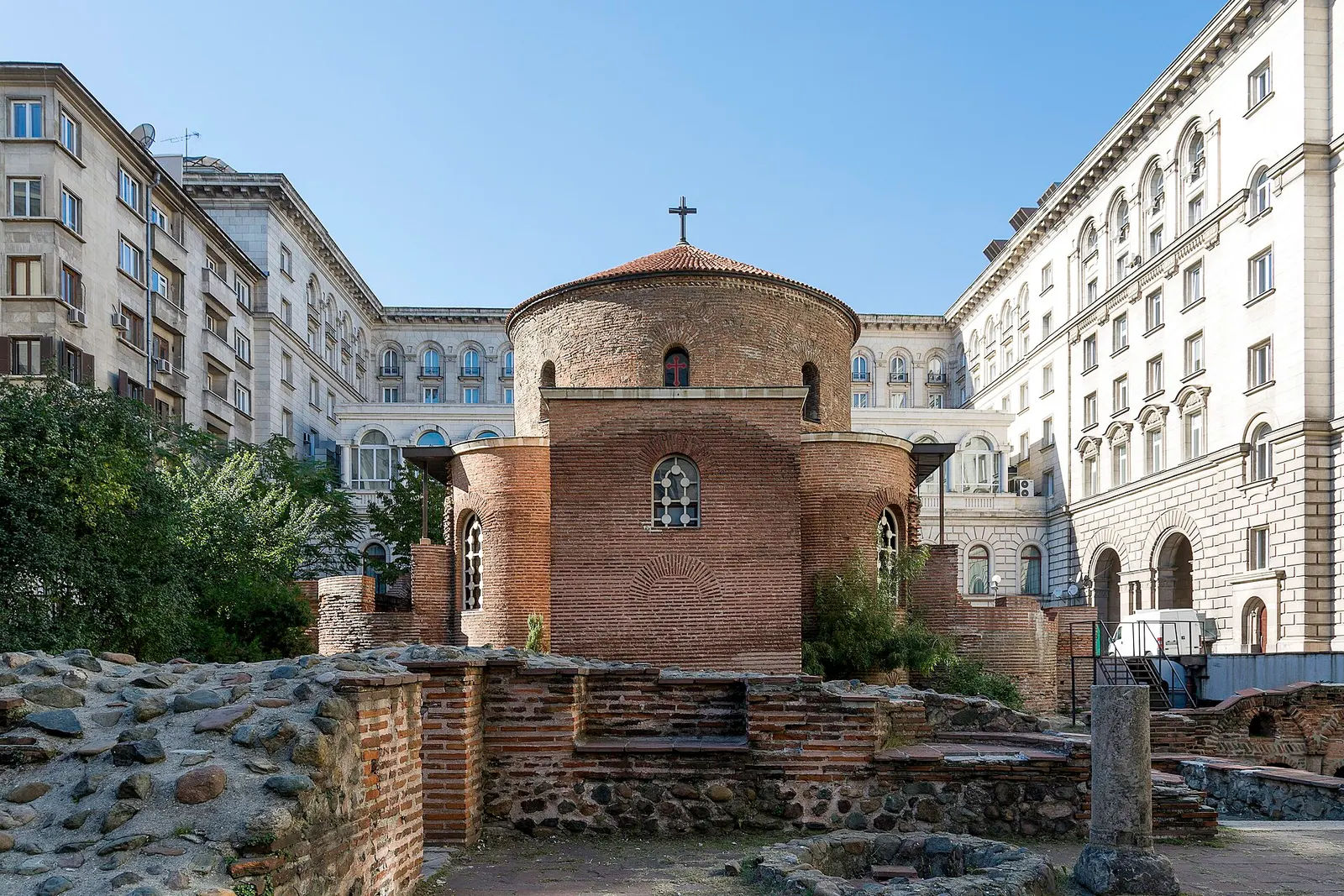
The rotunda dates from the time when Serdica, as Sofia was then known, was an important Roman city where the emperors Galerius and Constantine the Great resided. Its original purpose is still debated, but it later became a church. In the 16th century, under Ottoman rule, it was converted into a mosque and its paintings were covered over, to be uncovered and restored only in the 20th century.
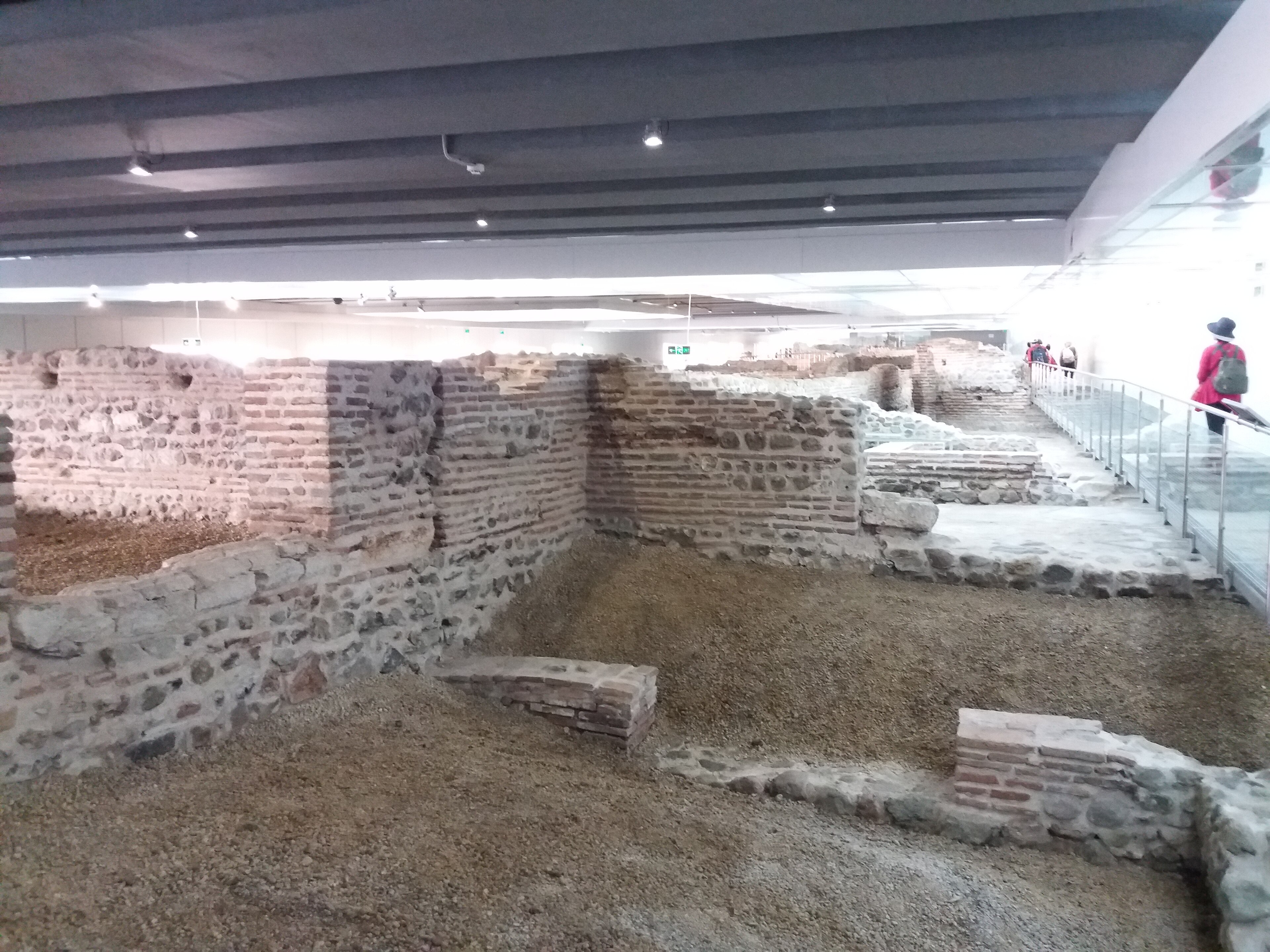
Inside, the dome is decorated with layers of medieval frescoes dating from the 10th to the 14th centuries. At its centre Christ Pantocrator looks down, surrounded by angels and a frieze of 22 prophets. Outside, behind the apse, lie the excavated ruins of ancient Serdica, including a section of Roman street with its drainage and the foundations of other buildings. The rotunda is still a working Orthodox church, so dress respectfully and keep your voice low during services.
Small but remarkable, the rotunda packs some 1,700 years of Sofia’s history into a single domed hall.