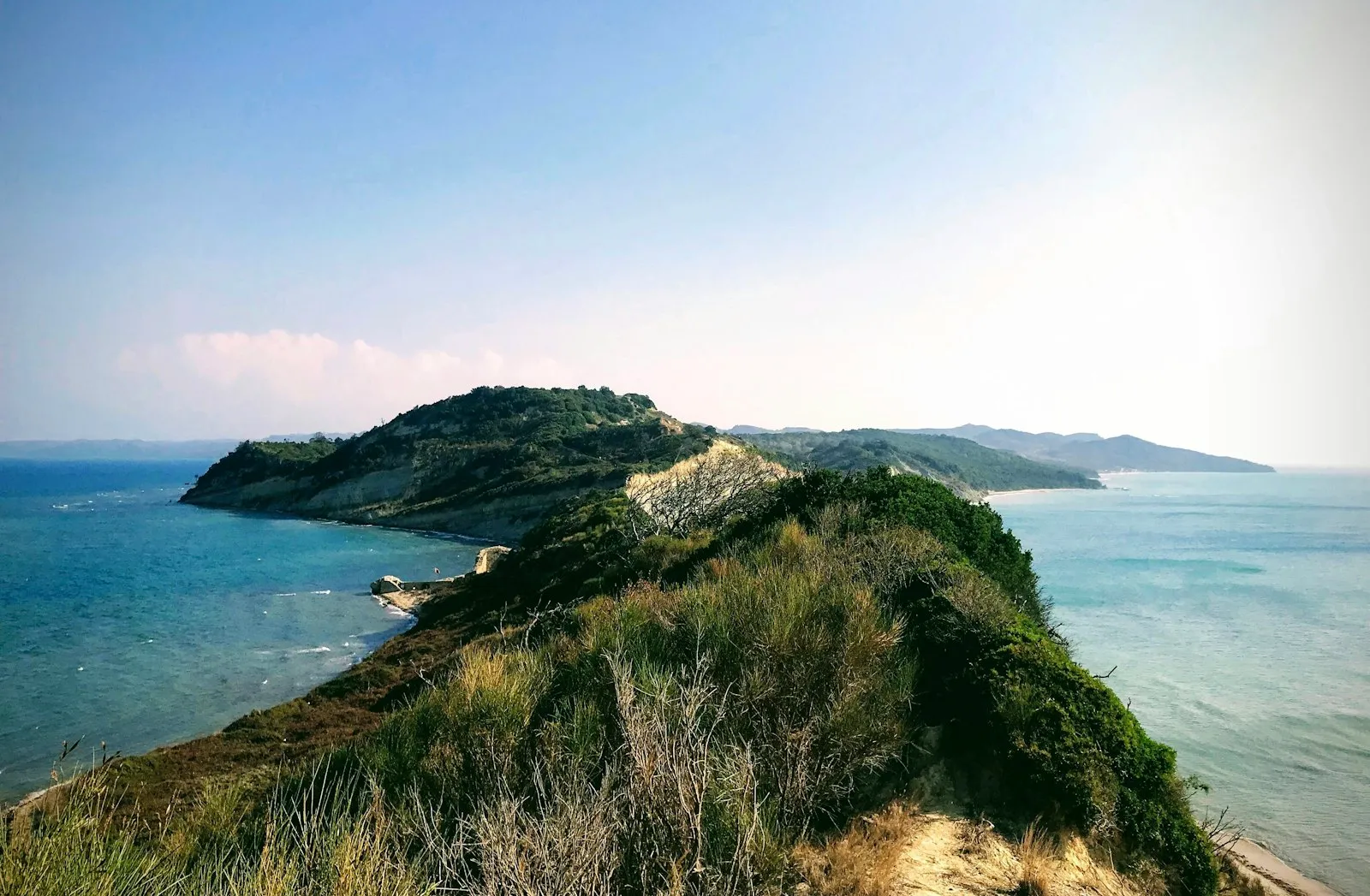
For Albania, pack light layers, comfortable shoes with good grip for cobbled old towns, sun protection, swimwear and water shoes for pebbly beaches, and a waterproof jacket outside high summer. Bring a Type C or F plug adapter (Albania uses 230V), a mix of card and cash in lek, and a scarf or cover-up for mosques and churches.
The rest depends on when you travel and what you plan to do. The coast can be baking in August while mountain nights stay cool, and winter brings rain to the lowlands and snow to the peaks. Use this checklist to pack by season and by trip type.
Essentials for any season
- Documents: a passport or ID card valid for your trip (check the current entry rules for your nationality), travel insurance details and copies of your bookings.
- Plug adapter: sockets are Type C and F, the round two-pin European plugs, at 230V and 50Hz.
- Money: a debit or credit card plus some cash in lek.
- Phone: Albania is not in the EU, so check roaming charges or plan to buy a local SIM or eSIM.
- Daypack and reusable water bottle for days out.
- A light scarf or shawl: useful for religious sites, strong sun and chilly air conditioning.
- Medicines: prescriptions in their original packaging, plus basics such as painkillers, plasters and motion-sickness tablets for winding roads.
- Power bank and earplugs for long journeys and lively towns.
Packing by season
Albania’s weather varies more than its size suggests, so check the forecast for each region you will visit. For month-by-month conditions, see our guide to the best time to visit Albania.
Spring (March to May)
Days are mild to warm in the lowlands, nights can be cool and showers are common, especially early in the season. Pack layers, a light waterproof, a fleece and comfortable walking shoes. Snow lingers on high mountain passes into late spring, and most swimmers find the sea too cool until late May or June.
Summer (June to August)
Expect heat: lowland temperatures often climb above 30°C in July and August. Pack breathable cotton or linen, a sun hat, sunglasses, high-factor sun cream, swimwear, a quick-dry towel and insect repellent for evenings near lagoons and lakes. Add a light jumper for mountain evenings and air-conditioned buses.
Autumn (September to November)
September often still feels like summer and the sea stays warm, so keep your beach kit. From October, bring layers and a proper waterproof, as rain becomes more frequent as autumn goes on, especially in the north. Mountain nights turn cold, so hikers need a warm layer and a hat.
Winter (December to February)
The coast is mild but often wet, while inland towns such as Korçë and the mountains see frost and snow. Pack a warm waterproof coat, waterproof shoes or boots, and gloves and a hat if you are heading inland. Heating can be patchy in older buildings, so warm layers for indoors help. Many beach businesses close for the season, which makes winter best for cities, old towns and food.
Packing by trip type
Beach and Riviera
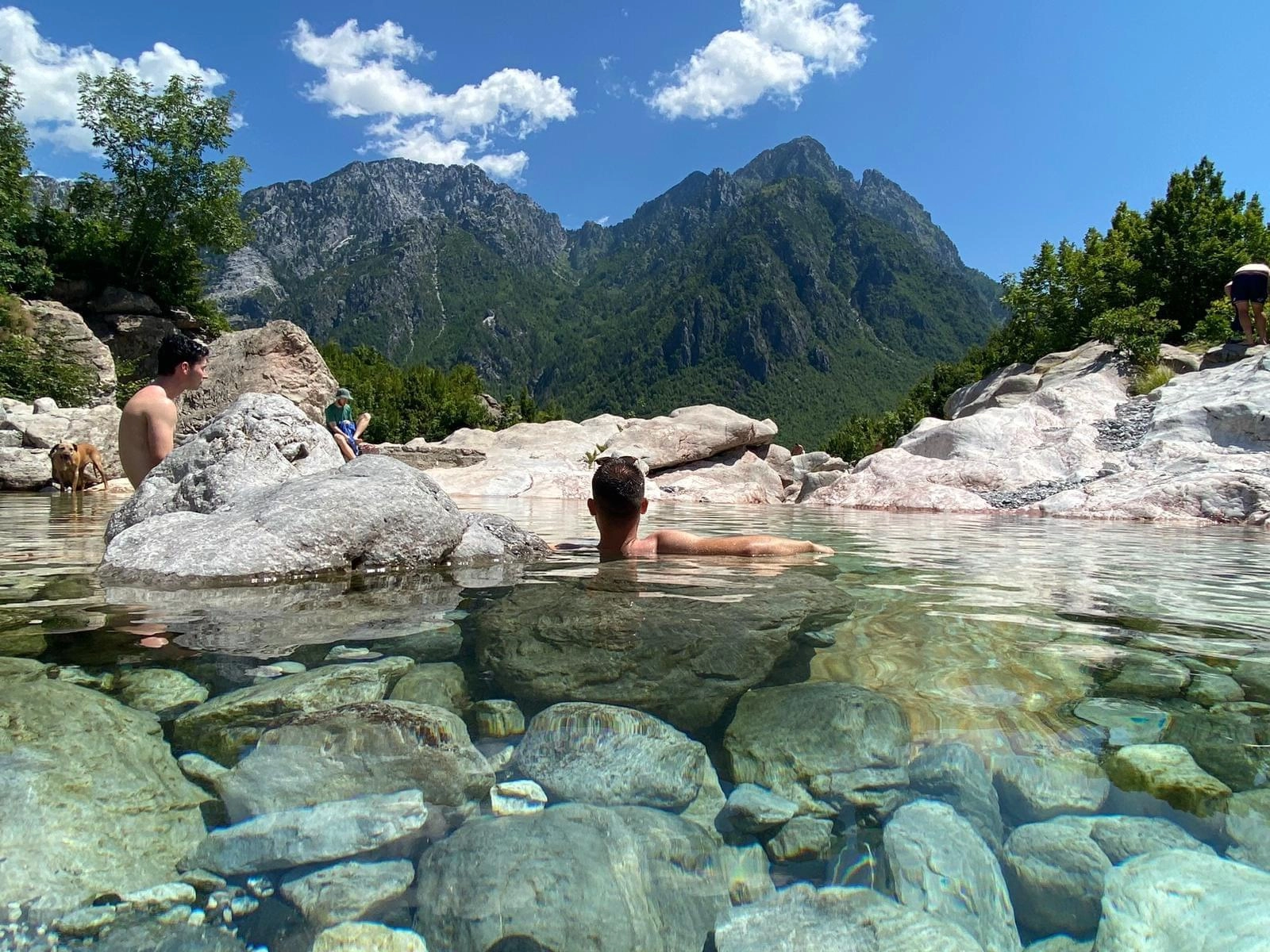
- Water shoes for pebble beaches and rocky coves, where you may meet the odd sea urchin
- A snorkel mask for clear Ionian water, such as around the islands off Ksamil
- A cover-up for walking through towns and villages
- A dry bag for boat trips
Mountains and hiking
- Broken-in hiking boots or trail shoes with good grip
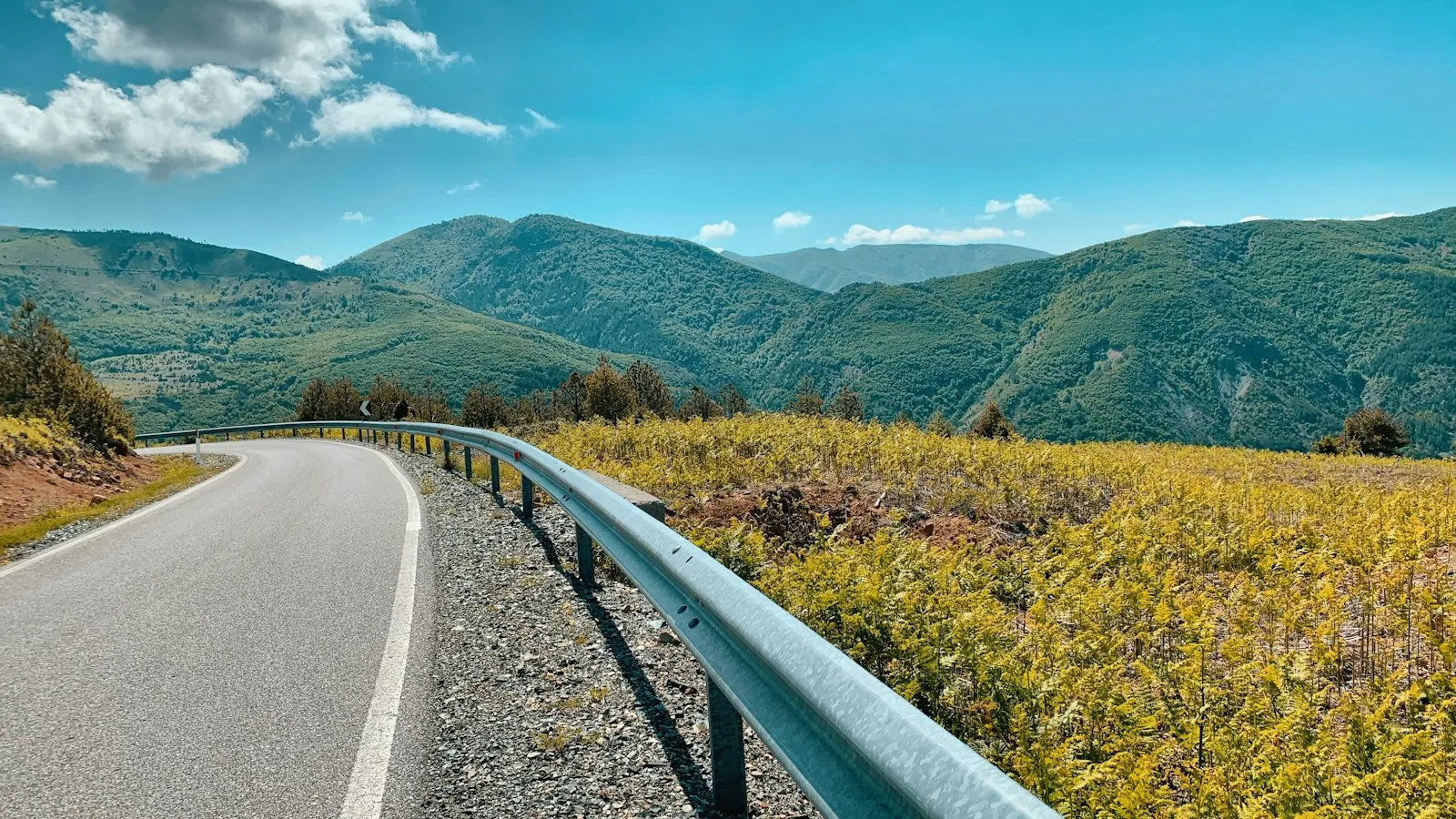
- A waterproof jacket and warm mid-layer, even in summer
- Trekking poles for steep descents such as the Valbona–Theth pass
- A head torch, blister kit and offline maps
- Cash for guesthouses, where cards are not always accepted
Cities and old towns
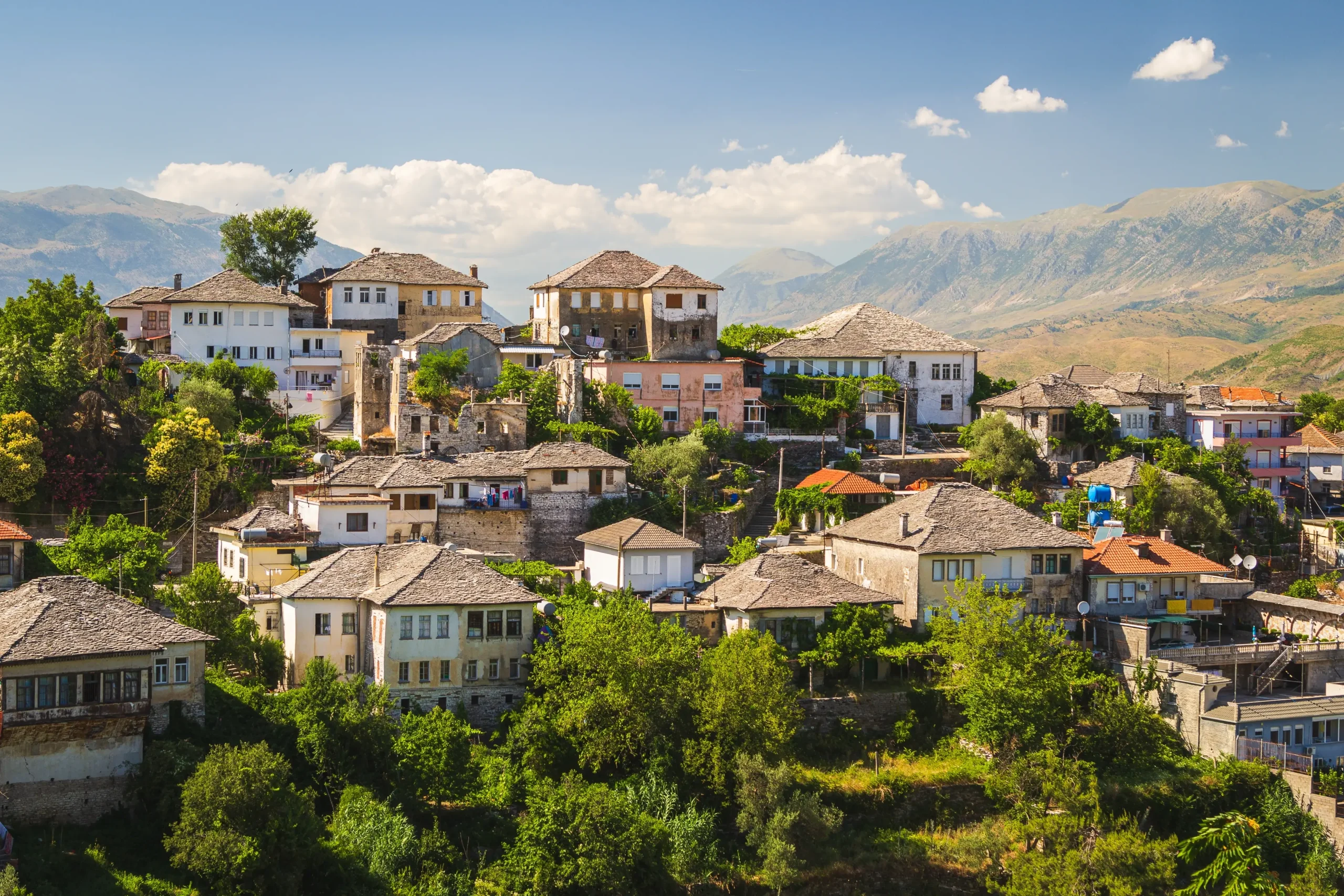
- Shoes with grippy soles: the polished stone lanes around Gjirokastër’s bazaar and in Berat can be slippery, especially after rain
- One smart-casual outfit, as Albanians dress up for dinner and the evening stroll
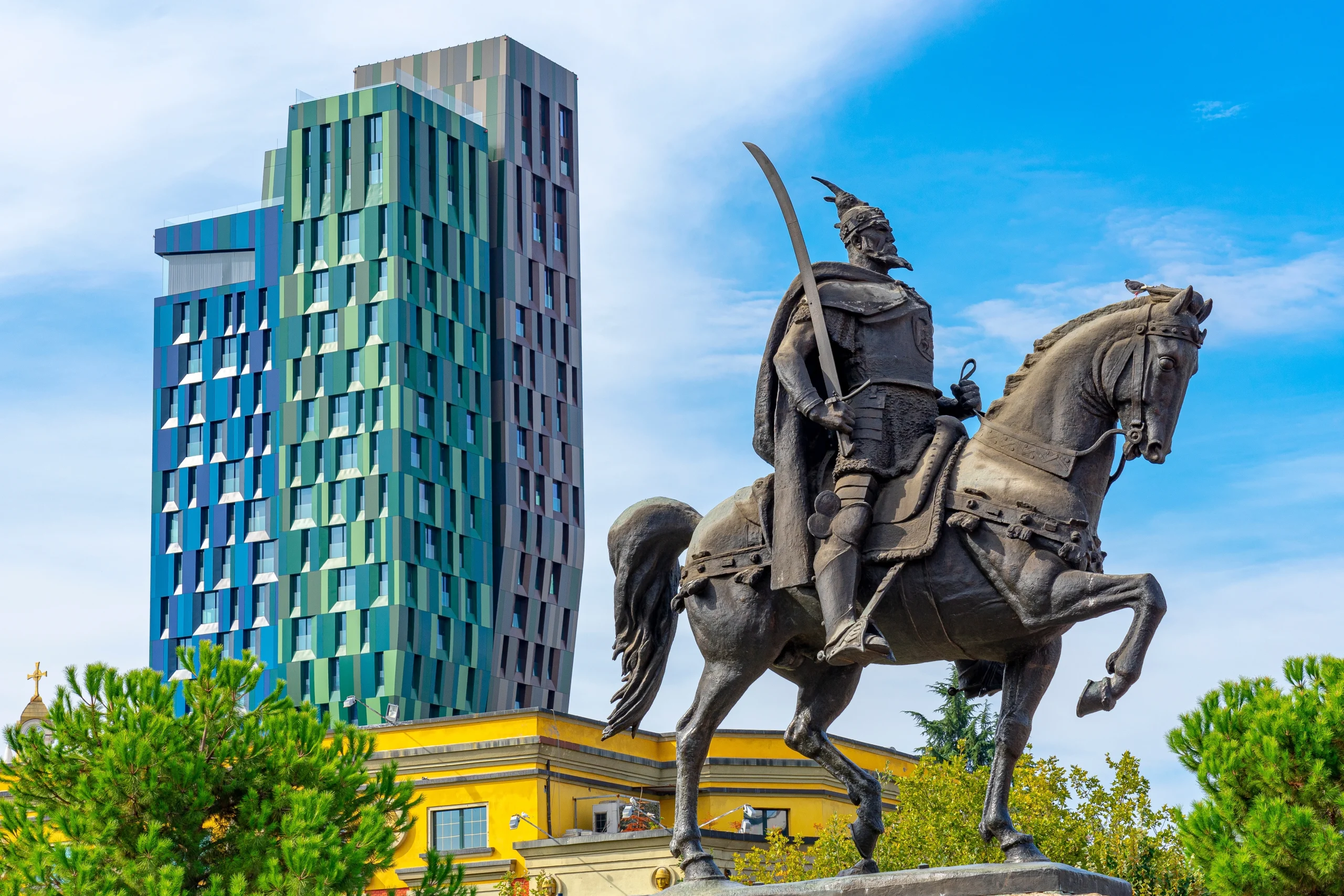
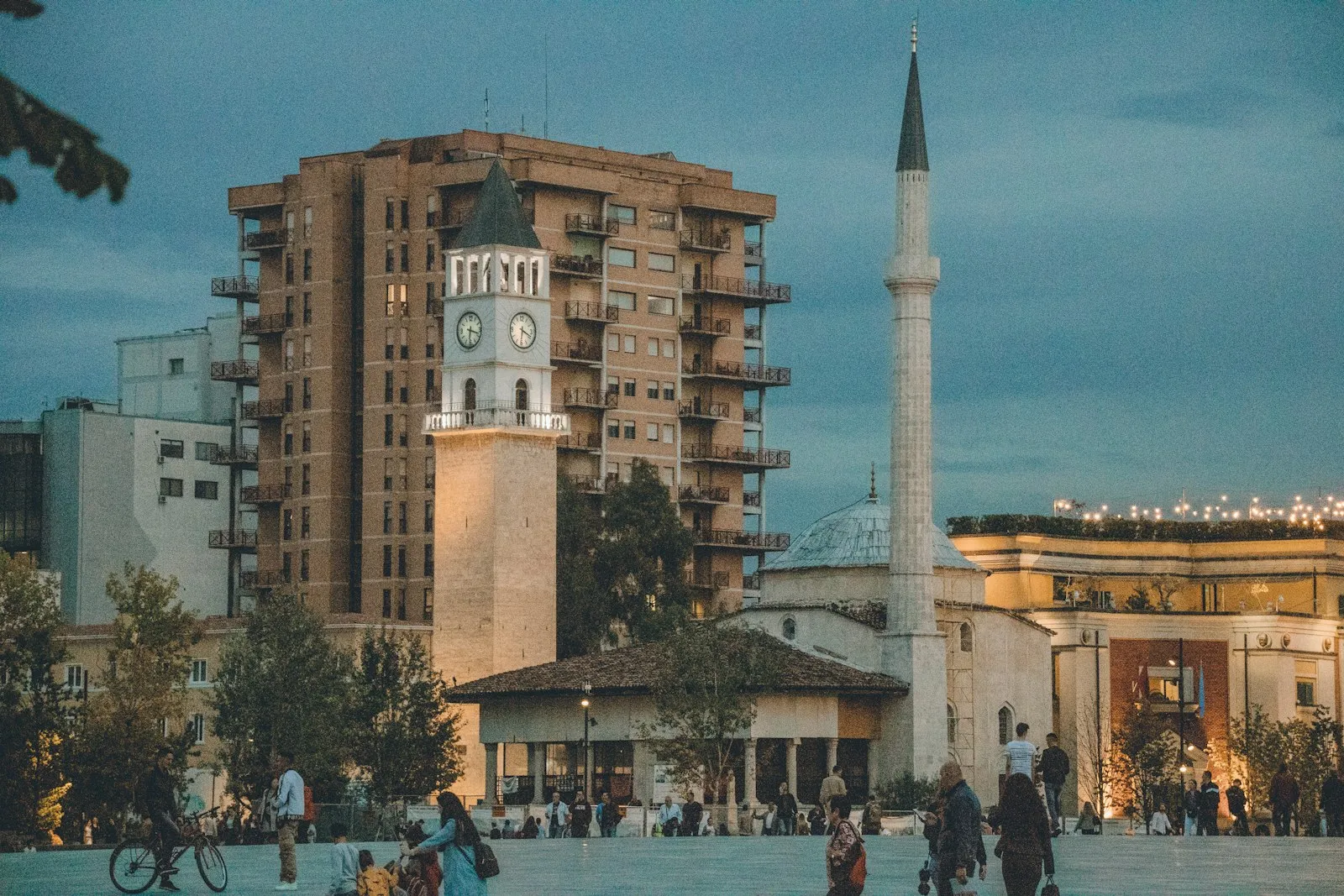
- Clothes that cover shoulders and knees for mosques and churches, such as Tirana’s Et’hem Bey Mosque
Cash, cards and money matters
The currency is the Albanian lek. Cards are accepted in most hotels, supermarkets and many city restaurants, but cash is still king in small cafés, bakeries, markets, furgons and village guesthouses. ATMs are easy to find in towns but scarce in remote valleys, so withdraw what you need before heading into the mountains.
Euros are sometimes accepted in tourist areas, but prices and change are usually in lek and the exchange rate rarely favours you. Some people also quote prices in “old lek”, with an extra zero. Our guide to the Albanian lek explains how it all works.
Packing for a guided tour
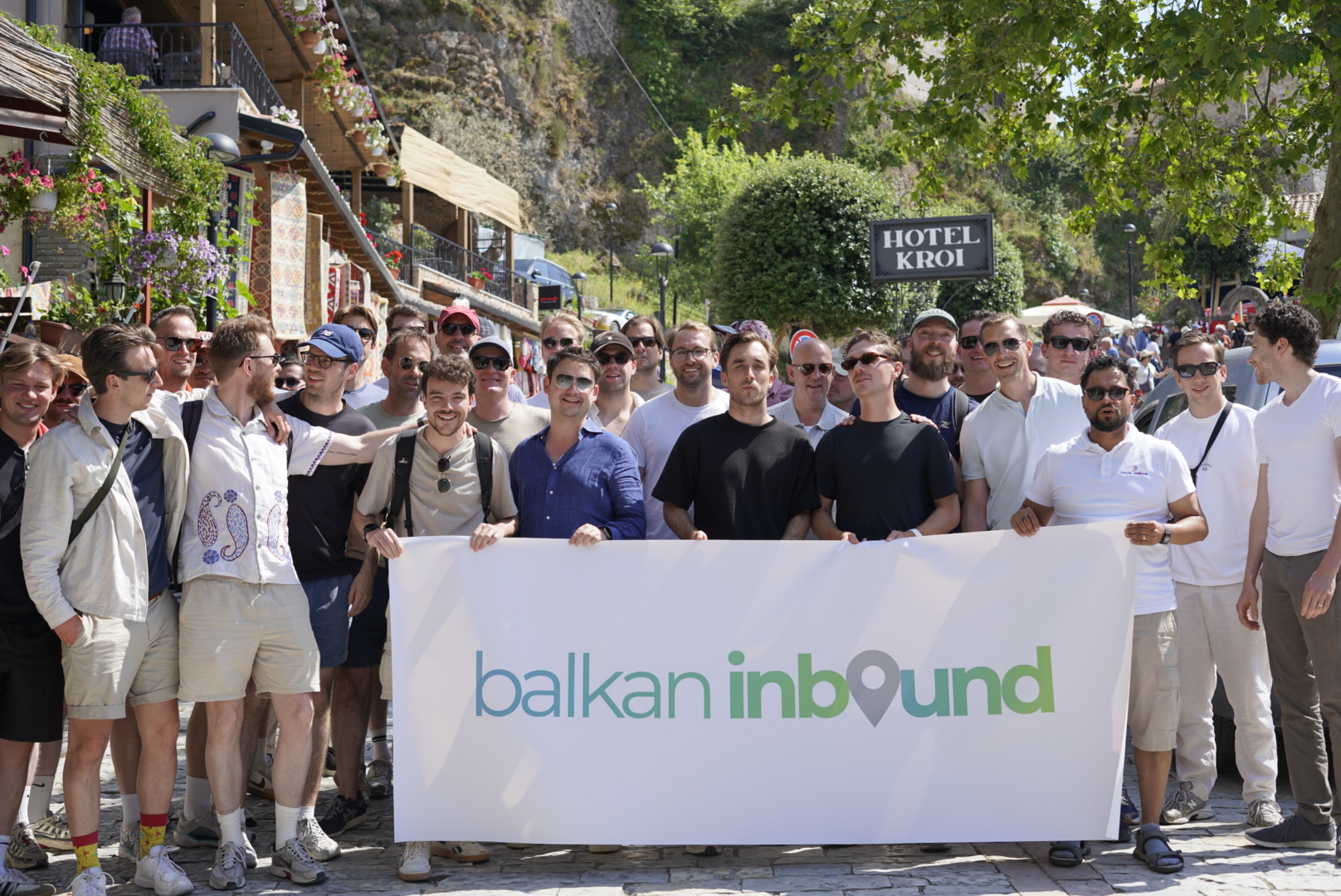
If you are joining a group or private tour, pack a little lighter still. A medium suitcase plus a daypack is easier to load in and out of vehicles each day, but check the luggage guidance for your tour, especially if it includes mountain guesthouses or boat transfers. Keep the day’s essentials in your daypack: water, sun cream, a warm layer, swimwear in summer and some small notes in lek for coffee stops and tips. Comfortable shoes matter more than you might think, as most days mix sightseeing on foot with time on the road.
What to leave at home
- Too many clothes: laundry is easy to arrange, and you will want space for olive oil, honey and mountain tea.
- Expensive jewellery and valuables you would hate to lose.
- A heavy suitcase with small wheels, which struggles on cobbles and stairs; a backpack or sturdy wheeled bag is better.
- A drone, unless you have checked Albania’s current rules and any permits required.
Frequently asked questions
What plug type does Albania use?
Albania uses Type C and Type F sockets, the round two-pin plugs found across most of continental Europe, with a 230V, 50Hz supply. Visitors from the UK, Ireland and North America need a plug adapter. Most modern phone, camera and laptop chargers accept 100–240V, but check the label on hairdryers, straighteners and other older appliances before plugging them in.
What should I wear in Albania?
Casual, comfortable clothes are fine almost everywhere. Albanians tend to dress neatly, especially in Tirana and for evenings out, so pack at least one smart-casual outfit. Keep beachwear for the beach and cover up in town. At mosques and churches, cover your shoulders and knees, and in villages dress a little more conservatively as a sign of respect.
Do I need hiking boots for Albania?
If you plan to hike in the Albanian Alps, on routes such as Theth to Valbona, sturdy, broken-in boots or trail shoes with good grip are essential, as paths are rocky and steep. For city sightseeing and short walks, comfortable trainers with good soles are enough. Avoid smooth-soled sandals in old towns, where polished stone lanes can be slippery.
Should I bring cash or card to Albania?
Bring both. Cards work in most hotels, supermarkets and many city restaurants, but cash in lek is needed for small cafés, markets, furgons, village guesthouses and some smaller sights. ATMs are common in towns, so you do not need to carry large amounts, but withdraw enough before visiting remote mountain areas, and let your bank know you are travelling.
Is it cold in Albania in winter?
It depends where you are. The coast and lowlands are mild, with winter averages of around 8°C, but often wet, while inland towns such as Korçë and the mountains are much colder, with frost and snow. Pack a warm waterproof coat, layers and waterproof shoes, and expect heating to be patchy in older buildings and village guesthouses.
Heading for the mountains? Our Albania 6 Day Hike Tour includes accommodation, meals, transport and an English-speaking guide in the Alps, or browse our confirmed departures to join a group on fixed dates.