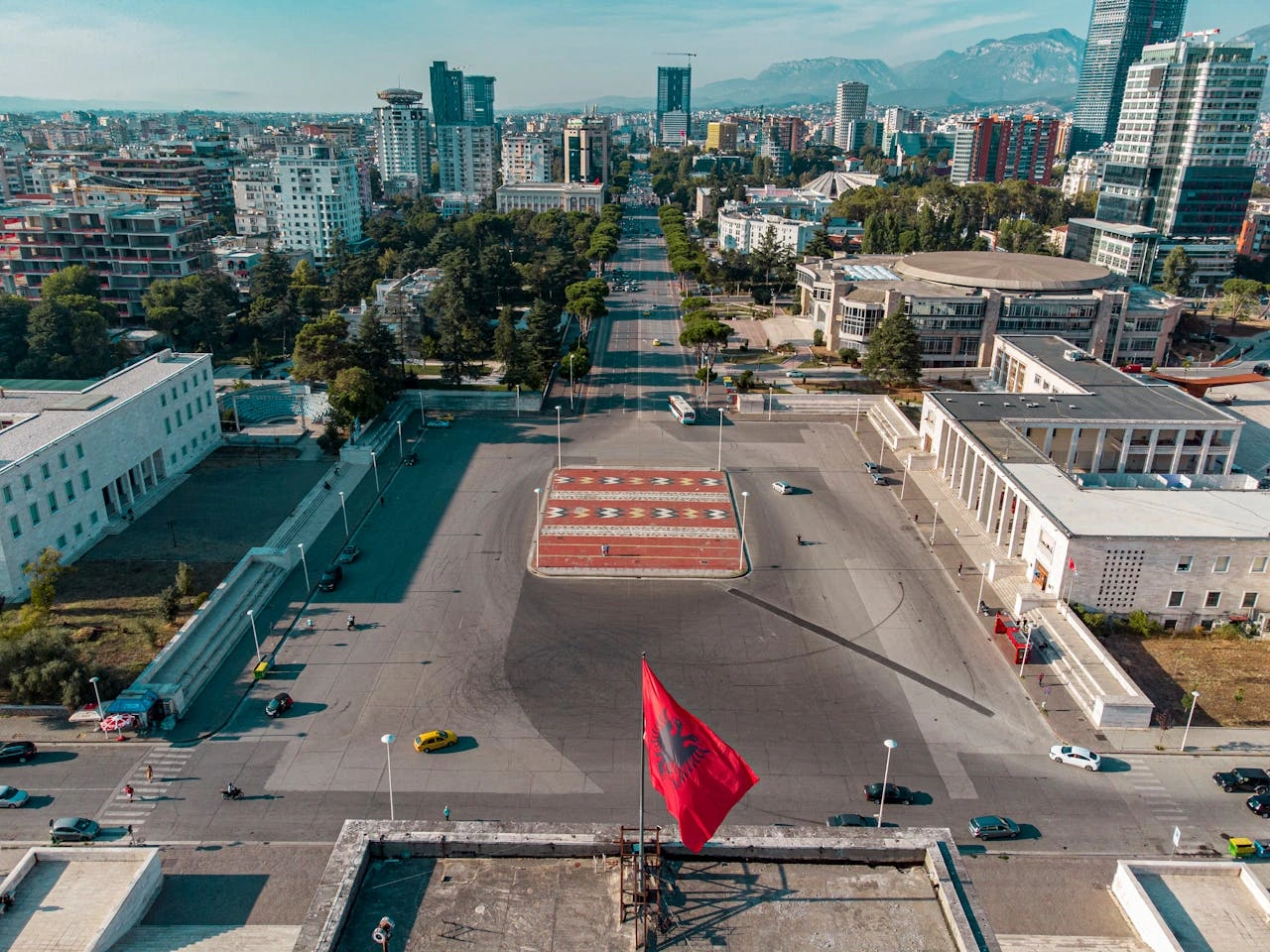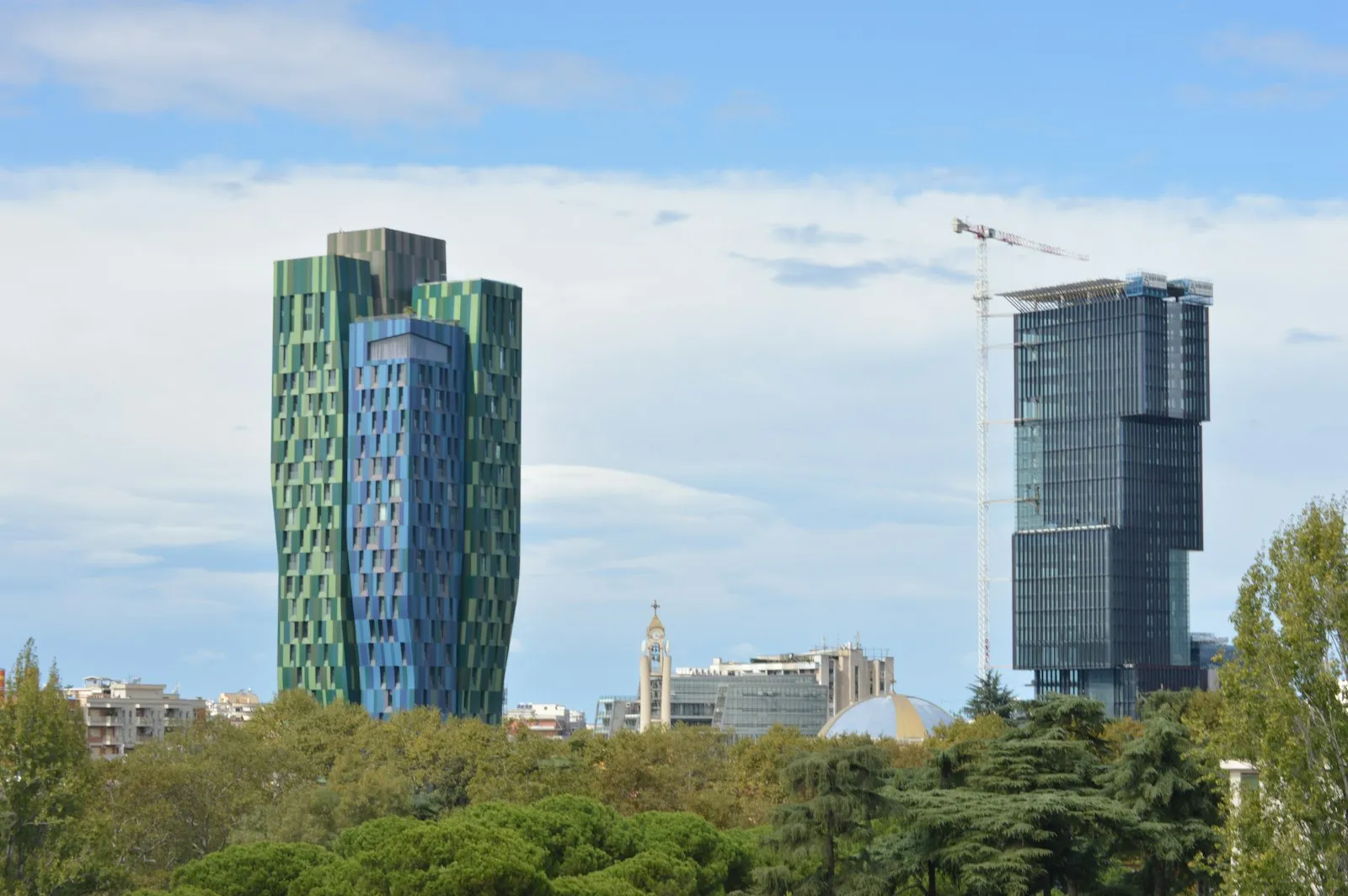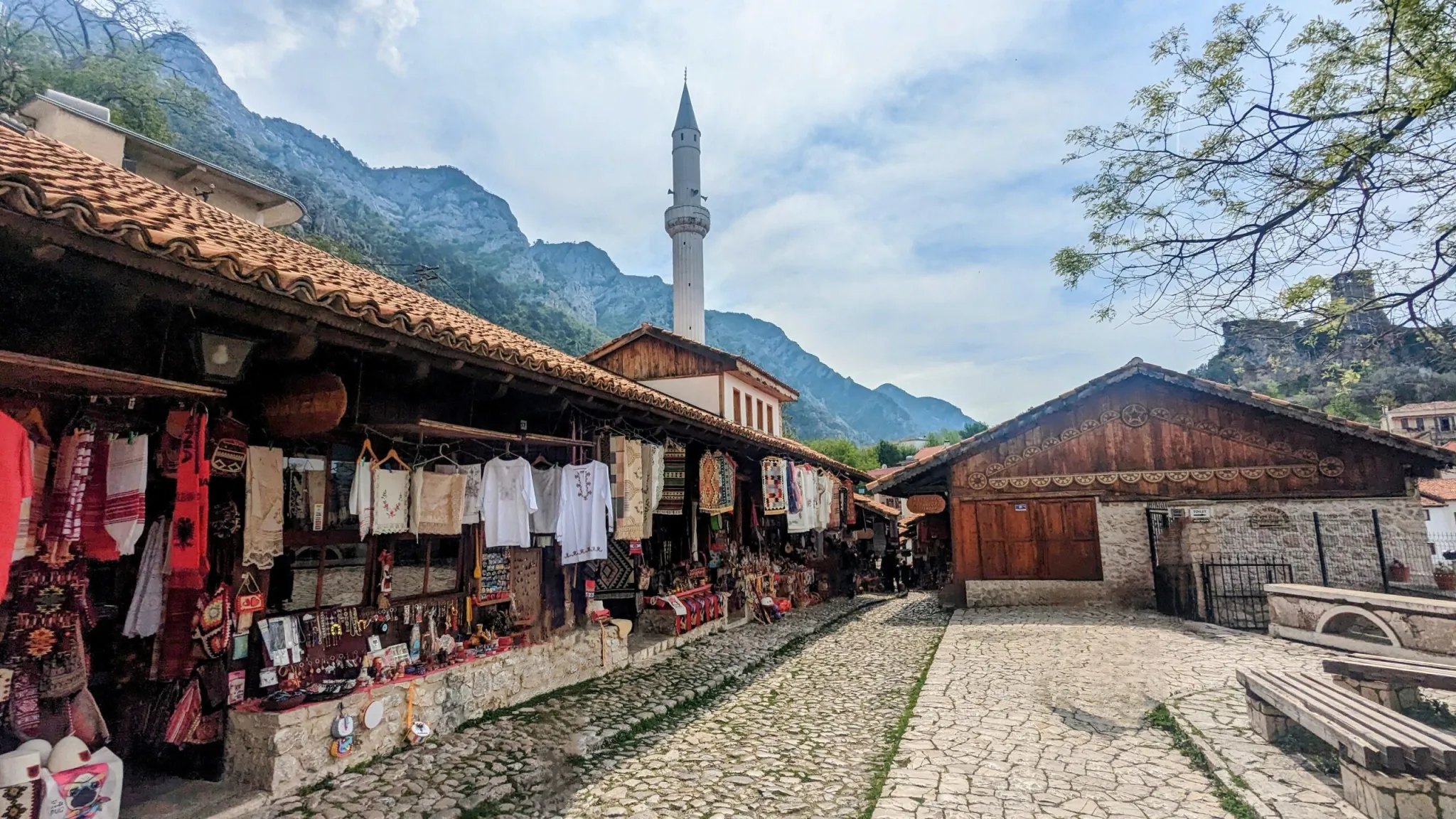
These Albania travel tips cover the 25 things first-time visitors most often wish they had known before arriving, from cash and buses to coffee culture and mountain roads. In short: carry some cash in lek, allow more time than maps suggest for journeys, dress modestly in religious sites, and expect warm hospitality almost everywhere you go. Albania is easy and rewarding to travel once you understand a few local habits.
The tips below are grouped by theme so you can jump straight to what matters for your trip. Where details such as prices, timetables or rules can change, we say so; always check locally before you rely on them.
At a glance
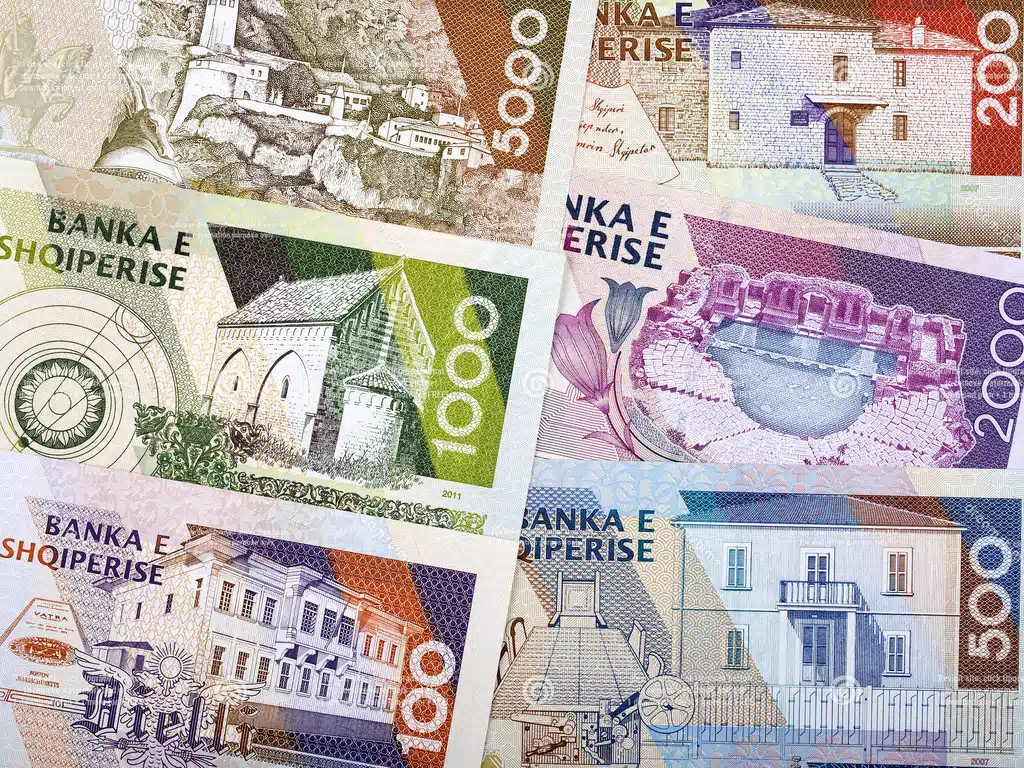
- Currency: Albanian lek (ALL); euros are accepted in some tourist places, but not everywhere.
- Language: Albanian; English is common among younger people and in tourism, Italian is widely understood.
- Plugs: European two-pin sockets (Type C/F), 230V.
- Main airport: Tirana International Airport (TIA), near Rinas.
- Driving side: right.
- Best for: beaches, mountains, Ottoman-era towns, archaeology and good-value food.
Money tips for Albania
1. Carry cash in lek
Cards are accepted in many hotels, larger restaurants and supermarkets, especially in Tirana and the coastal resorts, but small cafés, family guesthouses, village restaurants, buses and market stalls often work in cash only. Keep a mix of small notes and coins. Our guide to money in Albania: ATMs, cards and tipping goes into more detail.
2. Use bank ATMs and decline conversion
ATMs are easy to find in towns and cities, but rarer in remote villages, so withdraw before heading into the mountains. If a machine offers to charge you in your home currency, choose to be charged in lek instead; the offered conversion rate is usually less favourable. Fees vary by bank, so check what your own card charges.
3. Euros work sometimes, lek works always
Some hotels and tour businesses quote prices in euros, and in busy beach areas you may be able to pay in euros. However, the exchange rate applied at the till is not always fair, and change is often given in lek. Paying in the local currency is simpler.
4. Tipping is appreciated, not mandatory
Rounding up the bill or leaving around 10% in restaurants for good service is a common, friendly gesture. Tipping guides and drivers on tours is also customary if you were happy with the service. There is no fixed rule, so tip what feels right.
5. Albania is good value, but not uniformly cheap
Food, coffee and public transport are generally affordable, while beachfront accommodation in peak summer on the Riviera can cost noticeably more. For realistic budgeting, read our guide to costs and tips for affordable travel in Albania.
Transport and getting around
6. Journeys take longer than the map suggests
Distances look short, but mountain roads, winding coastal stretches, roadworks and village traffic slow you down. A trip that looks like an hour on paper can easily take two. Build slack into your itinerary and avoid scheduling long drives after dark.
7. Buses and furgons are flexible, not formal
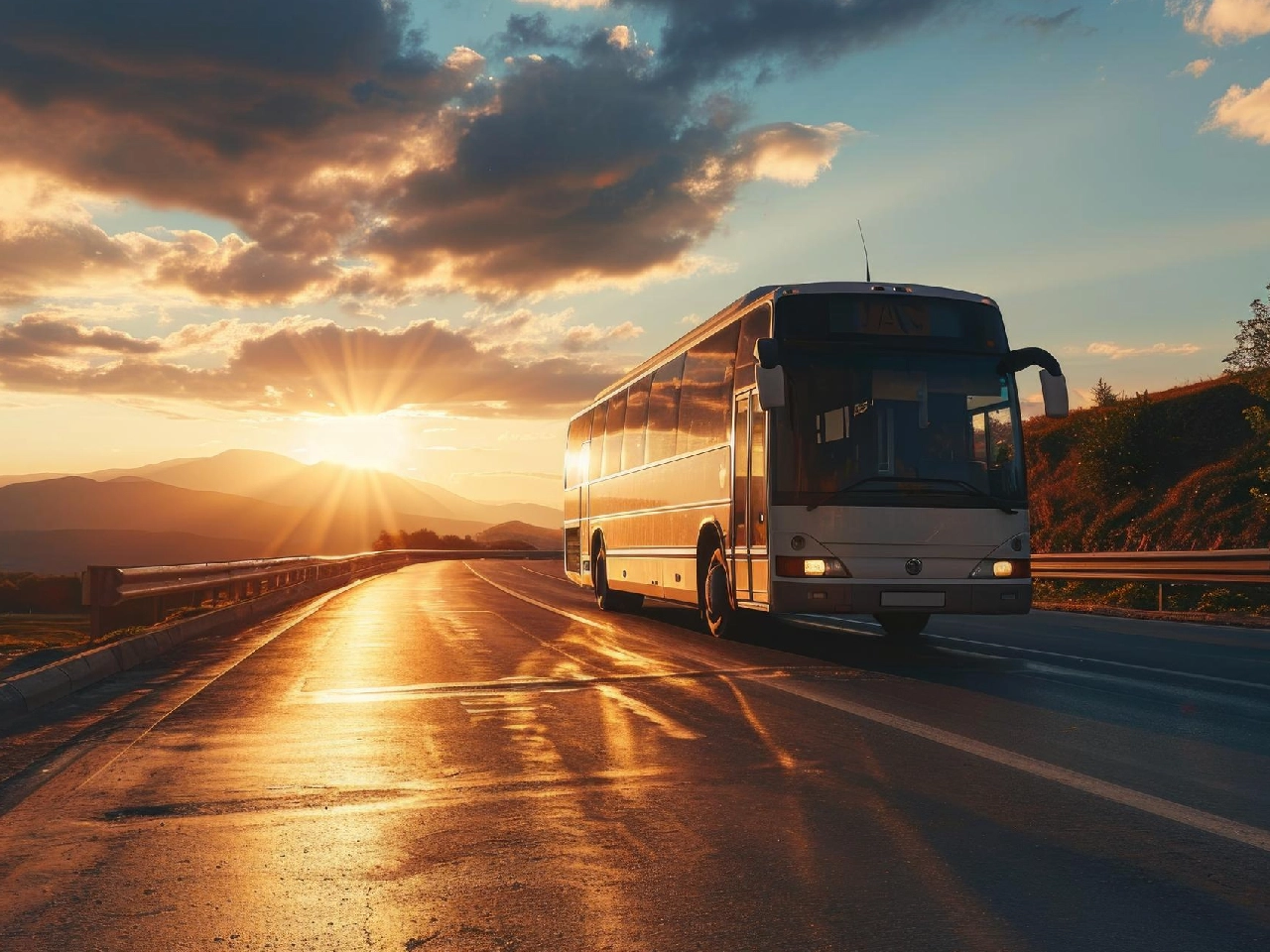
Intercity buses and minibuses (called furgon) link most towns, but timetables are not always published online, departure points can move, and some routes leave when full. Ask at your accommodation the day before and arrive early. See our full guide to getting around Albania.
8. Driving is doable with care
Main highways have improved a lot, but expect sudden potholes, unmarked speed bumps, livestock on rural roads and confident overtaking. Drive defensively, keep to speed limits and avoid narrow mountain roads at night. Our driving in Albania guide covers rules, parking and what to expect.
9. Check car rental insurance and road access
Some mountain areas, such as parts of the road towards Theth or lesser-known beaches, involve steep or rough sections. Ask your rental company what is covered and whether your car is suitable. Rules about crossing borders with a rental car also vary, so confirm in advance if you plan to visit neighbouring countries.
10. Plan your airport transfer
Tirana airport is outside the city, and there are buses, taxis and private transfers into the centre. Agree a taxi fare before you set off, or book ahead. Our guide to getting from Tirana airport to the city centre explains the options.
Culture and etiquette
11. Head movements can be confusing
Some Albanians, especially older people, shake their head slightly to mean yes and nod to mean no, the opposite of many countries. Others use the international gestures. If in doubt, ask again or listen for po (yes) and jo (no).
12. Hospitality is real
Being offered coffee, raki, fruit or a meal by your hosts is common, especially in rural areas. Accepting at least a little is polite. Learning a few words, such as faleminderit (thank you) and mirëdita (good day), goes a long way.
13. Dress respectfully at religious sites
Albania is a largely secular society with Muslim, Orthodox and Catholic communities living side by side. When visiting mosques, churches and monasteries, cover shoulders and knees, and remove shoes in mosques. Beachwear belongs at the beach rather than in town centres.
14. Coffee is a social ritual
Café culture is strong in Albania. Locals can spend a long time over a single espresso or kafe turke, and nobody will rush you. It is a great way to slow down and people-watch.
15. The evening walk is a tradition
In many towns the xhiro, a relaxed evening stroll along the main boulevard or promenade, brings families and friends out together. Join in; it is one of the nicest ways to feel the rhythm of local life.
Food and drink tips
16. Eat local and seasonal
Albanian cooking is built on fresh vegetables, olive oil, dairy, grilled meat and, on the coast, seafood. Try dishes such as tavë kosi, byrek, fërgesë and qofte. Our list of traditional Albanian dishes will help you order with confidence.
17. Portions are generous
Salads, starters and grilled dishes often come in large servings and are meant to be shared. Order a few plates for the table rather than one main each, at least on the first night, until you get a feel for sizes.
18. Tap water: ask locally
Tap water quality varies between towns and buildings. Many locals and visitors prefer bottled or filtered water, and bottled water is widely sold. Ask your accommodation for advice where you are staying.
19. Raki is strong
Homemade raki, often made from grapes or plums, is offered as a sign of welcome. It is usually much stronger than it tastes, so sip slowly, especially before driving or hiking.
Safety tips for Albania
20. Albania is generally safe for visitors
Most travellers experience Albania as friendly and relaxed, and violent crime against tourists is uncommon. Take normal precautions with valuables in crowded places and on busy beaches. Our article on whether Albania is safe for travellers covers this in depth.
21. Respect the mountains and the sea
The biggest risks are often natural: sudden weather changes in the Alps, heat in summer, and currents on some beaches. Hike with proper footwear, water and a map, tell someone your route, and swim where others do. For the north, read our Theth to Valbona trek guide.
22. Watch out for stray dogs in rural areas
Stray and shepherd dogs are common in some areas. Most are harmless, but keep your distance, do not run, and be careful around flocks in the mountains.
Practical tips before you go
23. Check entry rules for your passport
Many nationalities can enter Albania visa-free for short stays, but rules depend on your passport and can change. Read our Albania visa requirements guide and confirm with official sources before booking.
24. Get a local SIM or eSIM
Mobile coverage is good in towns and along main roads, with gaps in deep valleys. A local SIM or an eSIM is usually the easiest way to stay connected for maps and messaging. See our guide to eSIMs and SIM cards in Albania.
25. Choose your season wisely
July and August bring heat and crowds to the Riviera, while spring and autumn are ideal for hiking, sightseeing and quieter beaches. Many mountain guesthouses only open in the warmer months. Our seasonal guide to the best time to visit Albania helps you decide.
Putting these tips into practice
With these tips in mind, a first trip to Albania becomes much smoother: you will know when to carry cash, how to plan realistic travel days and how to fit in with local customs. Combine the capital with historic towns and the coast, and you will see a remarkable variety in a short time. For inspiration, explore the best day trips from Tirana or compare Berat and Gjirokastër.
If you would rather leave the driving and logistics to someone else, Albania Inbound runs guided tours across Albania with local guides.
Frequently asked questions
Do I need cash in Albania?
Yes. Cards are accepted in many hotels and larger businesses, but small cafés, guesthouses, buses and rural restaurants often accept cash only, so it is wise to carry some lek at all times.
Can I use euros in Albania?
Sometimes. Some hotels and tourist businesses accept euros, but the official currency is the lek and it is accepted everywhere. Paying in lek usually gets you a fairer price.
Is it easy to get around Albania without a car?
Yes, between main towns. Buses and furgons connect most destinations cheaply, but schedules can be informal, so ask locally the day before. Remote areas are easier with a car, transfer or tour.
What should I wear in Albania?
Casual clothing is fine in cities and resorts. Cover shoulders and knees when visiting mosques, churches and monasteries, and bring sturdy shoes and layers for the mountains.
Is Albania safe for first-time visitors?
Albania is generally considered safe for tourists. Use normal precautions with valuables, take care on mountain roads and hiking trails, and follow local advice about weather and swimming conditions.
How many days do I need in Albania?
A week is enough to see Tirana, one or two historic towns and part of the coast. Ten days or more lets you add the Albanian Alps or travel at a slower pace.