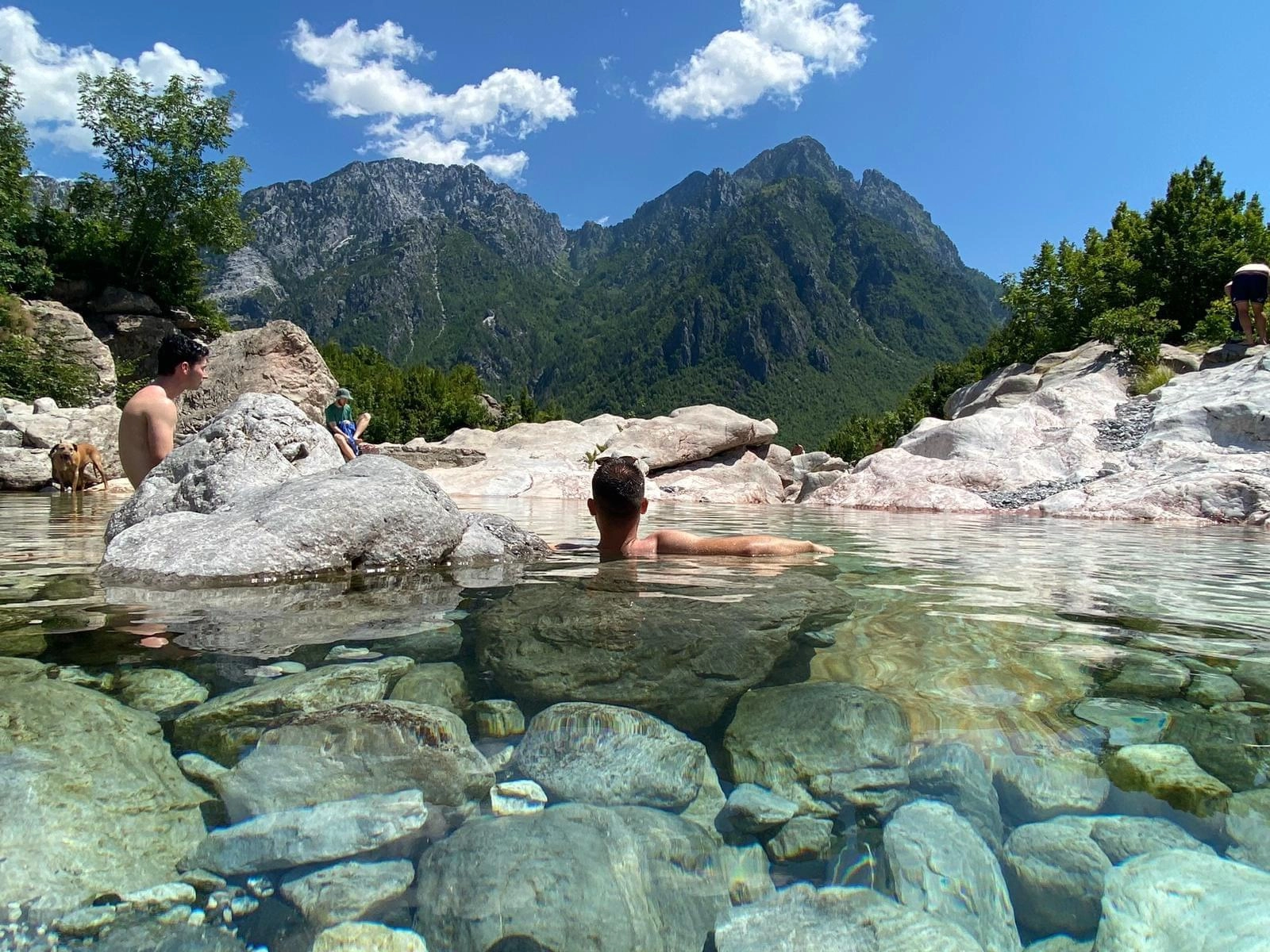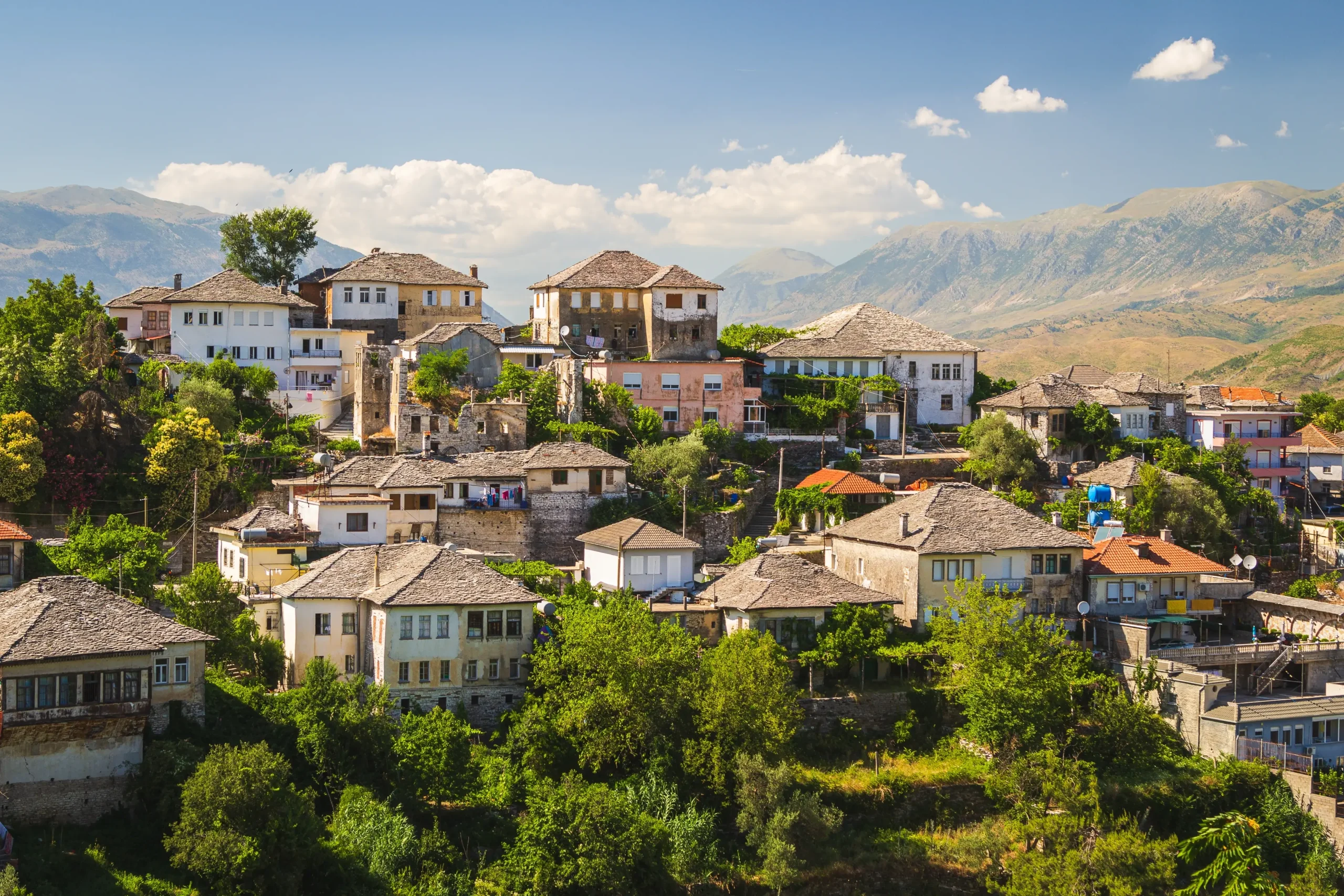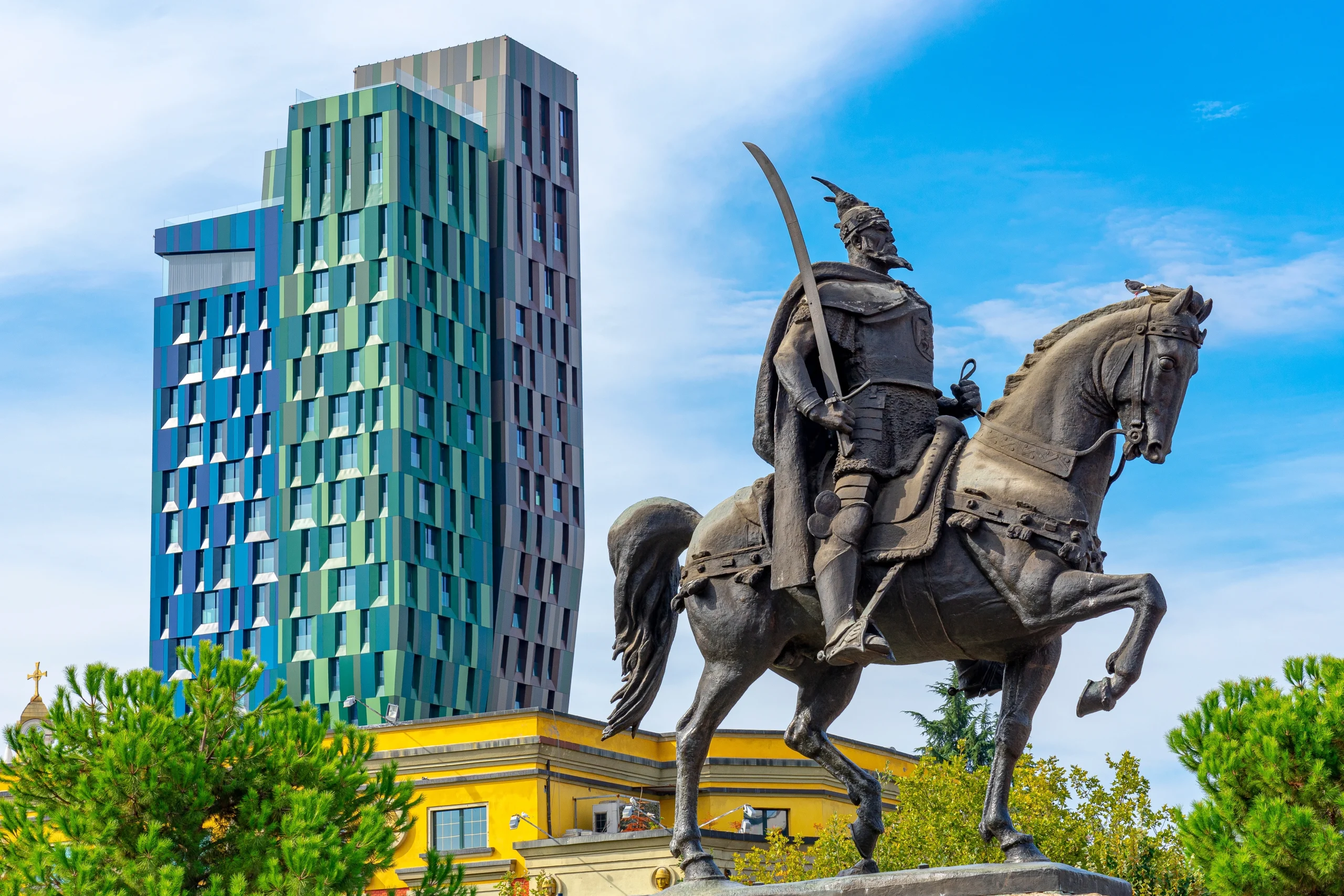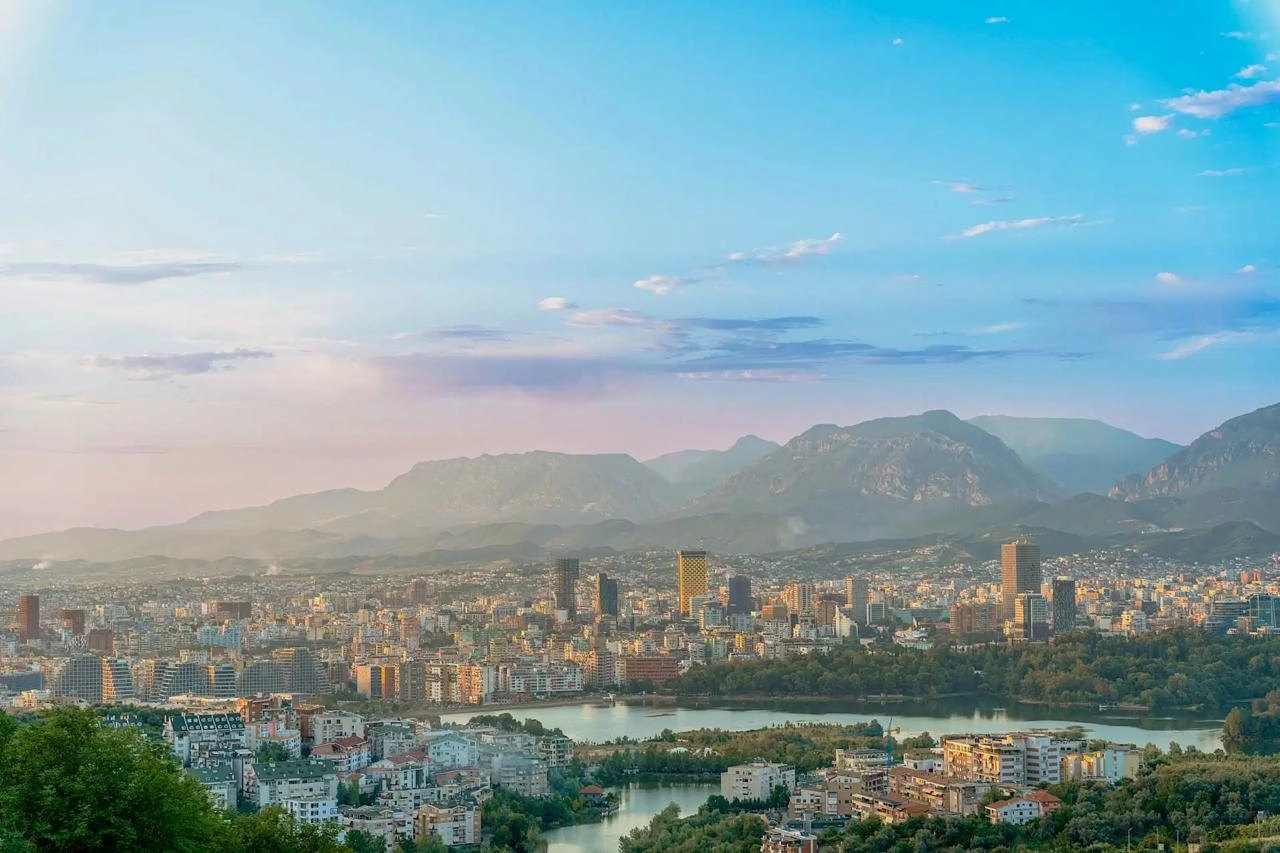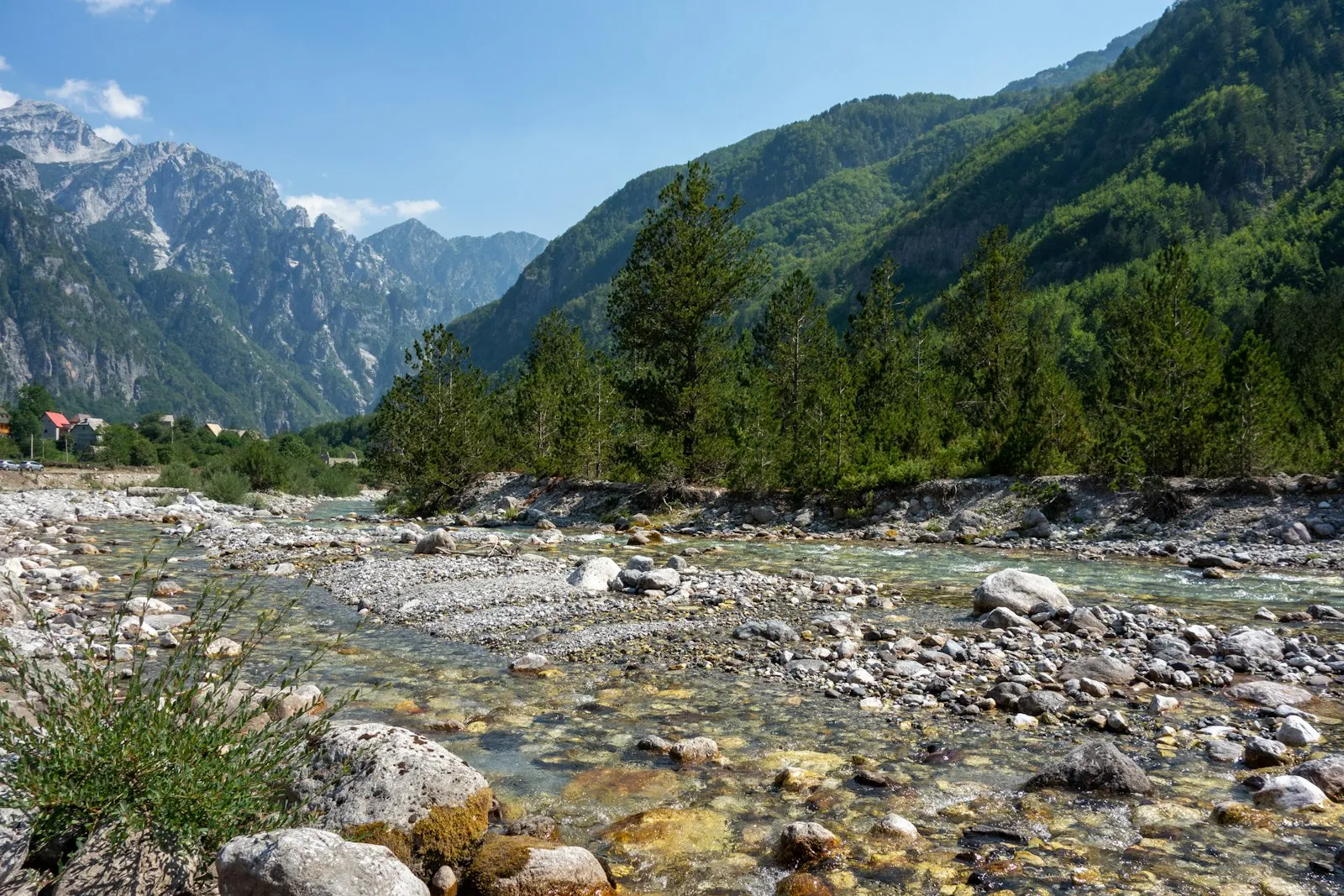
The best hikes in Albania range from the classic Valbona–Theth pass in the Albanian Alps and the short walks to Theth’s Blue Eye and Grunas waterfall, to easy outings near Tirana on Mount Dajti and above Lake Bovilla, big summits such as Korab and Tomorr, and coastal routes around Llogara, the Gjipe canyon and Saranda. High-mountain routes are best from roughly June to September, while lower and coastal trails are at their best in spring and autumn.
Below are ten favourites, from half-hour climbs to serious full-day ascents, with an idea of difficulty and the best season for each.
How to choose your hike
We have graded each hike as easy (short walks on clear paths), moderate (several hours with some steep sections) or challenging (long days at altitude, often needing navigation skills). Trail marking in Albania ranges from excellent, as on the red-and-white route between Theth and Valbona, to non-existent, so download offline maps before you set off and consider a local guide for the big peaks.
The Albanian Alps
1. Valbona to Theth
Albania’s most famous day hike crosses the Valbona Pass, at just over 1,800 m, between two spectacular valleys ringed by limestone peaks. Expect six to eight hours on a well-marked trail, with a long, steep climb and descent; it can be walked in either direction. Our Theth–Valbona trek guide covers transport and logistics.
- Difficulty: moderate to challenging
- Best season: June to September, as snow can linger on the pass
2. The Blue Eye of Theth
The Blue Eye of Theth is a clear, icy pool fed by a small waterfall above the hamlet of Nderlysaj. From the car park there it is around an hour each way on a fairly easy trail along the river; walking all the way from Theth turns it into a full day. A small café sits near the pool, and the water is bitterly cold even in August.
- Difficulty: easy to moderate
- Best season: late spring to early autumn
3. Grunas waterfall
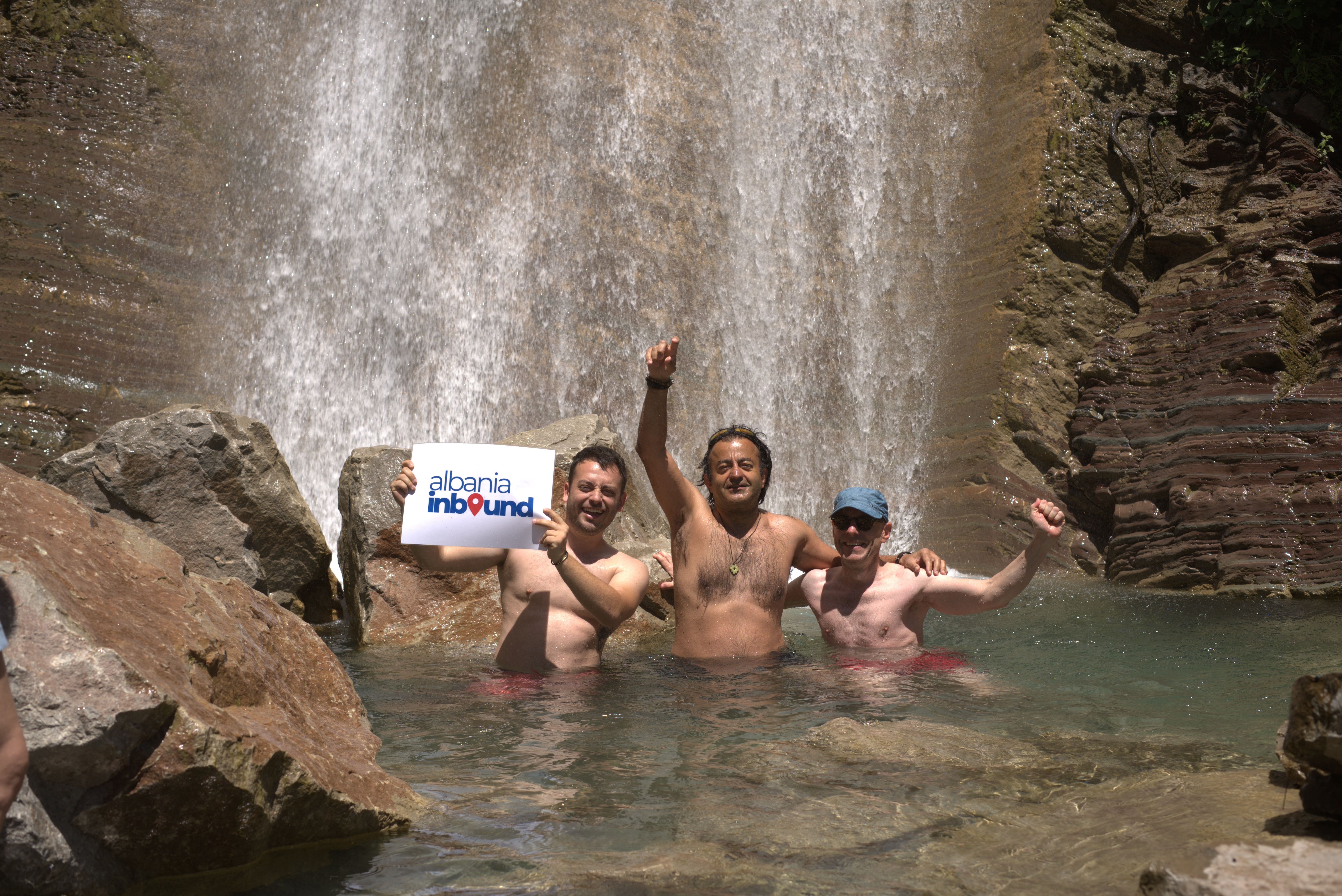
The easiest walk from Theth itself leads through meadows and woodland to a waterfall of about 25 m that plunges into a narrow gorge. Allow under an hour each way from the village centre, and combine it with Theth’s church and the old lock-in tower, a relic of the blood-feud era.
- Difficulty: easy
- Best season: late spring to autumn
Day hikes near Tirana
4. Gamti and Lake Bovilla
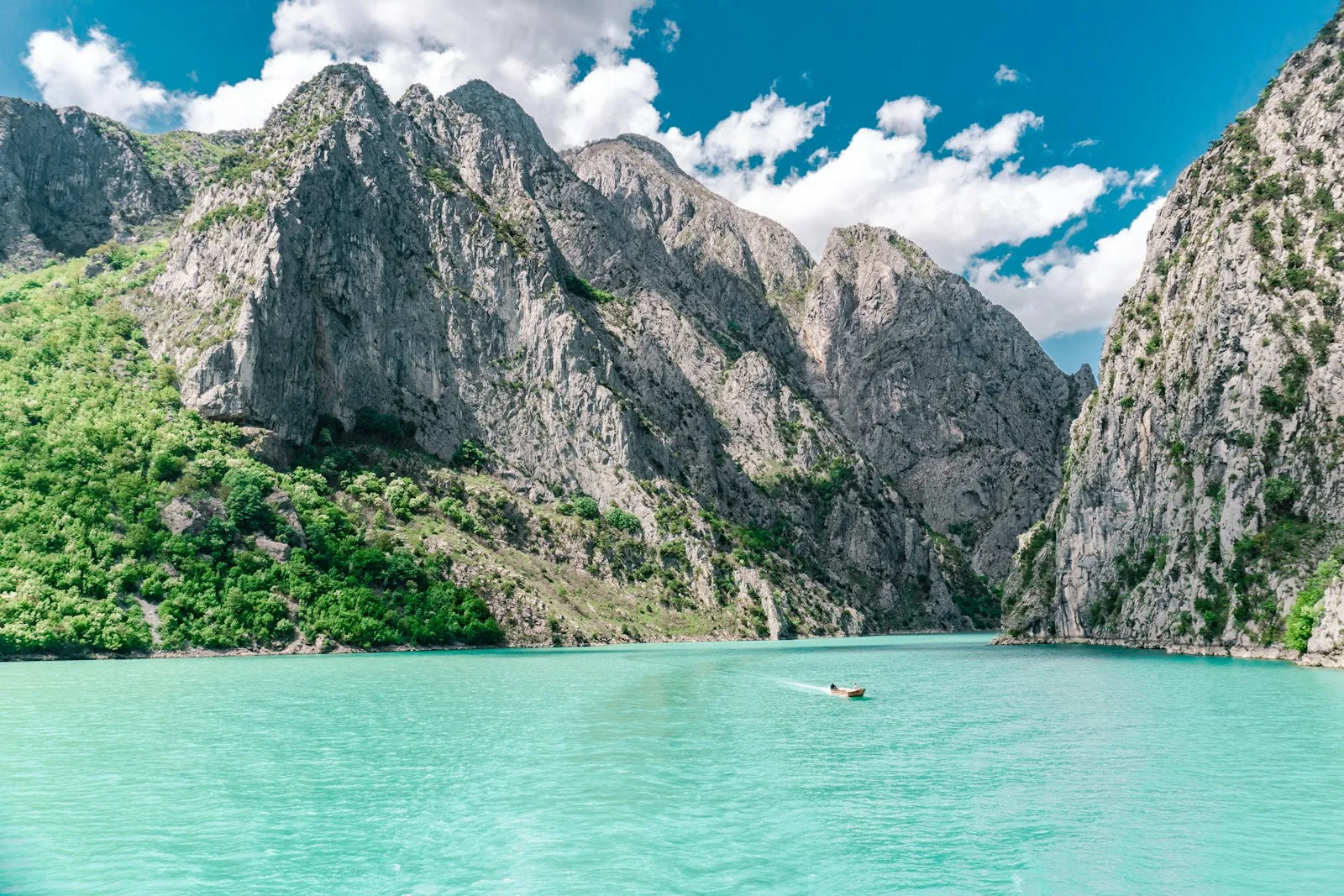
Lake Bovilla, the reservoir that supplies most of Tirana’s drinking water, lies in a gorge of sheer cliffs north-east of the capital. A short but steep path, finished with a stretch of metal steps, climbs Gamti to a rocky balcony with the best view of the turquoise water. Swimming in the reservoir is not allowed.
- Difficulty: easy to moderate, about 30 to 40 minutes up
- Best season: all year in dry weather
5. Mount Dajti
Tirana’s home mountain rises to 1,613 m and is protected as Dajti Mountain National Park. The Dajti Ekspres cable car lifts you from the edge of the city to a plateau with restaurants and viewpoints, from where trails lead through beech and conifer woods. Elsewhere in the park, a short, easy path leads to the Shëngjergj waterfall.
- Difficulty: easy to moderate, depending on the route
- Best season: spring to autumn; snow is possible in winter
The big summits
6. Mount Tomorr
Rising above Berat to 2,416 m at Çuka e Partizanit, Tomorr is the highest peak in central Albania and a holy mountain for both Christians and Bektashi Muslims. Pilgrims climb to the shrine of Abbas Ali near the summit every August, with the main Bektashi pilgrimage between 20 and 25 August. Access involves rough mountain roads, so most hikers go with a local guide or driver.
- Difficulty: challenging
- Best season: June to September
7. Mount Korab
At 2,764 m on the border with North Macedonia, Korab is the highest mountain in both countries. From the Albanian side, hikers usually start from the village of Radomirë in the Dibër region for a long, demanding day with a big climb, so start early and go with a guide unless you are experienced in mountain navigation. Our Mount Korab hiking guide has the details.
- Difficulty: challenging
- Best season: July to September
Coastal hikes in the south
8. Llogara and Maja e Çikës
The Llogara Pass, at 1,027 m, is famous for its view over the Albanian Riviera, but hikers can climb far higher, to Maja e Çikës at around 2,045 m, the highest point of the Ceraunian Mountains, with the Ionian Sea far below. Even the shorter marked routes from the pass take around four hours there and back, through pine forest where the wind has bent trees such as the famous Flag Pine into strange shapes.
- Difficulty: moderate to challenging
- Best season: spring and autumn; avoid the midday heat in summer
9. Gjipe canyon and beach
Between Dhërmi and Vuno, a stream has cut an 800-metre canyon down to one of the Riviera’s loveliest coves. Most visitors walk down a track from above to reach the beach, then explore the canyon’s cool, narrow walls on foot; the climb back up is the hard part on a hot afternoon.
- Difficulty: easy to moderate
- Best season: May to October; start early in summer
10. Lëkurësi Castle above Saranda
For a short climb with a big view, walk up from Saranda to Lëkurësi Castle, built in 1537 under Sultan Suleiman the Magnificent on the hill above the town. From the walls you look over Saranda Bay, the Butrint lagoon, the islands of Ksamil and across the water to Corfu, and there is even a restaurant inside the castle.
- Difficulty: easy to moderate
- Best season: all year; go late in the afternoon in summer
Practical tips for hiking in Albania
- Download maps or GPS tracks before you go, as phone signal can be patchy in the mountains.
- Carry plenty of water, sun protection and warm layers; mountain weather changes quickly, even in summer.
- Shepherd and stray dogs can be a nuisance in rural areas: keep your distance, stay calm and do not run.
- Guesthouses in Theth and Valbona can usually prepare packed lunches and help you find a local guide.
- Theth’s access road and the high passes can be blocked by snow from late autumn into spring.
- Always tell your host where you are going and when you expect to be back.
Frequently asked questions
What is the most famous hike in Albania?
The Valbona–Theth hike is Albania’s best-known trail. It crosses the Valbona Pass, at just over 1,800 m, between two of the most beautiful valleys in the Albanian Alps, taking six to eight hours on a well-marked path. It is usually walked between June and September and is often combined with the Komani Lake ferry.
When is the best time to hike in Albania?
For the Albanian Alps, Korab and Tomorr, aim for June to September, when the high trails are usually free of snow. Coastal and lower hikes, such as Llogara, Gjipe, Lëkurësi and the routes near Tirana, are most pleasant in spring and autumn, when temperatures are milder and the light is softer for photographs.
Do I need a guide to hike in Albania?
Not for the popular, well-marked routes such as Valbona–Theth, the Blue Eye of Theth or Gamti, provided you have a map and good weather. A local guide is strongly recommended for big, remote summits such as Korab and Tomorr, for routes with poor marking, and for anyone who is not confident navigating in the mountains.
Is hiking in Albania safe?
Generally yes, but the mountains are remote and rescue can take time. Choose routes that match your fitness, start early, carry enough water and layers, and check the weather before you set off. Stay on marked paths, keep your distance from guard dogs and always let someone know your plans before heading into the hills.
Can you hike in Albania in winter?
Yes, at lower altitudes. Coastal paths around Saranda and Himarë, the hills near Tirana and short walks such as Gamti can be enjoyable on clear winter days. The Albanian Alps and the high summits are a different matter: snow closes passes and roads, and winter routes there are only for experienced mountaineers with proper equipment.
Ready to lace up your boots? Our Albania 6 Day Hike Tour takes you to Theth, the Blue Eye and Grunas waterfall, over the pass to Valbona and on to Komani Lake, while the Lake Bovilla and Gamti Mountain hike is a short guided day trip from Tirana.