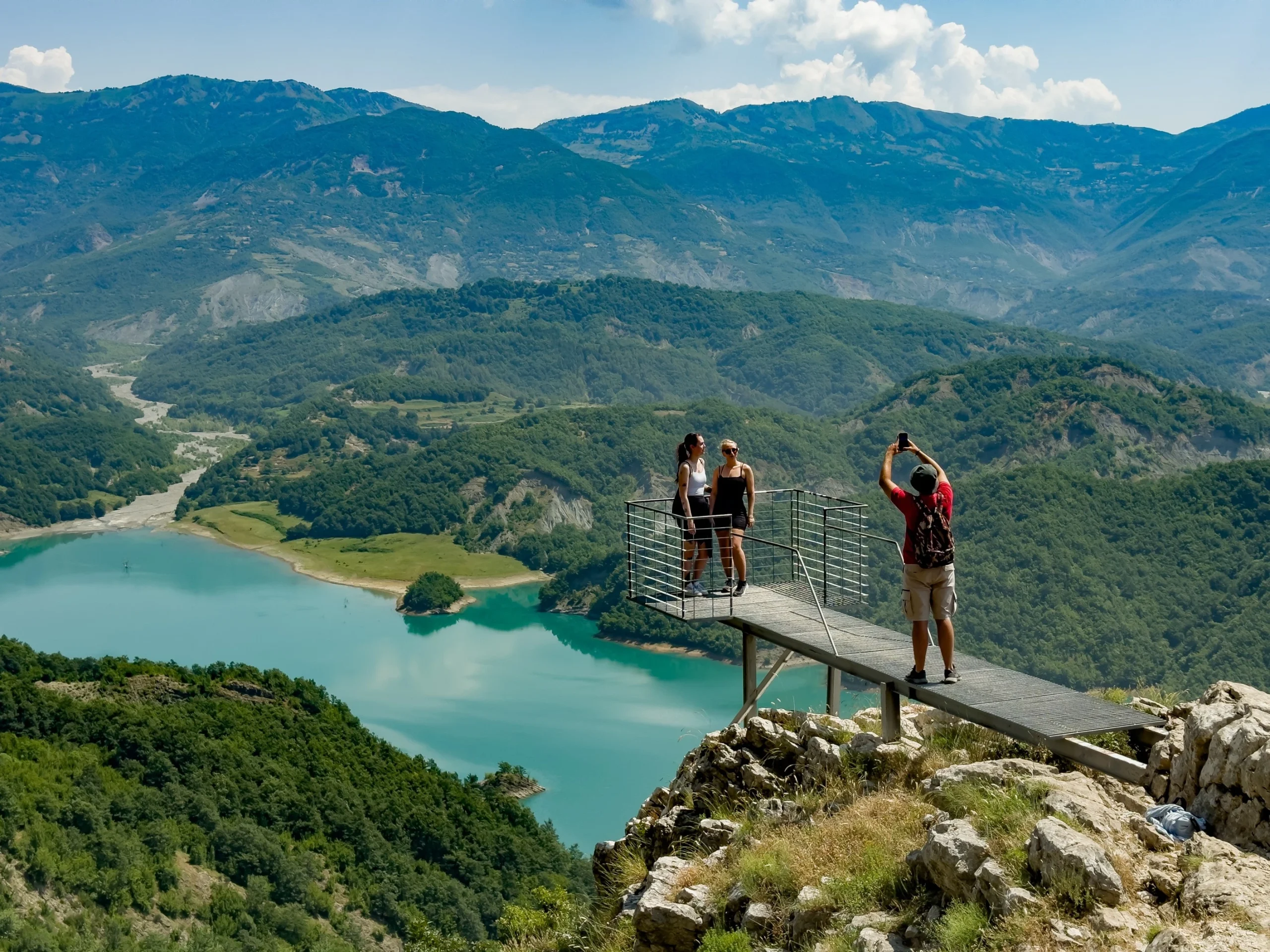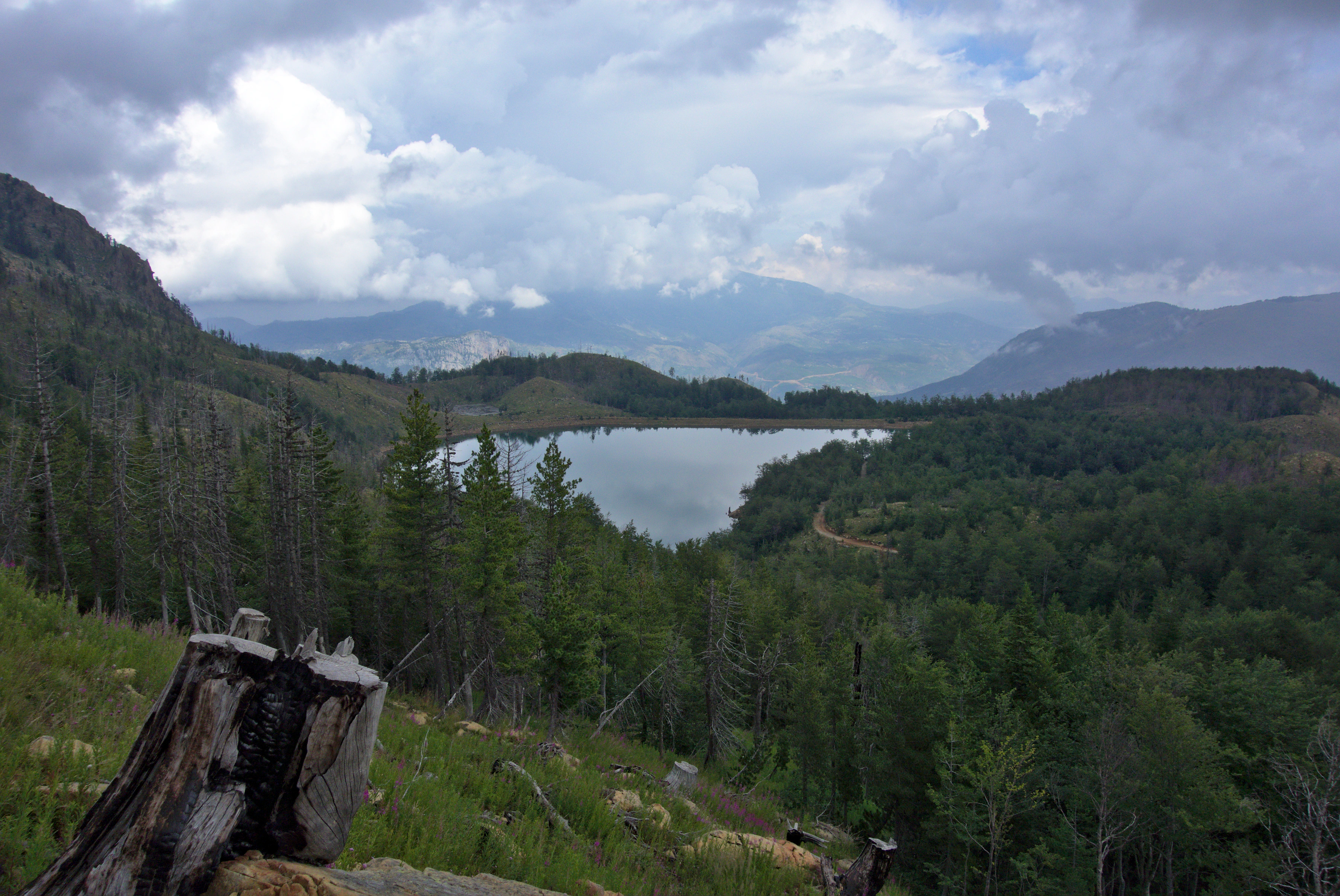
High above the Dibra valley, a scatter of glacial lakes lies among black pine at around 1,500 metres. There are roughly a dozen, depending on how you count the smallest, and together with Mount Dejë they form one of Albania's older national parks.
The lakes themselves
Each has its own character. The Big Lake is the one most photographs show, ringed by pine and still enough to mirror them. The Lake of Flowers — Liqeni i Luleve — is the one people travel for: in high summer its surface fills with water lilies, and the effect is genuinely unusual in a country better known for its coast.
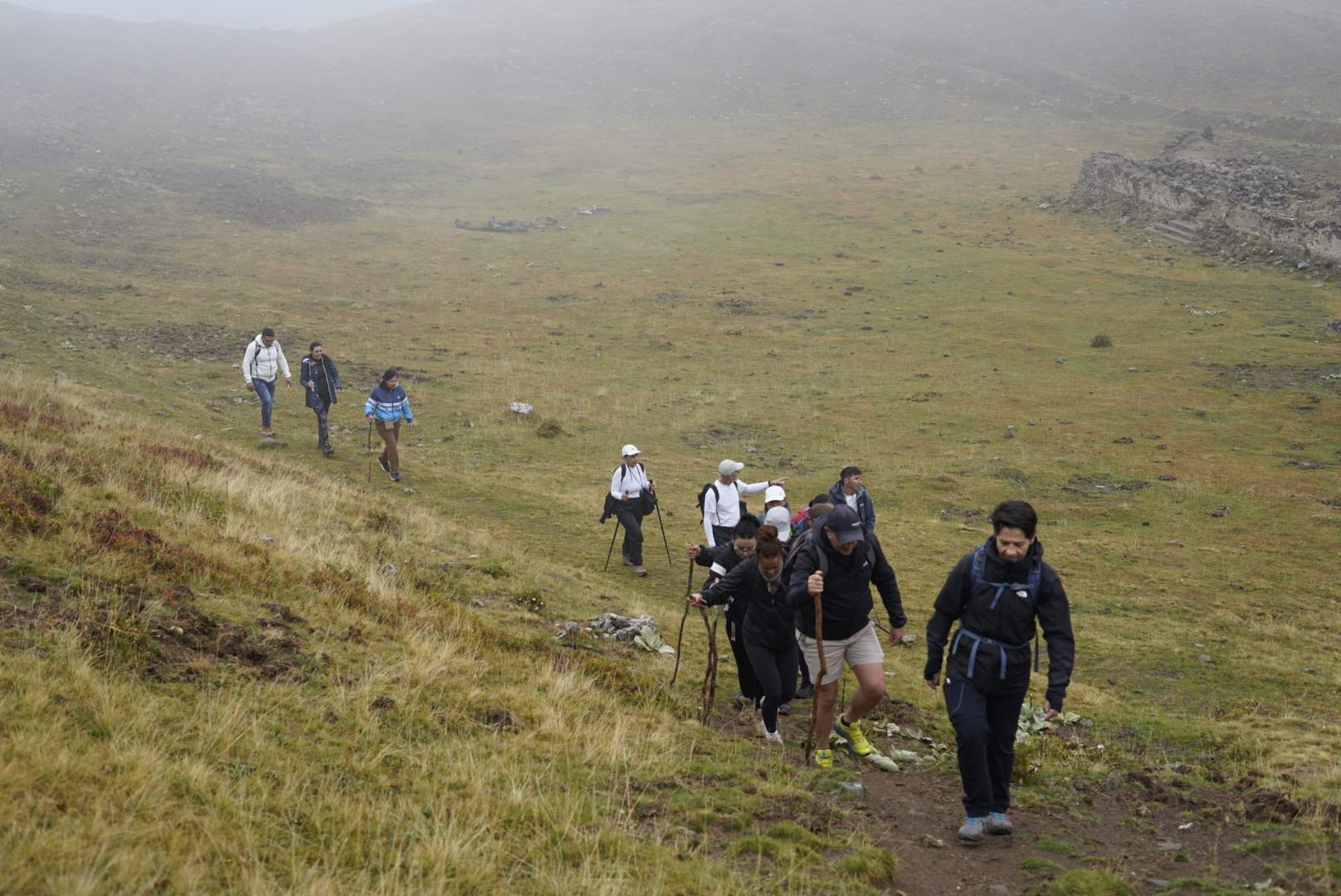
Others are smaller and quieter: the Black Lake, the Pine Lake, several seasonal pools that shrink through August. Walking between them is the point. The paths are forest tracks rather than engineered trails, and in a full day you can see most of the group at an unhurried pace.
The honest part
Lura was hit hard by illegal logging in the years after 1991, and parts of the forest still show it. Protection has improved and replanting has happened, but anyone expecting untouched wilderness should know the history. What remains is still beautiful, and visiting supports the case for keeping it that way.
Getting there
This is the part to plan carefully. The park sits above the village of Lurë in the Dibër region, reached from Burrel or from Peshkopi. The final access road is unsealed, rough in places, and genuinely difficult after rain. A high-clearance vehicle is sensible and a 4x4 is better. In an ordinary hire car, in dry weather, slowly, it has been done — but it is not what the rental agreement had in mind.
From Tirana allow three to four hours each way, which makes a day trip long. Staying overnight in Peshkopi or at one of the guesthouses near the park turns it into a far better trip.
When to go
June to September. Snow closes the access road through winter and well into spring, and the lilies on the Flower Lake appear in the warmest months — roughly July and August. Autumn brings colour to the beech and pine but the weather turns quickly at this altitude.
Where to stay
Guesthouses have opened in and around Lurë village, simple and family-run, usually with dinner included. Peshkopi, about two hours away, has more choice and is worth a night in its own right for the thermal baths on its edge.
Practical notes
- Carry everything you need for the day; there are no shops at the lakes.
- Phone coverage is unreliable inside the park.
- Nights are cold even in August — pack a layer if you are camping.
- Leave no trace. The park's recovery is fragile and visitor numbers are rising.
Lura asks more of you than most Albanian destinations. In return it offers something the coast cannot: silence, altitude and water the colour of the sky.
Common questions
When do the water lilies appear on the Flower Lake?
In the warmest part of summer, roughly July and August. Outside those months the lake is still there but the lilies that give it its name are not.
Do I need a 4x4 to reach the Lura lakes?
A high-clearance vehicle is strongly advised and a 4x4 is better. The final access road is unsealed and becomes genuinely difficult after rain.
Can the lakes be done as a day trip from Tirana?
It is three to four hours each way, so a day trip means most of it spent driving. Staying overnight in Peshkopi or near the park turns it into a far better trip.
Photo: Malenki · CC BY-SA 4.0 · Wikimedia Commons