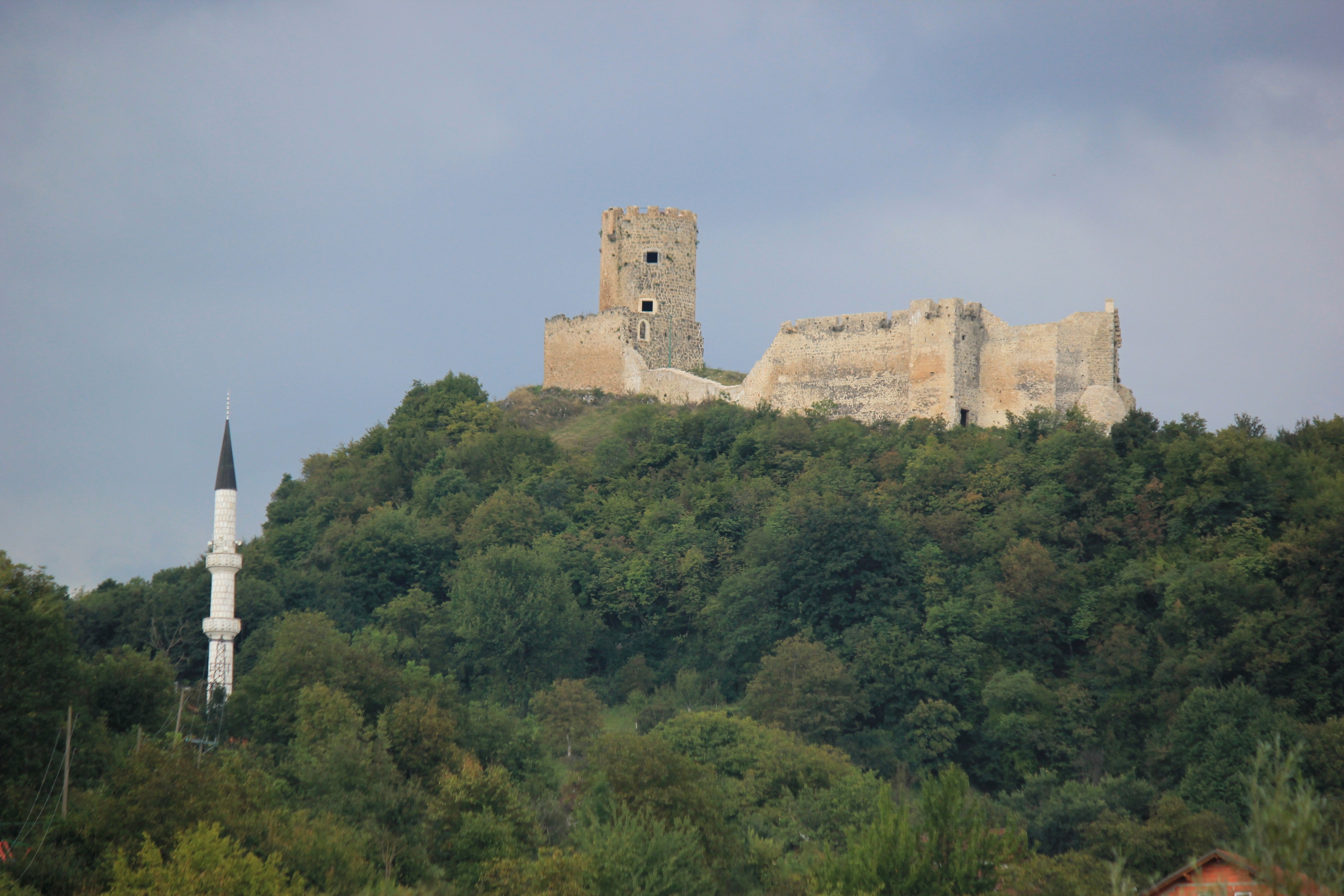
The fortress is first mentioned in the 14th century, when it belonged to the Croatian and Hungarian nobility and formed part of the defensive line along the border with the Ottoman Empire. Like Bihać, it passed into Ottoman hands at the end of the 16th century. Its name comes from the falcon, soko, a fitting image for a castle perched on a rocky height.
Today the ruins are partly restored and reached by a short walk, with fine views over the green countryside of the Una-Sana region.
Visit on the way to Una National Park, and wear good shoes for the path.