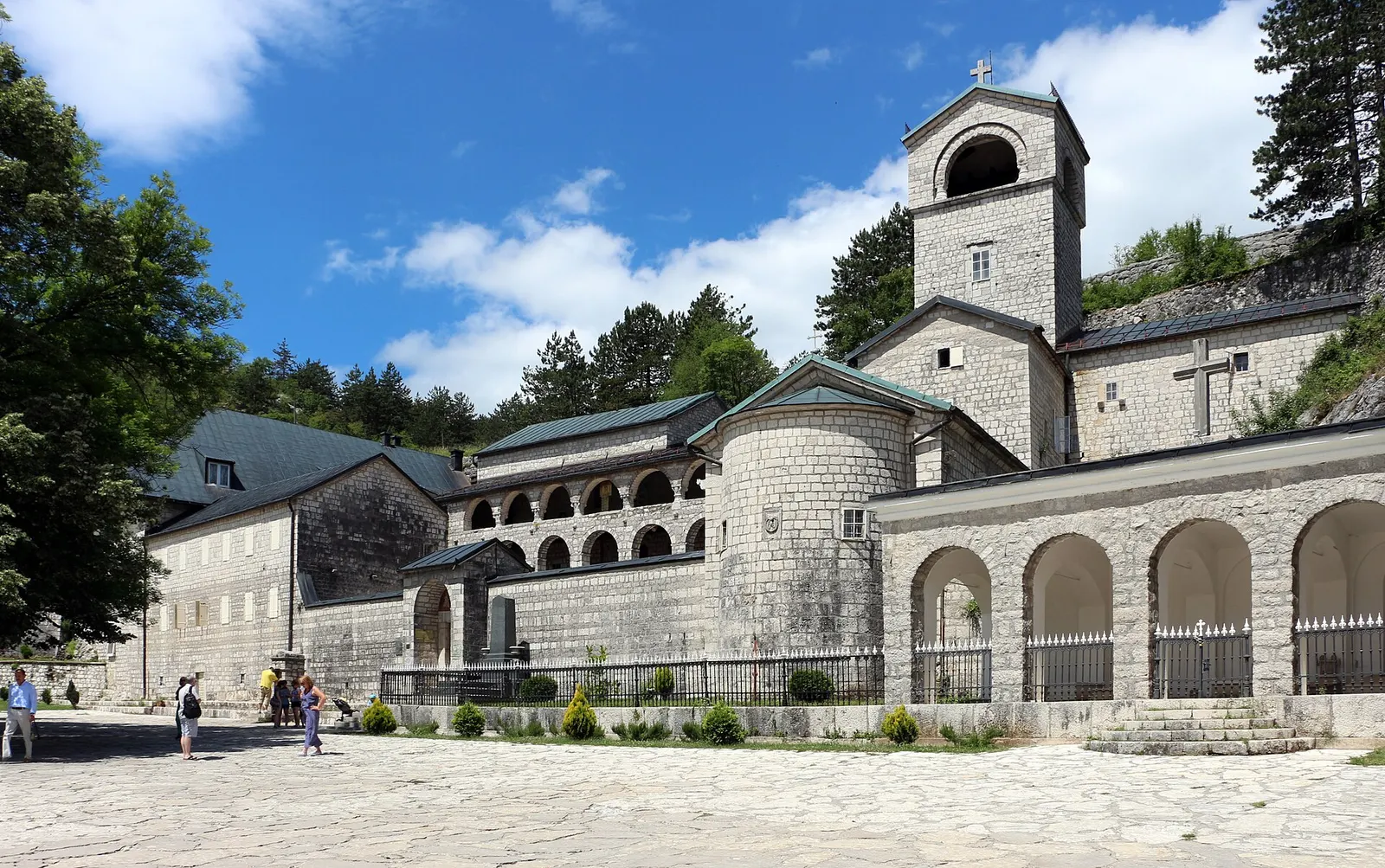
The town was founded in 1482, when Ivan Crnojević moved his court here and built a monastery soon afterwards. Under the Petrović-Njegoš dynasty it became the centre of Montenegrin political and religious life. After Montenegro’s independence was recognised at the Congress of Berlin in 1878, Cetinje became a European capital and foreign powers established legations in the town, and in 1910 Montenegro was proclaimed a kingdom.
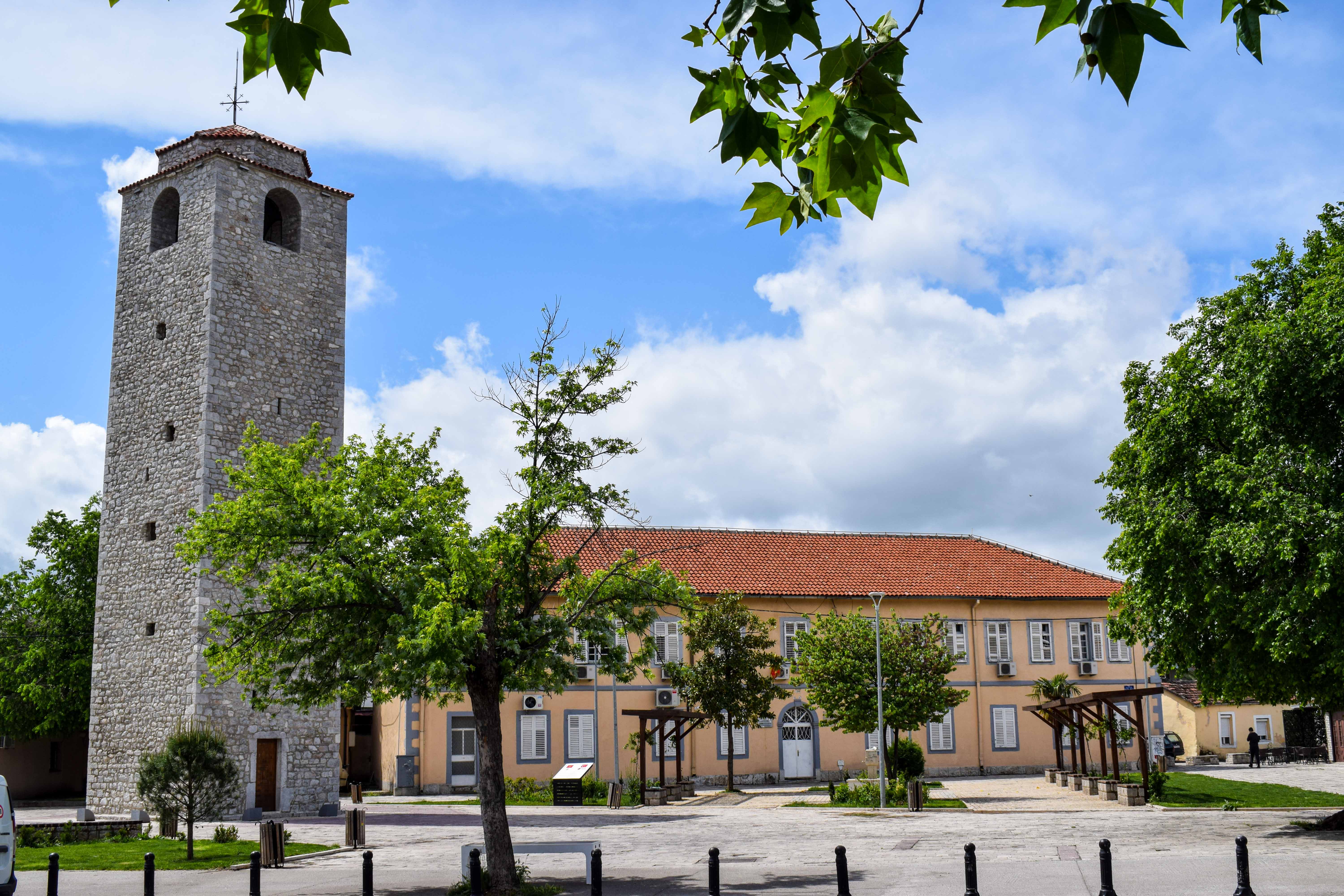
The Cetinje Monastery, founded in the 1480s, destroyed in 1692 and rebuilt in the early 18th century, guards precious relics, including one venerated as the right hand of St John the Baptist. Nearby, King Nikola’s Palace, completed in 1867 and a museum since 1926, shows reconstructed royal interiors, while Biljarda, the residence begun by Petar II Petrović-Njegoš in 1838, is named after the billiard table that stood in its central room. Stroll the quiet streets to spot the former foreign legations, many now used by schools, libraries and museums.
Compact and walkable, Cetinje combines beautifully with a drive up to the Njegoš Mausoleum on Mount Lovćen.