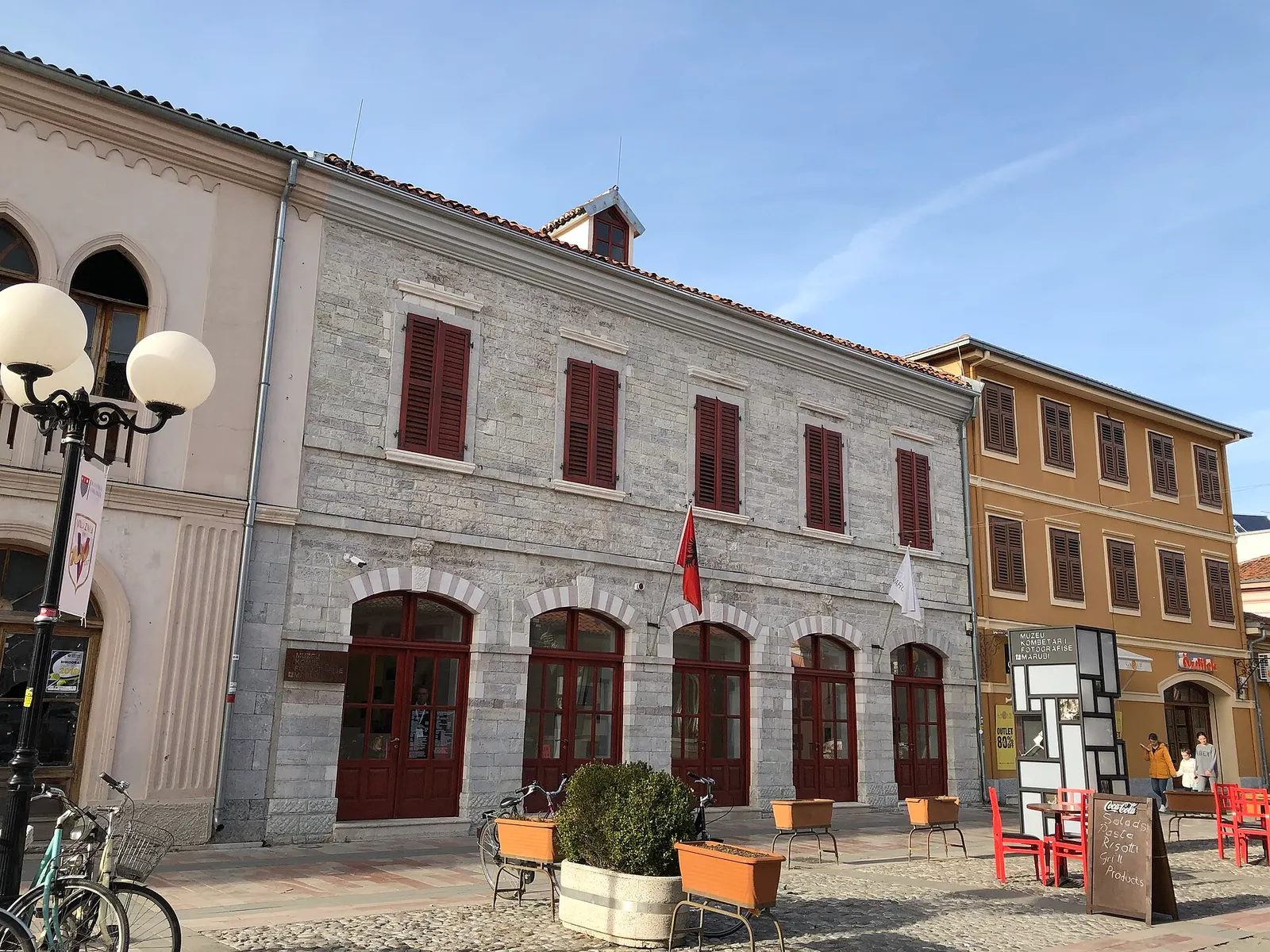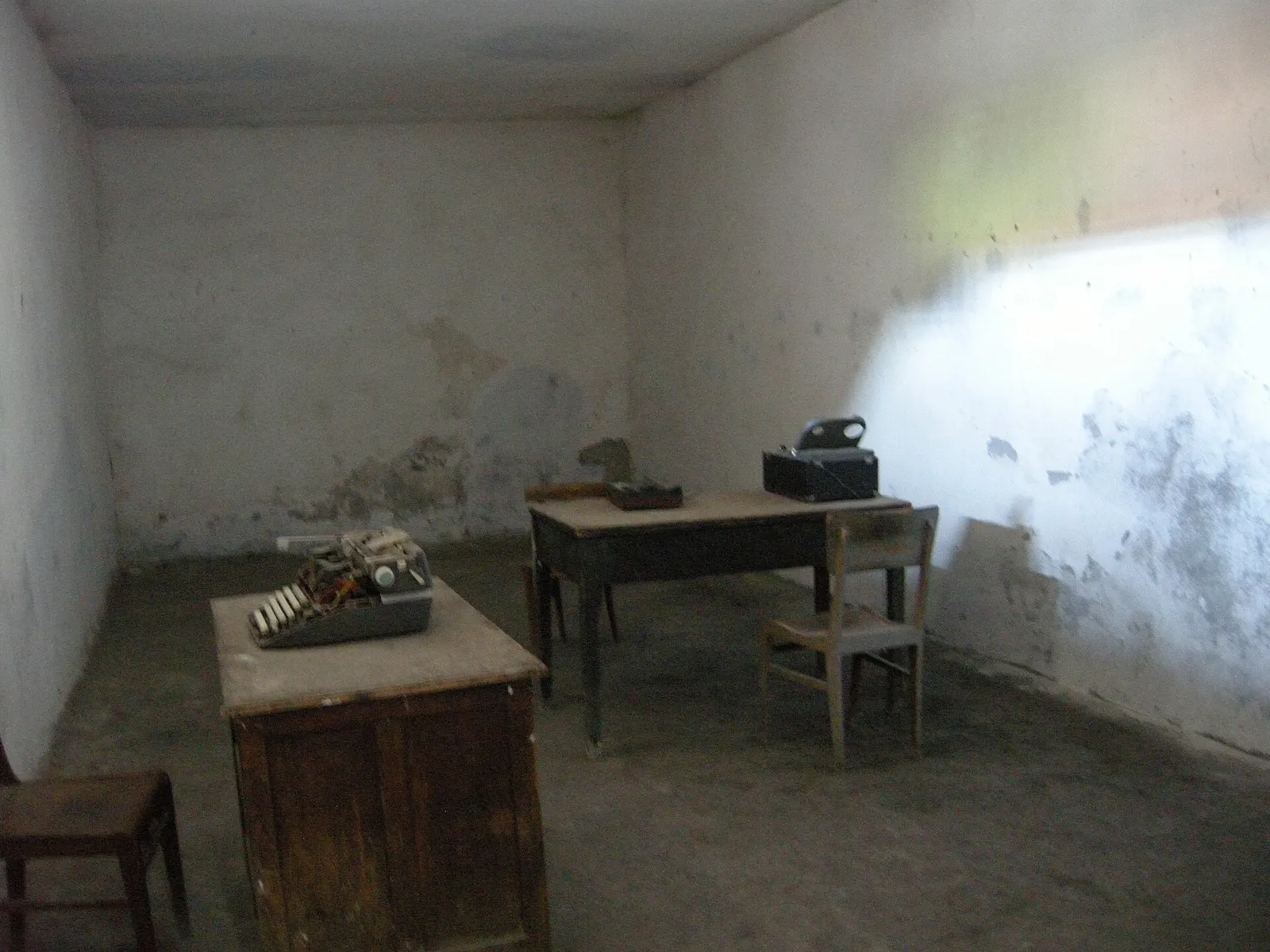
The building belonged to the Franciscan order until it was confiscated in 1946 and turned into the local headquarters of the internal security apparatus. Storage rooms on the lower level were converted into detention and interrogation cells, where prisoners were held before trial; after sentencing they were sent on to prisons and labour camps, and some to execution. Among those held here were the Franciscan priest and writer Father Zef Pllumi. The site remained in use until the fall of communism and was opened as a museum in 2014.
Visitors walk through a concrete entrance passage into the original cells and interrogation rooms, many left largely as they were, with prisoners’ inscriptions still on the walls. Photographs, names and testimonies of those who were imprisoned, executed or interned, together with personal belongings and letters donated by former prisoners and their families, give a human face to the history of repression.
It is a sobering but essential visit for anyone wishing to understand Shkodër’s recent past.