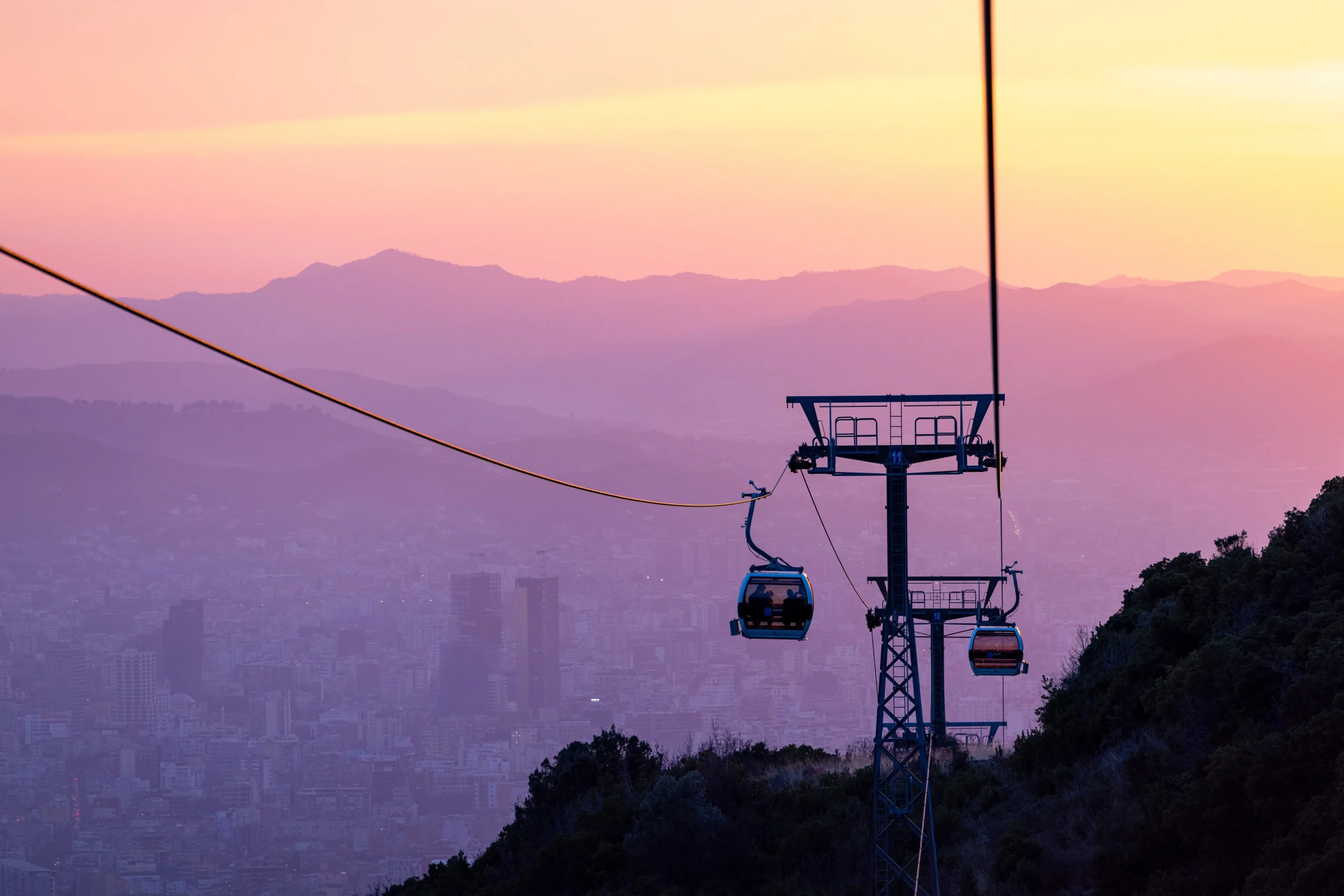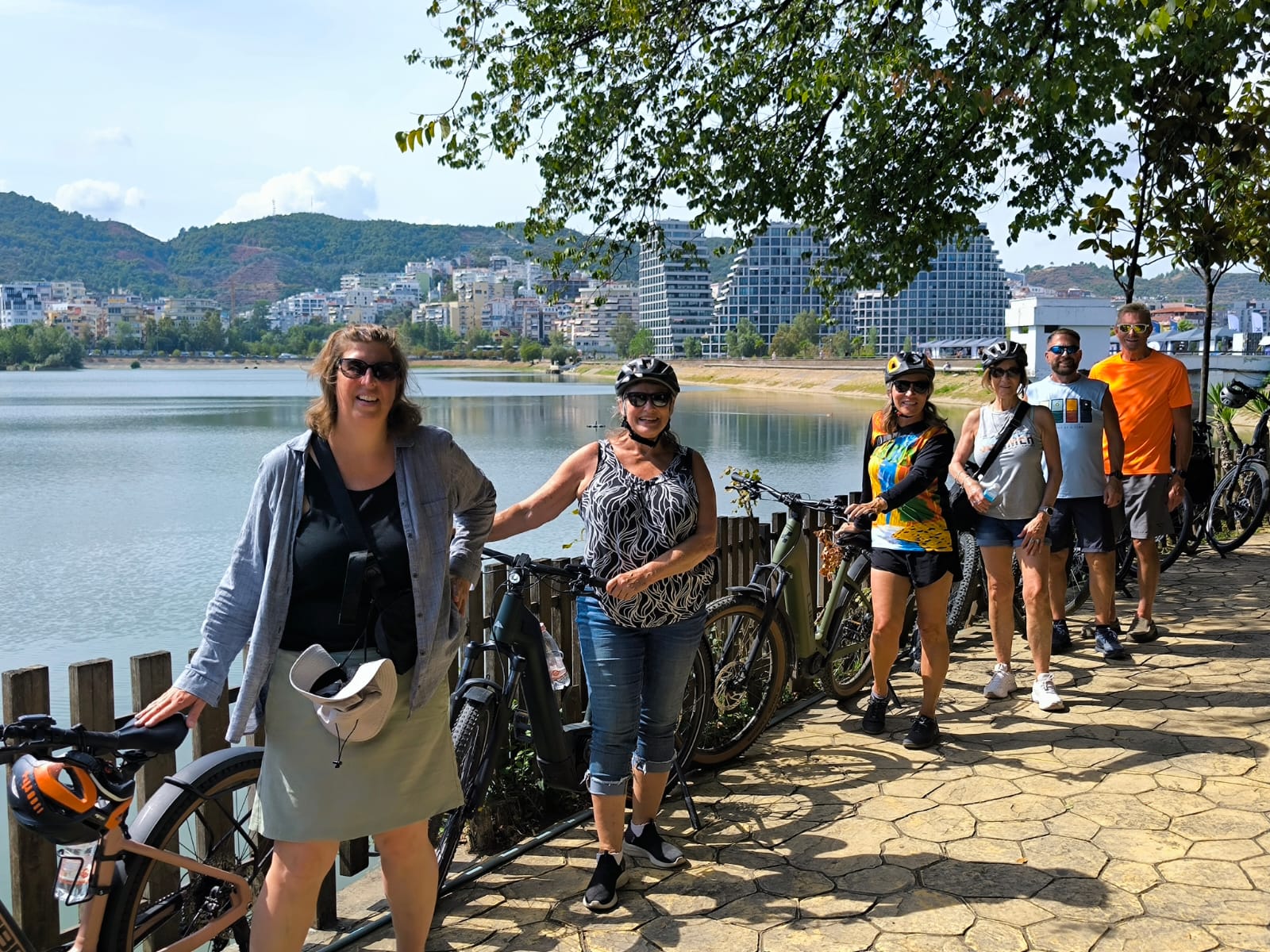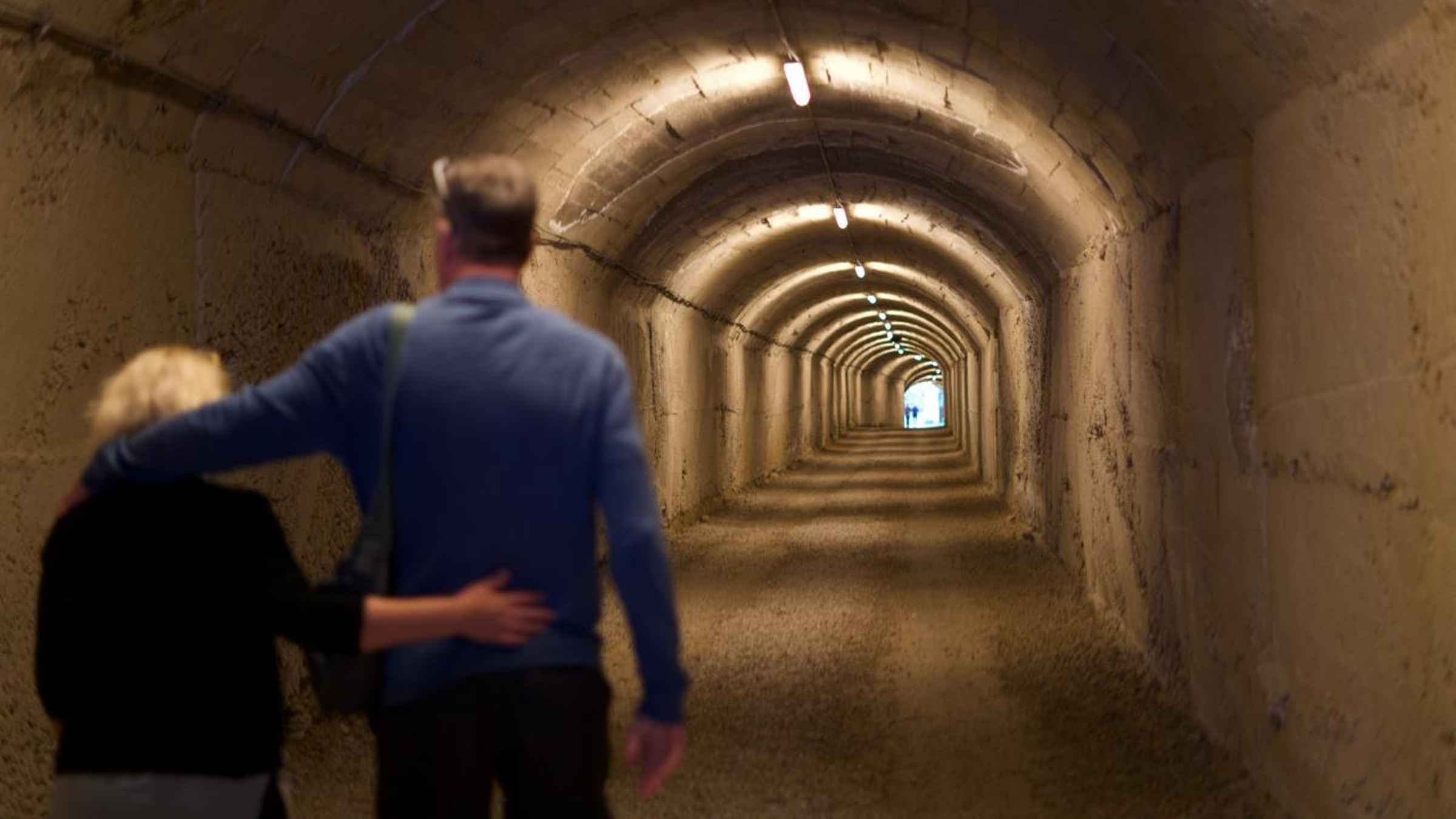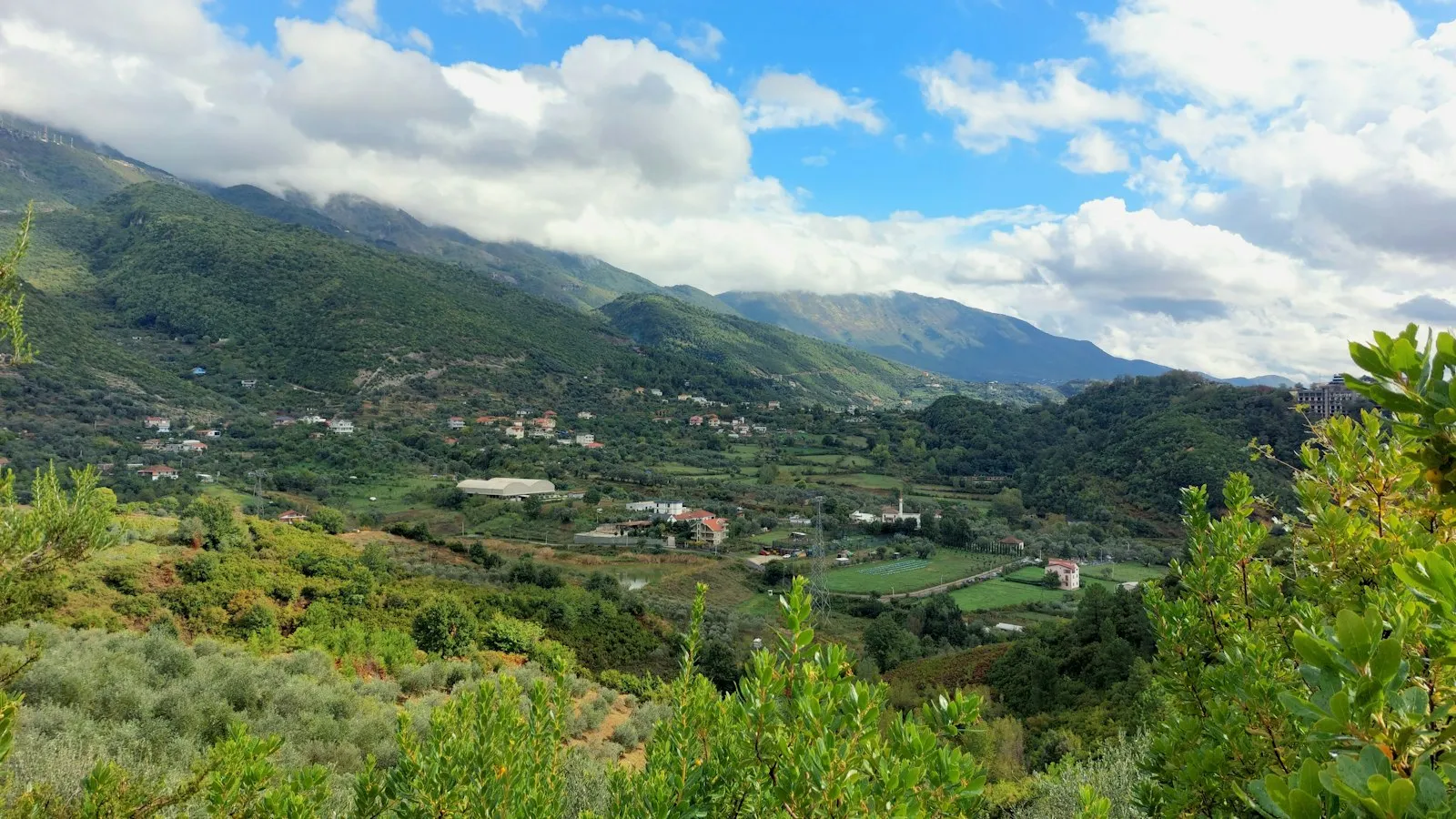
The Dajti Ekspres cable car carries visitors from the eastern edge of Tirana up Mount Dajti in around 15 minutes, rising to a plateau at about 1,050 metres. The line is roughly 4.7 km long – often described as the longest cable car in the Balkans – and it is the quickest way to swap the city’s heat for forest air and sweeping views over the capital.
At the top you will find viewpoints, restaurants, a hotel, an adventure park and trailheads into Dajti National Park. This guide covers how the ride works, what to do on the mountain, the best walks and how to pair Dajti with the Shëngjergj waterfall for a full day out.
Mount Dajti at a glance
Mount Dajti is the mountain you see from almost every street in Tirana, rising directly east of the city. Its highest point, Maja e Dajtit, reaches 1,613 metres, and the bare summit carries the national broadcaster’s main antenna.
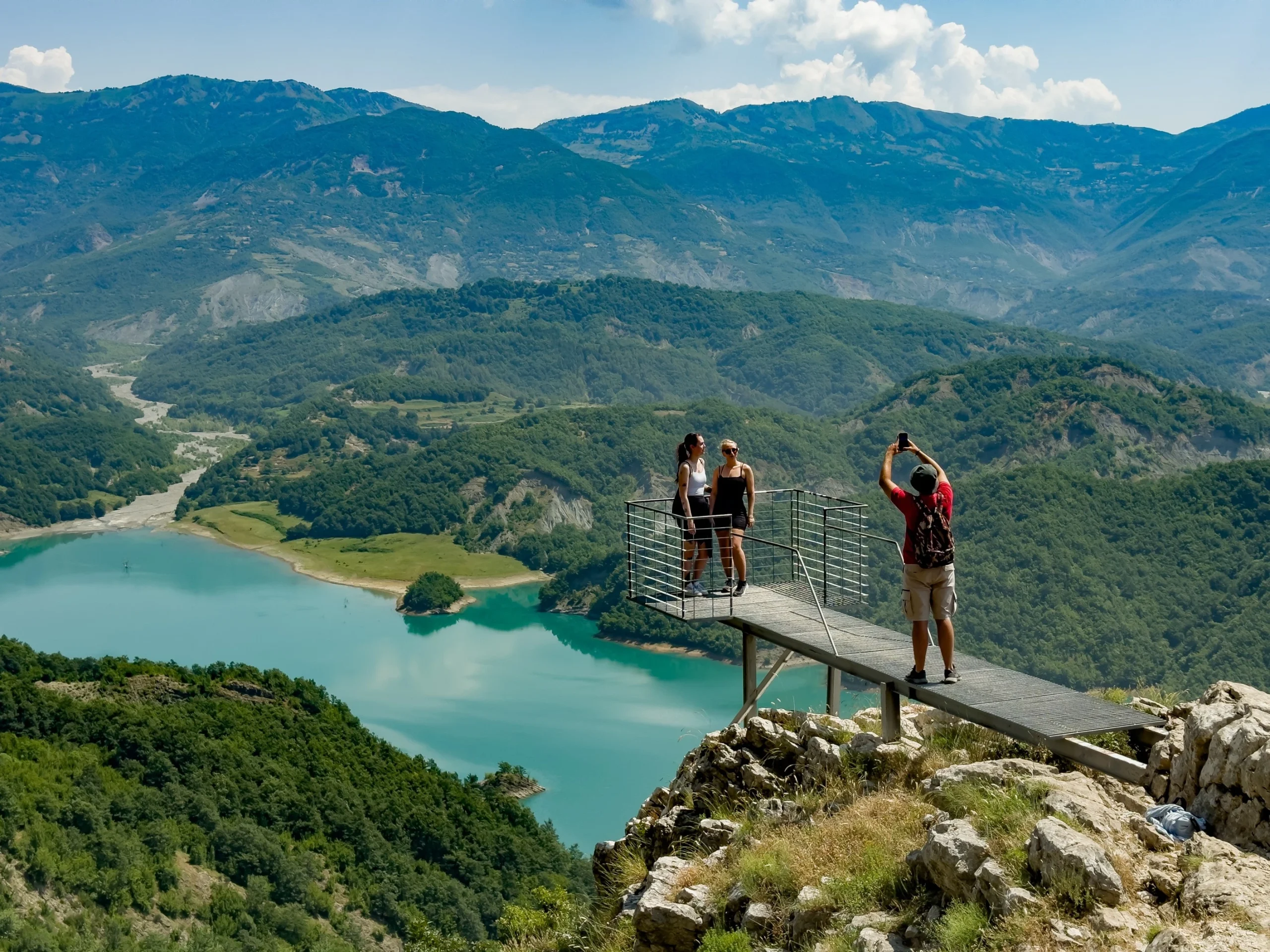
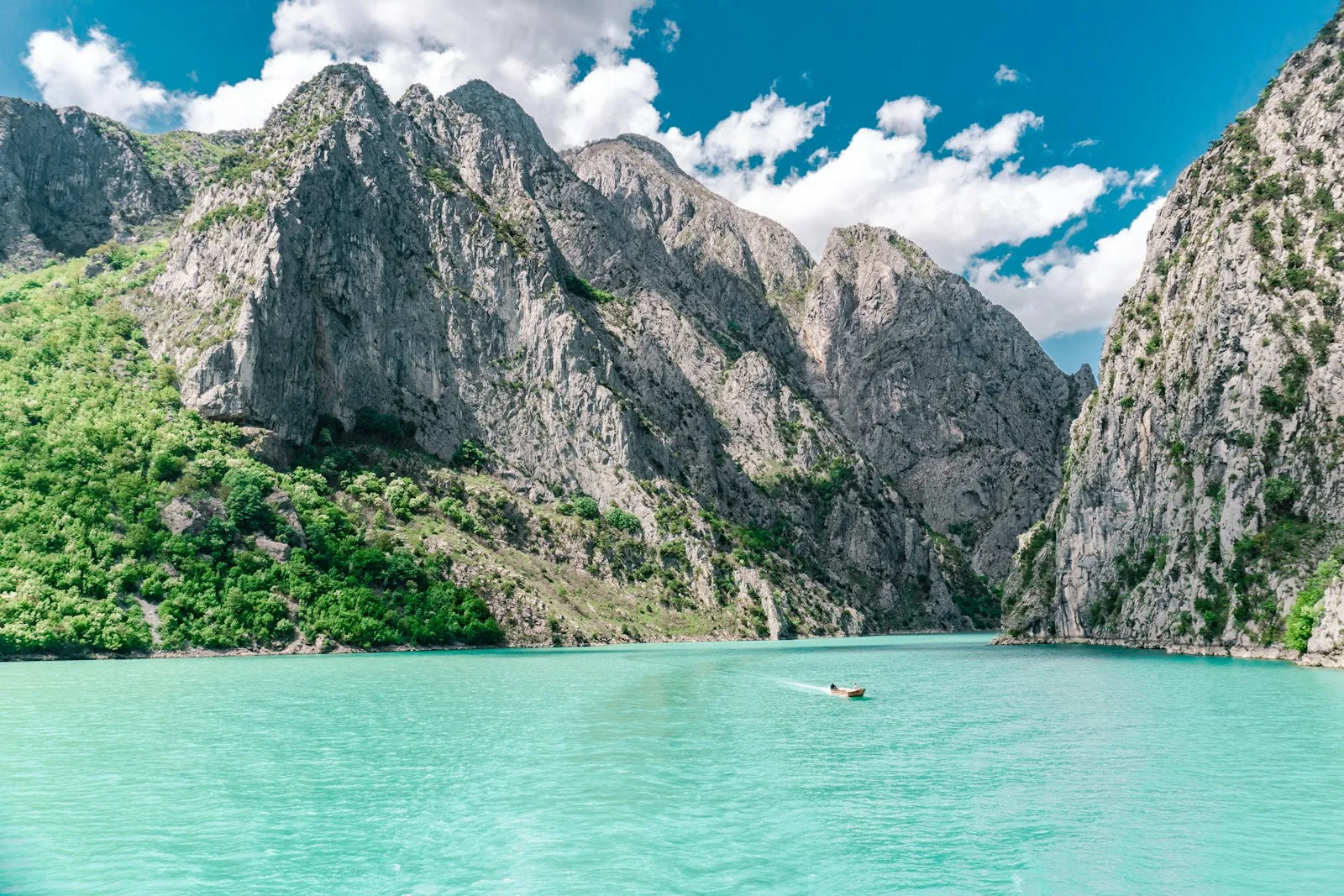
The mountain lies within Dajti National Park, first protected in 1966. Its slopes change with altitude, from oak woods lower down to beech and conifers higher up, and the park is home to wild boar, foxes and, more elusively, wolves. Within the wider park you will also find the turquoise Lake Bovilla and the Pëllumbas Cave in the Erzen river gorge, south-east of the city.
Riding the Dajti Ekspres
The lower station of the Dajti cable car is on Tirana’s eastern outskirts, a short taxi or city-bus ride from the centre. The Austrian-built gondola opened in 2005, and its enclosed cabins glide over fields and villages before climbing steeply above forest and cliffs.
The ride takes around 15 minutes each way, so allow up to 20. On a clear day you can look back over the whole of Tirana and the plain beyond – sit facing downhill on the way up for the best views.
Practical points
- Opening days: the cable car has a weekly closing day (Tuesday, at the time of writing) and can stop in strong winds or storms, so check before you go.
- Hours: it runs from morning until early evening, with longer hours in summer.
- Tickets: buy them at the lower station; prices change, so check the current rate locally.
- Crowds: summer weekends are the busiest time, so go early or in the late afternoon.
- By road: a winding road also climbs to the plateau if you prefer to drive or the cable car is not running.
What to do at the top
The upper station opens onto a broad, wooded plateau with enough to fill a relaxed half-day:
- Viewpoints: terraces on the edge of the plateau look straight down onto Tirana, and the view is spectacular at sunset as the city lights come on.
- Food and drink: the Ballkoni Dajtit restaurant sits on the clifftop, and the Dajti Tower Belvedere Hotel has a revolving restaurant at the top of its tower.
- Family fun: an adventure park with rope courses, mini golf and a children’s playground make Dajti a good family outing.
- Forest walks and picnics: paths lead into the woods within minutes of the station.
Restaurants on the plateau serve traditional Albanian dishes, and a long lunch with a view is half the appeal. For more ideas close to the capital, see our round-up of top activities in Tirana.
Walking and hiking on Mount Dajti
Dajti is Tirana’s favourite escape for walkers. Easy paths run through the forest from the upper station, and you can turn them into a gentle loop of an hour or two.
Longer routes climb towards the main ridge, several hundred metres above the plateau. Allow a good half-day for the round trip, carry water and a downloaded map, and be aware that trails are not always well marked. The very top is occupied by antenna installations, so check locally which areas are open to walkers.
Weather changes quickly at altitude. Even in summer it is noticeably cooler than in Tirana, and in winter the upper slopes can be under snow, so pack an extra layer whatever the season.
Shëngjergj waterfall: the perfect pairing
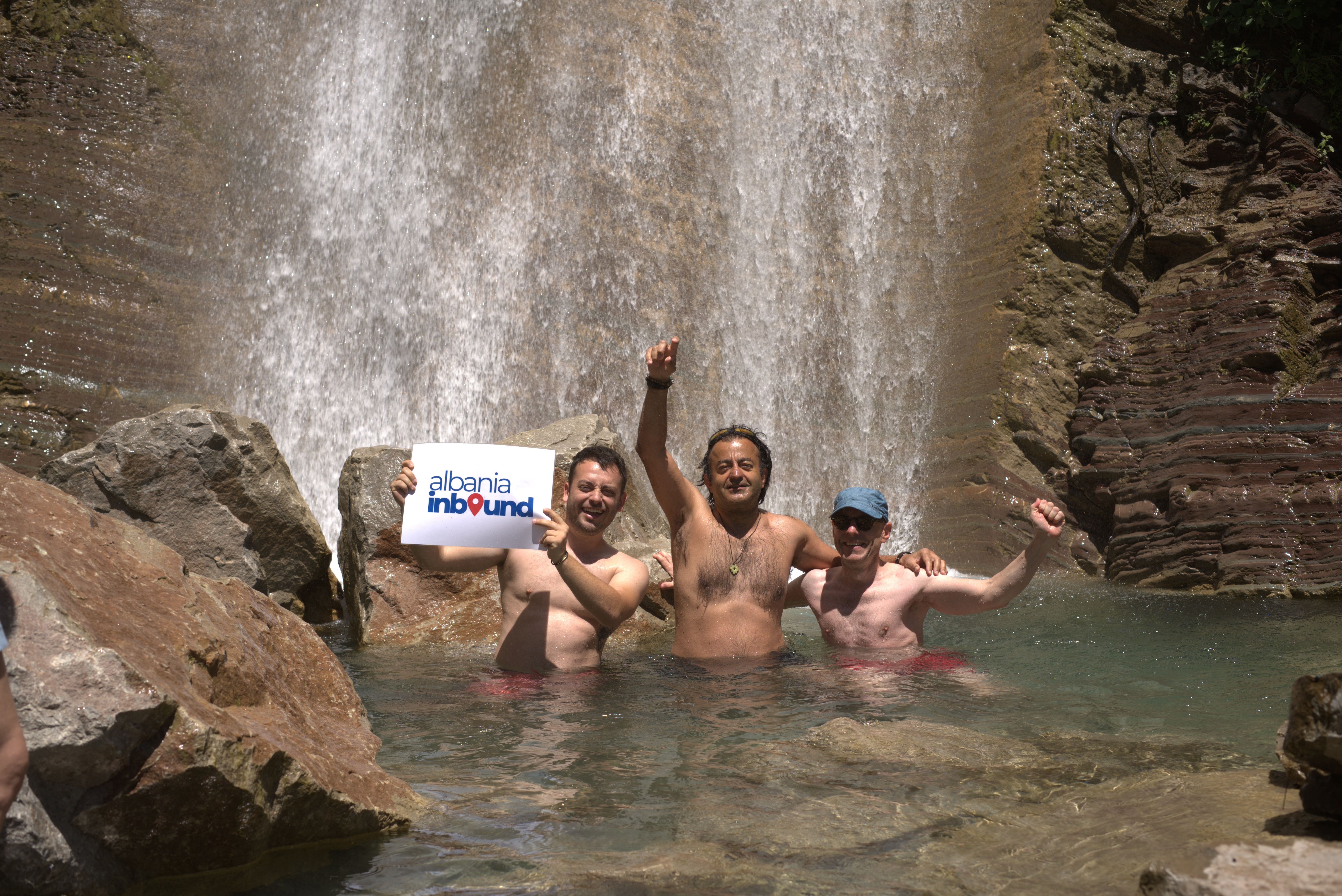
Beyond Dajti, a mountain road winds east to Shëngjergj, a village chosen for Albania’s “100 Villages” rural tourism programme. Its star attraction is the Shëngjergj waterfall, which drops about 30 metres down a rock face, fed by springs from the mountains above.
The walk from the road is short – roughly 15–30 minutes along a stream – although the final stretch is steeper and the stones can be slippery. Spring and autumn usually bring the strongest flow, while in summer the cool pool at the bottom is a welcome place to dip your feet. A restaurant near the trailhead serves traditional local food, making it easy to turn the visit into a long lunch.
Combining the two is simple with a car. It is also exactly what our Dajti and Shëngjergj day tour does: a cable car ride, free time on the plateau, a drive to Shëngjergj, the waterfall walk and a traditional lunch, returning to Tirana in the afternoon.
When to visit and what to bring
- Best time: spring and autumn for clear air and comfortable walking; summer to escape the city heat; winter for snowy views, weather permitting.
- Time needed: half a day for the cable car and plateau, or a full day if you add a hike or Shëngjergj.
- What to bring: walking shoes, a warm layer, water, sun protection and some cash for small cafés.
- Good to know: the cabins are enclosed, but the ride runs high above the ground, so it may not suit anyone with a strong fear of heights.
If you enjoy Dajti, save another day for Lake Bovilla and the Gamti mountain hike, which looks down on the same national park’s most photogenic reservoir. The lake supplies Tirana’s drinking water, so it is a place for views and walking rather than swimming.
Frequently asked questions
How long is the Dajti Ekspres cable car ride?
The ride takes around 15 minutes each way, so allow up to 20, and covers roughly 4.7 km from Tirana’s eastern outskirts to a plateau at about 1,050 metres. It is often described as the longest cable car in the Balkans. Add some waiting time at weekends and in summer, when queues can build at the lower station.
Is the Dajti cable car open every day?
No. The cable car has a weekly closing day, which at the time of writing is Tuesday, and it can also stop in strong winds, storms or heavy snow. Opening hours are longer in summer than in winter. Always check the latest information before you travel, particularly if Dajti is the main plan for your day.
How do I get to the Dajti Ekspres from central Tirana?
The lower station is on the eastern edge of the city, a short taxi ride or city-bus journey from the centre; a taxi is the simplest option if you are short on time. Alternatively, join a guided day tour with pick-up near your hotel, which can combine the cable car with the Shëngjergj waterfall and lunch in the mountains.
Can you walk up Mount Dajti instead?
Yes. Footpaths climb the mountain from Tirana’s outskirts, but it is a long, steep ascent that takes several hours, so most people ride up and walk on the plateau instead. Experienced hikers can continue from the upper station towards the main ridge. Carry water, a downloaded map and a warm layer, as trails are not always clearly marked.
Is Mount Dajti worth visiting?
Yes, especially if you are spending more than a day in Tirana. The cable car ride itself is memorable, the views over the capital are superb, and the plateau offers cooler air, forest walks and good food within easy reach of the city. Combined with the Shëngjergj waterfall, it makes one of the most rewarding nature days near Tirana.
Visit Dajti with us
Want the easy version? Our Dajti Cable Car and Shëngjergj Waterfall Day Tour handles the transport, the cable car and lunch, or send us a private tour request to build Dajti into a longer stay in and around Tirana.