The name means 'thrown sand', and it describes exactly what you see: a slope of pale sand rising up the flank of a wooded hill above the Adriatic, a few kilometres north of Shëngjin. Dunes on this scale, climbing rather than lying flat, are unusual anywhere on the eastern Adriatic and unique in Albania.
What makes it strange
Wind off the sea has pushed sand inland and up against the hillside over a very long period, building a dune field that meets pine forest at its upper edge. The contrast — beach, dune, then trees — happens within a couple of hundred metres.
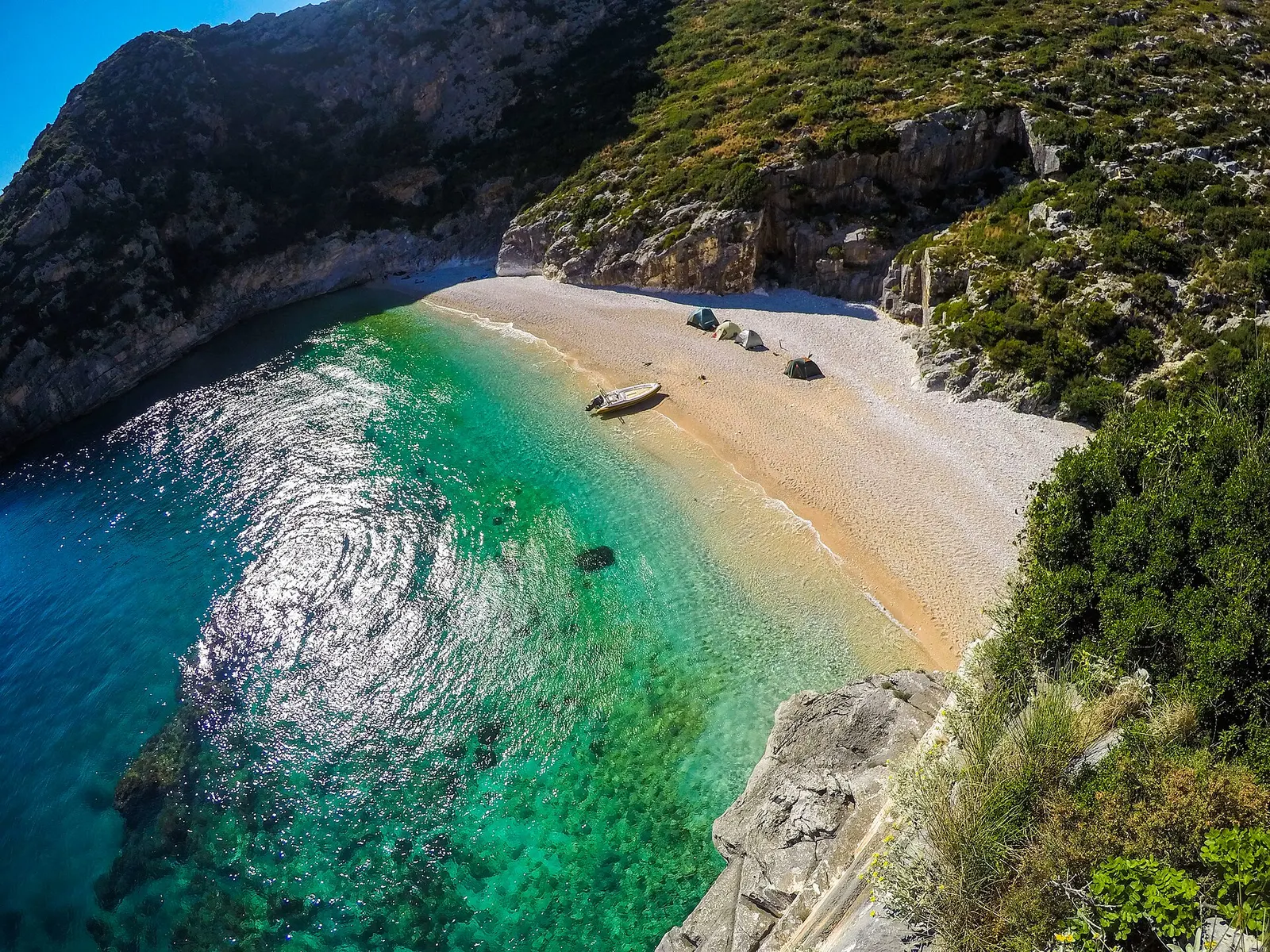
The beach below is wide, sandy and usually far emptier than Shëngjin's main strip, because getting here takes slightly more effort than parking on the promenade.
Getting there
From Shëngjin, a road runs north along the coast and a track leads towards the dunes; in summer boats also run from Shëngjin's harbour, which is the easiest approach and the most enjoyable. On foot from the town it is a walk of several kilometres along the shore.
Lezha is the nearest town of size, twenty minutes inland, and about an hour and a half from Tirana.
When to go
June to September for swimming. Spring and autumn are better for walking the dunes without heat, and the light on the sand is best early and late. The area is exposed to westerly wind, which is what built it and which can make a day here bracing.
Protect it
Dune systems are fragile. Vegetation holding the sand together takes years to establish and minutes to destroy, and vehicle tracks across dunes cause damage that lasts seasons. Walk, do not drive, and keep to existing paths where they exist.
The site falls within a protected coastal area, and pressure from development along this coast is increasing.
What else is nearby
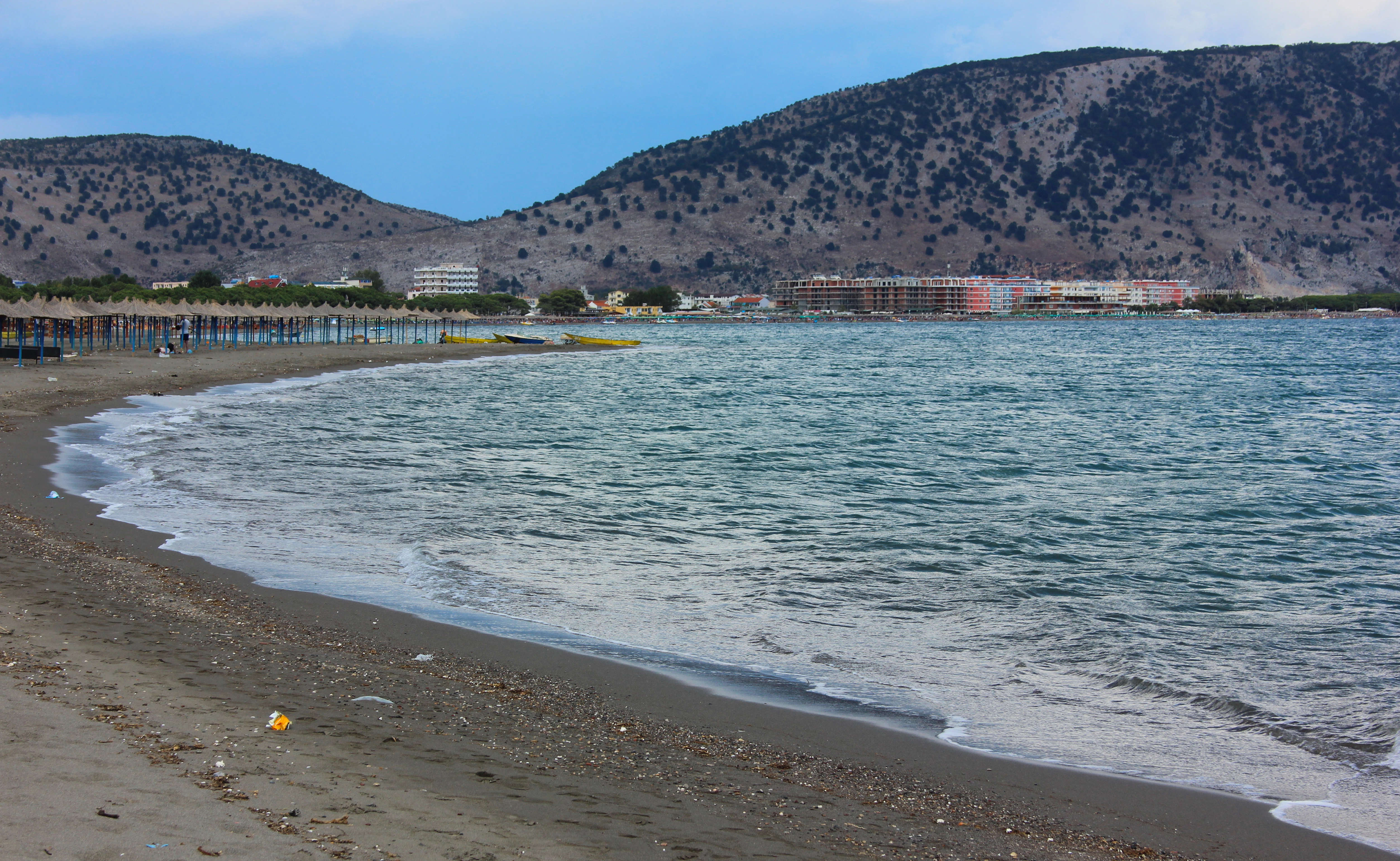
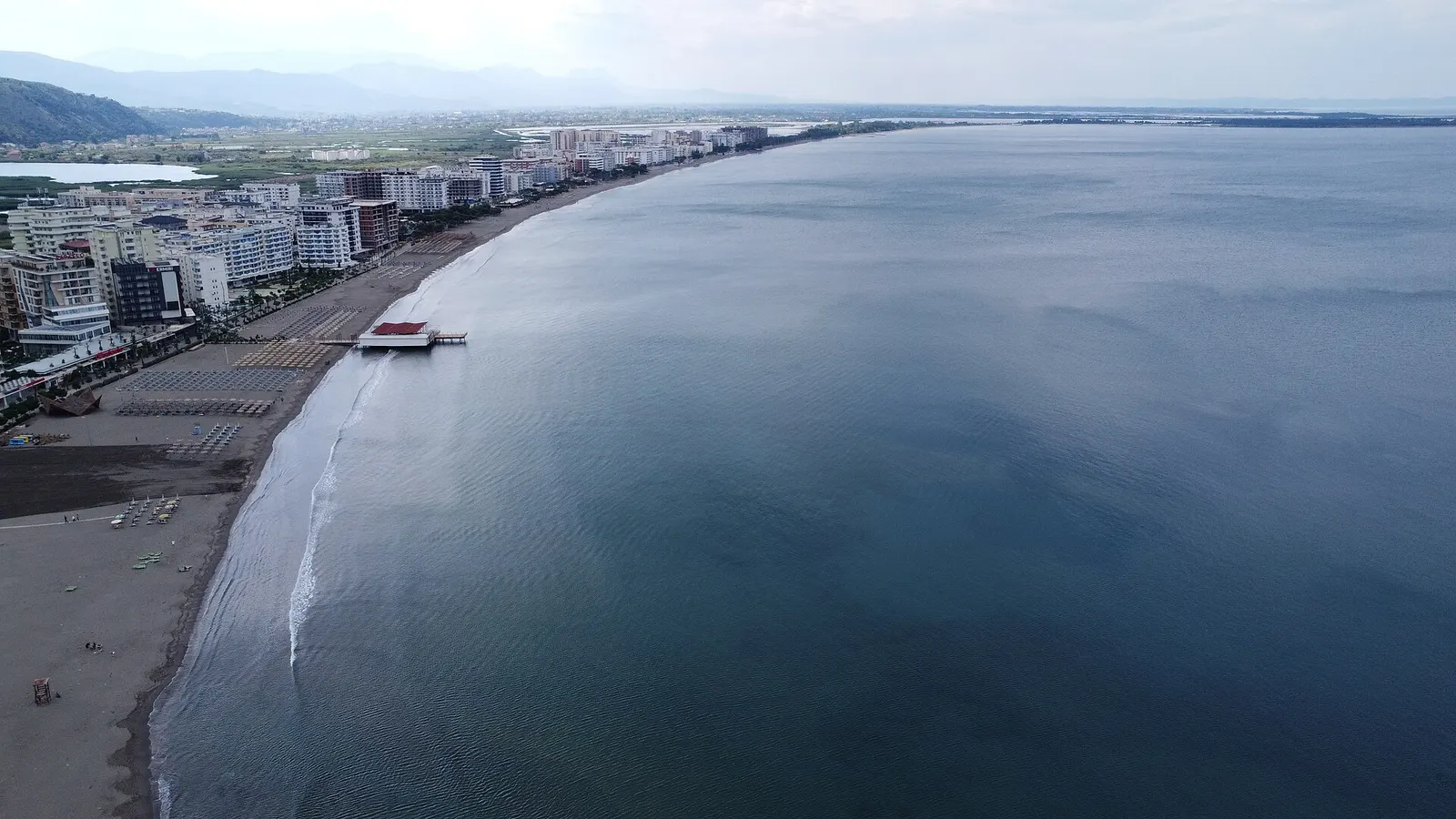
Shëngjin itself is a busy domestic resort with a long sandy beach and plenty of simple hotels. Inland, Lezha holds the memorial of Skanderbeg, who was buried there in 1468, and the Kune-Vain lagoon south of the town is a protected wetland good for birds.
Practical notes
- No facilities at the dunes — bring water, food and shade.
- Sand gets extremely hot in midsummer; footwear matters.
- Boats from Shëngjin run only in season and depend on sea conditions.
- Take everything out with you.
Albania's north coast gets written off as flat and ordinary. Rana e Hedhun is the argument against that.
Common questions
What makes Rana e Hedhun unusual?
Wind has pushed sand inland and up the flank of a wooded hill, building a dune field that climbs rather than lies flat. There is nothing else like it in Albania.
How do I get to the dunes?
In summer the easiest approach is by boat from Shëngjin harbour. By land a track runs north along the coast, and on foot it is a walk of several kilometres along the shore.
Can I drive on the dunes?
No. Vehicle tracks destroy the vegetation that holds the sand together, and the damage lasts seasons. Walk, and keep to existing paths.