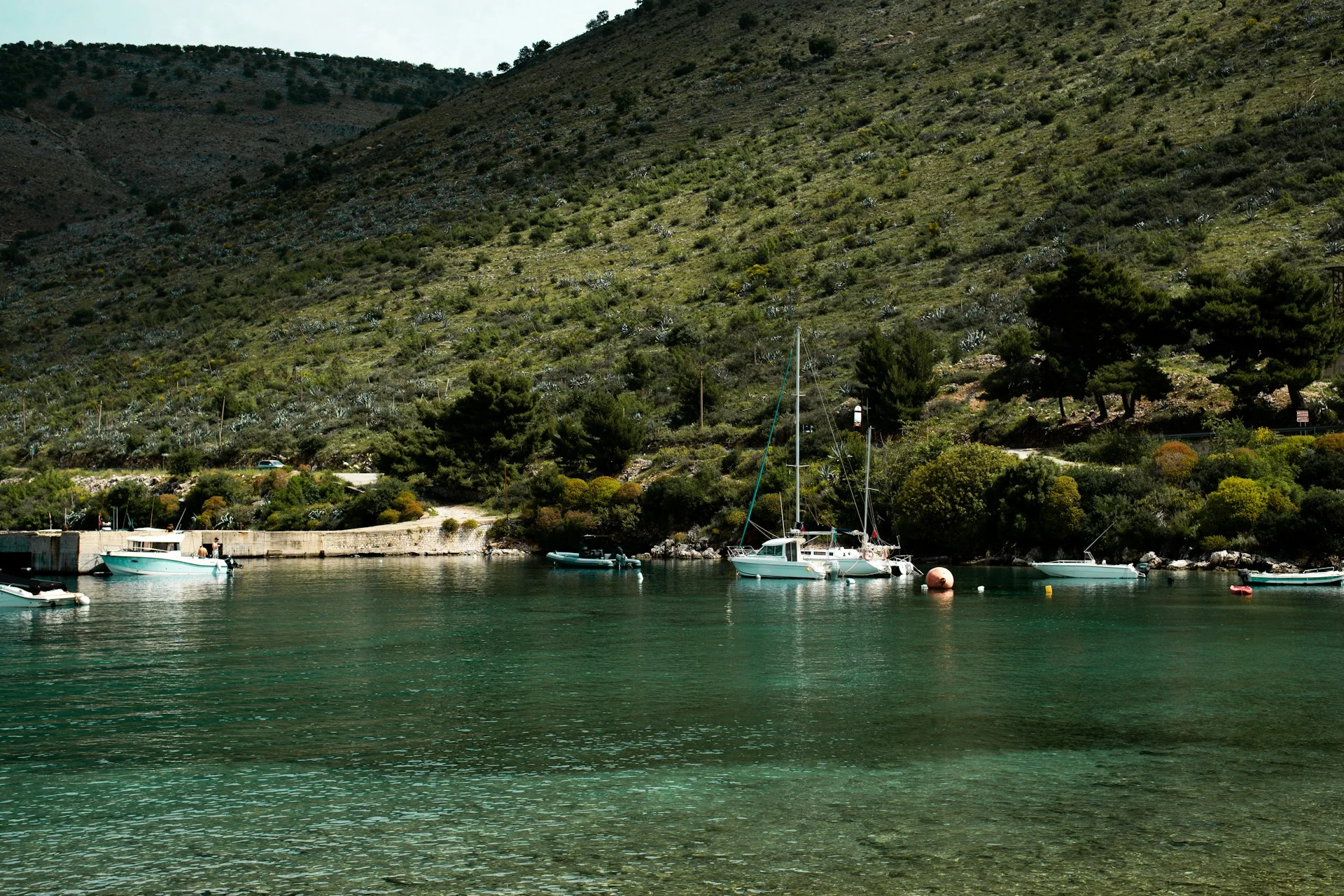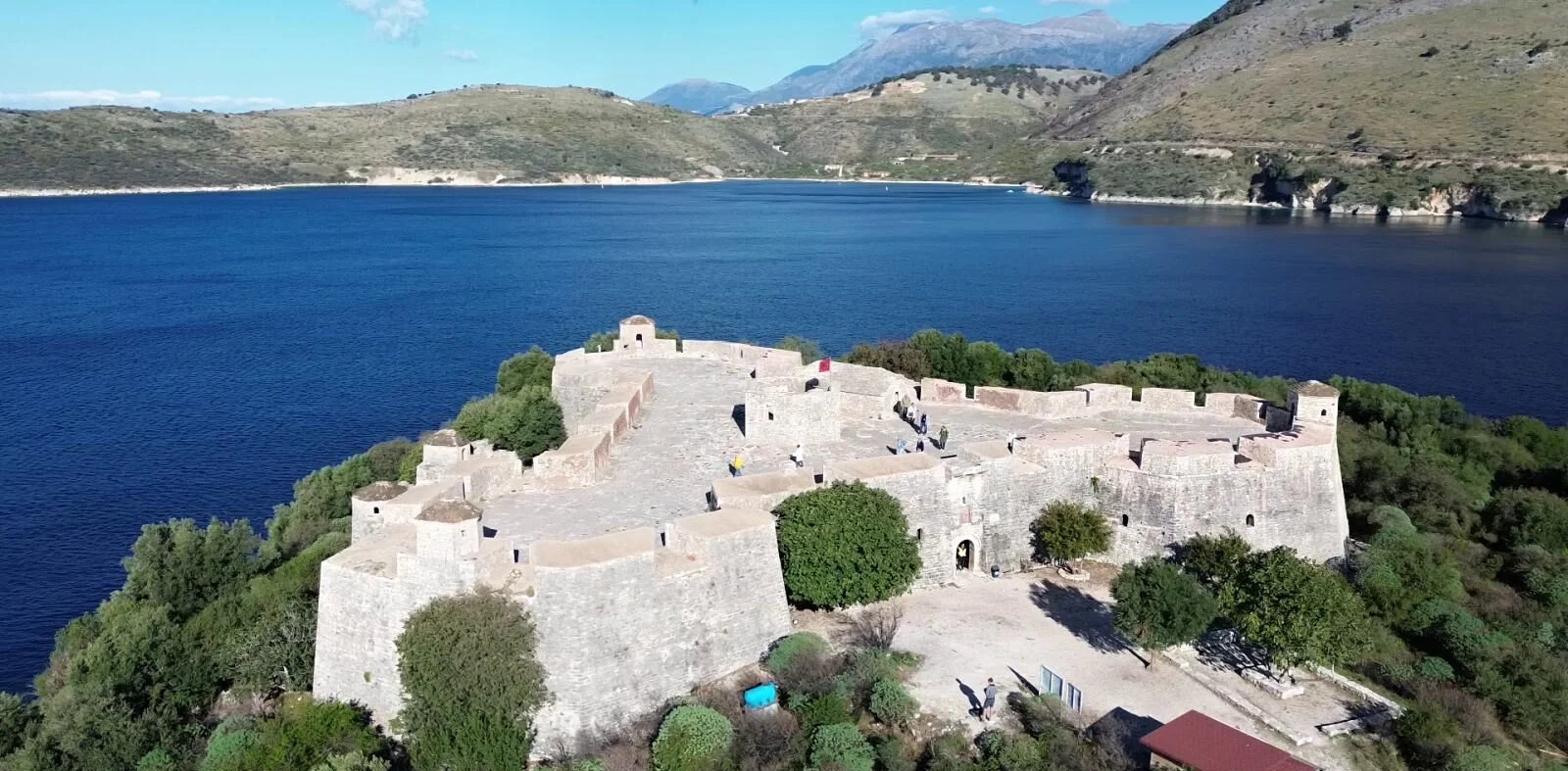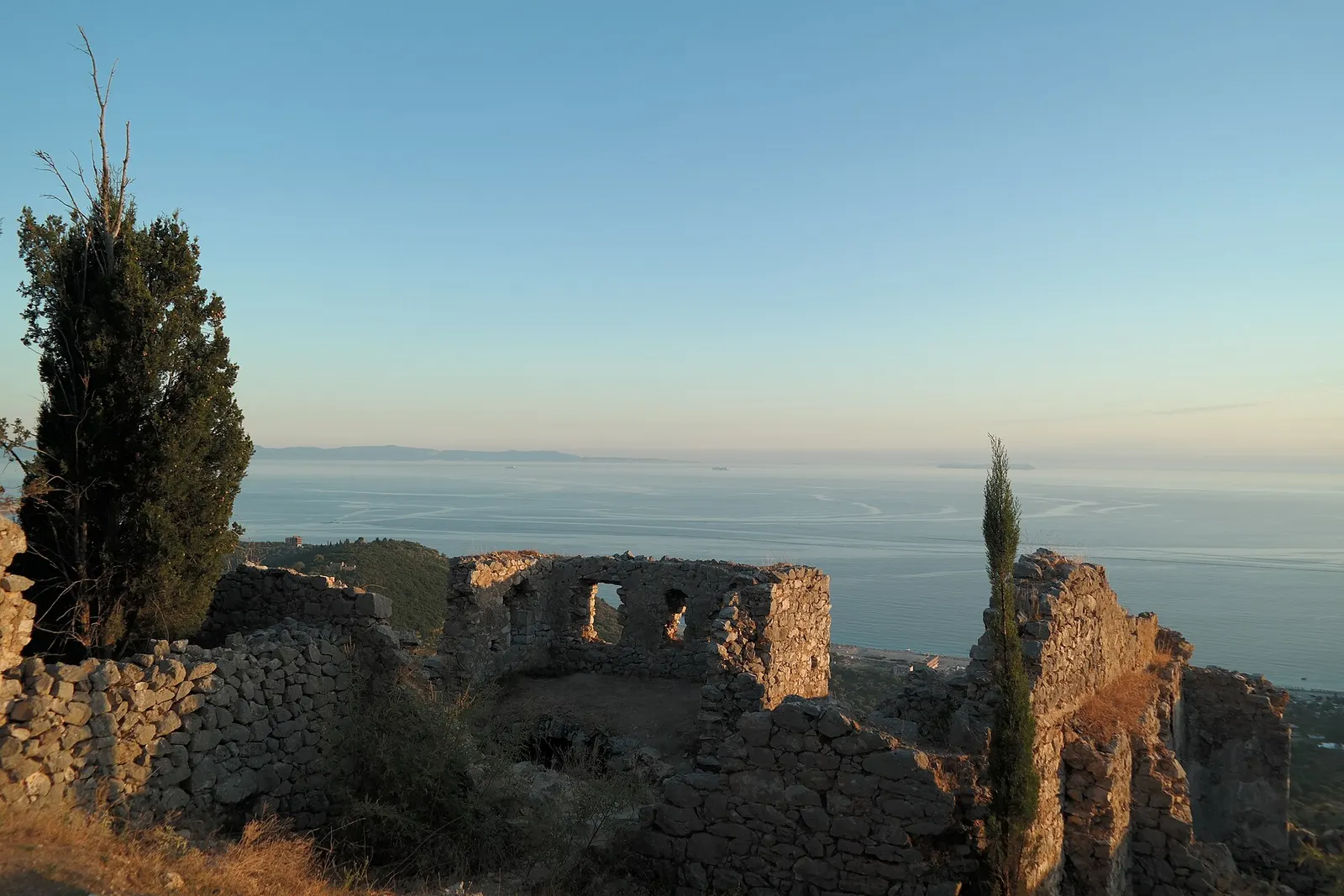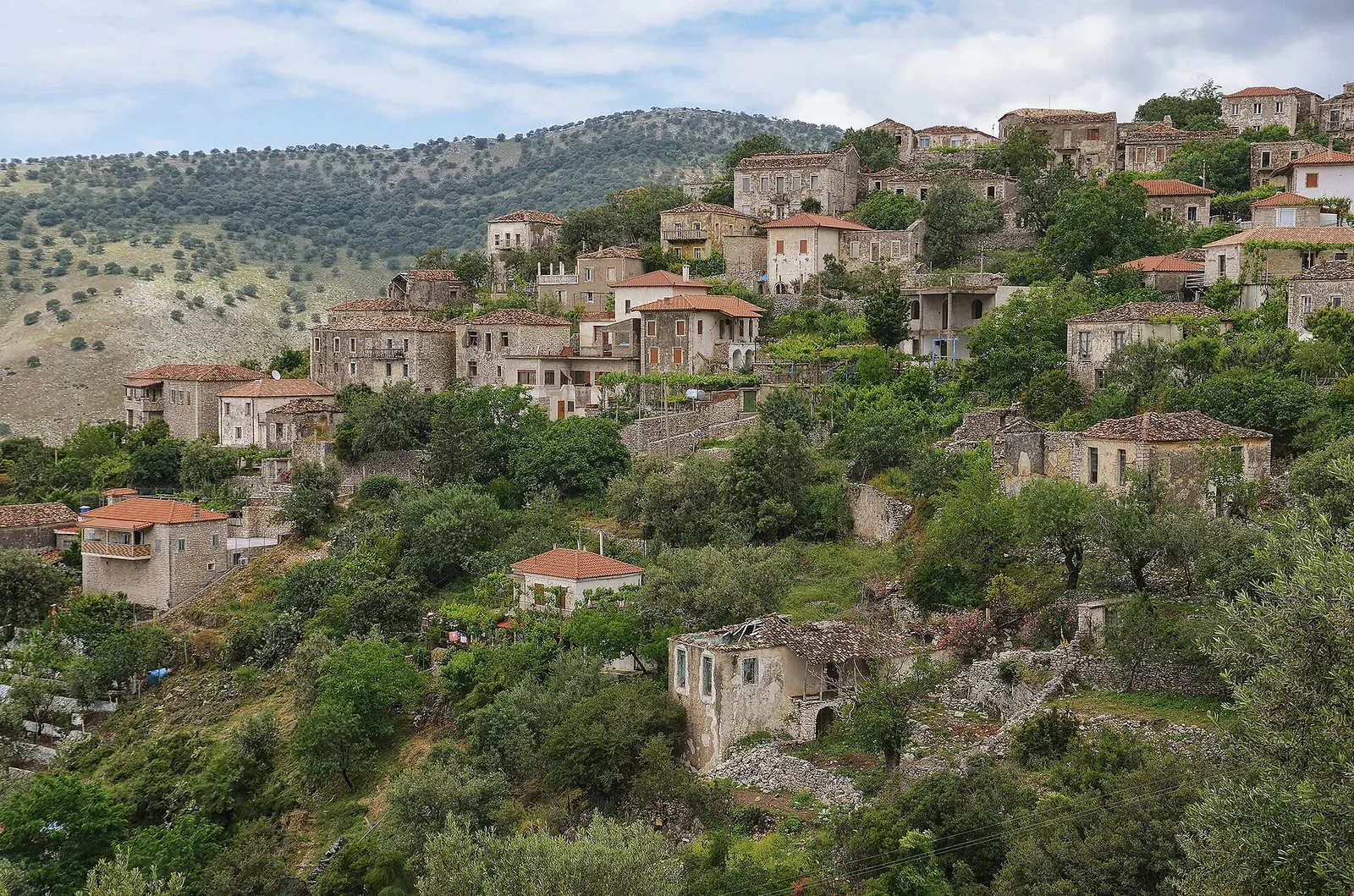
The area has deep roots: the nearby hill of Karos preserves fortifications dating back to the Bronze and Iron Ages, and the village appears in records of the Himara region from the 16th century. Two Orthodox churches stand among the houses, St. Demetrius, dated 1760, and St. Mary, built in 1796, together with an old school building from the early 19th century. Emigration in recent decades left many homes empty, yet their stone walls and carved wooden doors still give the lanes great character.
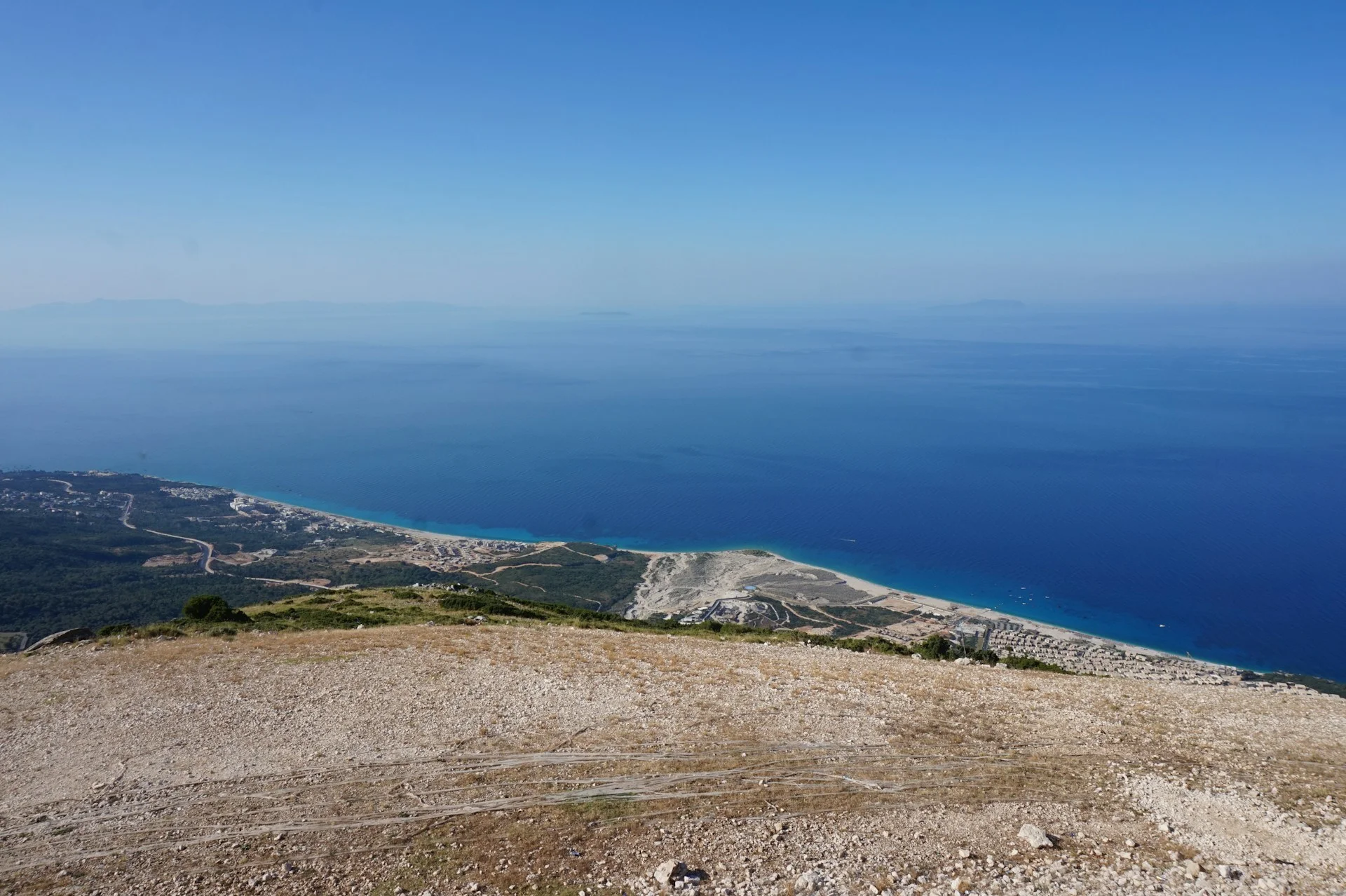
Today Old Qeparo is a peaceful place to wander, with quiet lanes, three-storey stone houses whose vaulted ground floors once held livestock and stores, and wide views over the sea. It can be reached by road or on foot from the coast in under an hour, and a short trail from the northern edge of the village leads through olive groves to the ruins of Karos. Spring and autumn are ideal for walking here.
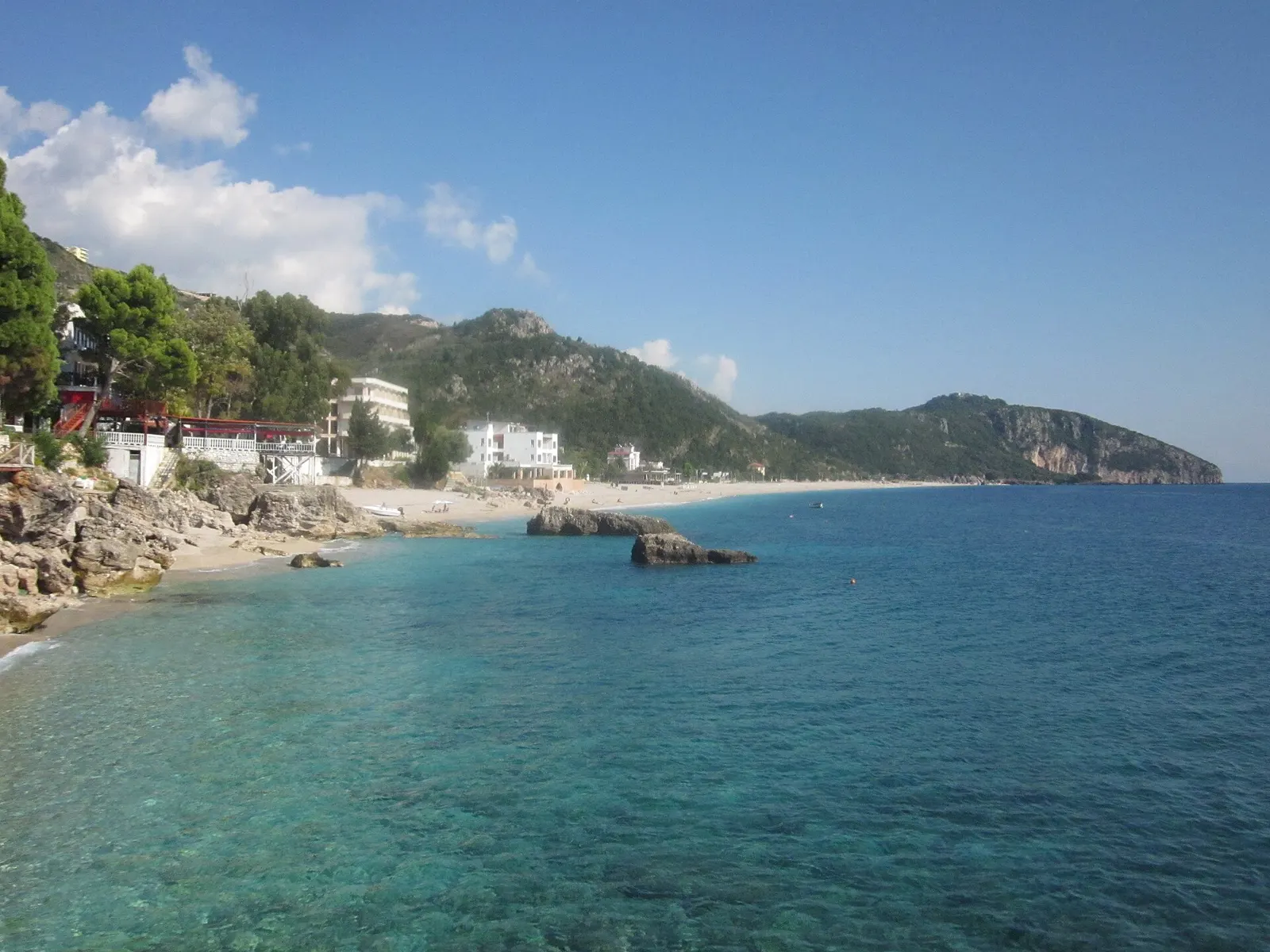
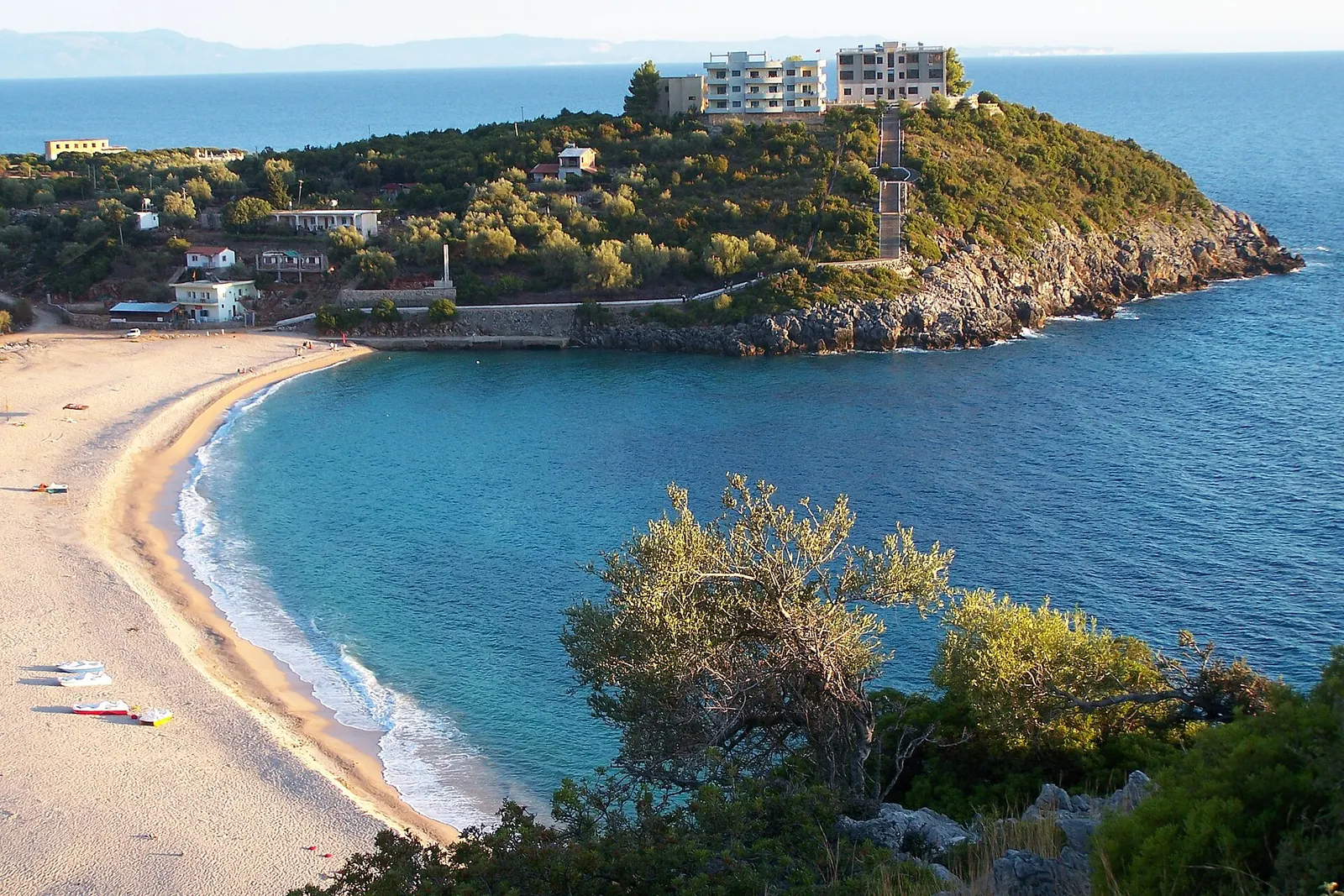
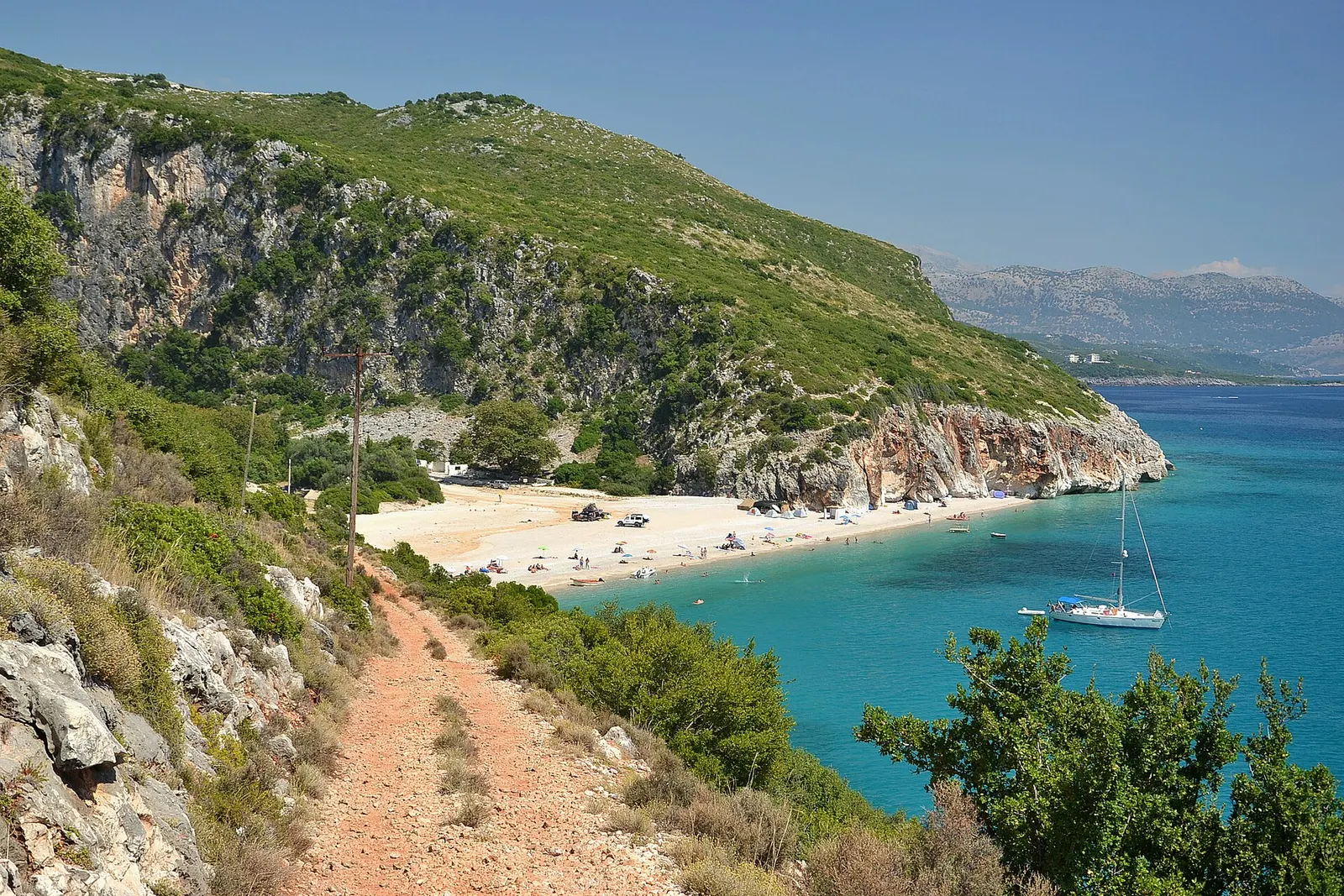
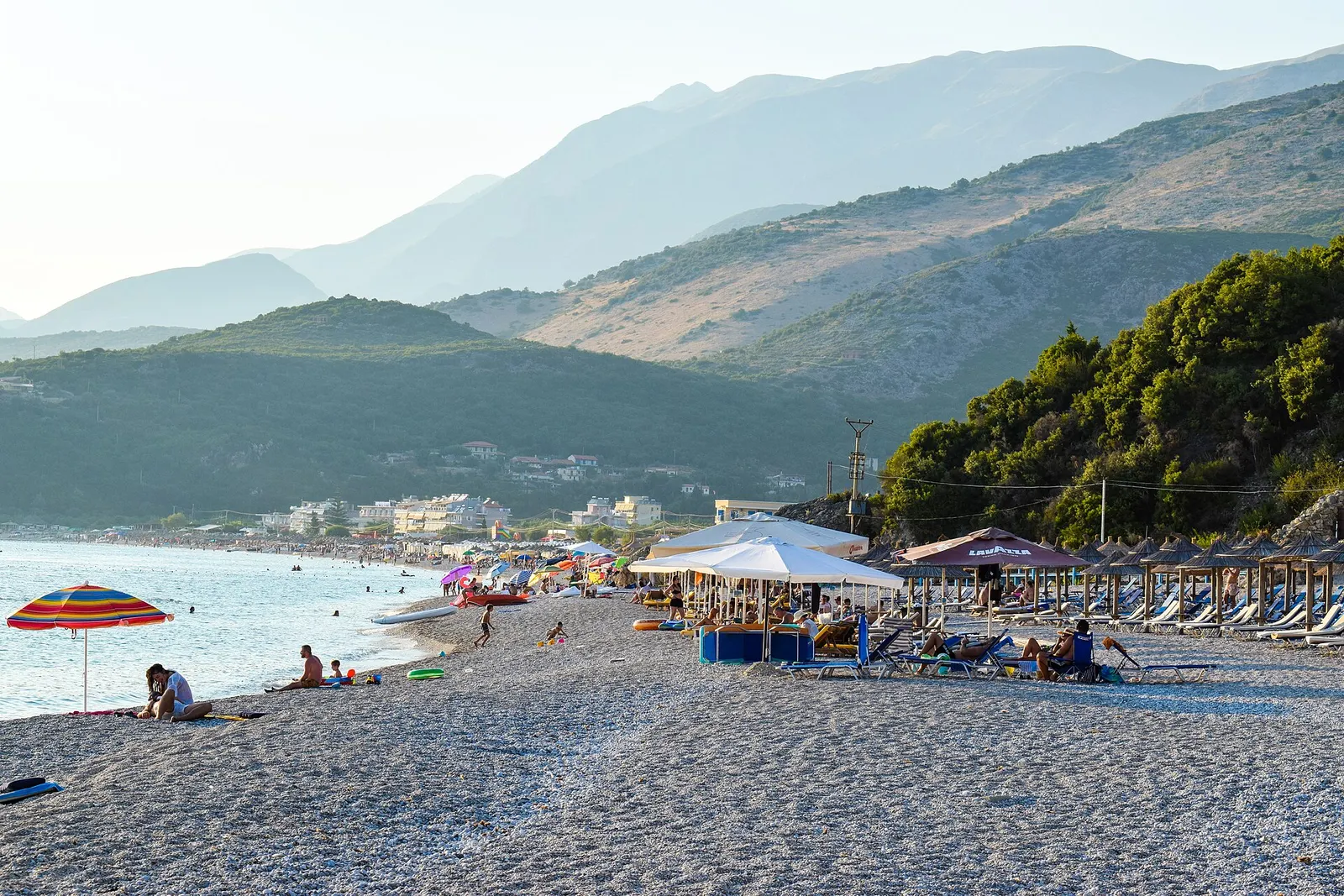
After a swim on the beach below, the climb to Old Qeparo is a wonderful way to discover the Riviera’s traditional village life.