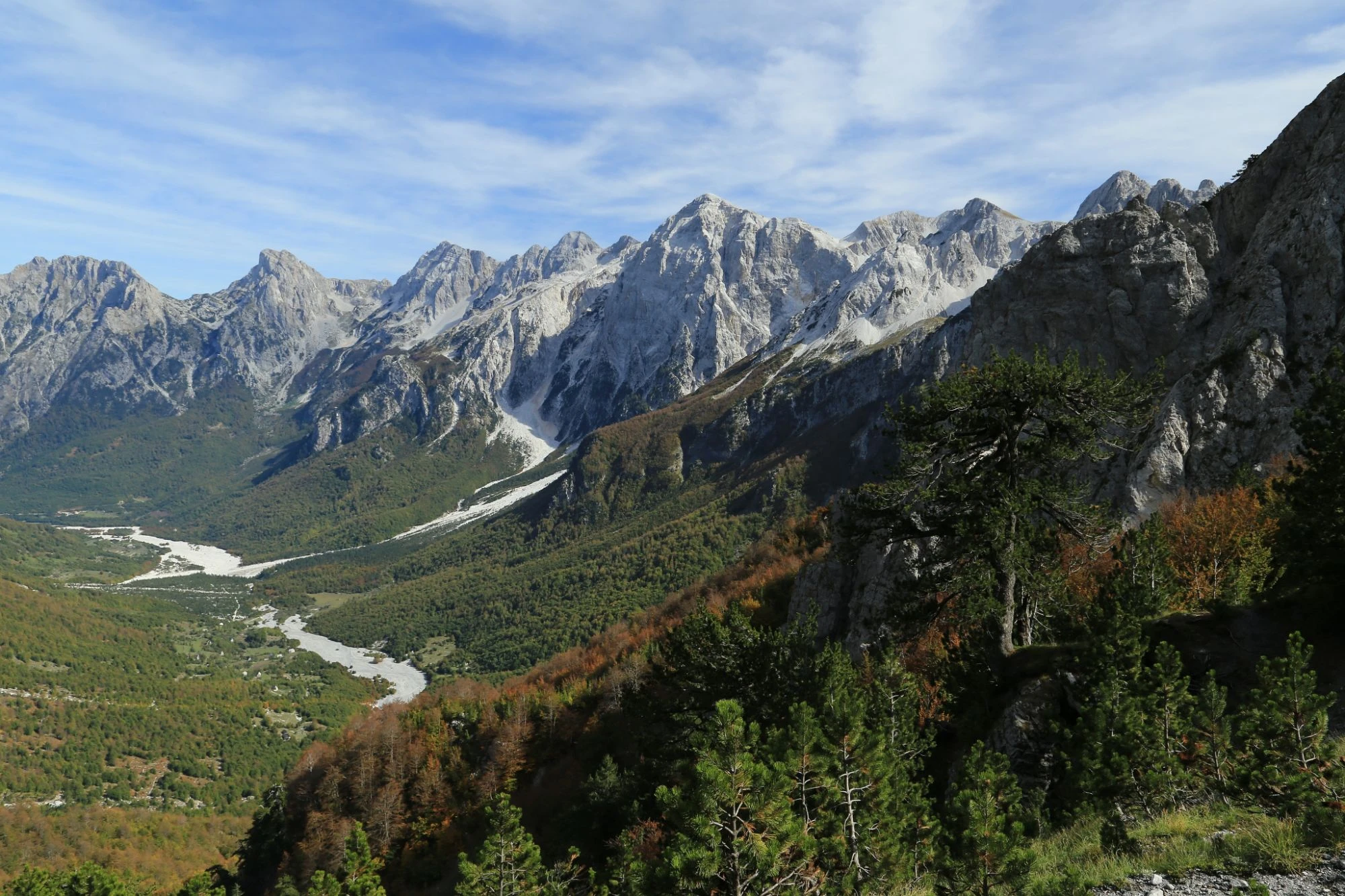
Kelmend is a remote mountain region in the far north of Albania, on the border with Montenegro, whose best-known villages are Lëpushë and Vermosh, the northernmost village in the country. It is worth visiting for its alpine meadows, wooden-roofed farmhouses, cold rivers and quiet hiking trails in the Albanian Alps, far from the busier valleys of Theth and Valbona. You reach it by road from Shkodër, following the Cem valley through Tamarë and climbing over the mountains to Lëpushë and Vermosh, a drive that takes most of a day if you stop along the way.
For many travellers Kelmend is the corner of the Albanian Alps they discover on a second visit: the scenery is just as dramatic, but tourism is still small-scale and life follows the rhythm of the summer pastures. This guide explains where it is, how to get there, what to see and how to fit it into a wider trip in northern Albania.
Where Kelmend is and how to get there
Kelmend is a municipality in Shkodër County, filling the north-western corner of the Albanian Alps (Bjeshkët e Nemuna, the “Accursed Mountains”). It borders Montenegro to the north and west, and the high ridges separating it from the Theth valley lie to the east. Its main settlements include Tamarë, the administrative centre, Selcë, Vukël, Nikç, Lëpushë and Vermosh.
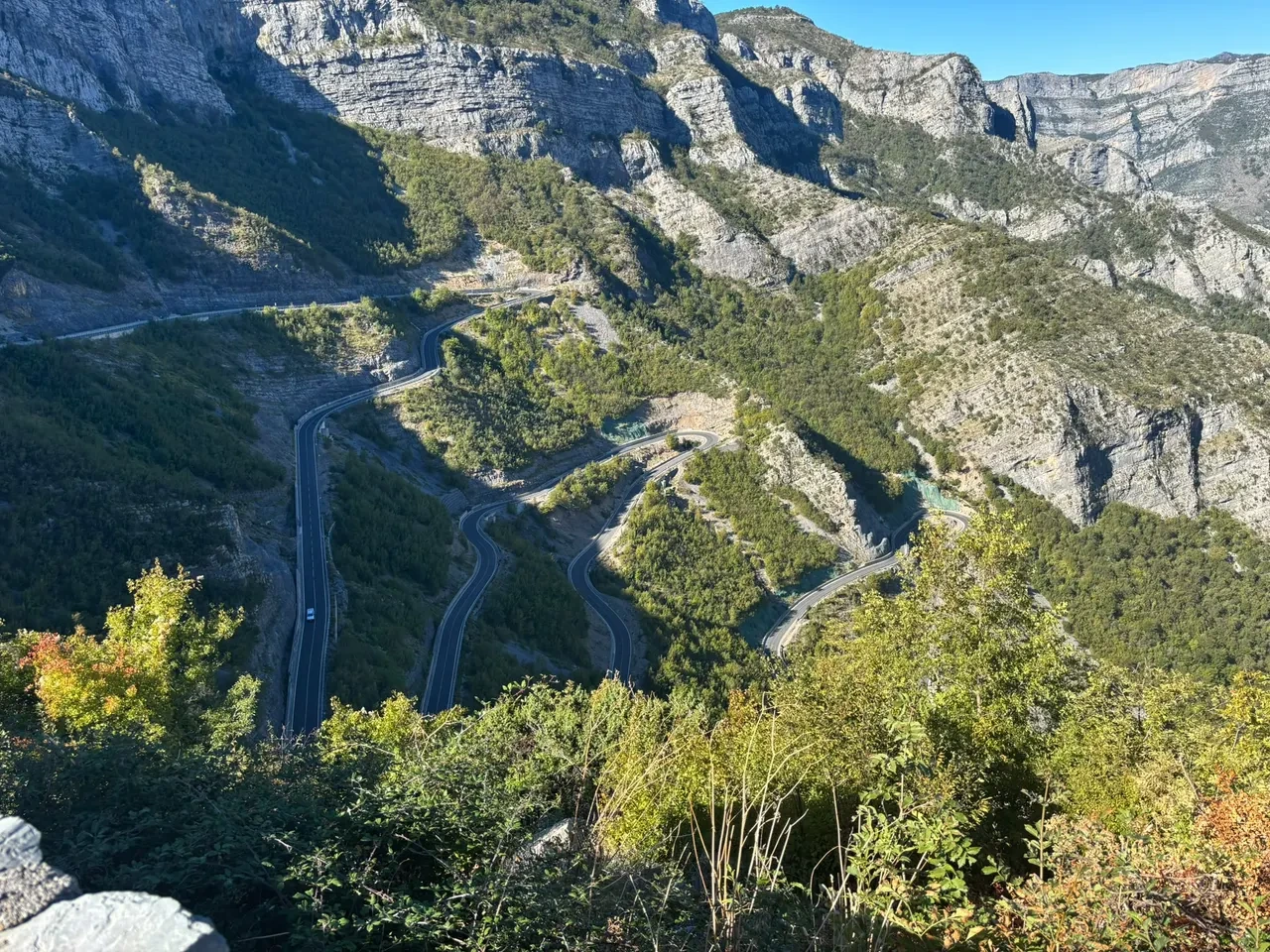
The usual approach is from Shkodër. The road heads north past Lake Shkodër towards the Hani i Hotit border area, then turns into the mountains and climbs the famous Rrapsh hairpins (Leqet e Hotit), a series of tight switchbacks with wide views back over the lake. From there it descends into the valley of the Cem river (Cijevna in Montenegrin), passes Tamarë and continues up through forest to Lëpushë and finally Vermosh.
The road is paved for most of its length today, but it is narrow, winding and exposed to rockfall and snow in winter, so drive slowly and allow plenty of time. Local minibuses (furgons) run between Shkodër and the Kelmend villages, but they are infrequent and timetables change with the season, so ask in Shkodër or at your guesthouse the day before. Many visitors prefer a private transfer or a guided trip.
There is also a road link from Vermosh towards Gusinje and Plav in Montenegro. Border crossings in this area can have limited opening periods, so check the current status before planning to cross.
What to see and do
The Cem valley and Tamarë
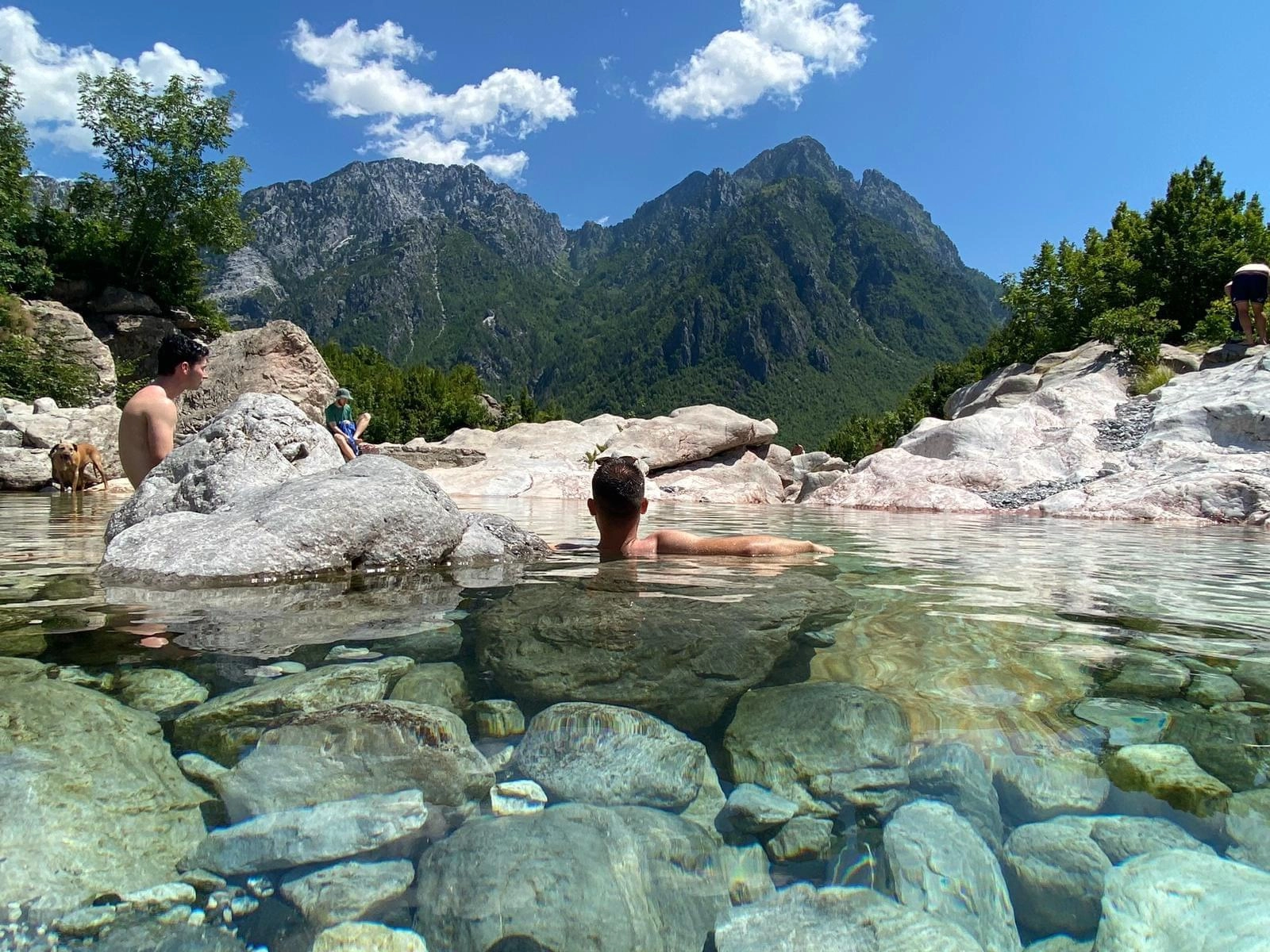
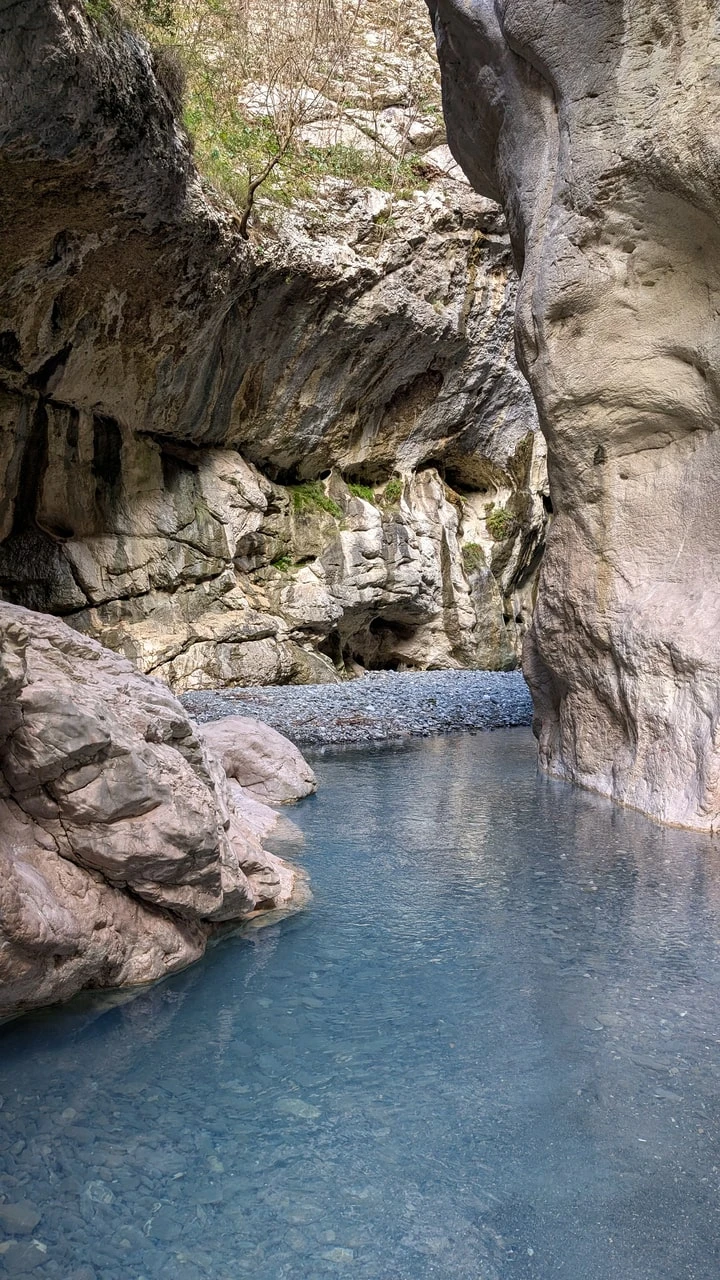
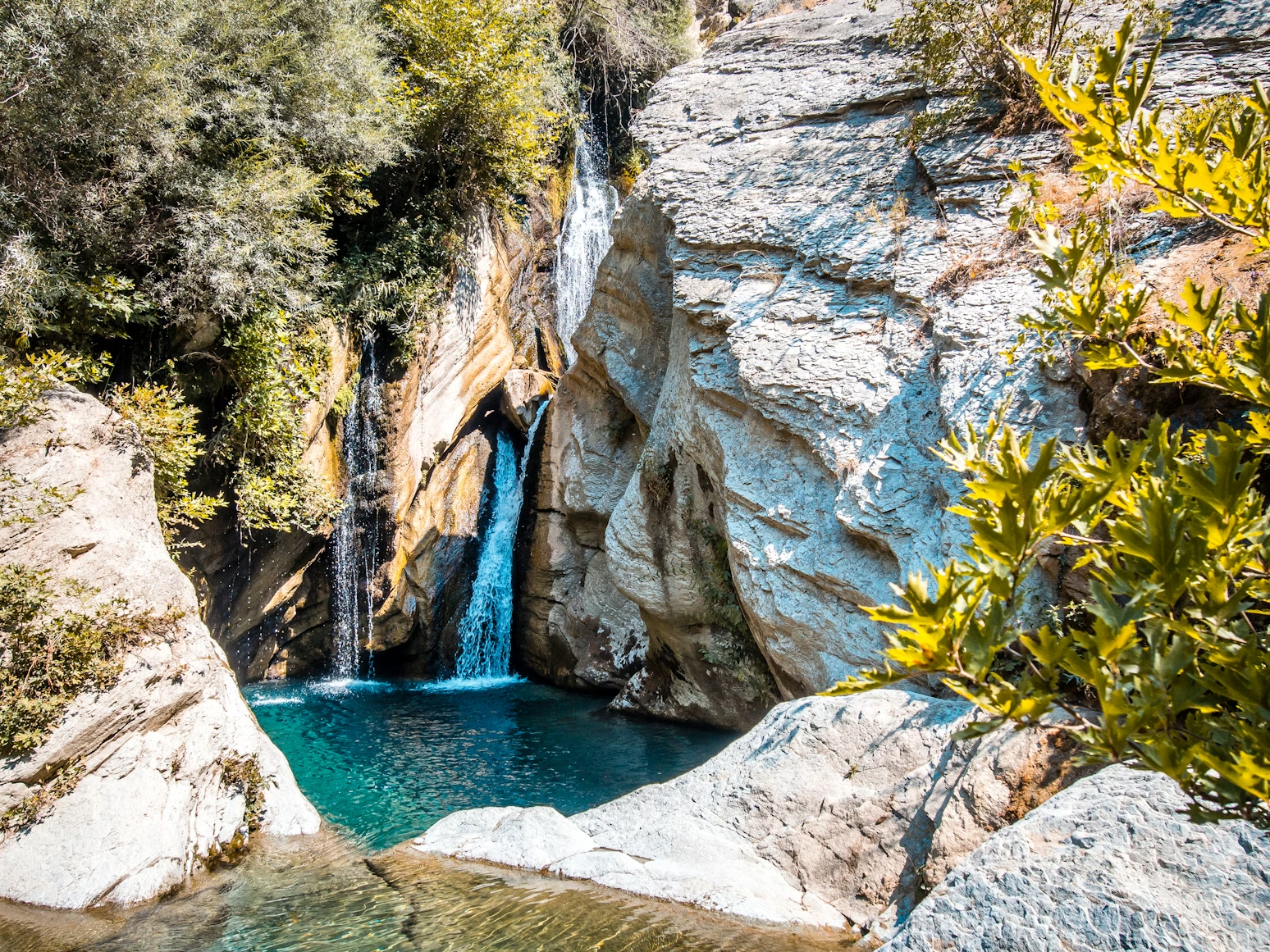
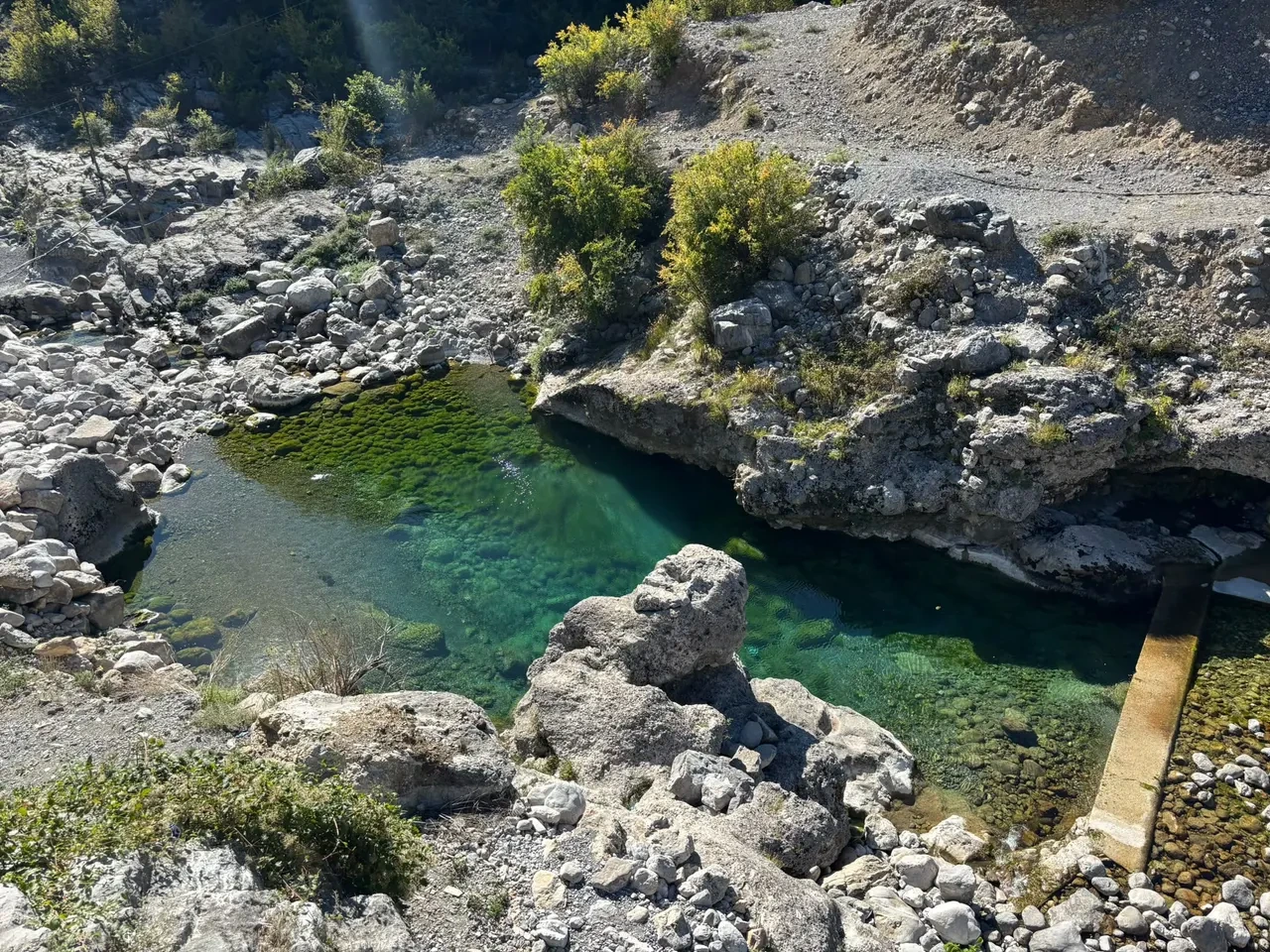
The drive itself is one of the highlights. Below Tamarë the Cem river runs clear and green between limestone walls, and in summer there are spots where locals swim in its cold pools. Small bridges, stone houses and roadside springs make this an easy place to stop and stretch your legs before heading higher.
Lëpushë
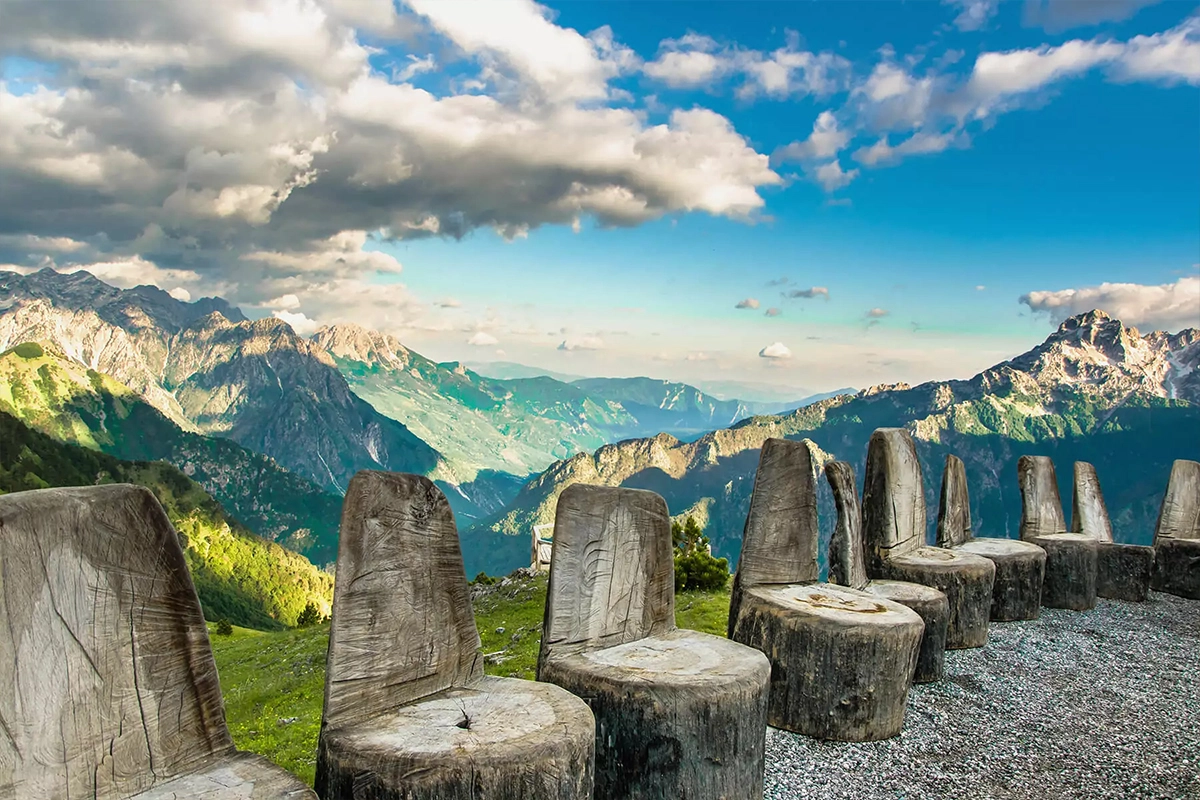
Lëpushë sits in a high, open valley ringed by peaks, with farmhouses spread across green meadows rather than clustered in a single centre. Many families still move up here in summer to graze livestock, and several houses now operate as simple guesthouses. Walks from the village lead into beech forest, up to viewpoints over the valley and towards the pastures close to the Montenegrin border.
Vermosh
Vermosh, at the head of the valley, is the northernmost village in Albania. It lies in a wide basin drained by the Vermosh river and is known for its meadows, wildflowers in early summer and the dairy products of its farms. It feels remote, yet it is a good base for gentle walks along the river or longer day hikes onto the surrounding ridges.
Hiking
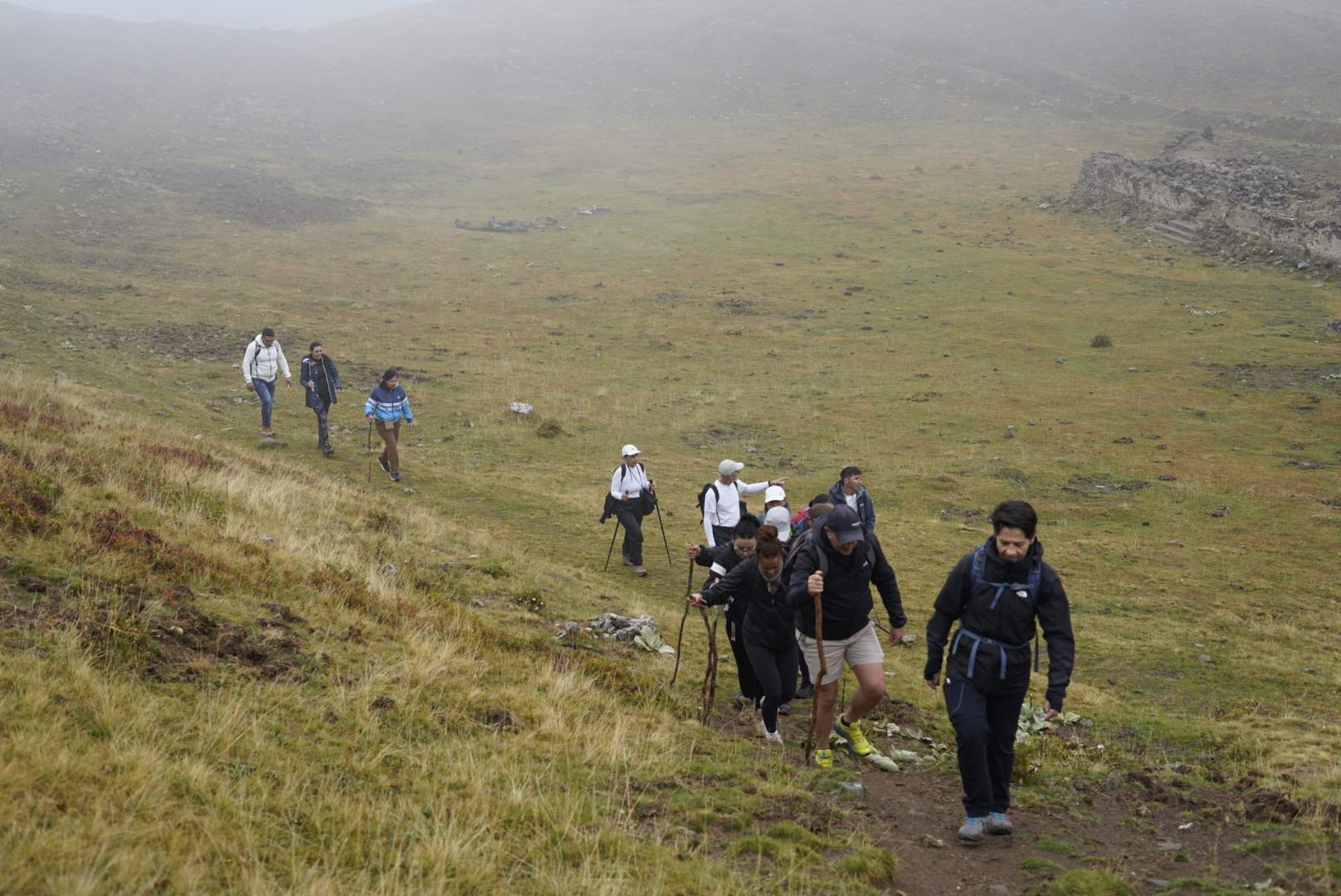
Kelmend is crossed by a network of old shepherds’ paths, and several long-distance routes in the Albanian Alps pass through the region, including connections to the cross-border Peaks of the Balkans trail. Experienced hikers can walk between Kelmend villages and the Theth area over high passes, but these routes are long, sometimes poorly marked and best attempted with a local guide. For an overview of other trails, see our guide to the best hikes in Albania.
Local life and food
Kelmend has a strong identity: it was historically one of the major highland clans of northern Albania, and traditions of hospitality remain important. Expect home-cooked meals in guesthouses, with fresh cheese, yoghurt, honey, homemade bread, mountain tea and meat or trout depending on the season. What is served depends on what the family has produced, which is part of the charm.
Best time to visit
The best time to visit Kelmend is from June to September, when the roads are open, the guesthouses are running and the pastures are in use. Late spring brings wildflowers and snow on the peaks, while September and early October offer stable weather, fewer people and autumn colour in the beech forests. In winter the higher villages see heavy snow, many guesthouses close and access can be difficult, so a winter trip needs careful planning.
Practical tips
- Bring cash. Card payments and ATMs are rare in the villages, so withdraw money in Shkodër.
- Book ahead in summer. Guesthouses are small and family-run; phone or message them in advance, especially in July and August.
- Expect patchy signal. Mobile coverage is improving but unreliable in parts of the valleys, so download offline maps before you go.
- Drive carefully. Roads are narrow with steep drops; a normal car is usually fine on the main road in summer, but side tracks may need a 4x4.
- Carry your passport if you plan to go near or across the Montenegrin border.
- Pack layers. Even in summer, evenings in Lëpushë and Vermosh can be cool and mountain weather changes quickly.
Combining Kelmend with other places
Kelmend fits naturally into a wider trip through northern Albania. From Shkodër you can combine it with Theth and the classic Theth to Valbona trek, or with the Komani Lake ferry and the Valbona Valley to the east. Travellers heading on to Montenegro can continue towards Gusinje and Plav when the border is open, and Kelmend also works well as part of a longer two-week Balkans itinerary.
Albania Inbound organises guided tours and private trips in northern Albania, including the Kelmend area, and you can browse current options on our tours page.
Frequently asked questions
How do I get to Vermosh from Shkodër?
Drive north from Shkodër towards Hani i Hotit, climb the Rrapsh hairpins and follow the Cem valley through Tamarë and Lëpushë to Vermosh. Infrequent local minibuses also run, but schedules vary, so confirm departures in Shkodër or book a private transfer.
Is Kelmend worth visiting if I have already been to Theth?
Yes. Kelmend offers similar alpine scenery to Theth but with far fewer visitors, more open meadows and a slower pace, so it suits travellers who want a quieter side of the Albanian Alps.
Can I visit Kelmend as a day trip?
A day trip from Shkodër to the Cem valley and Lëpushë is possible, but the winding roads make it a long day. To enjoy Vermosh and do some hiking, plan at least one night in a local guesthouse.
Do I need a 4x4 to drive to Lëpushë and Vermosh?
In summer the main road is generally passable in an ordinary car driven with care. Side tracks, forest roads and winter conditions may require a 4x4, so ask locally about current road conditions.
Where can I stay in Kelmend?
Accommodation is mostly in family-run guesthouses in villages such as Lëpushë, Vermosh, Selcë and Tamarë. They usually include home-cooked meals, and booking ahead is recommended in July and August.
When is the best time to visit Vermosh?
June to September is the best period, with open roads, working guesthouses and green pastures. Early autumn is also pleasant, while winter brings heavy snow and limited services.