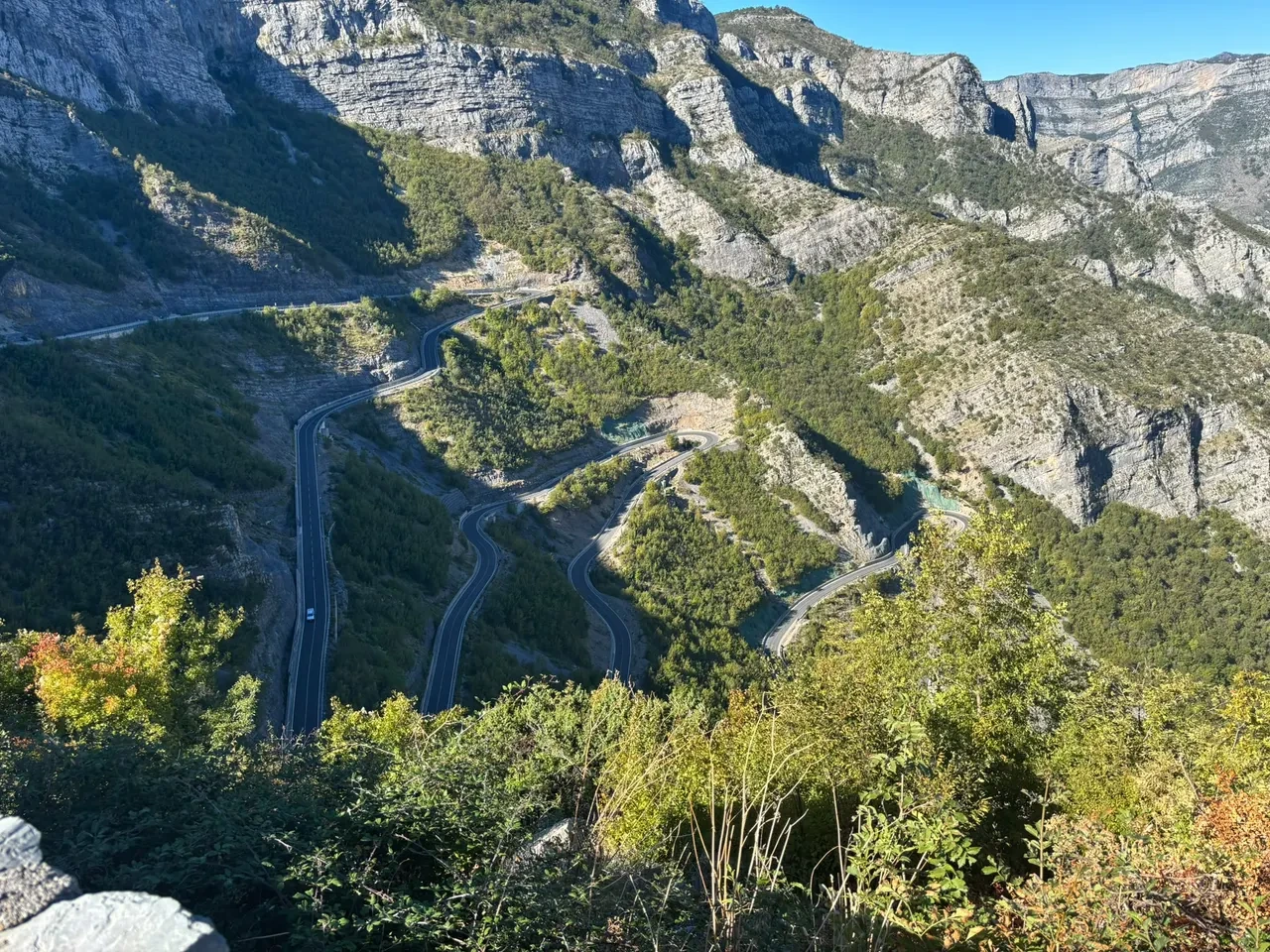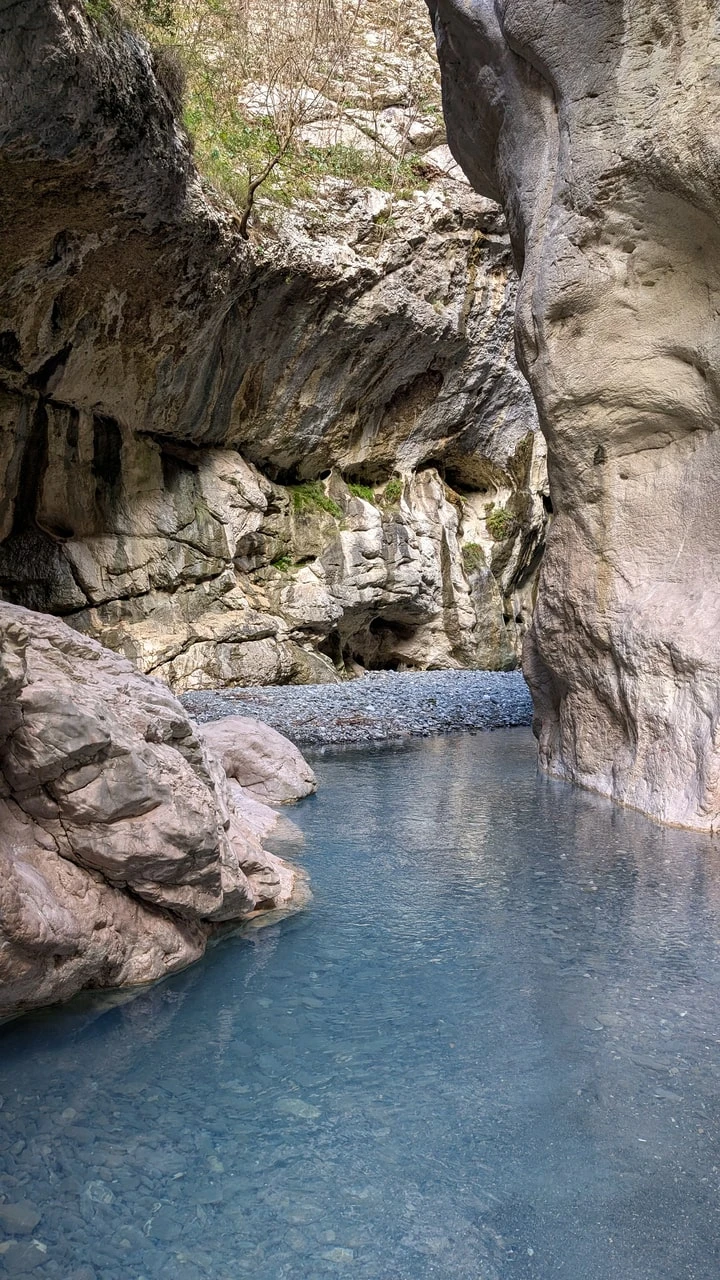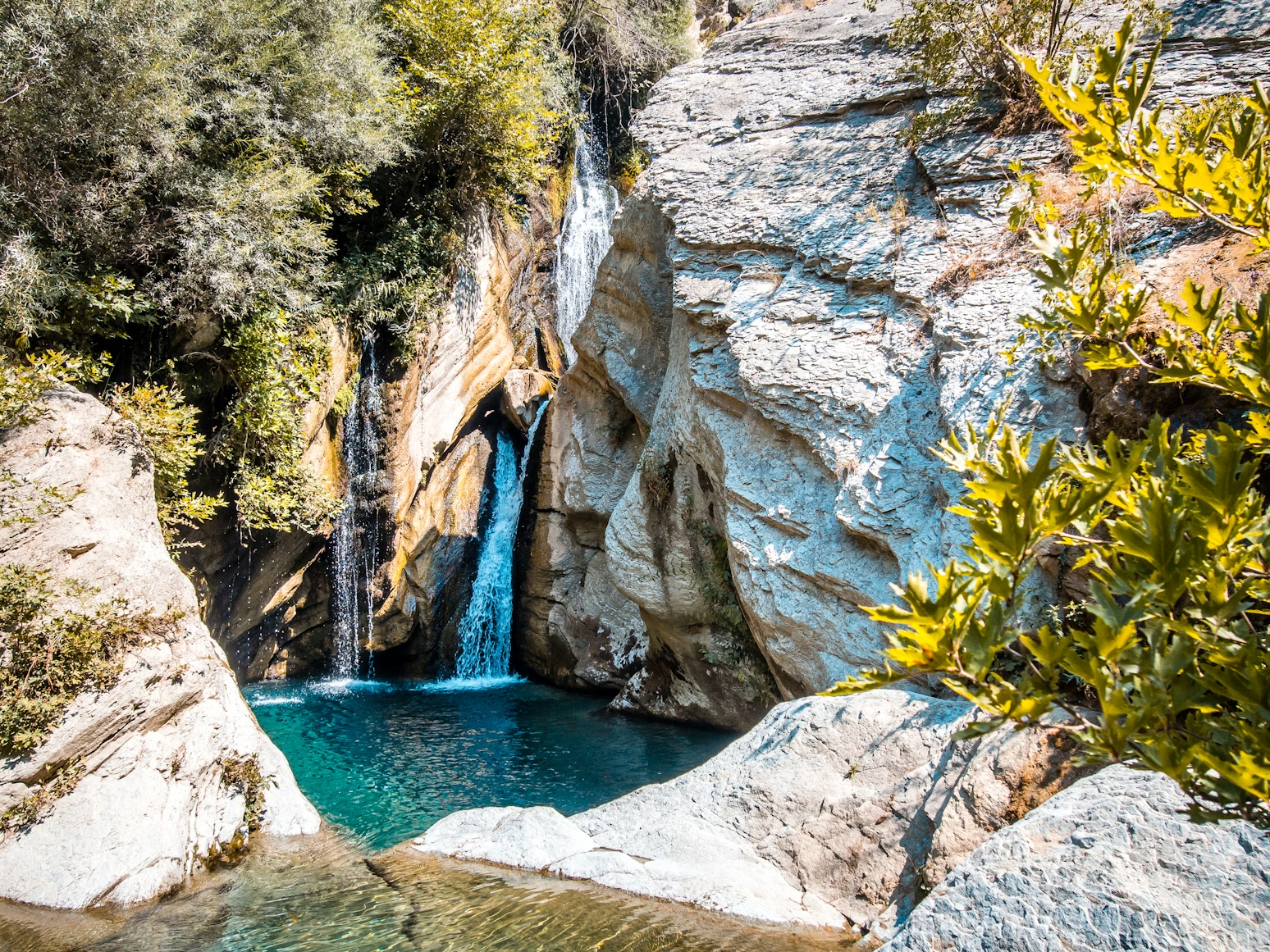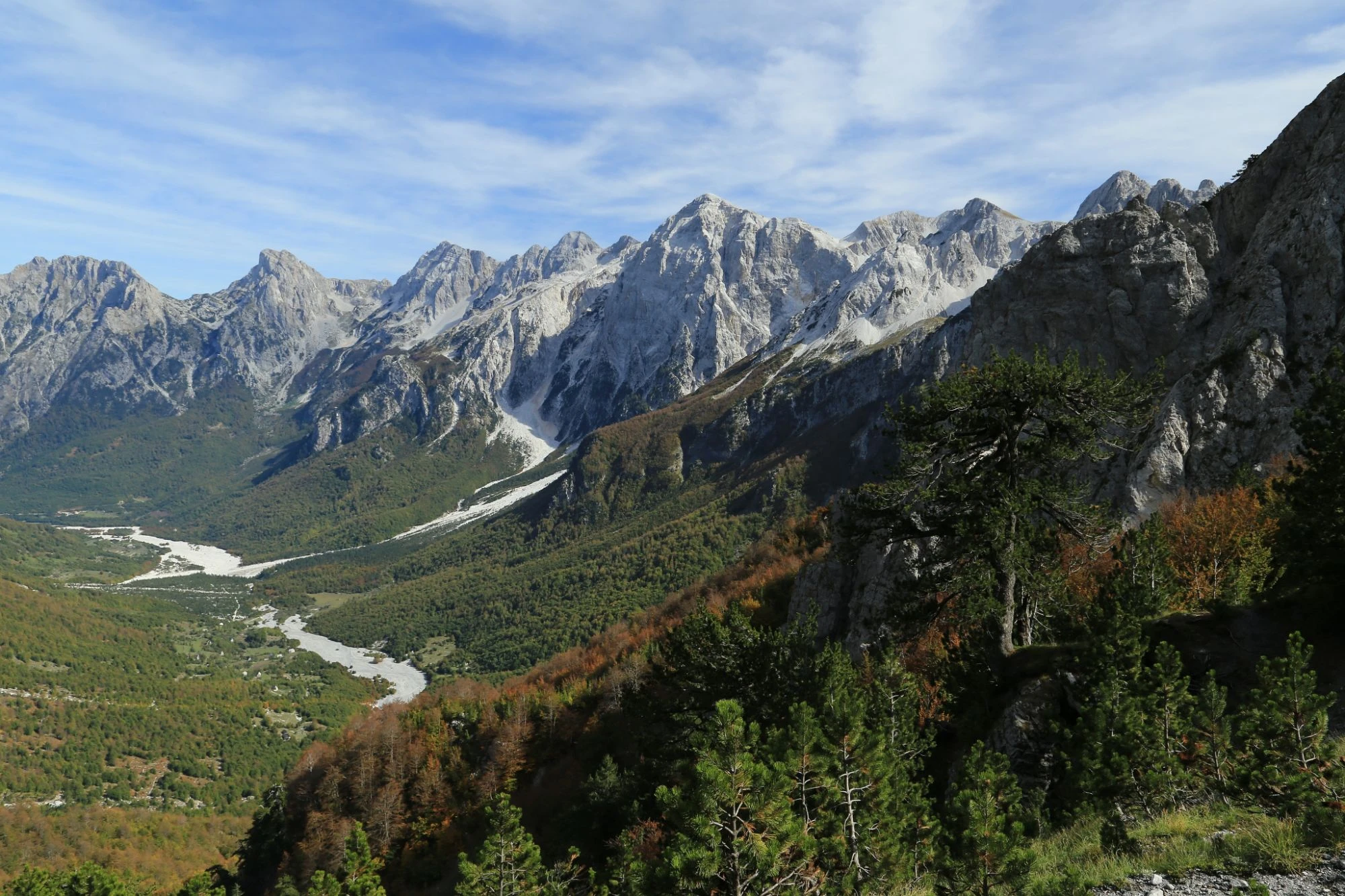
The Valbona Valley is a glacial mountain valley in the Albanian Alps in north-eastern Albania, protected as Valbona Valley National Park and surrounded by some of the highest limestone peaks in the country. Travellers come for its turquoise river, dramatic walls of rock, easy and challenging day hikes and simple family guesthouses, and it is just as rewarding as a destination in its own right as it is as the end point of the famous trek from Theth. You can get there by road via Bajram Curri, the main town of the Tropojë district, or in summer by taking the Komani Lake ferry to Fierzë and continuing by road.
Most visitors only spend one night in Valbona before or after crossing the pass to Theth, but the valley deserves more time. This guide focuses on Valbona itself: how to reach it, where to stay, what to do over two or three days and when to go.
Where Valbona is and how to get there
Valbona lies in the Tropojë area of Kukës County, close to the borders with Kosovo and Montenegro. The Valbona river flows south-east down the valley from the high peaks to Bajram Curri and then into the Drin system near Fierzë. The valley is closed at its head by the ridges of the Accursed Mountains (Bjeshkët e Nemuna), including Maja e Jezercës, the highest summit of the Albanian Alps.
There are three main ways in:
- Via Komani Lake. From Shkodër, travel to Koman, take the ferry along the lake to Fierzë and continue by minibus or car to Bajram Curri and up the valley. This is the most scenic option and usually runs from spring to autumn; see our Komani Lake ferry guide for details.
- By road via Kukës. From Tirana, the motorway towards Kosovo leads to the Kukës area, from where a mountain road continues to Bajram Curri. This route works year-round, subject to weather.
- From Kosovo. Bajram Curri is relatively close to Gjakova in Kosovo, and the Qafë Morinë border crossing makes Valbona an easy addition to a trip through Kosovo.
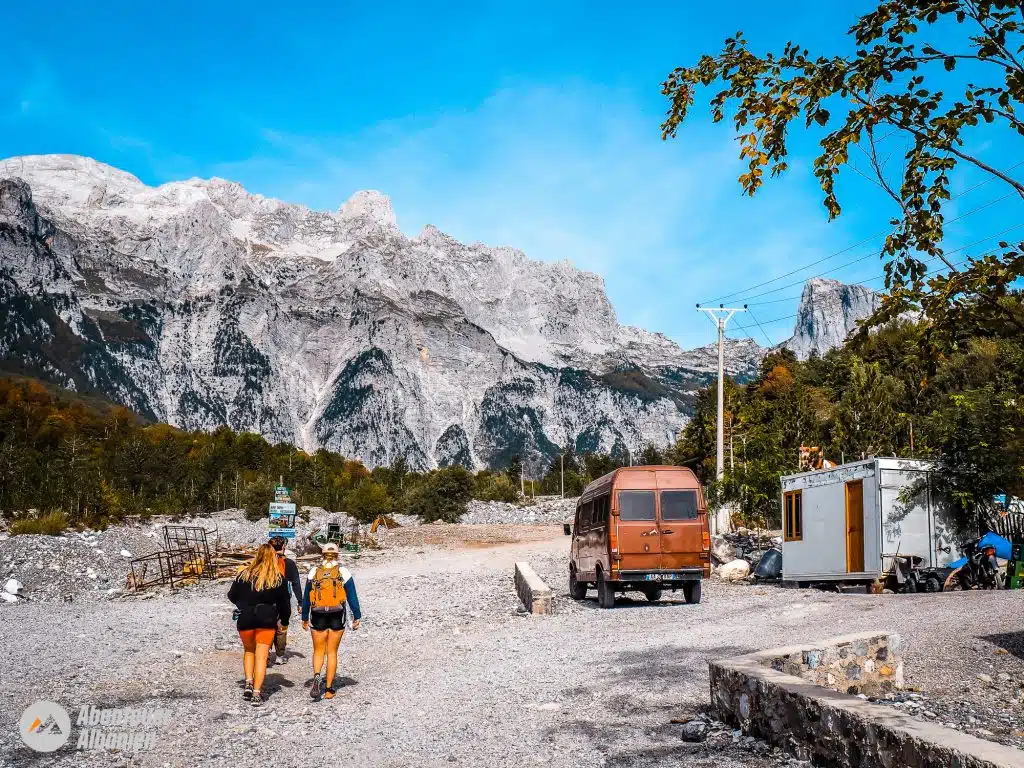
From Bajram Curri a paved road runs up the valley past the villages of Dragobia, Valbona and Rragam. Local minibuses and shared taxis connect the town with the valley in summer, but frequencies vary, so ask your guesthouse; many will arrange a pick-up.
What to see and do
Walk along the valley floor
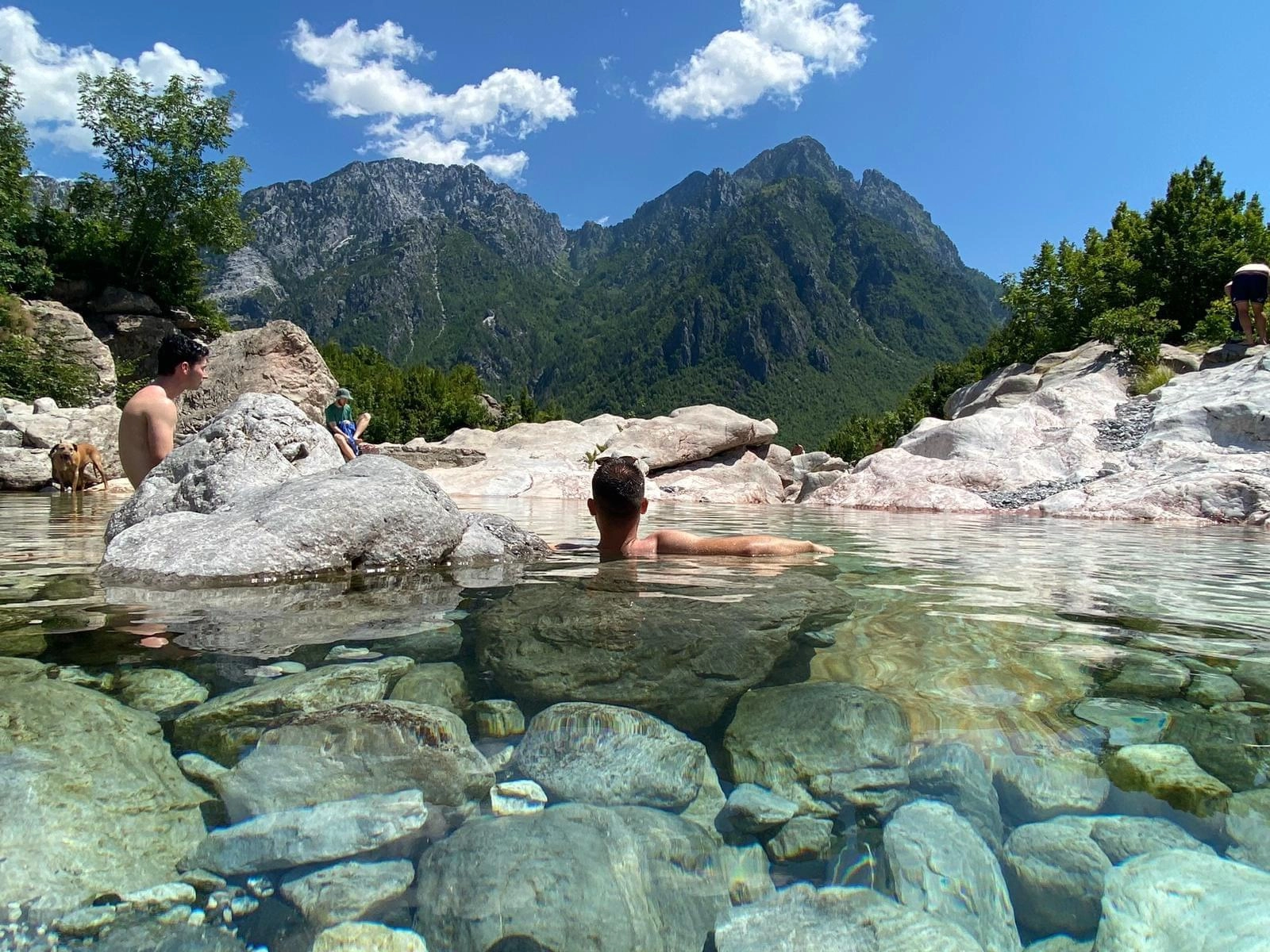
Even without serious hiking, simply walking the road and riverside tracks between Dragobia and Rragam is a pleasure. The river is shallow and braided in places, with gravel beds, crystal-clear pools and views of sheer rock faces on both sides. It is a good way to spend an arrival afternoon.
Hike towards the Valbona Pass
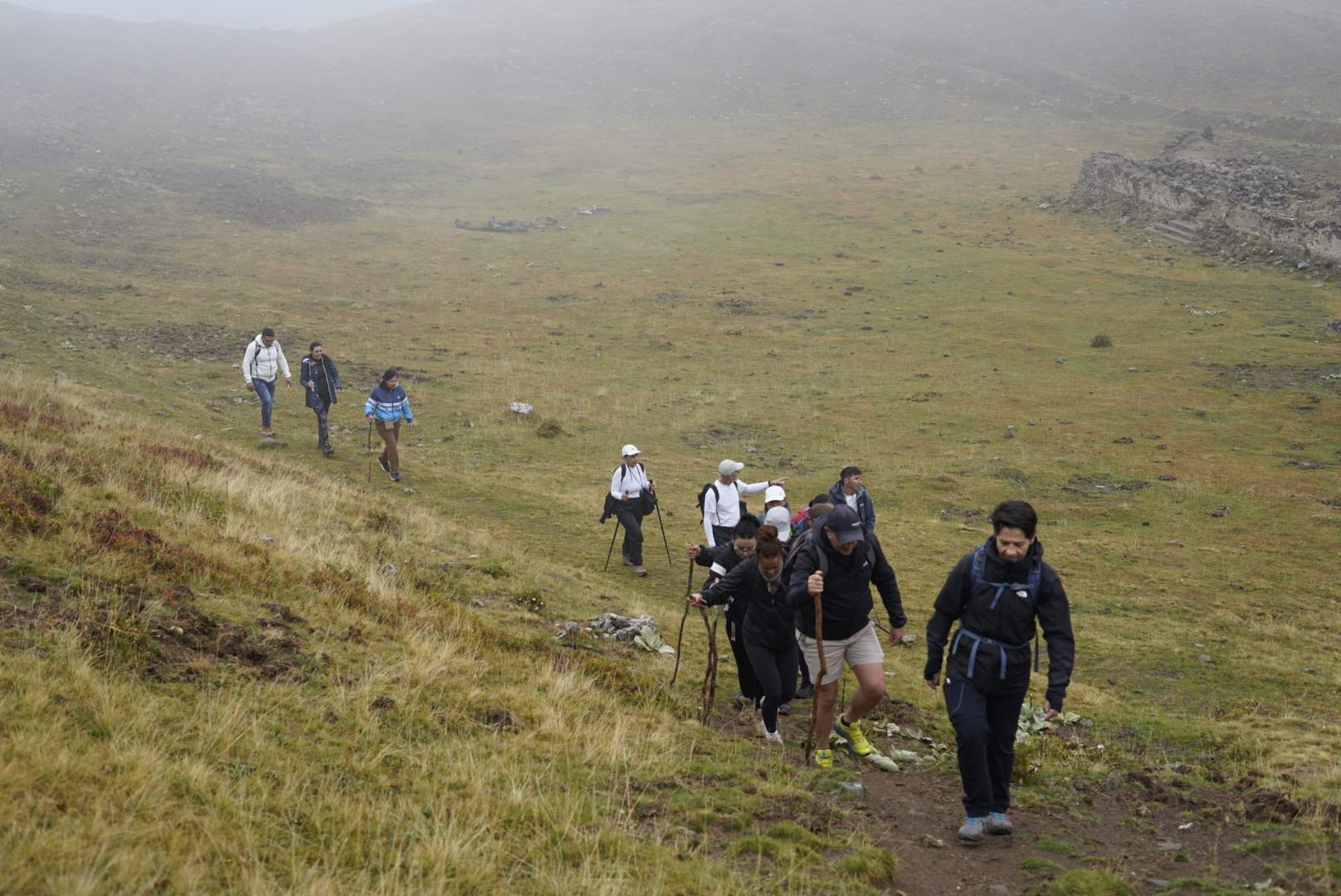
The trail to the Valbona Pass (Qafa e Valbonës), the high saddle that leads over to Theth, starts near Rragam. Even if you are not crossing to Theth, walking up to the pass and back is a rewarding full-day hike with sweeping views over both valleys. Full details of the crossing are in our Theth to Valbona trek guide.
Kukaj and the side valleys
The small settlement of Kukaj, on the slopes above the valley, is a popular half-day walk through forest and meadows, with a few seasonal guesthouses. Other trails lead into side valleys and up to summer pastures, where shepherds still spend the warm months.
Çerem, Dobërdol and the Peaks of the Balkans
Valbona is a key stage of the cross-border Peaks of the Balkans trail. From the valley, routes lead east towards Çerem and the high pastures of Dobërdol close to the Kosovo border. These are multi-day routes in remote terrain; go with a guide or plan carefully, and check border regulations, as the trail crosses into Kosovo and Montenegro.
Climbing the peaks
Experienced mountaineers use Valbona as a base for ascents of the surrounding summits, including Maja e Jezercës. These are serious climbs on steep, rocky ground and should only be attempted with experience, good weather and preferably a local mountain guide.
For more ideas across the country, see our selection of the best hikes in Albania.
Best time to visit
The main season in Valbona runs from late May or June to September, when the guesthouses are open and the trails are mostly free of snow. July and August are the busiest months, especially around the Theth crossing. June offers green meadows and lingering snow on the peaks, while September brings calmer trails and clear, cooler days. Snow can block the high passes until early summer and returns in autumn, and in winter many guesthouses close, although the lower valley remains accessible by road in normal conditions.
Practical tips
- Stay at least two nights if you want to hike in the valley rather than just pass through.
- Cash is essential. Bring enough from Shkodër or Bajram Curri, as card payments are limited in the valley.
- Book guesthouses in high summer. Most are family-run and include dinner and breakfast; ask whether they offer packed lunches for hikes.
- Start hikes early. Summer afternoons can bring heat and thunderstorms, especially on exposed slopes.
- Carry water and layers. Springs exist on some trails, but do not rely on them, and temperatures drop quickly at altitude.
- Use offline maps. Signal is limited in parts of the valley and some paths are faintly marked.
- Arrange luggage transfers if you are doing the Theth crossing; local drivers can move bags between the valleys by road for a fee.
Combining Valbona with other places
The classic loop links Valbona with the Komani Lake ferry and Theth: travel from Shkodër to Koman, cross the lake to Fierzë, spend time in Valbona, hike over the pass to Theth and return to Shkodër by road. Valbona also combines well with Kosovo, since Gjakova, Prizren and Peja are within reach by road, and with the quieter Kelmend region further west. It fits naturally into a two-week Balkans itinerary.
Albania Inbound offers guided tours and private trips that include the Valbona Valley and the Albanian Alps, and you can see current options on our tours page.
Frequently asked questions
How do I get to Valbona from Tirana?
Either drive via the motorway towards Kukës and continue on the mountain road to Bajram Curri and up the valley, or go via Shkodër, take the Komani Lake ferry to Fierzë in season and continue by road. Both options take most of a day.
Is Valbona worth visiting without doing the Theth trek?
Yes. Valbona has plenty of day hikes, riverside walks and viewpoints, and a stay of two or three nights lets you enjoy the valley at a slower pace without crossing the pass.
How many days do I need in Valbona?
Two to three nights is ideal: one day to arrive and explore the valley floor, and one or two days for hikes such as Kukaj or the walk up towards the Valbona Pass.
When is the Komani ferry to Valbona running?
The ferry usually operates from spring to autumn, with the most reliable services in summer. Schedules change from year to year, so check current departures with the operators before you travel.
Can I visit Valbona in winter?
The lower valley can usually be reached by road in winter, but snow covers the trails and most guesthouses close. Winter visits are best arranged in advance with a local host or guide.
Are there ATMs in Valbona?
Not in the valley itself. The nearest ATMs are in Bajram Curri, so bring enough cash for accommodation, meals and transport.