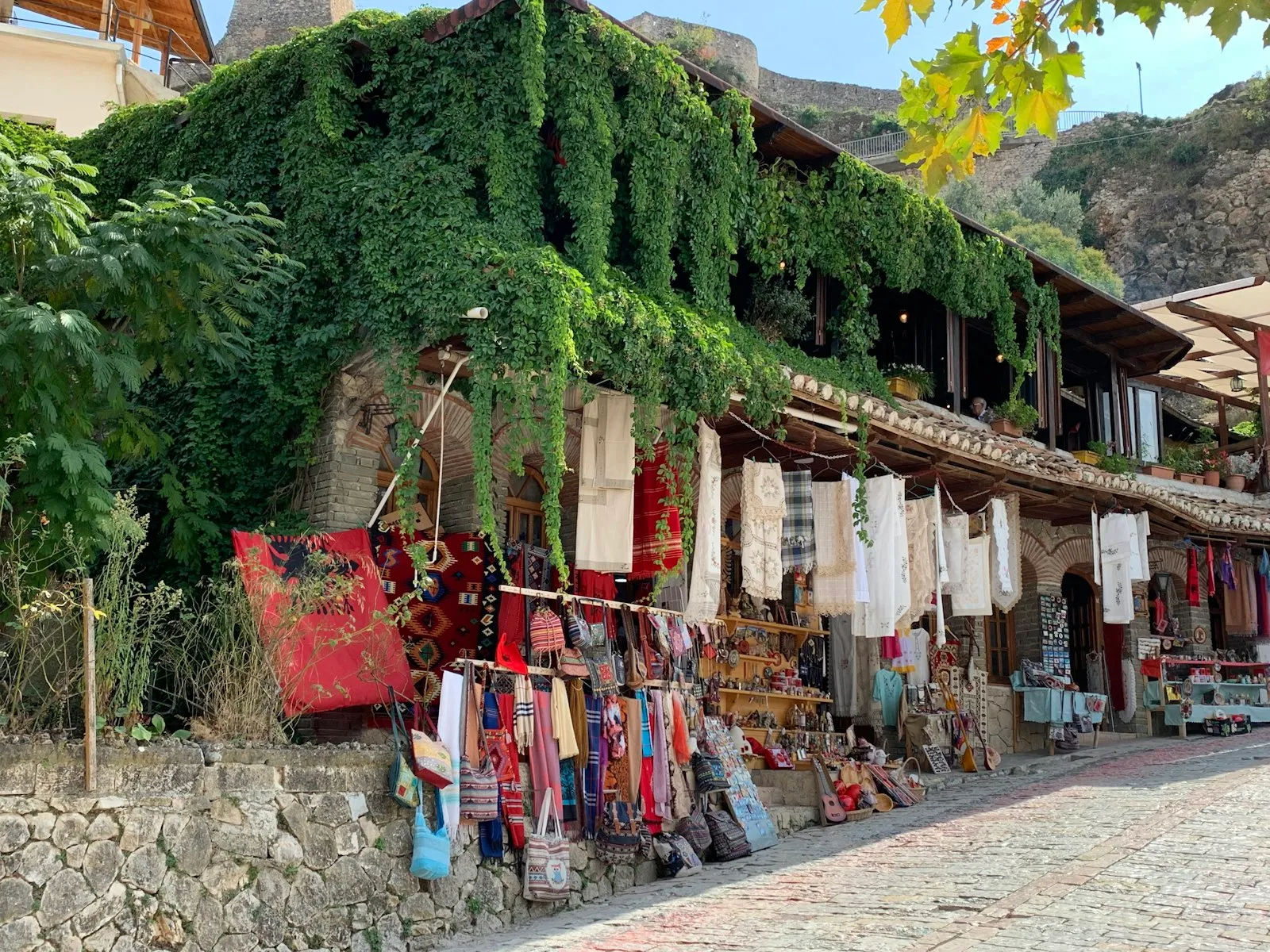
The best Albanian souvenirs are handmade or home-produced: wool carpets and kilims, white felt qeleshe caps, filigree silver, copperware and carved wood, plus edible gifts such as olive oil, raki, mountain tea, honey and fruit preserves. The richest hunting grounds are the old bazaars of Krujë and Gjirokastër, Tirana’s New Bazaar and the roadside stalls of the countryside.
Alongside genuine craftwork you will also find plenty of mass-produced trinkets, some of them imported. This guide covers what is worth bringing home, where to look and how to tell the real thing from the rest.
Krujë’s Old Bazaar
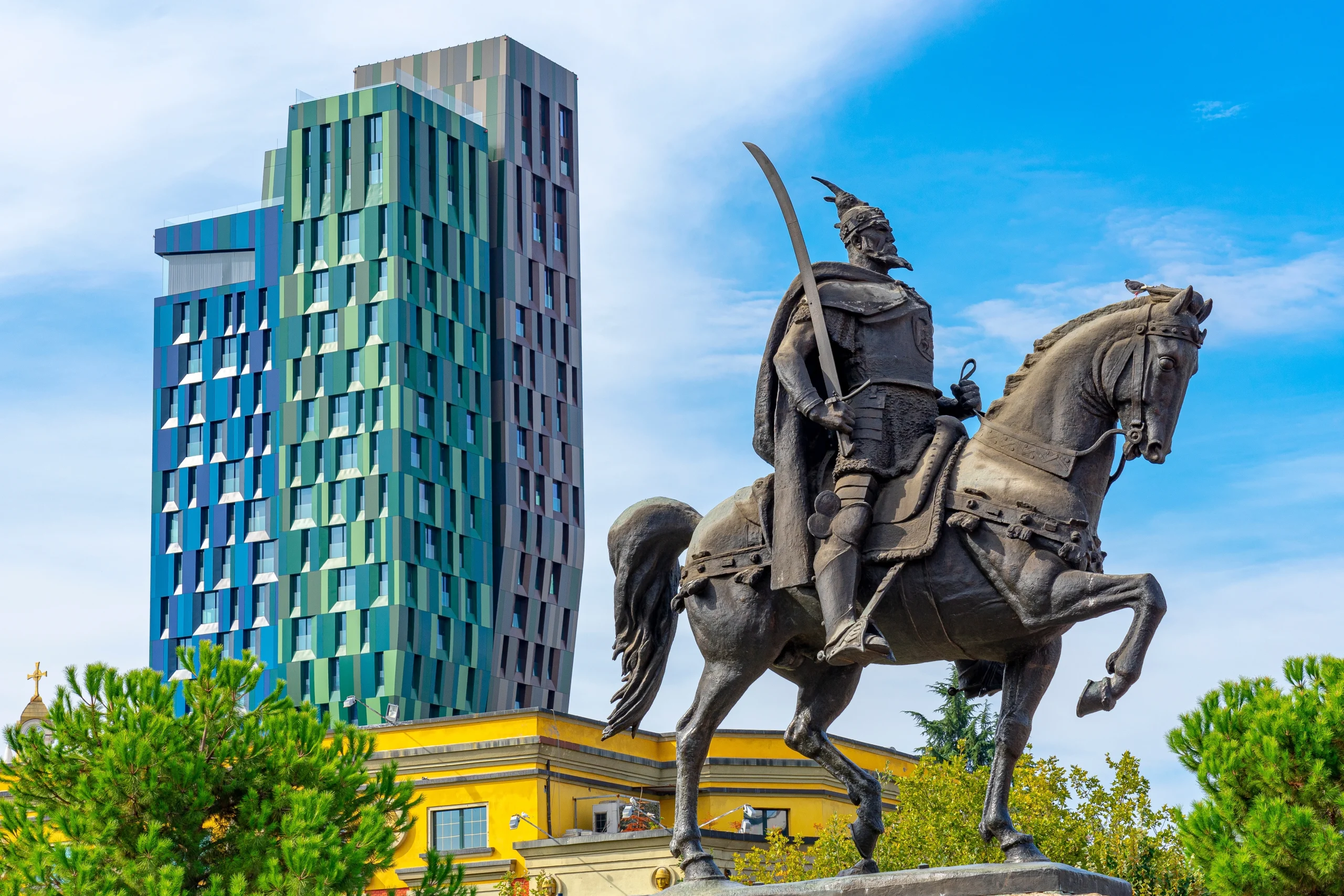
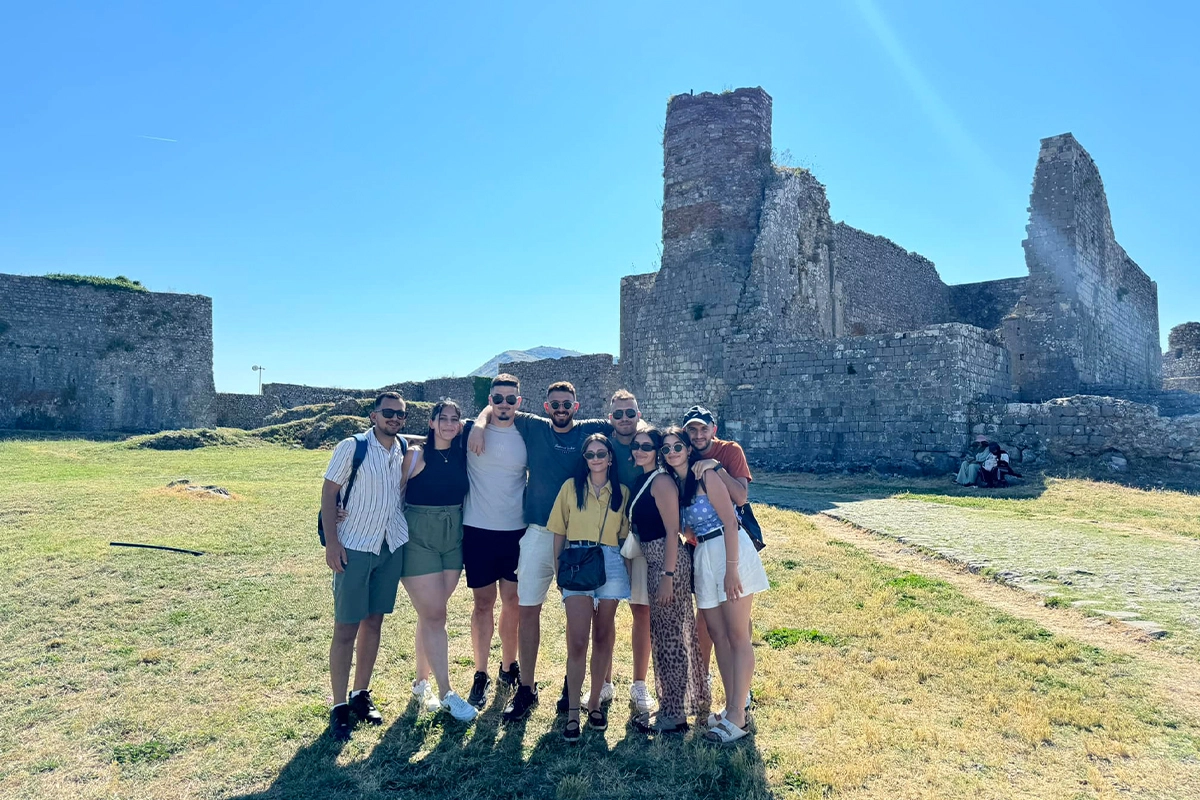
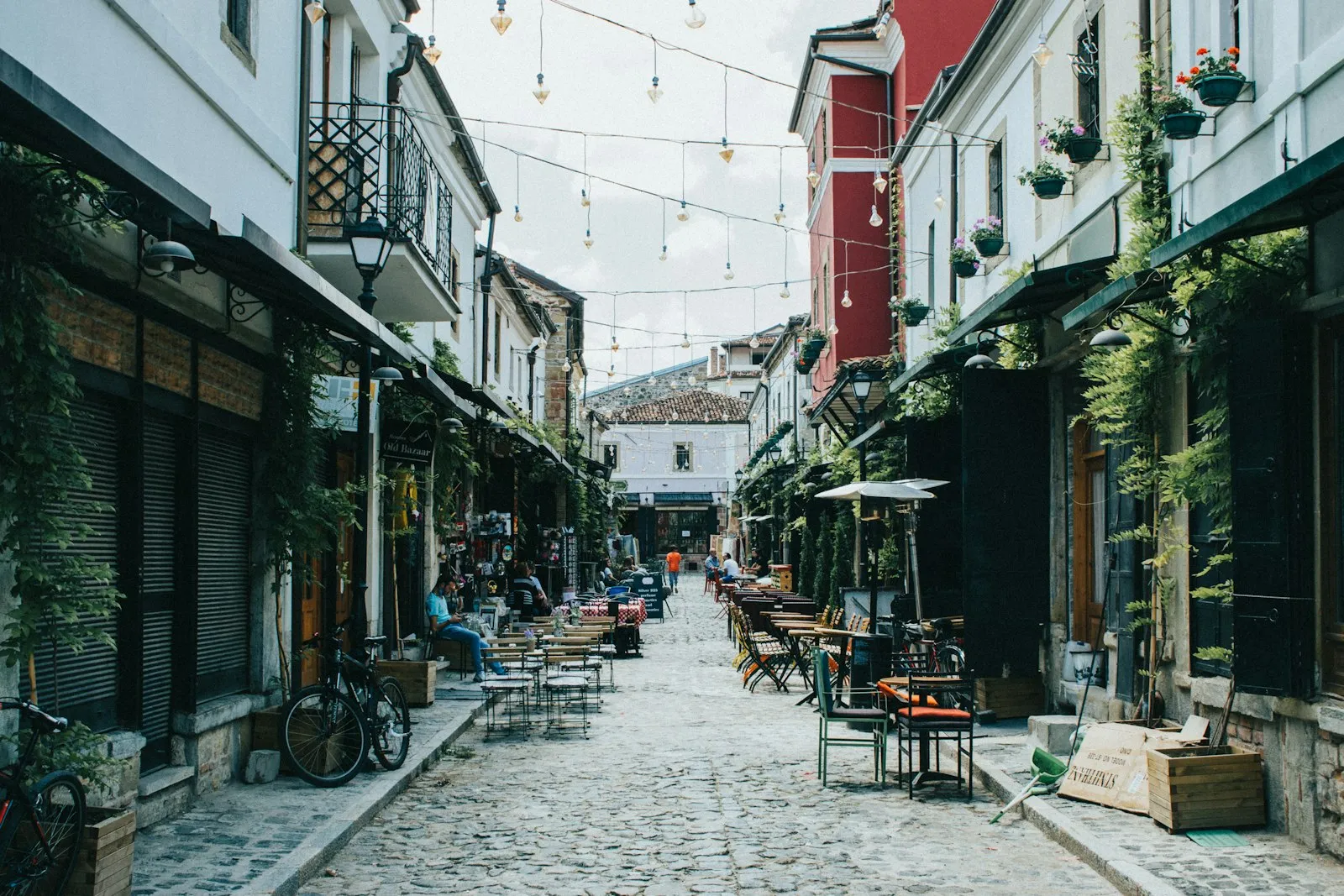
The Old Bazaar of Krujë is Albania’s most famous shopping street: a cobbled lane of wooden-fronted shops climbing towards the castle where Skanderbeg held out against the Ottomans. Its workshops once covered everything from leatherwork and woodcarving to tailoring and wool, and today they sell carpets, felt slippers, embroidered textiles, copperware, antiques and traditional costumes.
Krujë is also one of the places where the qeleshe is still made: the white, brimless felt cap of traditional Albanian dress, shaped from beaten, soaked and pressed wool on a wooden mould. Browse several shops before you buy, compare quality and expect some friendly bargaining. Our guide to Krujë’s history and culture helps you plan the rest of your visit.
Carpets, kilims and textiles
Hand-knotted carpets and flat-woven kilims in deep reds and bold geometric patterns are among the most rewarding things to buy, especially in Krujë and Gjirokastër. Korçë, too, has a long tradition of handmade rugs with distinctive motifs.
Be aware that many rugs hanging outside shops are machine-made from cotton or synthetic yarn. If you want the real thing, ask to see handmade wool pieces, turn the rug over to check that the pattern is just as clear on the back, and ask who made it and where. Smaller textiles are easier to carry home: embroidered table linen, woollen socks and felt slippers.
Silver, copper and carved wood
Filigree – jewellery and ornaments made from fine twisted silver wire – has a long history in Albanian workshops, particularly around Shkodër, where a few master craftspeople still keep it alive. Look for it in Krujë’s bazaar and in craft shops in Tirana, and ask whether a piece is solid silver or plated.
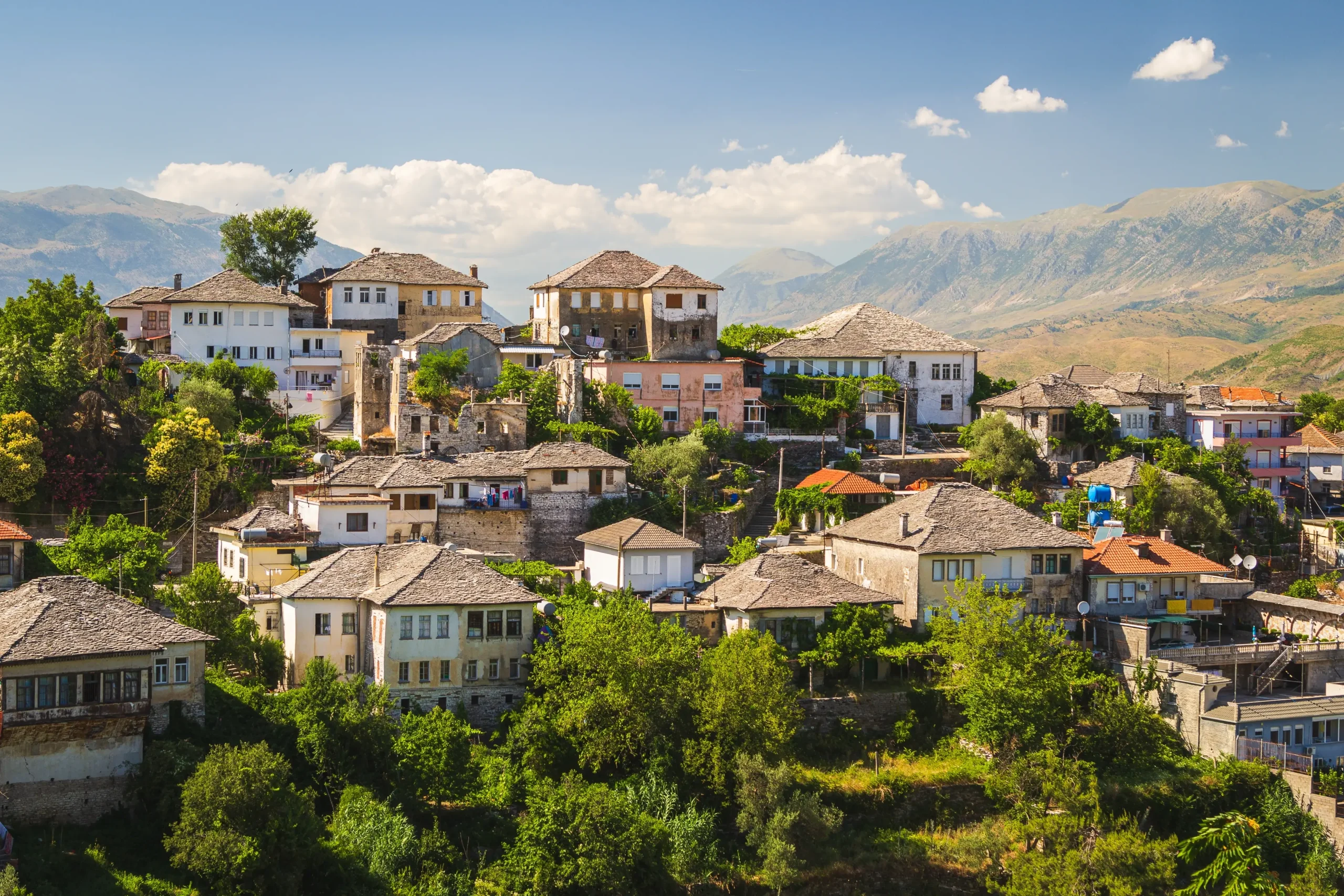
In Gjirokastër, the old bazaar below the castle is good for copper and metal goods, carved wooden objects and miniatures, ceramics and rugs. A small copper xhezve, the long-handled pot used for Turkish coffee, makes a practical gift.
Edible and drinkable souvenirs
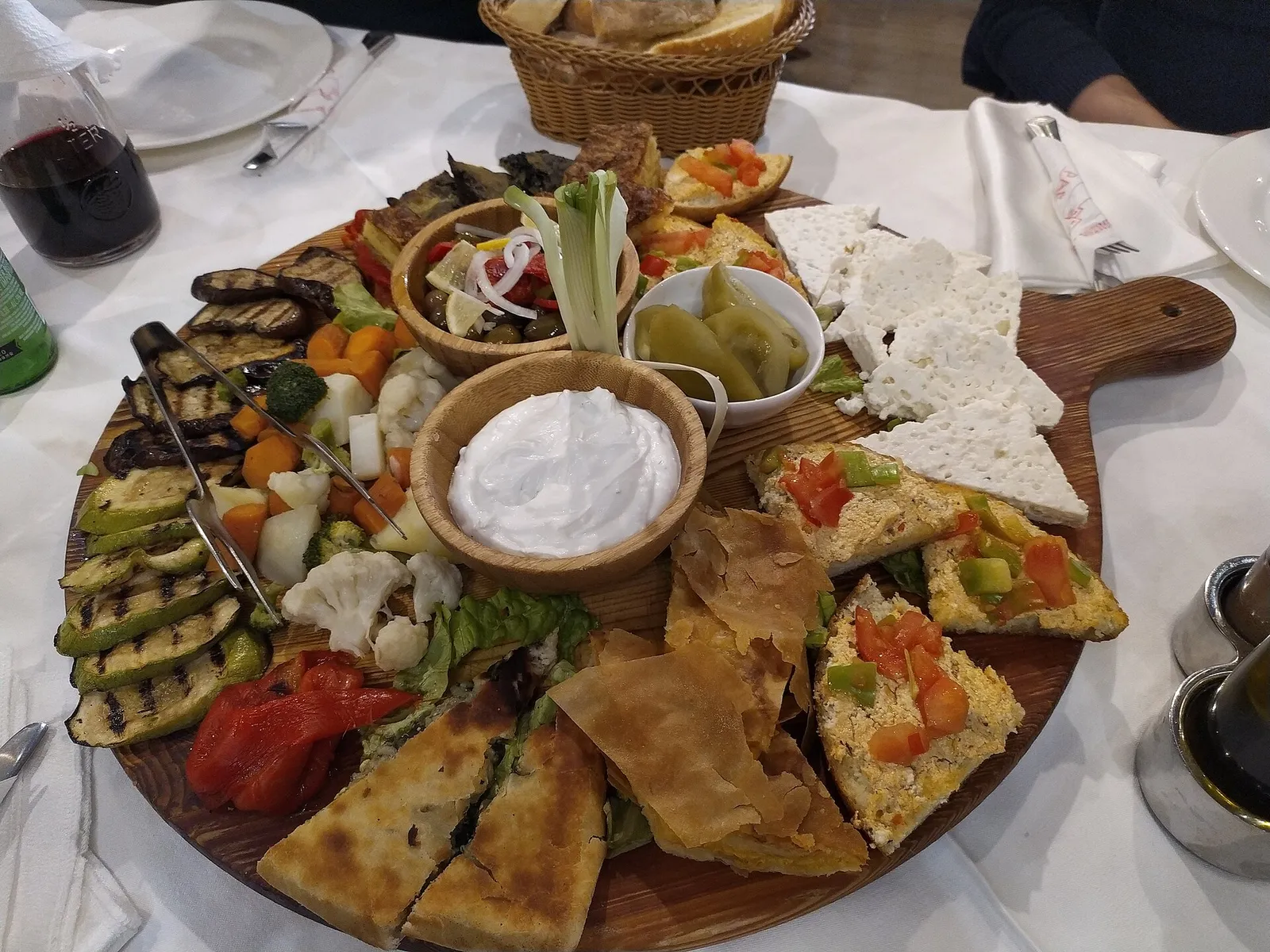
- Olive oil: Albania has its own native olive varieties, the most widespread being Kalinjot, associated with the Vlorë region. Buy from producers, farm shops or markets where you can taste first.
- Mountain tea (çaj mali): the dried stems and flowers of a Sideritis herb that grows on Albania’s mountains, sold in bunches at markets and at roadside stalls, including those on the road over the Llogara Pass.
- Herbs: Albania is a major producer of oregano, thyme and sage, and small bags of dried wild herbs weigh almost nothing.
- Honey: sold by beekeepers at markets and roadside stalls. Flavours vary with the region and season, so ask what the bees were feeding on.
- Gliko and jams: Përmet is famous for gliko, whole fruits preserved in syrup, made with seasonal fruit such as cherries, plums and grapes.
- Raki and wine: sealed bottles from established producers travel best, and wines from indigenous grapes such as Kallmet and Shesh make unusual gifts.
Other towns and villages worth browsing
Krujë and Gjirokastër are not the only places to shop. The restored Old Bazaar of Korçë, the historic centres of Berat and Shkodër and many smaller towns have shops selling carved wood, ceramics, embroidery with traditional motifs and copperware. In mountain villages such as Theth, families sell carved wooden spoons and bowls, honey, wild herbs, mountain tea and homemade preserves; ask at your guesthouse where to find them.
Tirana: markets and quirky gifts
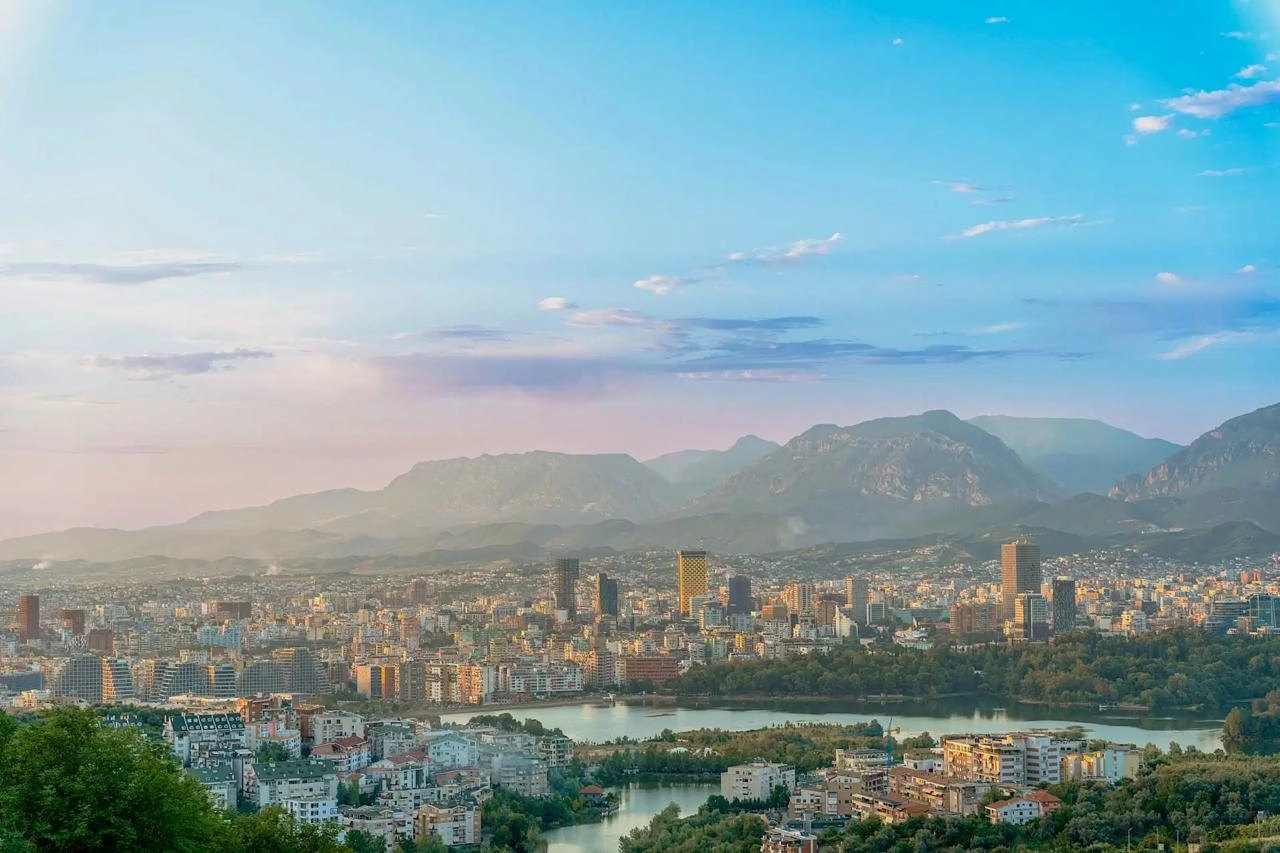
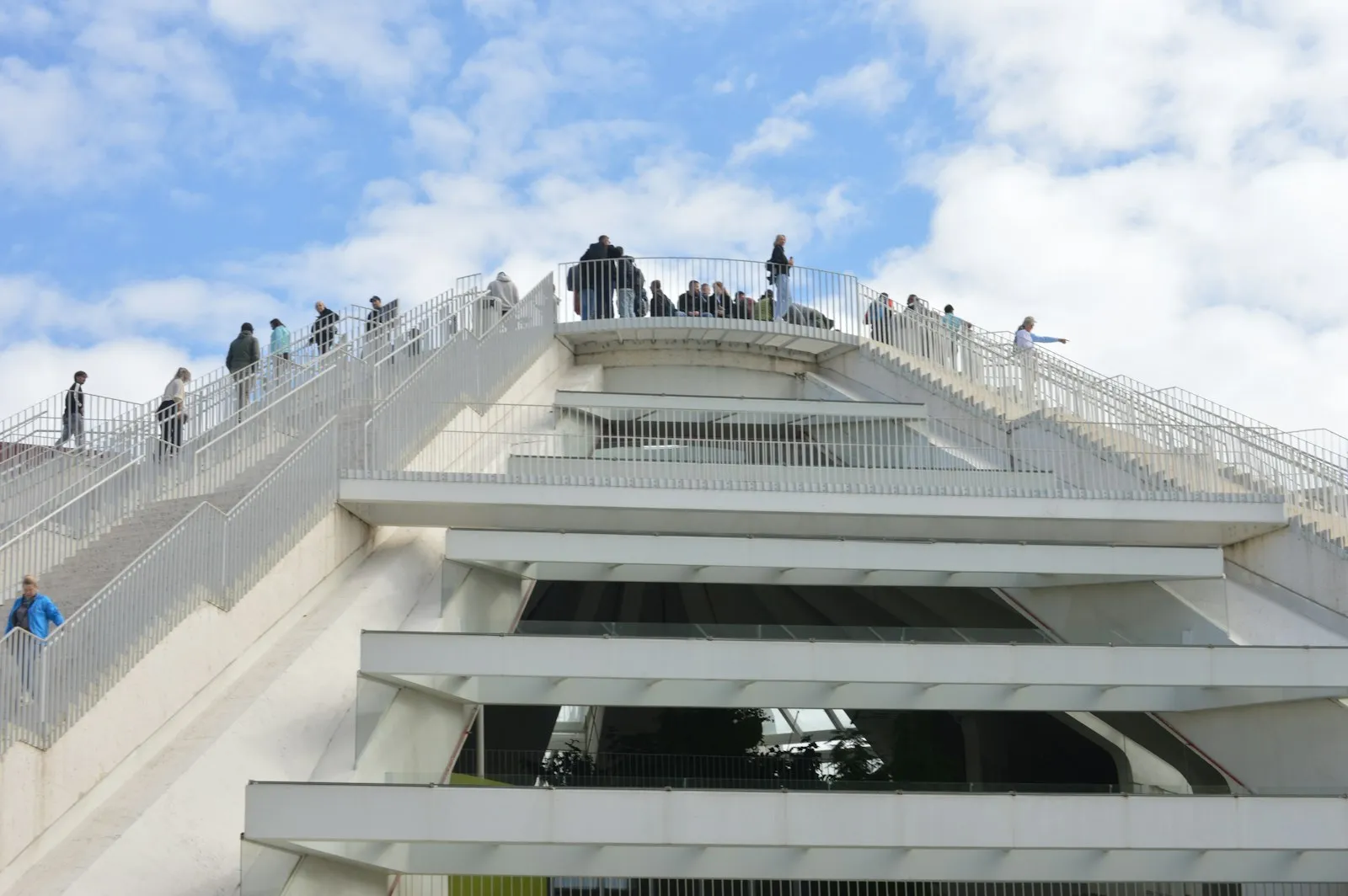
In the capital, the New Bazaar (Pazari i Ri), first built in 1931 on the site of the city’s old bazaar, is the place to browse fruit, vegetables and other local produce, with cafés and restaurants all around. For something quirkier, look for souvenirs that nod to Albania’s communist past, such as bunker-shaped ashtrays.
How to spot authentic crafts
- Look for workshops where you can see makers at work, and ask questions about how a piece was made.
- Check materials: wool rather than synthetic yarn, solid silver rather than plated metal, real wood rather than resin.
- Be wary of identical items stacked in every shop, which usually means mass production.
- Remember that a handmade carpet or a piece of filigree takes days or weeks of work, so a very low price is a warning sign.
- Bargain politely in bazaars but not in fixed-price shops, and carry cash in lek, as many stalls do not take cards.
- Ask for a receipt, especially for more expensive pieces.
Bringing your souvenirs home
Genuine antiques, old icons and other objects of cultural heritage cannot simply be carried out of the country. Albanian rules require them to be declared to customs, with export permits issued by the National Center of Cultural Heritage Inventory or the Minister of Culture; the details are on the Albanian Customs Administration website. Ask the seller for documentation, and if in doubt choose newly made crafts.
For food and drink, check your home country’s customs allowances, as many countries restrict meat and dairy products, and check your airline’s rules. Pack bottles of olive oil and raki well wrapped in checked luggage, since liquid limits apply to hand baggage.
Frequently asked questions
What is Albania famous for making?
Albania is known for hand-knotted carpets and kilims, felt goods such as the white qeleshe cap and woollen slippers, filigree silver, copperware and carved wood. Among food and drink, look for olive oil, raki, wine from local grapes, mountain tea, honey and fruit preserves such as gliko from Përmet. The best pieces are made in small family workshops rather than factories.
Where is the best place to buy souvenirs in Albania?
Krujë’s Old Bazaar has the widest choice of crafts, carpets and antiques, while Gjirokastër’s bazaar is good for copper, woodwork, rugs and local produce. In Tirana, the New Bazaar is ideal for edible gifts. Roadside stalls on mountain roads such as the Llogara Pass sell honey and mountain tea from local producers.
Is bargaining expected in Albanian bazaars?
A little friendly bargaining is normal at bazaar stalls and craft shops, especially for carpets or if you are buying several items. Keep it light and good-humoured, start from a reasonable offer and walk away politely if the price is not right. In shops with marked prices, supermarkets and producers’ outlets, prices are usually fixed.
Can I pay by card when shopping in Albania?
Cards are accepted in supermarkets, larger shops and many city businesses, but bazaar stalls, small workshops and roadside sellers often take cash only. Carry enough Albanian lek for small purchases and keep larger notes for bigger buys such as carpets. Some sellers in tourist areas accept euros, but paying in lek is usually simpler for everyone.
Can I take antiques out of Albania?
Only with the right paperwork. Objects considered part of Albania’s cultural heritage, including old icons and genuine antiques, must be declared to customs and need export permits from the National Center of Cultural Heritage Inventory or the Minister of Culture. Ask the seller for documentation before you pay, and remember that your home country may have its own import rules.
Shop the bazaars with a local guide: our Private Bovilla Lake and Kruja City Day Tour includes time in Krujë’s Old Bazaar on the way up to the castle, and the Gjirokastra and Blue Eye Day Tour starts in the stone-paved bazaar of Gjirokastër.