The best places to understand Albania’s communist history are Bunk’Art 1 and Bunk’Art 2, the House of Leaves, Postbllok and the Pyramid in Tirana, the Site of Witness and Memory in Shkodër, the Cold War Tunnel in Gjirokastër and the ruins of Spaç prison. Together they tell the story of the bunkers, the secret police, the prisons and the personality cult of almost half a century of one-party rule.
Most of these sites have opened to visitors since 2013, often in the very buildings where the regime watched, interrogated or sheltered its own people. They are powerful places to visit, and for many Albanian families the history they tell is still personal.
Below you will find a short background, the eight places worth your time and practical tips for a visit that is both informative and respectful.
Albania under communism: the background
After the Second World War, Albania became a one-party communist state led by Enver Hoxha, who ruled until his death in 1985. The regime broke with Yugoslavia in 1948, with the Soviet Union by 1961 and with China in 1978, leaving Albania one of the most isolated countries in Europe.
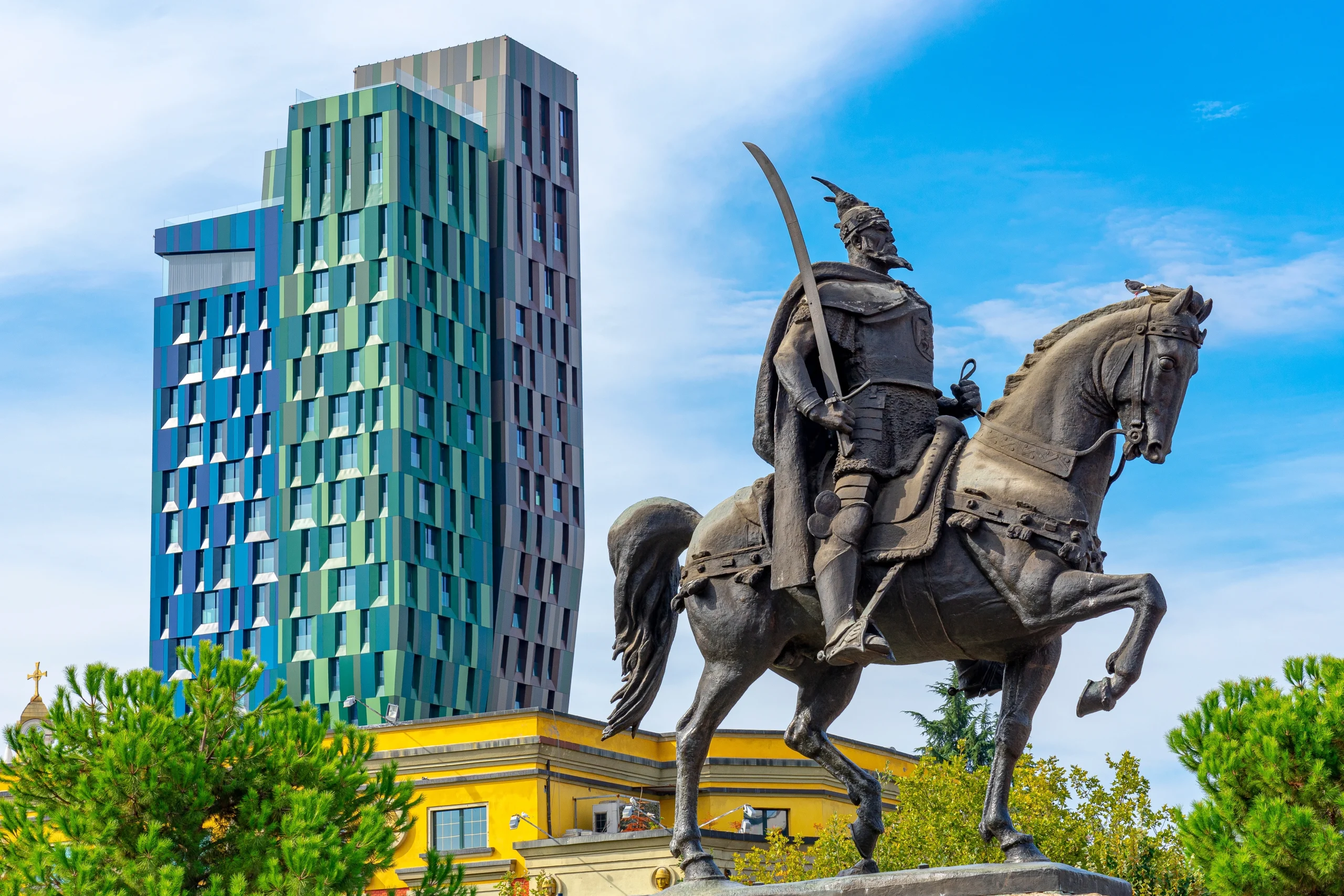
At home, the Sigurimi secret police watched over daily life, opponents and their families were sent to prisons, labour camps or internal exile, and in 1967 religious practice was banned outright. Change came in December 1990, when student protests helped bring one-party rule to an end, and in February 1991 crowds pulled down Hoxha’s statue in Skanderbeg Square.
In Tirana: five places in one city
1. Bunk’Art 1
Dug into a hillside on the edge of the city, close to the lower station of the Dajti Ekspres cable car, Bunk’Art 1 was built in the 1970s as a nuclear shelter for Hoxha and the party leadership. Its five underground floors now hold a museum of Albanian history from the Italian occupation to the end of the communist era, together with contemporary art.
You can see the suites prepared for Hoxha and his prime minister, Mehmet Shehu, and the bunker’s communications room. Allow a couple of hours and bring a layer, as it stays cool underground even in summer.
2. Bunk’Art 2
Right in the centre, a short walk from Skanderbeg Square, Bunk’Art 2 occupies a bunker built in the early 1980s for the Ministry of Internal Affairs. Opened as a museum in 2016, it traces the history of the ministry and its police from 1912 to 1991, with a strong focus on the Sigurimi and the methods it used against ordinary Albanians. It is smaller and more intense than Bunk’Art 1, and easy to fit into a walk around the centre.
3. The House of Leaves
The creeper-covered villa known as the House of Leaves was built in 1931 as Albania’s first private obstetrics clinic, used by the Gestapo during the German occupation and then, for decades, by the Sigurimi as its surveillance centre. Since 2017 it has been the Museum of Secret Surveillance.
Its hidden microphones, cameras, files and darkroom equipment are chilling in their ordinariness, and in 2020 it won the Council of Europe Museum Prize. No other site shows so clearly how closely the state watched private life.
4. Postbllok and the former Block
On Dëshmorët e Kombit Boulevard, at the edge of Blloku, the Postbllok memorial recalls the checkpoints that kept ordinary citizens out of the leadership’s residential quarter. Created in 2013 by the writer and former political prisoner Fatos Lubonja and the artist Ardian Isufi, it brings together a bunker, concrete supports from Spaç prison and a section of the Berlin Wall.
Behind it, Blloku is now Tirana’s liveliest café and nightlife district, and Hoxha’s former residence still stands among the bars.
5. The Pyramid of Tirana
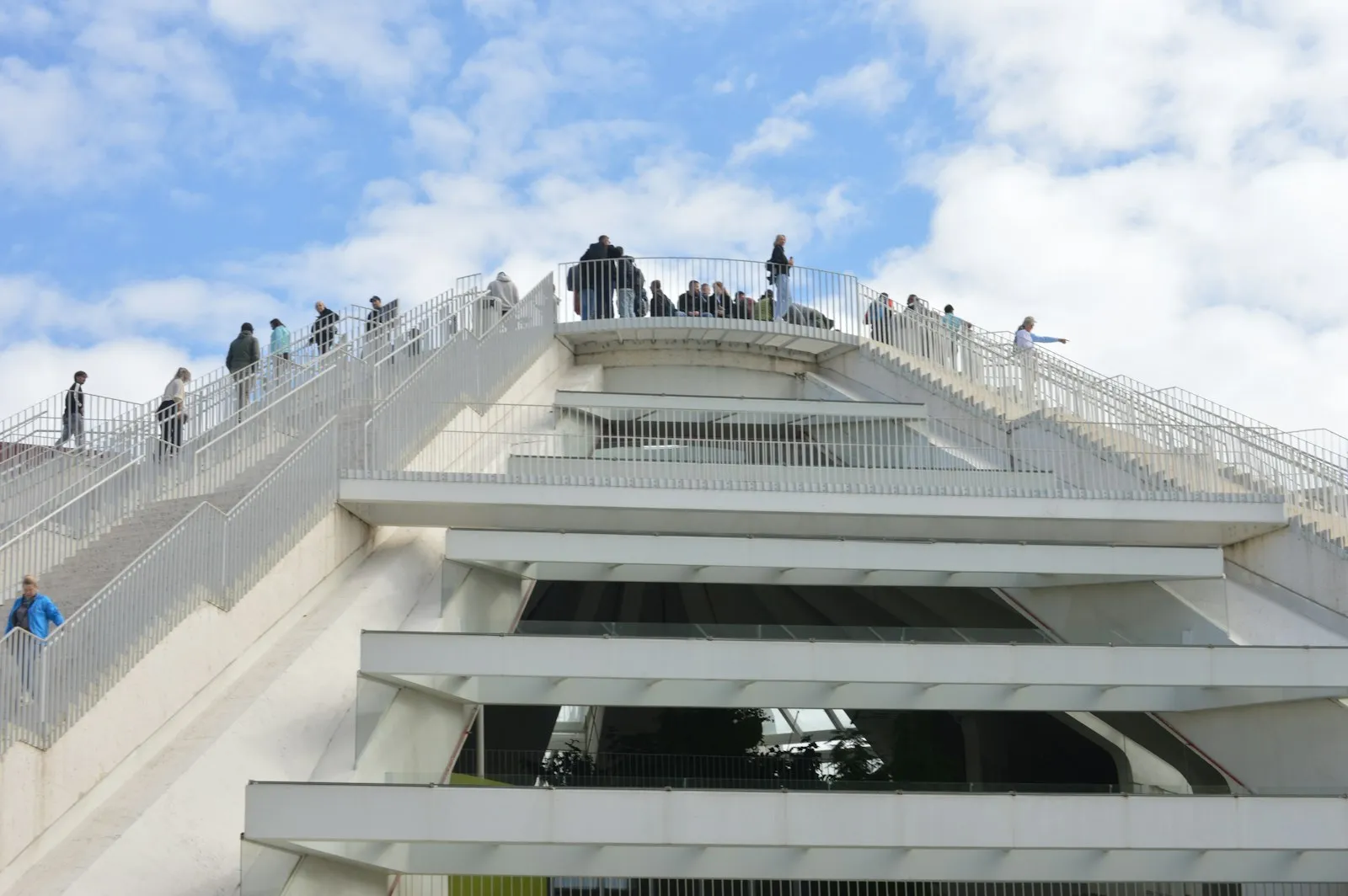
Opened in 1988 as a museum to Hoxha, three years after his death, the Pyramid was co-designed by a team that included his daughter Pranvera, an architect. After 1991 it became a conference centre and, during the 1999 Kosovo War, a NATO base, before years of neglect and debate about demolishing it.
Renovated and reopened in 2023 as a technology centre for young people, it now has steps up its sloping sides, so you can climb to the top for a view over the city.
Beyond the capital: Shkodër, Gjirokastër and Spaç
6. Site of Witness and Memory, Shkodër
Shkodër, with its strong Catholic and intellectual traditions, suffered especially harshly under the regime. The Site of Witness and Memory occupies a former Franciscan building that was confiscated in 1946 and used by the Interior Ministry for interrogation and pre-trial detention until the regime fell.
Opened as a museum in 2014, it preserves the original cells along with documents, testimonies and personal objects from prisoners and their families. It is small, quiet and deeply moving.
7. The Cold War Tunnel, Gjirokastër
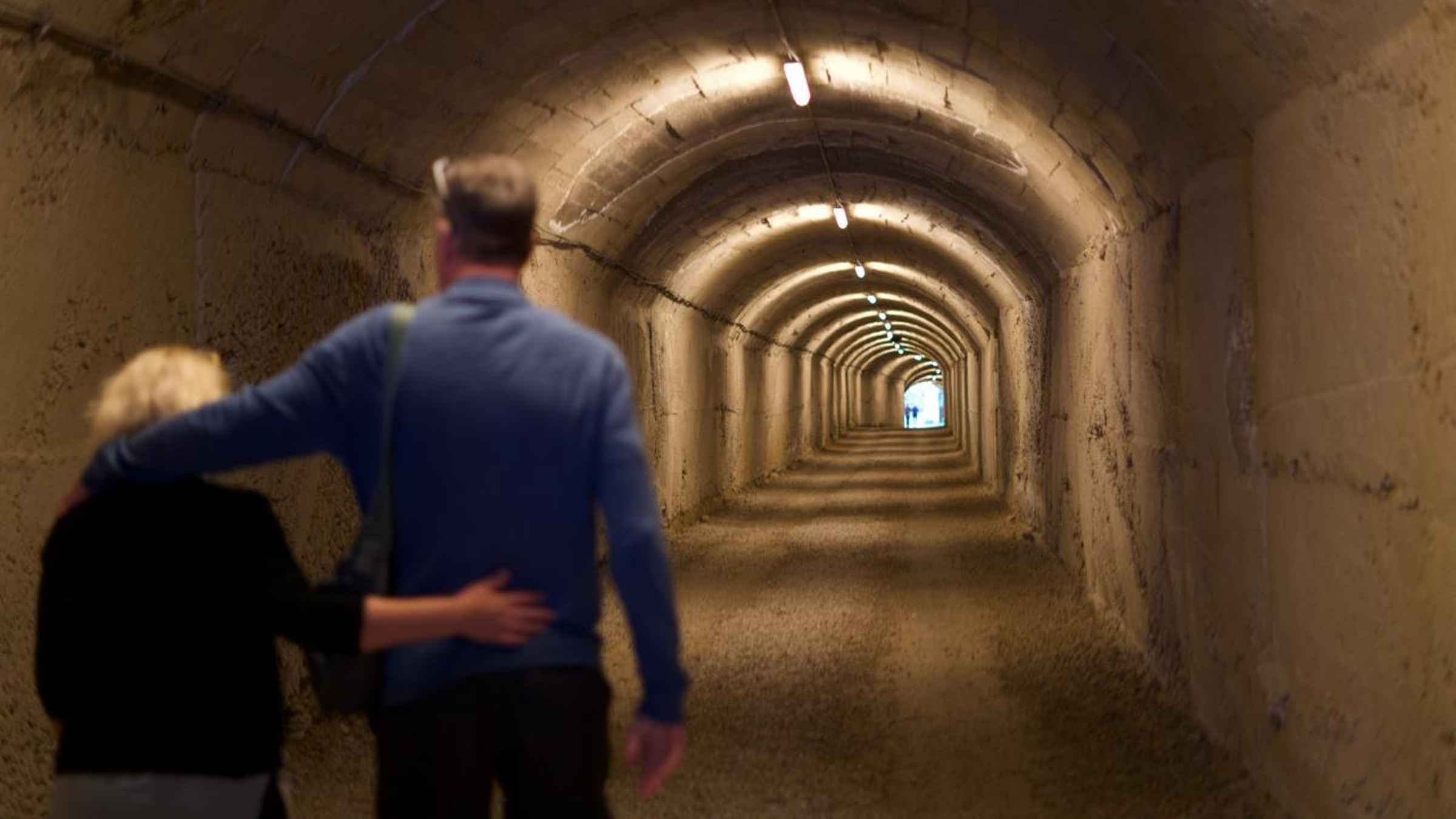
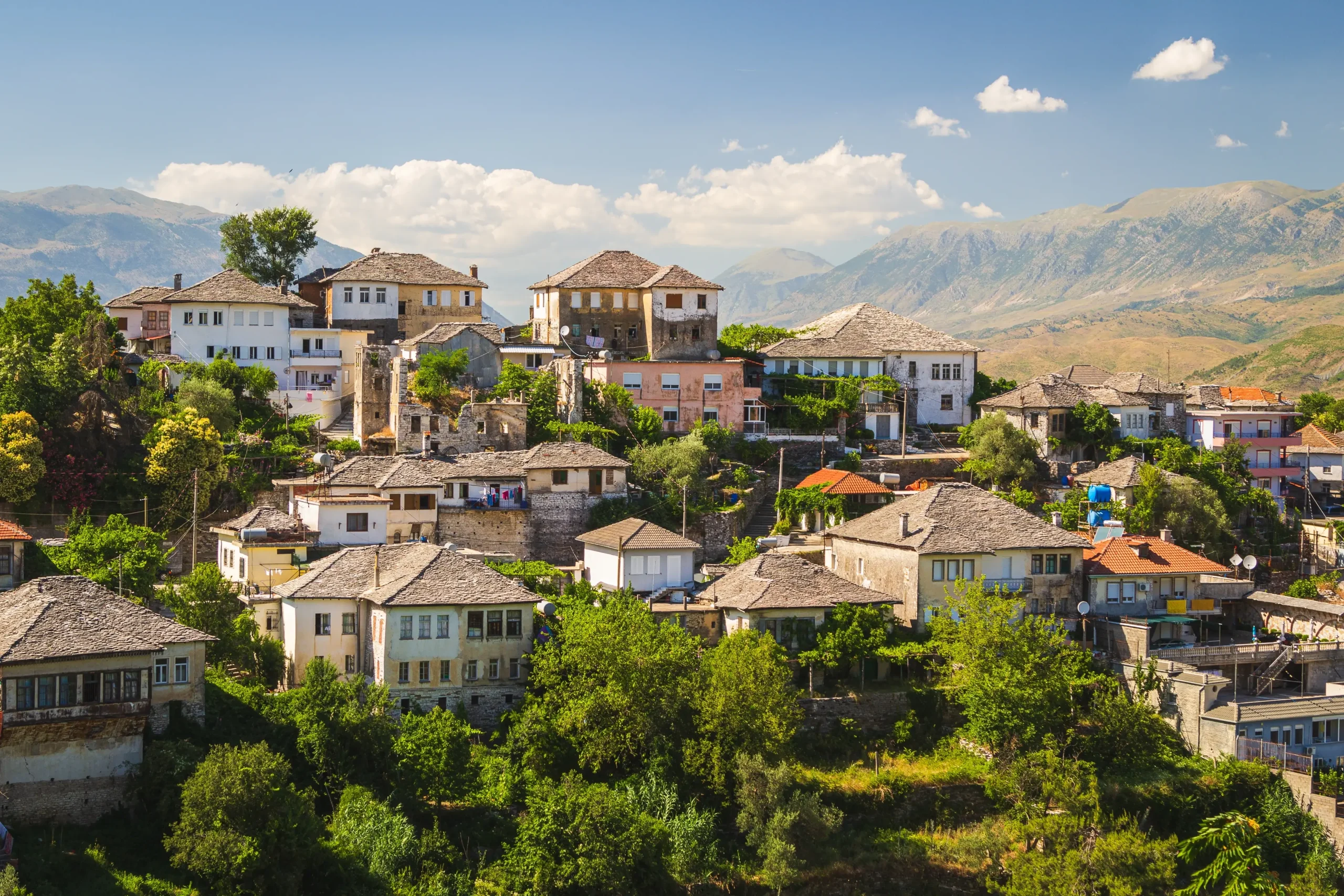
Beneath Gjirokastër, the stone town where Hoxha was born, lies a secret bunker built during the Cold War to shelter local party officials in case of attack. The Cold War Tunnel runs deep into the hill, with dozens of rooms off its corridors, and is seen on a short guided visit.
Pair it with the castle above the town, whose armaments museum displays a captured US Air Force plane, a relic of the regime’s Cold War propaganda.
8. Spaç Prison
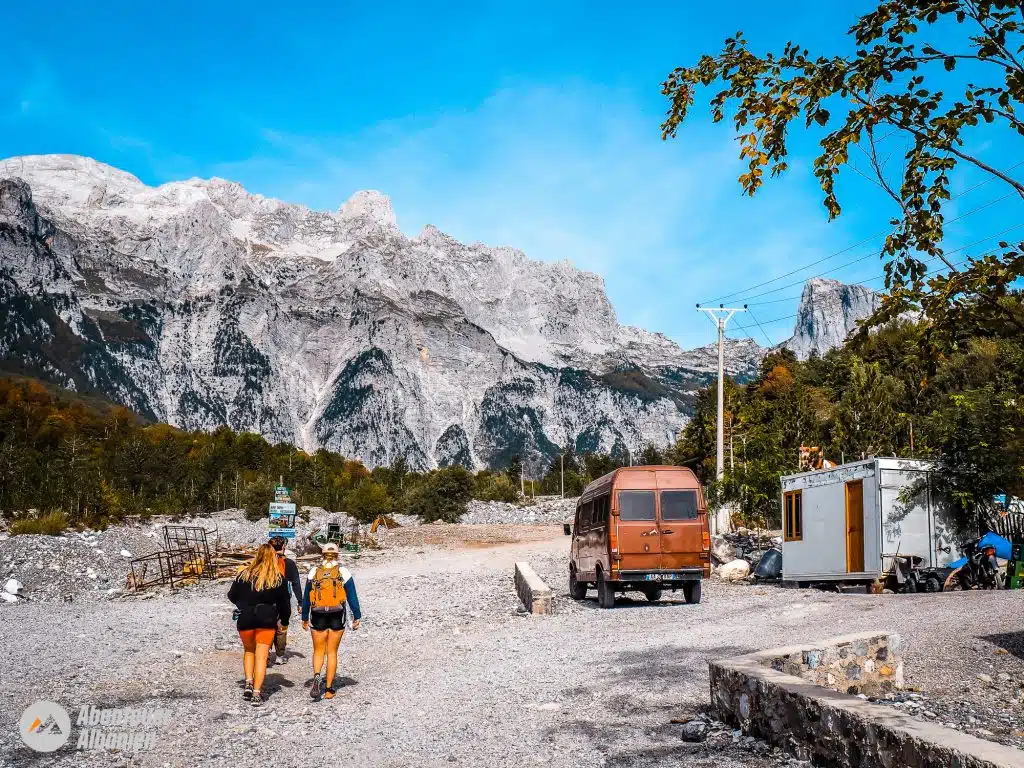
High in the mountains of Mirditë, Spaç was a political prison and forced-labour camp where inmates mined copper and pyrite from 1968 until the early 1990s. In 1973 prisoners staged a brief revolt, raising an Albanian flag without the communist star; it was crushed and its alleged leaders were executed.
Spaç is now a protected monument, but largely in ruins, and plans to conserve it have been the subject of public debate. The site is remote and conditions change, so go with a local driver or guide and check the current situation before you set out.
The bunkers you will see everywhere
Between 1967 and 1986 the regime covered the country in concrete bunkers – on beaches and mountain passes, in vineyards, villages and towns – to resist an invasion that never came. Estimates of the total vary widely, from around 170,000 to several hundred thousand.
The most common type is the small dome for one or two people, known as a QZ; the larger PZ command bunkers are heavier and rarer. Many have been removed or abandoned, while others now serve as cafés, storerooms or animal shelters, and miniature bunkers are among the country’s most popular souvenirs.
Planning your visit
You can see the five Tirana sites in a busy day, though two days is more comfortable. Bunk’Art 2, the House of Leaves, the Pyramid and Postbllok are all walkable in the centre, while Bunk’Art 1 is a short taxi or bus ride out and pairs well with a trip up the Dajti Ekspres cable car close by. For more on the two bunker museums, see our guide to Bunk’Art and Albania’s Cold War museums.
Shkodër and Gjirokastër fit naturally into a north–south itinerary, while Spaç needs a separate excursion. Opening hours change with the seasons, so check before you go, and remember that the bunkers involve steps and narrow corridors.
Visiting respectfully
These are places of real suffering, and many Albanian families lost relatives, homes or careers to the regime. Views on the period still differ between generations, so listen more than you judge and avoid treating the sites as kitsch backdrops.
- Follow the photography rules, especially in cells and memorial rooms.
- Do not climb on memorials or exhibits.
- Keep your voice low at the Site of Witness and Memory and at Spaç.
- Consider a guide: local context adds a great deal, especially at sites with few labels.
Frequently asked questions
What is the best communist history museum in Albania?
If you only have time for one, Bunk’Art 1 gives the broadest overview, covering Albanian history from the Italian occupation to the end of communism inside a vast leadership bunker. For a focused and personal picture of surveillance, the House of Leaves is outstanding, while Shkodër’s Site of Witness and Memory is the most intimate. Many visitors combine Bunk’Art 1, Bunk’Art 2 and the House of Leaves over a day or two.
How long did communism last in Albania?
Communists took power at the end of the Second World War, and the People’s Republic was formally proclaimed in January 1946. Enver Hoxha led the country until his death in 1985, followed by Ramiz Alia. Student protests in December 1990 opened the way to political pluralism, and multi-party elections in 1991 and 1992 brought almost half a century of one-party rule to an end.
Can you visit Spaç prison?
Yes, people do visit the ruins of Spaç, a protected monument in the mountains of Mirditë, but it is not a conventional museum. The site is remote, conditions on the ground can change, and conservation plans have been debated in recent years. Travel with a local driver or guide who knows the road, wear sturdy shoes and check the current situation before you go.
Why are there so many bunkers in Albania?
Hoxha’s regime feared invasion from both East and West and, between 1967 and 1986, built bunkers across the whole country as part of its doctrine of “people’s war”, in which citizens would defend every hillside. They were never used in the war they were built for. Estimates of their number vary widely, and many still dot beaches, fields and hillsides today.
Is Bunk’Art suitable for children?
Bunk’Art 1 works well for older children and teenagers, who often find the tunnels and rooms fascinating, but some exhibits deal with war, persecution and imprisonment, and the long corridors can tire younger children. Bunk’Art 2 and the House of Leaves are more text-heavy and best suited to teenagers and adults. The underground spaces may not suit anyone who is claustrophobic.
Want a guide to bring this history to life? Join our Bunk’Art guided tour with transport option, or see the Pyramid, Postbllok and Blloku from the saddle on our Tirana e-bike tour.