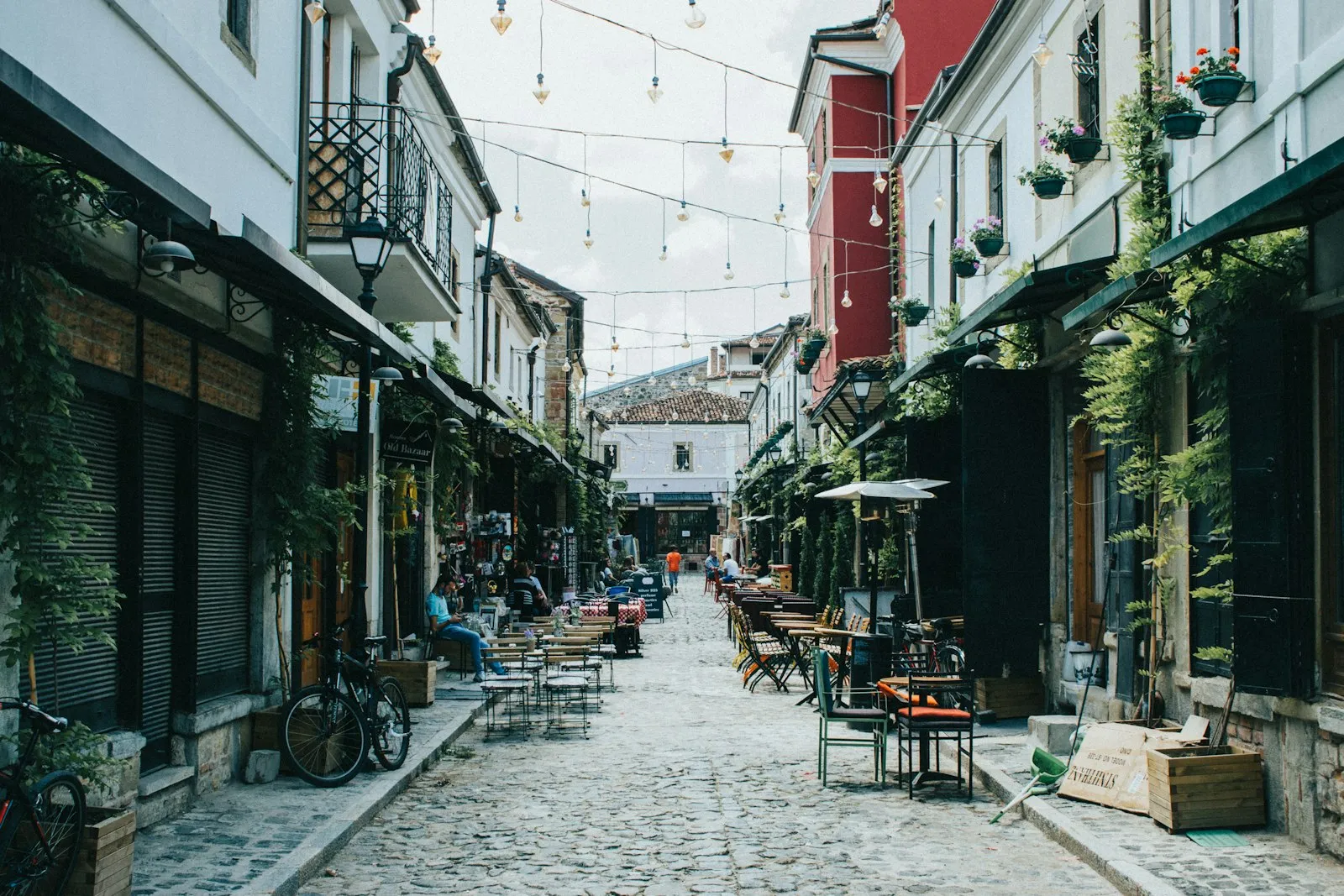
Korçë is a relaxed, cultured city on a high plateau in south-eastern Albania, best known for its restored Old Bazaar, its outstanding museum of icons, its cathedral, its own beer and its café-lined streets. Give it two days for the city itself, then add time for day trips to the old Aromanian town of Voskopojë, the mountain village of Dardha and Lake Prespa.
Locals call it the city of serenades, and visitors often know it as “Little Paris”. This Korçë travel guide covers what to see, what to eat and drink, the best excursions and when to go.
Why is Korçë called “Little Paris”?
The nickname is usually traced to the years between 1916 and 1920, when French troops controlled the area during the First World War. Under their protection, Albanian leaders proclaimed the Autonomous Albanian Republic of Korçë in December 1916, and in 1917 a French-language lycée opened in the city; among its later pupils was the future communist leader Enver Hoxha.
Add the tree-lined boulevards, elegant villas, busy café terraces and a tradition of guitar-led love songs, the serenata, and the comparison sticks. Korçë also has a proud place in Albanian history as a centre of the national awakening of the late 19th century.
Things to do in Korçë
Wander the Old Bazaar
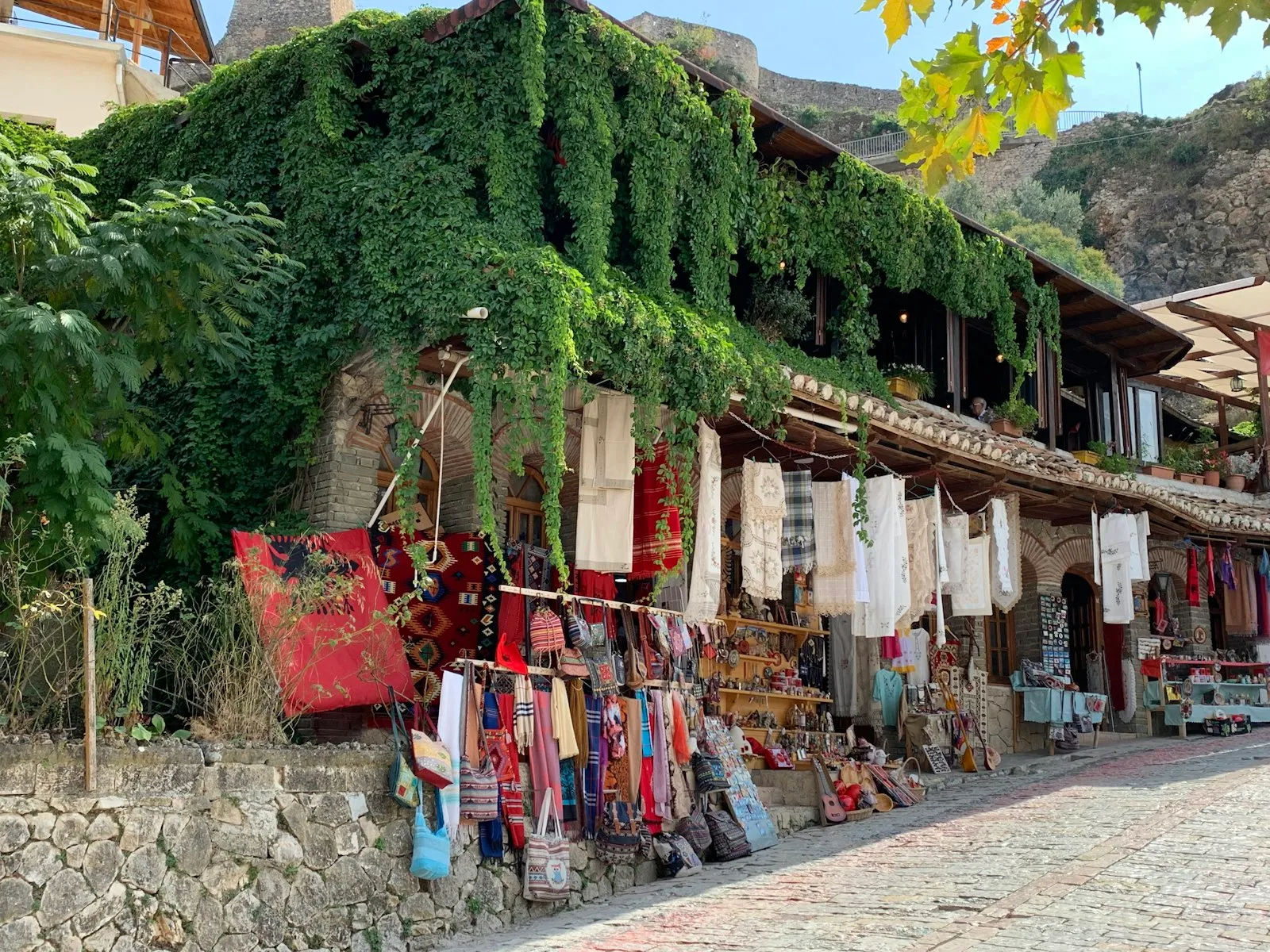
Korçë’s Ottoman-era Old Bazaar, largely rebuilt after a fire in 1879 and carefully restored in recent years, is now the liveliest part of town: stone-paved lanes lined with craft shops, cafés, bars and restaurants serving lakror. It is at its best on a warm evening, when the terraces fill up.
Visit the Mirahori Mosque
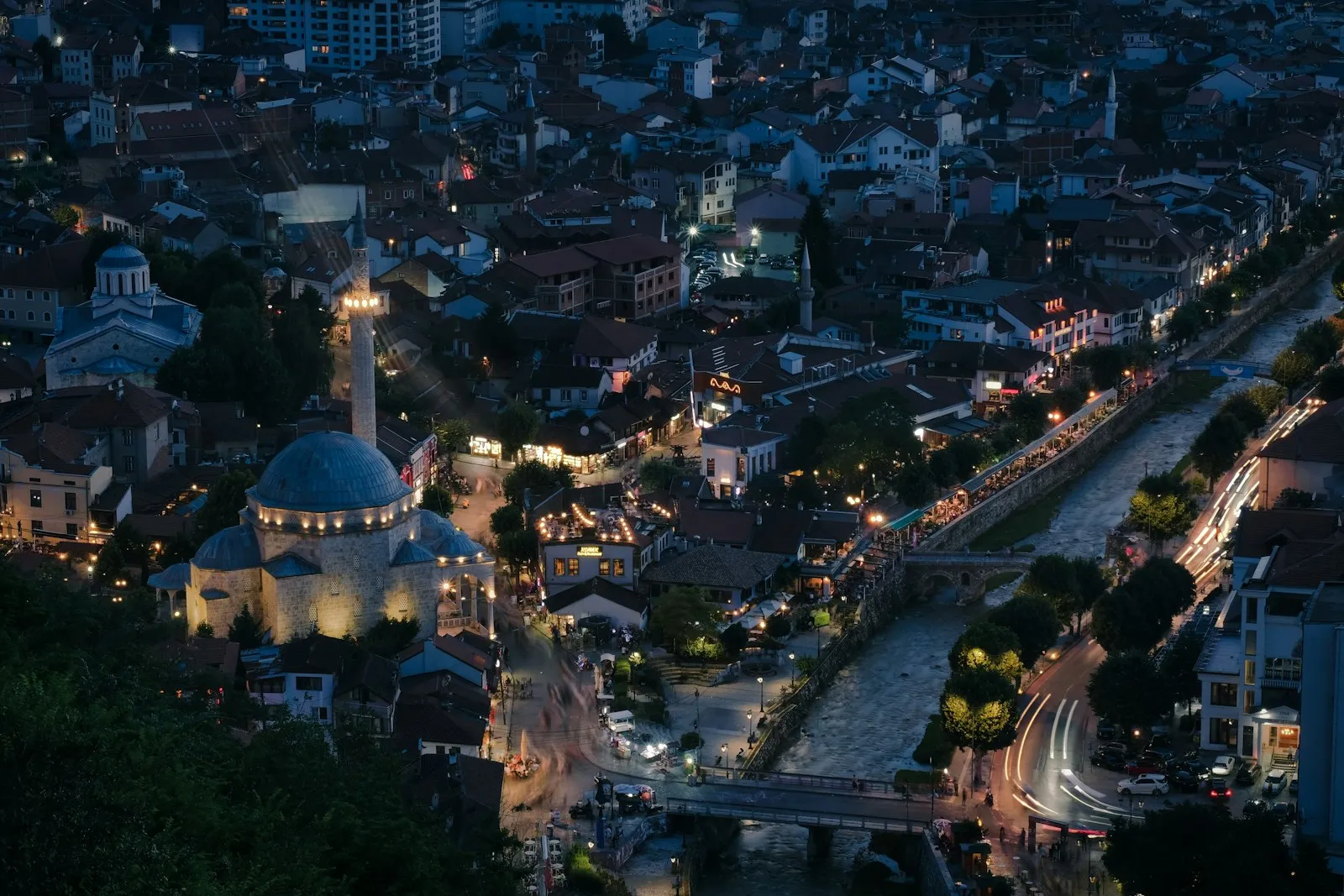
Close to the bazaar stands the mosque of Iljaz Bey Mirahori, the Ottoman nobleman who founded the town. Built in 1494–95, it is one of the oldest mosques in Albania, with a single dome, a three-domed porch and finely crafted masonry; its minaret was rebuilt after 2006.
See the Resurrection Cathedral
The city’s large Orthodox cathedral was built after the fall of communism; its predecessor, the cathedral of St George, was demolished in 1968 during the regime’s campaign against religion. Inside, the bright, simple interior is dominated by a huge carved wooden iconostasis.
Don’t miss the National Museum of Medieval Art
Korçë’s finest museum holds an archive of around 7,000 icons and hundreds of other objects in textile, stone and metal. A selection is displayed in its modern galleries, including works by Onufri, the great 16th-century icon painter, making the National Museum of Medieval Art one of the highlights of any trip to southern Albania.
Step into the first Albanian school
On 7 March 1887, Mësonjëtorja opened in Korçë as the first secular school teaching in the Albanian language, a landmark of the national awakening. The date is still celebrated across Albania as Teachers’ Day, and the school building on Shën Gjergji Boulevard is now a museum.
Explore the city of museums
Korçë likes to call itself a city of museums. Beyond the headline sights you can visit the Bratko Museum, the National Museum of Archaeology and the house and gallery of the painter Vangjush Mio. In the evening, join the locals for the xhiro, the unhurried stroll that ends, as everything here seems to, at a café.
Food, beer and festivals
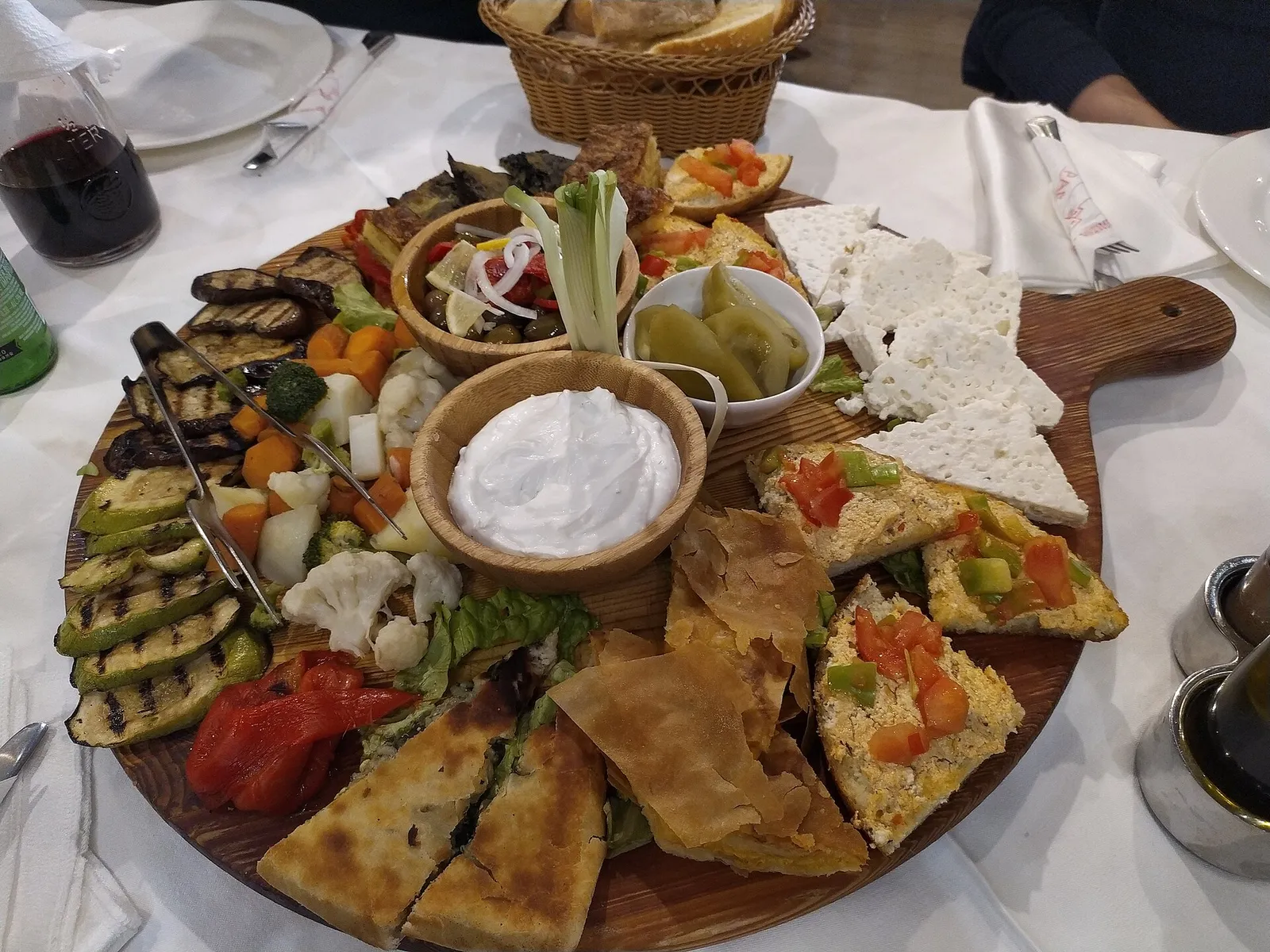
Korçë’s signature dish is lakror, a thin layered pie filled with leeks, spinach, onion and tomato or cheese and baked under a saç, a metal lid heaped with hot embers. The city also gave Albania its first brewery: Birra Korça was founded here in 1928, and its beer festival fills the city with music and crowds every August.
Other dates for the diary include the summer Lakror Festival, held in the city or a nearby village, and Albania’s largest carnival, which takes place before Orthodox Easter. Check the latest dates locally, as they change from year to year.
Day trips from Korçë
Voskopojë
About 21 km from Korçë, at around 1,160 m, Voskopojë (Moscopole) was one of the great towns of the 18th-century Balkans: an Aromanian trading hub with a printing press, an academy and dozens of churches, before raids in 1769 and 1788 reduced it to a village. Five of its old churches survive, among them St Nicholas and St Athanasius, their walls covered with 18th-century frescoes.
Dardha
A mountain village of stone houses and forest near Korçë, Dardha has been a ski area since the 1920s and is a favourite escape for Albanians in summer and winter alike. It is a good place to slow down, walk in the hills and eat well.
Lake Prespa
Albania’s portion of the Great and Small Prespa lakes, which are shared with North Macedonia and Greece, is protected as Prespa National Park. Lying at around 850 m, the lakes are among the highest tectonic lakes in the Balkans, and their reed beds attract Dalmatian pelicans and other waterbirds. Boats from the lakeside villages visit the island of Maligrad, where a small 14th-century cave church with frescoes is set into the cliff. Read more about Lake Prespa.
When to visit and how long to stay
Because Korçë sits on a plateau at around 850 m, it is noticeably cooler than the coast. Summers are warm rather than scorching, while winters are cold, with January temperatures averaging just below freezing. Late spring to early autumn is the most comfortable time to visit; August brings the beer festival, and winter suits travellers who want snow in Dardha or a cosy city break full of serenades and hearty food, as our guide to hidden winter experiences in Albania describes.
Two days covers the city at a gentle pace. Add a day for Voskopojë and Dardha, and another for Lake Prespa if you love nature and birdwatching.
Getting to Korçë
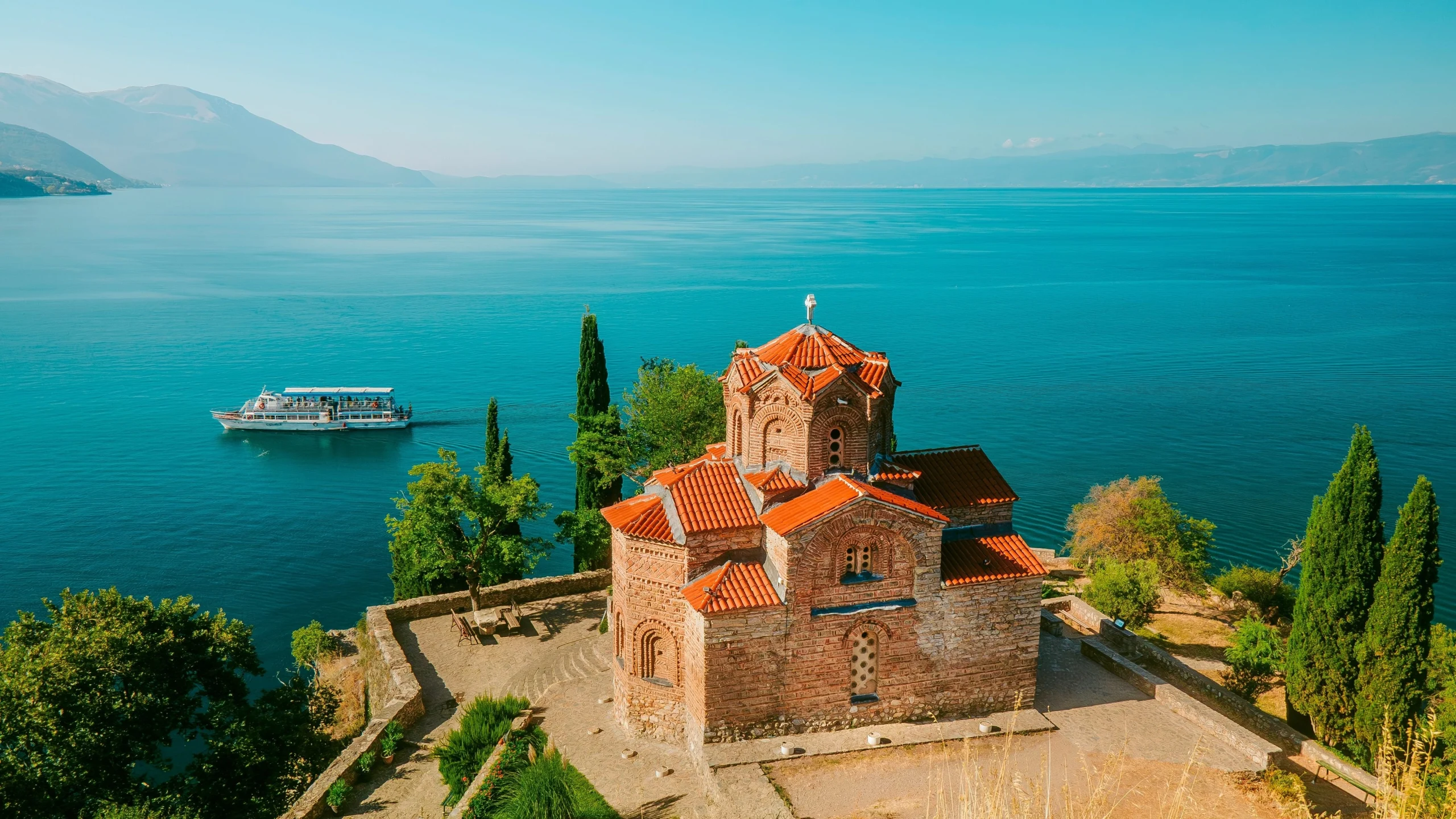
Korçë lies in south-eastern Albania, a few hours by road from Tirana via Elbasan and Pogradec on the shore of Lake Ohrid, and close to the borders with Greece and North Macedonia. Buses link it with Tirana and other cities. To combine the city with Voskopojë, Dardha and Prespa, a car with a driver or a private tour is by far the easiest option.
Frequently asked questions
Is Korçë worth visiting?
Yes, especially if you enjoy culture, food and a slower pace. Korçë combines an attractive restored bazaar, one of the most important icon collections in the region and a lively café and beer culture with easy access to mountain villages and Lake Prespa. It sees far fewer foreign visitors than the coast, which is part of its charm.
How many days do you need in Korçë?
Two days is ideal for the city: one for the Old Bazaar, the Mirahori Mosque and the cathedral, and one for the National Museum of Medieval Art, the first Albanian school and an evening stroll. With three or four days you can add Voskopojë, Dardha and a trip to Lake Prespa without rushing.
What food is Korçë famous for?
Korçë is best known for lakror, a thin, layered pie baked under a saç covered with embers, with fillings such as leeks, spinach, onion and tomato, or cheese. The city is also home to Birra Korça, Albania’s oldest brewery, and its restaurants serve hearty mountain cooking that suits the cooler climate of the plateau, especially in winter.
When is the Korçë Beer Festival?
The beer festival, organised around Birra Korça, takes place every August and runs over several days, with live music, food stalls and plenty of locally brewed beer. Exact dates and venues change from year to year, so check the latest programme before you travel, and book accommodation early, as the city fills up quickly during the festival.
Can you visit Korçë in winter?
Yes. Winter is cold, with frequent frosts and snow on the surrounding mountains, but the city is atmospheric, the restaurants are warm and the cafés stay busy. Nearby Dardha has a long skiing history, and Voskopojë looks magical under snow. Mountain roads can be affected by snow and ice, so check conditions before driving.
Korçë rewards travellers who like to linger. To build it into your trip, together with Voskopojë, Dardha and Lake Prespa, send us your dates and interests through our private group tour request, and we will help you plan a route through south-eastern Albania.